
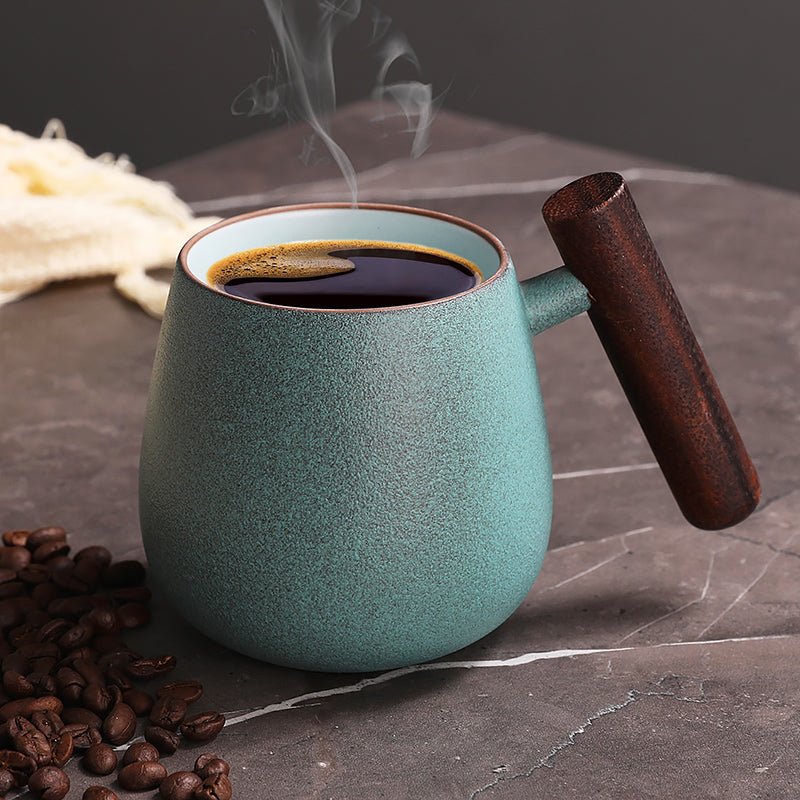
Insulated Coffee Mugs for Travel: What to Buy and What to Skip
Reading time: about 9 minutes
At 7:15 a.m., the mug that matters is the one that stays shut in a car cup holder, does not burn your hand, and still tastes like coffee after a meeting runs long. That is the real test for insulated coffee mugs for travel.
We look at this category the same way customers use it: on a kitchen counter after brewing, on a desk beside a laptop, tossed into a tote for a train ride, and washed after a full day. The best pick depends less on hype and more on lid design, seal quality, material choice, and how much cleanup you are willing to do.
If you want a deeper framework before you buy, our guide to Insulated Travel Coffee Mugs: How to Choose the Right One is a good place to start. We also cover everyday use trade-offs in Stainless Steel Insulated Coffee Mugs for Daily Use and Travel.
What should insulated coffee mugs for travel actually do well?
A travel mug has one job: keep coffee usable while fitting into the way you move through the day. That sounds simple, but the details matter. A mug that holds heat well but leaks in a bag is a bad travel mug. A mug that never leaks but feels awkward in a cup holder is also a bad fit for many buyers.
In our store, the first thing we check is the lid seam after a hot pour and a few careful shakes over the sink. That reveals more than a polished product photo ever will. We also look at whether the outside gets too hot to hold, whether the opening is easy to sip from without dribbling, and whether the lid can be taken apart for cleaning.
- Heat retention: Double-wall vacuum insulation is the standard to look for in this category.
- Leak behavior: Some mugs are splash-resistant, not fully leakproof. That difference matters in a backpack or tote.
- Grip and fit: A tapered base and a stable lid are helpful for car cup holders and crowded desks.
- Cleaning: Wide-mouth openings are easier for brushes, soap, and drying.
There is a trade-off here. The more complex the lid, the more points of failure you can introduce. A complicated slider or flip-top may feel premium, but if the gasket traps coffee residue, the mug can start to smell stale after a few uses.
For most buyers, the best insulated mug is not the one with the most features. It is the one with the fewest annoying surprises after week two.
Which materials and lid styles hold up best?
Most buyers end up choosing between stainless steel, ceramic-lined interiors, and all-plastic drinking lids. Each one has a place. Stainless steel is usually the safest default for travel because it handles bumps, temperature swings, and daily cleaning better than more fragile materials. If you want a more detailed comparison of what to compare before checkout, read Best Insulated Coffee Mugs: What to Compare Before You Buy.
We are cautious about any mug that looks nice but hides a weak lid. A good lid usually has a snug fit, a gasket that can be removed and cleaned, and a drinking opening that does not force coffee onto your nose or chin. Screw-on lids often seal better than simple press-fit lids, but they can take an extra twist to open when you are half-awake.
Some buyers prefer ceramic because it feels familiar and does not give coffee a metallic impression. That is a real preference, and it can be a good fit for desk use. For frequent travel, though, ceramic tends to be heavier and less forgiving if it gets knocked around. If that is the style you prefer, our article on Ceramic Travel Coffee Mugs: What Buyers Should Check Before Ordering explains what to watch for.
| Feature | What it helps with | Trade-off |
|---|---|---|
| Double-wall stainless steel | Heat retention, durability, daily commuting | Can feel less premium than ceramic to some buyers |
| Ceramic-lined interior | Neutral taste and a familiar coffee feel | Usually heavier and less impact-resistant |
| Flip-top or slider lid | One-handed sipping in a car or on a walk | More moving parts to clean and maintain |
| Screw-on lid | Better seal for commuting | Slower to open and close |
Our practical rule: if the mug will live mostly on a desk, comfort and taste may matter more than maximum spill resistance. If it will ride in a bag or car, the seal matters first.
What size works best for commuting, office days, and trips?
Size is where a lot of buyers overbuy. A large mug sounds useful, but if you only drink one normal coffee before leaving the house, a huge cup can be awkward, heavy, and harder to finish before it cools. Most shoppers do better by matching size to routine instead of choosing the largest option available.
For office days and short commutes, a smaller mug around the 12 to 16 ounce range usually makes sense. It is easier to hold, fits more cup holders, and does not force you to drink coffee much later than you want. For longer drives, airport waits, or mornings when you know you will refill less often, a larger size can make sense, but only if you are comfortable with the added bulk.
If you are comparing travel-first options, our guide to Best Coffee Mugs Travel: What to Buy for Commutes, Office Days, and Trips breaks down the use cases in plain language. You can also compare broader options in Best Travel Coffee Mugs for Commutes, Office Days, and Trips.
- 12 to 14 oz: Good for a single cup of coffee, short drives, and desk use.
- 15 to 16 oz: A balanced everyday size for most commuters.
- 18 oz and up: Better for longer trips or people who want more coffee at once.
There is a limit here. Larger mugs are not automatically better. If the lid is weak or the base is too wide, a big mug can be less practical than a smaller one with a better seal.
What problems show up after real use?
This is where experience matters. On a product page, every mug looks clean and simple. On a kitchen counter after three weeks, the weak points show up fast. We see the same failure modes again and again: lids that start to squeak, silicone gaskets that hold coffee odor, threaded tops that are hard to align before coffee spills, and finishes that chip when they hit a sink edge or a metal desk drawer.
Dishwasher use deserves attention too. Even when a mug is labeled dishwasher-safe, repeated high heat can wear on printed graphics, soften some seals, or leave water trapped in a lid assembly. We prefer mugs with simple lids and removable parts because they are easier to rinse and dry fully. If milk goes into the mug, that matters even more. Milk residue clings to corners and turns cleanup into a chore.
Heat performance can also be misunderstood. Insulation helps, but no mug will keep coffee tasting fresh forever. A mug that stays hot for a long stretch is useful. A mug that keeps coffee tasting right for an entire afternoon is a different claim, and we do not treat those as the same thing.
There are also cases where insulated coffee mugs for travel are the wrong choice:
- If you want a mug that disappears into a tote with zero spill risk, look for a true leakproof closure, not just a sip lid.
- If you prefer to sip coffee over several hours at a desk, a lighter everyday mug may be more comfortable than a heavily sealed travel model.
- If you hate hand-washing lid parts, choose the simplest lid design you can live with.
How do you compare options before buying?
We suggest comparing mugs the same way we would inspect a shipment before it goes on a shelf. Start with the basics, then decide which trade-offs you can accept. That approach keeps you from paying for features you will not use.
- Check the lid first. Ask whether it is splash-resistant or truly leakproof, and whether the gasket comes out for cleaning.
- Match the size to your routine. A mug that fits your actual coffee habit is better than a larger one you only half-fill.
- Inspect the base and body shape. A tapered body is usually easier in cup holders and bag pockets.
- Look for simple care. Fewer moving parts usually means less buildup from coffee oils and milk.
- Think about where it will be used. Desk, kitchen, car, and airline tray table are not the same environment.
If you want a fast side-by-side reference, our comparison in Best Insulated Coffee Mug Travel: What to Buy and What to Skip is built around exactly that question: what is worth paying attention to, and what is just packaging.
For shoppers ready to browse, our current products page is the quickest way to see what we carry, and the full collection is useful if you want to compare styles in one place.
Frequently asked questions
How many ounces should an insulated coffee mug for travel be?
For most people, 12 to 16 ounces is the most practical range. That size is easy to hold, fits many cup holders, and usually matches a normal morning coffee habit without making the mug bulky. If you regularly drink more than one fill or take long drives, a larger size may make sense.
Are stainless steel mugs better than ceramic for travel?
For travel, stainless steel is usually the safer choice because it is more durable and handles bumps better. Ceramic can feel nicer for desk use and may suit buyers who care about taste and texture, but it is less forgiving in a bag or car. If you want a mug for both commuting and office use, stainless steel is usually the more practical starting point.
Can I put an insulated travel mug in the dishwasher?
Sometimes, but you should not assume every part is equally dishwasher-safe. Lids, gaskets, and printed finishes are the parts most likely to wear first. We usually recommend checking whether the lid comes apart cleanly, because hand-washing those parts often helps the mug stay fresher.
Why does my travel mug still leak if the lid is on?
Most leaks come from a poor seal, an unevenly seated gasket, or a lid that was not fully tightened. Coffee can also wick through tiny gaps around a slider or drinking opening. If a mug leaks in your bag, treat it as splash-resistant only, not true leakproof gear.
What should I buy if I mostly drink coffee at my desk?
A simple insulated mug with a comfortable lid and easy cleaning is usually the best fit. You do not need the heaviest-duty sealing if the mug stays on a desk, and a quieter lid can be nicer for office use. If the mug is more for sipping than carrying, comfort and cleanup matter more than extreme spill protection.
What should you check before ordering one?
If you want the most useful next step, compare mugs against a short checklist instead of shopping by color or headline claims. That keeps the decision practical and helps you spot the difference between a true travel mug and a cup that only looks like one.
- Does the lid close securely enough for your commute?
- Does the size fit your cup holder, bag, or desk setup?
- Can you clean the lid and gasket without frustration?
- Do you want stainless steel durability, or a ceramic feel for desk use?
- Will you use it more for travel, or mostly for coffee at work?
Use that checklist, then compare the styles in our collection or jump straight to our products page if you want to narrow things down quickly. The right mug should fit your routine first, and the coffee second.
Read more
Beer Coffee Mugs: What to Check Before You Buy
Beer coffee mugs can be roomy, sturdy, and comfortable, but the right pick depends on capacity, material, handle shape, and how you actually drink coffee at home.
Leer más
Patriotic Coffee Mugs: How to Choose the Right One
Patriotic coffee mugs look simple, but material, handle shape, print durability, and capacity change how they feel on a kitchen counter or office desk. Here is how we help shoppers pick a mug that ...
Leer más
Dejar un comentario
Este sitio está protegido por hCaptcha y se aplican la Política de privacidad de hCaptcha y los Términos del servicio.