
IHOP Coffee Mug Guide: What to Buy and What to Compare
Reading time: about 9 minutes
An ihop coffee mug usually means one thing: a simple, diner-style cup that feels sturdy in the hand and works for everyday coffee, not just display. Buyers tend to want that same wide, comfortable feel without ending up with a mug that is too bulky for a desk, too thin for heat, or awkward to wash.
We handle a lot of everyday mugs in our store, and the same issues come up again and again at the counter: handle comfort, balance, chip resistance, and whether the mug actually fits the way people drink coffee at home. If you are comparing options before buying, that is the right way to do it. A mug can look right online and still feel wrong in your hand.
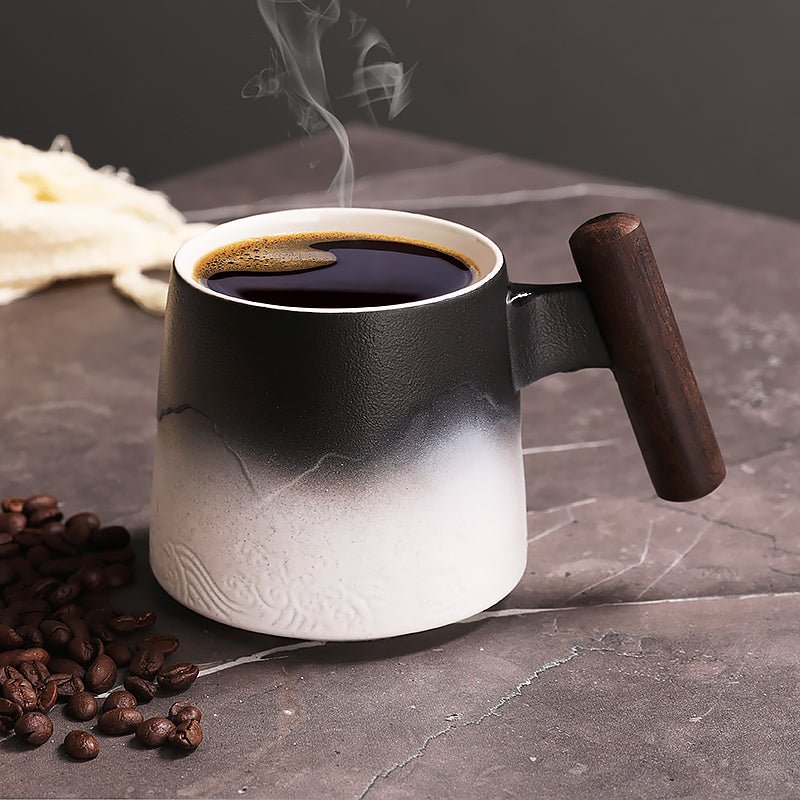
If you want to compare options while you read, start with our full mug collection, then use the details below to narrow the style you actually want. For shoppers who like a printed, themed look, our Mountain Sea Coffee Tea Mug is a good example of a more decorative everyday mug. If you want something a little more playful, the Spittoon Coffee Tea Mug and Planet Coffee Tea Mug show how far style can move away from a plain diner cup while still staying practical.
What does an IHOP coffee mug style usually mean?
People usually mean a mug that feels like a classic breakfast-counter cup: straightforward shape, easy-grip handle, and a size that handles a full coffee without feeling oversized. It is not really about the logo. It is about the experience. The mug should sit solidly on a table, survive frequent washing, and not make hot coffee awkward to hold.
In practice, that style usually shares a few traits:
- A rounded body that is easy to rinse and clean by hand.
- A handle large enough for most adult fingers without forcing a tight grip.
- A weight that feels stable, not delicate.
- A glaze finish that should resist stains better than uncoated ceramic.
That said, an IHOP coffee mug style is not ideal for every buyer. If you want a cup that disappears into a small kitchen cabinet, or one with a thin, refined cafe profile, a diner-style mug may feel too stout. If you mainly drink espresso, a smaller cup is a better fit. Our 10 oz Coffee Mug: Size, Fit, and What to Check Before You Buy and 11 oz Coffee Mug: Size, Fit, and What to Check Before You Buy guides are useful if you are trying to match the mug to your actual pour size.
What should you check before buying one for daily use?
The first thing we check is not the print. It is the shape. A mug can have the right look and still be annoying to use every morning. We look at the rim thickness, handle clearance, base stability, and finish quality because those are the details shoppers notice after a week, not after a photo.
Here is the checklist we use in our store when comparing a daily-use mug:
- Handle fit: Make sure your fingers fit without pressing against the body of the mug. A cramped handle gets old fast.
- Rim feel: A smooth, even rim drinks better and feels more comfortable than a rough or uneven edge.
- Base stability: The mug should sit flat and not wobble on a kitchen counter or office desk.
- Finish durability: Glaze should look even, with no pinholes, blisters, or rough spots that can collect residue.
- Cleaning routine: Decide if you want something that can go in the dishwasher every day or if hand washing is fine.
There are also a few common defect modes to watch for in ceramic mugs. Hairline cracks near the handle, uneven glaze at the base, and rough foot rings are the ones we see shoppers miss most often. They are not glamorous details, but they matter. A mug that looks good and chips easily is a bad buy.
If your real goal is a mug that feels right in everyday use, not a novelty shelf piece, our 11oz Coffee Mug Buying Guide for Size, Fit, and Daily Use covers the same practical questions from a different angle.
Which size works best for coffee, tea, and refills?
Size changes the whole experience. A mug that is too small disappears too quickly. One that is too large cools the drink before you finish it. For an IHOP coffee mug style, most buyers want a middle-ground cup that works for drip coffee, black tea, or a second pour from the pot.
We usually break the choice down like this:
| Use case | What tends to work best | What to avoid |
|---|---|---|
| Single morning coffee | Mid-size ceramic mug with a comfortable handle | Oversized mug that cools too slowly and feels heavy when full |
| Desk use | Stable mug with a balanced base | Tall, top-heavy shapes that are easy to knock over |
| Gift buying | Neutral shape or playful design with clean glaze | Anything with a handle too small for average hands |
| Tea and cocoa | Thicker-walled mug that holds heat reasonably well | Very thin cups that lose warmth quickly |
That is why some buyers end up comparing 10 oz, 11 oz, and 12 oz mugs before they buy. The difference sounds small on paper, but in the kitchen it changes the fill line, the heat retention, and how the mug feels when lifted from a crowded breakfast table. Our 12 Ounce Coffee Mug Buying Guide for Daily Use and Better Fit is a good next read if you are trying to decide between a standard mug and one that leans slightly larger.
How do the options on our store compare to a plain diner mug?
We do not try to pretend every mug should look like a classic breakfast diner cup. Some people want that plain, no-frills feel. Others want the same day-to-day usefulness with a little more personality. That is why we offer mugs that work as practical drinkware first, then style pieces second.
The Mountain Sea Coffee Tea Mug suits buyers who want a calm, scenic look without giving up everyday utility. The Spittoon Coffee Tea Mug has a more distinctive shape and is better for someone who wants a conversation piece on the shelf or office desk. The Planet Coffee Tea Mug is the strongest choice if you want a themed mug that still works for regular coffee breaks.
From a selling and handling perspective, we care about three things across all of them:
- Comfort in the hand: the mug should not fight your grip.
- Everyday cleanability: the surface should rinse out without hiding coffee film in corners.
- Cabinet practicality: the shape should stack or store without wasting too much shelf space.
That is also where trade-offs show up. Decorative mugs are not always the best pick for someone who wants the most compact cabinet storage. A heavy, thick-walled mug can feel premium, but it can also be tiring if you drink several cups a day. If you want to compare all current styles in one place, the collection page is the fastest way to scan what fits your use case.
What materials and care details matter most?
For a mug in this category, the material and finish matter more than most shoppers expect. A ceramic or stoneware body usually gives you the weight and heat feel people want from a diner-style mug, while a good glaze finish helps with stain resistance. The main question is not whether the mug is pretty. It is whether it will still feel clean and solid after repeat use.
Here are the details we pay attention to when a customer is choosing a mug for daily rotation:
- Wall thickness: thicker walls usually hold heat longer, but they add weight.
- Handle attachment: the join between handle and body should look clean and feel secure.
- Glaze consistency: even glazing helps with cleanup and reduces rough spots.
- Care instructions: if you plan to use the dishwasher often, confirm the mug is suitable for that routine before you buy.
Real-world use matters here. A mug that stays on a home kitchen counter all day faces different wear than one used in an office where it gets rinsed, refilled, and shuffled between meetings. The best mugs are the ones that stay easy after the novelty fades. A glossy finish that resists coffee stains is useful. A rough foot ring that scratches a countertop is not.
What makes a good gift versus a good personal mug?
A gift mug and a personal mug are not the same purchase. For a gift, shape and presentation matter more because the buyer is trying to get a good reaction out of the box. For personal use, the test is simpler: does it feel right at 7 a.m., before the second cup?
For gifting, we usually suggest something with a clear style personality and a practical body shape. The mug should be easy to understand at a glance and easy to use without explanation. For personal use, the better choice is often the one that disappears into the routine.
Here is the short version:
- Gift mug: choose visual identity, easy handling, and broad appeal.
- Everyday mug: choose comfort, balance, and simple cleaning.
- Desk mug: choose a shape that will not tip easily and a finish that wipes clean.
If your buyer is mainly comparing sizes and fit for gifts, our 12 oz Coffee Mug Buying Guide for Fit, Comfort, and Daily Use is worth a look because a slightly larger mug often feels more substantial when unboxed.
Frequently asked questions
Is an ihop coffee mug good for everyday use?
Yes, if you want a simple mug that feels stable and easy to drink from. The best everyday version has a comfortable handle, an even glaze, and a size that matches your usual coffee pour. If you prefer a lighter, smaller cup, a standard diner style may feel a little bulky.
What size is closest to a classic diner coffee mug?
Most shoppers compare it to a mid-size mug rather than a tiny cup or oversized travel-style mug. The practical question is how much coffee you actually drink before it gets cold. If you usually finish one normal refill, a standard ceramic mug is usually the better fit than a large oversized cup.
Can I put this kind of mug in the dishwasher?
That depends on the specific mug and finish. Many ceramic mugs are made for regular washing, but you should still check the care guidance for the exact product. If you rely on the dishwasher every day, that is a real buying filter, not an afterthought.
What should I look for to avoid a cheap-feeling mug?
Check the rim, handle, and base first. A cheap-feeling mug often has an uneven glaze, a rough foot ring, or a handle that does not leave enough finger room. Those are the details that show up fast once the mug is actually on your table.
Is a diner-style mug better for coffee or tea?
It works well for both, but coffee is usually the better match if you want the full diner feel. Tea drinkers sometimes prefer a lighter mug with a slightly finer rim. If you want one mug for both, choose the one with the most comfortable handle and the easiest cleanup.
If you are still deciding, start with your use case: daily coffee, desk coffee, or gift. Then compare that against the full collection and choose the mug that fits your hand, cabinet space, and washing routine, not just the photo.
Read more
Hairline Crack in Coffee Mug: When to Replace It
A hairline crack can start as a cosmetic line and turn into a leak, a sharp edge, or a thermal-shock failure after the next hot pour. We break down how to inspect it, when to stop using the mug, an...
Leer más
CamelBak Coffee Mug: What to Check Before You Buy
A camelbak coffee mug usually means spill control, comfort, and cleanup matter more than style alone. We break down the trade-offs and point you to ceramic options that make more sense for desks, k...
Leer más
Dejar un comentario
Este sitio está protegido por hCaptcha y se aplican la Política de privacidad de hCaptcha y los Términos del servicio.