
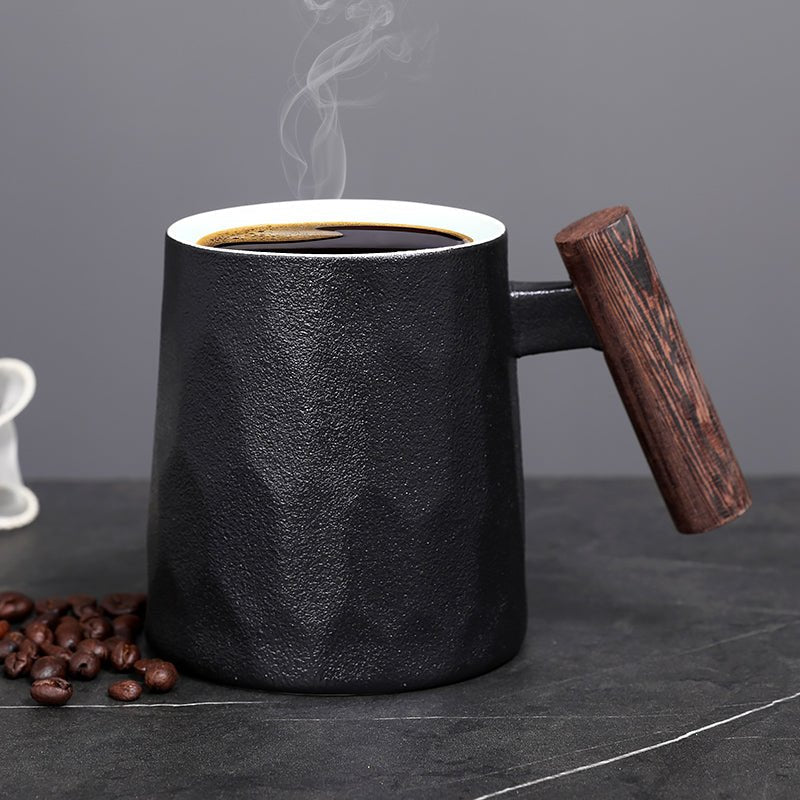
Huge Tea Mugs: How to Choose the Right Size, Shape, and Material
Reading time: about 9 minutes
A mug that looks perfect online can feel clumsy the first time you pour a full brew into it. With huge tea mugs, the difference between a comfortable everyday cup and a shelf-sitter usually comes down to capacity, handle size, wall thickness, and how the mug behaves after a few dishwasher cycles.
We see that trade-off all the time in our store. Some shoppers want one large mug for a long work session, while others want a roomy cup that still feels balanced in the hand. The right choice depends less on size alone and more on how you actually drink tea at home, at work, or while winding down at night.
If you want to browse current options first, start with our product selection and our broader collection.
What counts as a huge tea mug, and who actually needs one?
For most shoppers, huge tea mugs usually start around 16 oz and move up from there. Once you get into 20 oz, 24 oz, or even 30+ oz territory, you are buying for more than a single standard serving. That can be ideal if you drink loose-leaf tea with plenty of room for milk, if you refill less often during remote work, or if you like a mug that can handle soup, cider, or herbal blends too.
Huge tea mugs are useful in a few very specific situations:
- You want one brew to last through a long meeting or a slow morning.
- You add milk, honey, or other mix-ins and need extra room at the top.
- You dislike constant refills and prefer a heavier, more substantial cup.
- You want a single mug that can double for broth, instant oatmeal, or hot chocolate.
They are not a great fit for every tea drinker. If you prefer delicate green tea, small gongfu-style infusions, or a mug that fits neatly into a crowded cup holder, a smaller vessel is usually the better buy. We cover some of those size trade-offs in Huge Mugs for Tea: How to Choose the Right Size and Shape.
Which size is comfortable for daily use?
Capacity sounds simple until you actually hold the mug with hot liquid inside. A huge mug that is technically the right volume can still feel wrong if the base is too wide for your hand or if the handle leaves too little clearance for four fingers. In practice, the best daily-use sizes usually land in a middle zone rather than the absolute biggest option available.
| Approx. capacity | Best for | Common trade-off |
|---|---|---|
| 16 oz | One generous serving without feeling oversized | Less room for milk or add-ins |
| 20 oz | Long desk sessions and daily tea drinkers | Can feel heavy when filled to the rim |
| 24 oz | Big pours, herbal tea, or tea plus extras | Bulkier footprint on a counter |
| 30 oz and above | Very slow sipping, soup, or multi-use storage-like mugs | Often too large for comfortable one-handed drinking |
From a handling standpoint, we usually pay attention to three measurements, not one:
- Top diameter determines how fast tea cools and how easy it is to sip.
- Base width affects stability on a desk or tray table.
- Handle opening decides whether the mug feels secure when full.
If you want a second opinion on daily-use proportions, our article on Best Tea Mugs for Daily Use: Size, Shape, and Materials goes deeper into the shape questions that matter most after purchase.
Which materials hold up best for huge tea mugs?
Material changes the whole experience. A huge ceramic mug feels different from a thin glass mug, and a stoneware piece behaves differently again once it has gone through a week of dishwasher cycles. We handle and inspect mugs for everyday wear, so we look for practical details that are easy to miss in product photos.
Ceramic is the safest all-around choice for most tea drinkers. It usually feels familiar, insulates reasonably well, and cleans easily. The trade-off is weight. A large ceramic mug can become heavy quickly, especially when filled to the brim.
Stoneware tends to feel sturdier and more substantial. It is a good fit if you like a mug with some heft and a more tactile finish. The downside is that thicker walls can make the mug slower to warm up, and some stoneware glazes show fine crazing over time if care is rough.
Glass works if you care about seeing the color of the tea or layering in milk. It is not the best choice if you want heat retention or if you tend to bump mugs around on a crowded desk. For a more material-focused breakdown, see Ceramic Mugs for Tea: How to Choose the Right Size, Shape, and Finish.
A few concrete details matter here:
- Thicker walls usually hold heat longer, but they also make a mug heavier.
- A glazed ceramic interior is easier to rinse clean after black tea, chai, or herbal blends with spice oils.
- A wide mouth speeds cooling, which helps if you do not want to wait 10 minutes to drink.
If you are shopping for huge tea mugs that will live in a busy kitchen, look closely at the rim finish. A rough or slightly uneven rim is a common defect mode on low-cost large mugs, and it becomes obvious the first time you drink from it.
What shape makes a huge mug feel usable instead of awkward?
Shape matters more once the mug gets bigger. A tall, narrow mug can feel easier to hold, but it may also be harder to clean by hand and less stable on a cluttered desk. A wide bowl-like mug is comfortable for sipping and scent, yet it cools faster and may be easier to knock over.
In our experience, these are the shape trade-offs that real buyers notice after a week:
- Tapered walls make a large mug feel less bulky in the hand.
- Straight walls maximize capacity, but they can feel boxy.
- Rounded shoulders help with heat retention and make the mug feel softer visually.
- Oversized handles are worth prioritizing if the mug will be used with very hot tea or if the drinker has larger hands.
For shoppers comparing multiple large formats, Big Tea Mugs: How to Choose the Right Large Mug for Daily Tea is a useful companion read. If you are comparing more general large-format styles, Giant Mugs for Tea: How to Choose the Right One is also worth a look.
What should you check before buying huge tea mugs online?
Photos rarely show the things that matter most. A mug can look generous in a styled image and still feel cramped in real life if the handle is narrow or the base is too wide for your cupboard shelf. Before buying, we recommend checking a few practical points rather than just focusing on the advertised capacity.
- Handle clearance: Make sure there is enough room for your fingers if you drink tea hot.
- Dishwasher fit: Very wide mugs may not fit well on the top rack or under upper spray arms.
- Interior glaze: A smooth glaze helps prevent tea stains from clinging after black tea or chai.
- Rim thickness: A thin, even rim usually feels better to sip from than a chunky edge.
- Stability: Heavier mugs should still have a base that sits flat without rocking.
We also look for shipping and damage risks. Huge mugs with extended handles, oversized lips, or very thin walls can chip in transit more easily than smaller, denser mugs. If the listing does not mention packaging or care, that is a signal to slow down and read more closely.
How do huge tea mugs hold up in real kitchens and offices?
Real-world use is where the differences show up. On a kitchen counter, a huge mug needs to survive being set down quickly beside a kettle, tea tin, and spoon. At a desk, it needs to sit securely next to a laptop without crowding the workspace. In an office kitchen, it should still look clean after repeated dishwasher cycles and shared sink use.
Here is how huge tea mugs usually perform in practice:
- Kitchen counter use: Best when the base is wide and flat, so the mug does not wobble near the edge of the sink.
- Desk use: Best when the handle is large enough to grab without lifting the whole mug by the body.
- Gift use: Best when the finish feels polished, the glaze is consistent, and the piece looks substantial out of the box.
There is a limit, though. Huge tea mugs are not the best choice if you need something lightweight for commuting, if you prefer very hot tea held in a tiny volume, or if cabinet space is tight. They also are not ideal for small hands if the handle is undersized. If you want the most durable everyday tea setup, our article on Ceramic Mugs for Tea: What to Buy for Daily Brewing covers the basics in a more practical daily-use format.
How should you care for a huge tea mug so it lasts?
Care is simple, but large mugs show wear faster if they are handled roughly. Tea oils, mineral spots, and thermal shock all become more noticeable when the mug has a lot of surface area. In our store, the longest-lasting mugs are usually the ones that are washed consistently and not left sitting with tea residue overnight.
Use this care routine:
- Rinse soon after use, especially after black tea, chai, or anything with milk.
- Wash with a soft sponge rather than an abrasive pad if the glaze is glossy.
- Let the mug cool before exposing it to very cold water.
- Dry the rim and handle area fully if the mug is stored stacked.
That routine helps prevent common issues like staining, surface dullness, and tiny glaze marks from repeated sudden temperature changes. It will not stop every chip, but it will keep the mug looking better for longer.
Frequently asked questions
What size is best for huge tea mugs?
For most daily tea drinkers, 20 oz to 24 oz is the most usable range. It gives you room for a full pour plus milk, lemon, or a teabag without feeling oversized. If you want a mug for soup or very long sessions, larger sizes can make sense, but they are less comfortable for one-handed drinking.
Are huge tea mugs dishwasher safe?
Many are, but not all finishes handle repeated machine washing equally well. Glazed ceramic and many stoneware mugs are usually fine on the top rack, while very delicate decals, metallic accents, or thin glass may need gentler care. Always check the product details before assuming it is dishwasher safe.
Do huge tea mugs keep tea hot longer?
They can, but the answer depends on wall thickness and shape as much as size. A thicker ceramic or stoneware mug usually holds heat better than thin glass, while a wider mouth cools tea faster. If heat retention is your priority, choose a mug with substantial walls and a narrower opening.
Are huge tea mugs good for green tea?
They are workable, but not always ideal. Green tea is often best in a smaller mug if you want to control temperature and finish the drink while it is still fresh. A huge mug can be useful if you prefer a long, relaxed drink, but it is less suited to precise tea service.
What should I avoid when buying a large tea mug?
Avoid mugs with a weak handle, an uneven base, or a rough rim. Those problems become obvious fast once the mug is full and hot. We also suggest skipping very thin mugs if you want daily durability, since they are more prone to chips and temperature shock.
If you want to compare styles side by side, start with our full collection and narrow from there to the shape, material, and capacity that actually fits your routine. That is the fastest way to find huge tea mugs that look right and still work on a real kitchen counter.
Read more
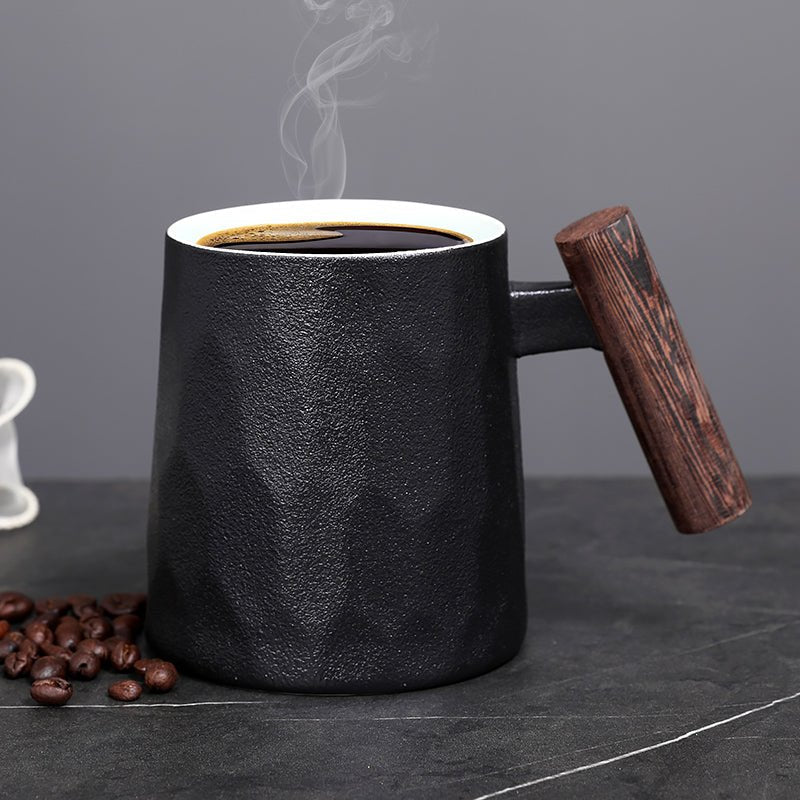
Huge Mugs for Tea: How to Choose the Right Size and Shape
Huge mugs for tea cut down refills, but the wrong shape can make a mug awkward, heavy, or hard to keep warm. Here’s how we size them, what materials hold up, and which styles fit daily use.
Leer más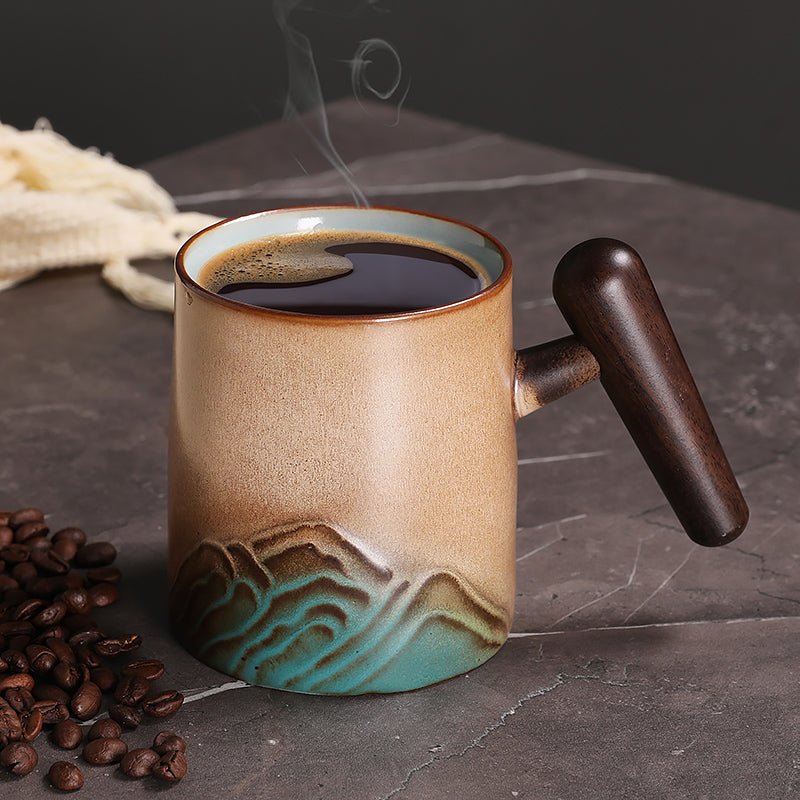
Large Mugs for Tea: How to Choose the Right Size and Shape
A practical buying guide for large mugs for tea, with size, shape, handle comfort, and cleaning trade-offs that matter in daily use. Use it to narrow down the right mug before you buy.
Leer más
Dejar un comentario
Este sitio está protegido por hCaptcha y se aplican la Política de privacidad de hCaptcha y los Términos del servicio.