
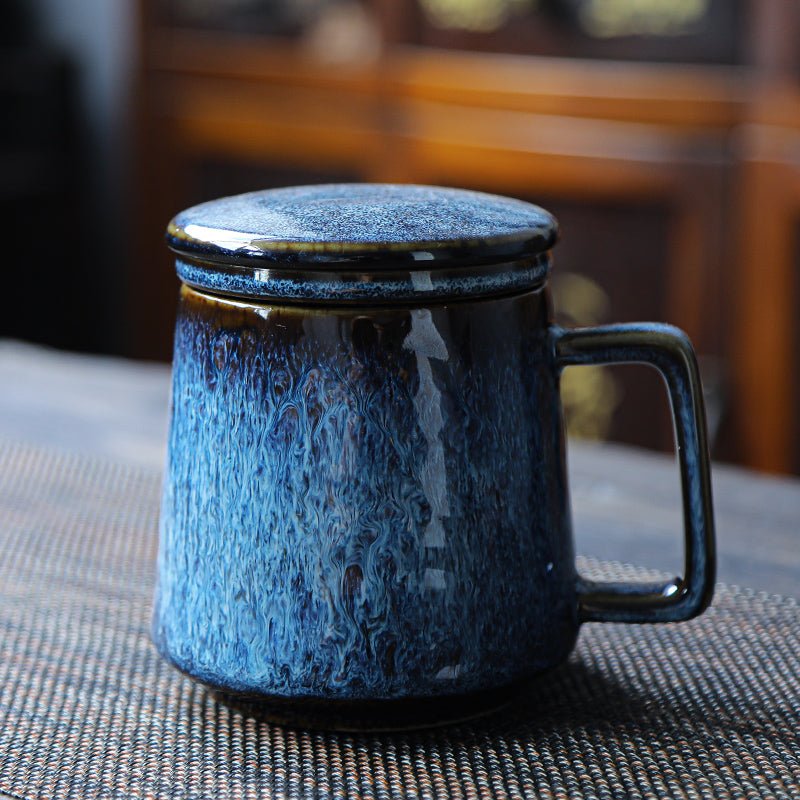
How to Get Coffee Stains Out of Mug Without Damaging the Finish
Reading time: about 9 minutes
A mug left on a kitchen counter overnight usually tells the story by morning. The coffee line sits just above the bottom, the rim looks a shade darker, and the inside can feel rough even before you see the stain. We see the same thing happen at office desks, in break rooms, and in mugs that get refilled three times before lunch.
If you are trying to figure out how to get coffee stains out of mug without ruining the finish, the safest answer is usually boring on purpose: warm water, a mild cleaner, a soft sponge, and patience. The hard part is knowing when a stain is just dried coffee and when it is actually trapped in the glaze or a small crack.
Why do coffee stains cling to some mugs more than others?
Coffee leaves behind tannins, which are the brown compounds that love to hang on to ceramic surfaces. Add hard water, a few micro-scratches from years of use, and a mug that sits half-full on a desk all afternoon, and the stain gets harder to remove. In our experience, the mugs that stain fastest are the ones that look fine from a distance but have a slightly worn interior finish.
There are a few common reasons one mug cleans up easily while another keeps a brown shadow:
- Porous or worn glaze: Even a glazed mug can pick up stain if the surface has tiny scratches.
- Hard-water residue: Coffee and mineral film often combine into one dull ring.
- Deep interior curves: Tall mugs and narrow bottoms trap residue where a sponge does not reach well.
- Crazing or hairline cracks: If the glaze has tiny crack lines, the stain may sit inside them instead of on top of the surface.
That last one matters. If the stain is inside crazing, you may be able to lighten it, but you will not always get the mug back to perfect white. That is not a cleaning failure. It is a sign the surface itself has changed.
For shoppers replacing a mug that has seen better days, we usually point people toward a smooth everyday shape first. Our Round Coffee Tea Mug is easy to rinse and wipe because the interior is straightforward to reach. If you want to compare shapes and finishes side by side, start with our full collection.
What is the safest first-cleaning method for fresh coffee stains?
If the stain is fresh, do not jump straight to abrasive pads. The quickest safe method is a warm soak followed by a gentle scrub. That works on most glazed ceramic mugs and keeps you from roughing up the finish.
- Rinse the mug with warm water as soon as you can.
- Add a few drops of dish soap and fill it with warm water.
- Let it sit for 5 to 10 minutes so the dried coffee softens.
- Sprinkle in a little baking soda and scrub with a soft sponge or cloth.
- Rinse well and dry with a clean towel so no residue stays behind.
For most everyday mugs, that is enough. If you are dealing with a white interior that gets daily use, this gentle routine does more for the finish than any aggressive scrubbing ever will. It also keeps printed mugs safer, especially if the design sits on the inside lip or near the handle.
If you want a mug that is easy to clean after those routine wash cycles, the Emerald Coffee Tea Mug is a practical place to start. The shape and surface are the kind of things that make a difference after the tenth wash, not just on day one.
Which cleaning method works on stubborn brown rings?
Older stains need a little more contact time. We usually separate stubborn coffee marks into two buckets: dried coffee alone, and coffee plus mineral buildup. The method changes slightly depending on which one you are dealing with.
| Method | Best for | Watch out for |
|---|---|---|
| Baking soda paste | Brown coffee marks on glazed ceramic | Use a soft sponge, not a scouring pad |
| Warm soapy soak | Fresh or moderate stains | May need a second pass if the stain is old |
| Diluted white vinegar | Stain mixed with hard-water film | Rinse fully and avoid long soaks on decorated mugs |
| Soft bottle brush | Tall mugs or narrow interiors | Good tool, but do not use it aggressively on printed surfaces |
Baking soda works because it gives you gentle abrasion without the scratch marks that come from steel wool or harsh powders. White vinegar helps more when the stain is partly mineral buildup. If your mug is a tall profile and the stain sits low in the cup, a long soft brush helps reach the bottom without forcing you to grind the sponge into the glaze.
That is one reason some people prefer a simpler mug shape for daily use. A mug with a less dramatic interior curve is easier to keep clean after a long morning at the desk. If you want a taller silhouette, the Landscape Tall Coffee Tea Mug is still a sensible choice, but it is better paired with a brush for the lower section of the cup.
Which cleaning methods can damage a mug?
Some methods remove coffee stains fast and also remove the finish you want to keep. That trade-off is not worth it for a mug you use every day, especially if it has a printed design, a glossy glaze, or any metallic detail.
We avoid the following on most mugs:
- Steel wool or harsh scouring pads: They can leave visible scratches that stain even faster next time.
- Chlorine bleach on decorated mugs: It may be too aggressive for printed surfaces or decals.
- Long vinegar soaks on special finishes: Helpful for some hard-water film, but not a blanket solution for every mug.
- Boiling water on chipped or cracked mugs: Sudden temperature changes can make damage worse.
If you want a deeper walkthrough of the finish-safe approach, we cover it in How to Get Coffee Stains Out of Mugs Without Damaging the Finish. If your mug already has a delicate surface or a design you want to preserve, that is the version to read before trying stronger cleaners.
We also point readers to How to Remove Coffee Stains from a Mug Without Damaging It when the mug has a printed exterior or a finish that should not be scrubbed aggressively.
How do mug shape and material change cleanup?
Shape matters more than people expect. A mug that feels great in the hand can still be annoying to clean if the interior narrows sharply or the base is deep enough that your sponge loses contact. Material matters too, especially once you start washing the same mug every day.
Here is the practical version we use when helping shoppers choose a daily mug:
- Glazed ceramic: Usually the easiest to clean if the glaze stays intact. Good for everyday coffee and tea.
- Stoneware: Often sturdy and comfortable, but the surface can show wear if the glaze is rougher or the mug has tiny imperfections.
- Printed or decorated finishes: Need softer cleaning so the artwork stays intact over time.
- Tall mugs: Great for larger pours, but the lower interior usually needs a brush.
- Rounder mugs: Easier for quick rinsing and faster drying.
If you are comparing options in our store, the Round Coffee Tea Mug is the simplest to clean after a busy morning. The Landscape Tall Coffee Tea Mug is better if you want more vertical capacity, but it asks for a little more care at the bottom. For shoppers who want a straightforward everyday mug with a polished look, the Emerald Coffee Tea Mug is a solid middle ground.
Our rule is simple: if a mug needs aggressive scrubbing to stay presentable, the mug is asking for the wrong cleaning method or the wrong daily use pattern.
How do you stop coffee stains from coming back?
Prevention is easier than rescue. Once coffee dries, every wash cycle has to work harder, and the mug starts to look older than it really is. This is especially true in offices, where a mug may sit through a meeting or two before anyone remembers to rinse it.
These habits help the most:
- Rinse the mug as soon as you finish your drink.
- Do not leave coffee sitting in the mug overnight unless you plan to soak it.
- Wash after milk drinks as well, since milk residue can cling to the interior.
- Dry the mug fully so mineral spots do not settle in.
- Use the top rack in the dishwasher when the mug is dishwasher-safe, and avoid crowding it against harder items.
If you like to keep a matching set on the counter, a small rotation helps too. One mug in heavy daily use, one in the sink, one clean and ready. That is usually enough to keep coffee from setting into a permanent stain pattern. If you are comparing replacements rather than trying to rescue an old one, browse the full collection and pick the shape that matches your cleaning routine, not just your taste.
Frequently asked questions
Can I use baking soda on a glazed ceramic mug?
Yes. Baking soda is usually the safest first choice for glazed ceramic because it cleans without the harsh abrasion of stronger powders or metal scrubbers. Use a soft sponge and rinse well so no grit stays behind.
Does vinegar remove coffee stains or just hard water?
Vinegar is better at loosening hard-water film, but it can help if the coffee stain is mixed with mineral buildup. For plain dried coffee, baking soda and warm soapy water usually work better.
Why does my mug still have a stain after I wash it?
That usually means the stain has settled into micro-scratches, crazing, or mineral residue that the first wash did not fully remove. Try a soak, then a gentle scrub, and inspect the surface under good light to see whether the mark is on top of the glaze or inside it.
Can I put a stained mug in the dishwasher to fix it?
You can, but a dishwasher cycle is not always strong enough to remove an older coffee ring. It is better as maintenance than as a rescue method, especially if the stain has already dried for days.
What should I do if the mug has a printed design?
Keep the cleaning gentle and avoid abrasive pads, bleach, and long vinegar soaks. Printed surfaces and decals can fade or lift long before the ceramic body shows any damage.
If you want a mug that is easier to keep clean long term, start by comparing the shape and finish of the mugs in our collection, then choose the one that fits your actual routine at home or at the desk. A mug that rinses fast is usually the one that stays looking good the longest.
More from our blog
Read more

Cheap Coffee Mug: What to Check Before You Buy
A cheap coffee mug can be a solid buy if the rim, handle, glaze, and daily care fit how you actually drink coffee. We break down the trade-offs so you can avoid flimsy mugs that chip, stain, or fee...
Leer más
Tal Coffee Mugs: Size, Shape, and Best Picks for Daily Use
Tall mugs change how coffee pours, fits, and stays warm on a desk or kitchen counter. Here’s how to compare tal coffee mugs, what they’re good for, and which styles make sense for daily use.
Leer más
Dejar un comentario
Este sitio está protegido por hCaptcha y se aplican la Política de privacidad de hCaptcha y los Términos del servicio.