
How to Choose a Weighted Coffee Mug That Stays Put
Reading time: about 9 minutes
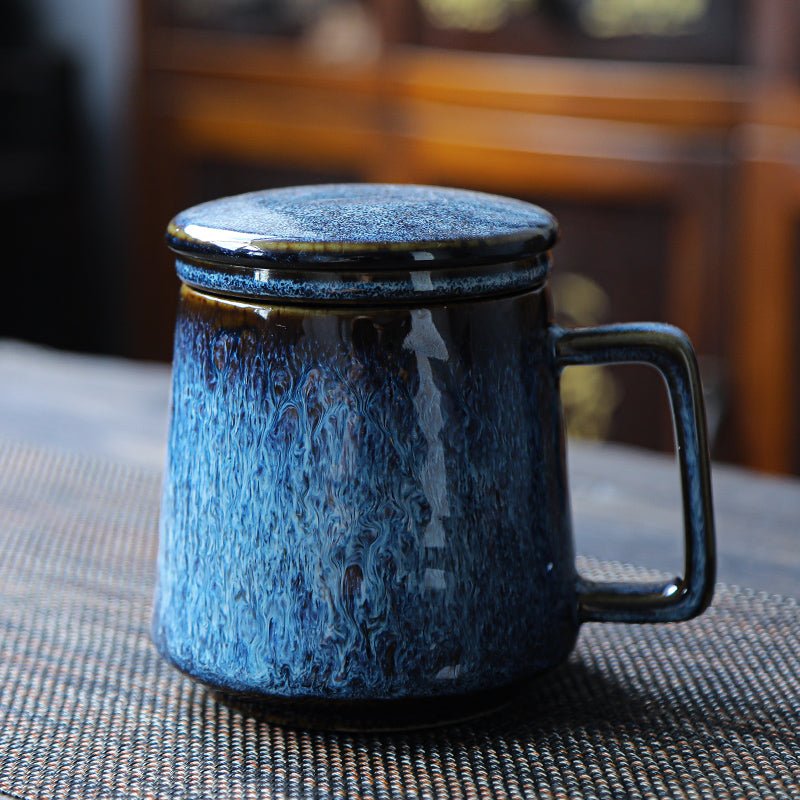
A mug that wobbles on a desk is annoying for about ten seconds, then it becomes the thing you keep adjusting every time you reach for your coffee. A weighted coffee mug solves that problem by feeling more planted in the hand and more stable on the table, which matters a lot if you sip slowly, work near electronics, or just dislike a mug that feels top-heavy.
In our store, the mugs people keep coming back to are the ones that sit flat, feel balanced when full, and do not make a loud clink every time they touch a countertop. That is the real job here: less drama on the desk, more confidence when you set the cup down.
What does a weighted coffee mug actually do?
A weighted coffee mug is not just about being heavy for the sake of it. The useful version has a lower center of gravity, usually from a thicker base, a fuller body, or a shape that spreads weight toward the bottom. That makes the mug feel steadier on smooth surfaces like a glass table, office desk, or kitchen counter.
The difference shows up in small moments. A lighter mug can feel easy to lift, but it may also feel a little fragile when full. A weighted mug feels more deliberate. It sits still when you stir sugar, it is less likely to skate a few millimeters across a polished surface, and it tends to feel better for people who keep a mug beside a keyboard all morning.
That said, heavier is not automatically better. If a mug is heavy because the walls are bulky but the handle is awkward, you will notice that every time you lift it. If the base is heavy but the rim is uncomfortable, the mug still misses the mark. Stability is the goal, not brute weight.
Which details make a mug feel heavier and more stable?
When we evaluate mugs, we look at the parts that affect balance, not just the number on the scale. A mug can feel "weighted" in a useful way even if it is not unusually large. These are the details that change the experience most:
- Base width: A wider base or foot ring usually sits more securely on flat surfaces and reduces the chance of a small nudge turning into a spill.
- Wall thickness: Thicker walls can improve the feel in the hand, but too much bulk can make the mug tiring for long sipping sessions.
- Handle clearance: A handle that gives your fingers room helps the mug feel lighter than it is, because you are not fighting the grip.
- Rim finish: A smooth rim matters more than people expect. A rough or uneven rim is one of the first defects you notice after the unboxing.
- Foot ring quality: A chipped or uneven foot ring can make a mug rock on the counter, which defeats the whole point of buying a steadier cup.
For buyers comparing sizes, our 10 oz, 11 oz, and 12 oz guides can help you avoid the common mistake of choosing weight alone and ignoring capacity. If you want a tighter fit for everyday use, see 10 oz Coffee Mug: Size, Fit, and What to Check Before You Buy, 11 oz Coffee Mug: Size, Fit, and What to Check Before You Buy, and 12 oz Coffee Mug Buying Guide for Fit, Comfort, and Daily Use.
| What you notice | What it usually means | What to check |
|---|---|---|
| Mug rocks on the counter | Uneven base or poor foot ring finish | Set it on a truly flat surface before you buy if possible |
| Feels heavy but awkward | Weight is high in the body, not the base | Check handle placement and balance when full |
| Feels sturdy but easy to hold | Good balance, not just mass | Look for a comfortable handle opening and a solid base |
| Rim feels rough | Glaze or finishing issue | Inspect the drinking edge and interior lip carefully |
Which mug shape should you choose for desk use or gifting?
Shape changes how a mug behaves more than most shoppers expect. A more compact silhouette usually feels planted. A taller or more tapered mug can still work, but it tends to feel lighter at the base unless the bottom is built up deliberately. If you want a mug that looks good on a desk and feels dependable in the hand, the silhouette matters as much as the capacity.
Three options in our lineup are easy starting points: the Spittoon Coffee Tea Mug, the Planet Coffee Tea Mug, and the Rhombus Coffee Tea Mug. Each one gives a slightly different feel in the hand and a different visual weight on the desk, which is useful if you are buying for yourself or trying to match someone else's taste.
If you want to compare the full range before picking a style, start with our all mugs collection. That is the fastest way to scan the lineup without opening every product one by one.
| Buyer need | What usually works best | Trade-off |
|---|---|---|
| Desk mug that stays put | Shorter, broader silhouette with a solid base | May take more shelf space |
| Gift for someone picky | Distinctive shape with a clean finish | Style is personal, so not every shape suits every buyer |
| Everyday kitchen mug | Balanced handle and moderate capacity | Not ideal if you want something ultra-light for quick drinks |
Is a weighted coffee mug a good fit for your routine?
For a lot of buyers, yes. A weighted coffee mug makes the most sense if you drink at a desk, keep your mug near a laptop, or prefer a cup that feels steady during long work sessions. It also makes sense if you dislike mugs that feel flimsy when full.
It is not the best choice for every situation. If you commute with coffee, keep your mug in a bag, or want something ultra-light for travel, a heavier mug can be the wrong tool. The same goes for small hands if the body is too broad or the handle opening is tight. In those cases, comfort and portability matter more than the planted feel.
We also see a simple sizing issue trip people up. A mug can be stable and still be the wrong capacity for your drink habits. If you usually pour 10 ounces and never refill, a larger mug can cool too slowly or feel overbuilt. If you prefer room for milk, foam, or a longer pour, 11 or 12 ounces may be the better fit. That is why shape and size should be chosen together, not separately.
One practical rule we use: if the mug will live on a kitchen counter, office desk, or bedside table, prioritize balance and base stability. If the mug needs to move around a lot, prioritize lighter weight and a comfortable handle, even if it is not as planted.
What should you check before buying one online?
Online photos can hide the details that matter, so we look for a few concrete signals before we recommend a mug. These checks are simple, but they save you from a lot of buyer's remorse.
- Read the shape carefully. A mug that looks sturdy in a photo may still have a narrow base or a tall profile that feels less stable in person.
- Look for rim and handle photos. Close shots tell you more than a lifestyle image. You want a smooth rim, a handle with enough finger room, and no visible rough edges.
- Check care expectations. If you plan to use a dishwasher, choose a mug that can handle repeated cycles without showing glaze wear too quickly. If the finish is delicate, hand washing is the safer route.
- Watch for common defect modes. Small chips on the foot ring, uneven glaze near the handle, or a mug that does not sit flat are the problems we notice fastest when unboxing and inspecting stock.
- Match the mug to the drink. If you mostly drink black coffee, a moderate size works well. If you add milk or extra water, a slightly larger cup may be more useful than a very compact one.
A mug should feel calm to use. If it asks you to keep re-centering it on the desk, that is a sign the shape is wrong, even if the design looks good in photos.
We handle mugs as working objects, not just shelf pieces. That means we care about what happens on a real counter after a few dishwasher cycles, after one small bump into a keyboard, and after a stack of mugs gets pulled apart in the morning rush.
How do you care for a heavier mug so it lasts?
Most damage we see is preventable. The usual culprits are stacking too tightly, setting a hot mug onto a very cold surface repeatedly, and letting hard water marks build up around the rim and handle. None of that is dramatic, but over time it can make a good mug look tired.
- Let the mug cool a bit before washing if it has just been used for a very hot drink.
- Do not slam it into the sink or counter. A heavier mug can chip at the foot ring faster than you expect.
- If you stack mugs, check that the rims are not rubbing hard against each other.
- Use a soft sponge on printed or decorated surfaces so the finish stays cleaner longer.
- If the mug is dishwasher-safe, give it room in the rack so it does not knock into plates or utensils.
Those habits sound basic, but they matter more with a weighted mug because the same mass that makes it feel stable can also make chips and edge wear more obvious if you handle it carelessly.
Frequently asked questions
Is a weighted coffee mug better for a desk?
Usually, yes. A weighted coffee mug feels more secure on a desk because it resists small bumps and does not slide as easily on smooth surfaces. If your mug sits next to a laptop, notebook, or keyboard all day, that extra stability is useful.
Are weighted coffee mugs good for the dishwasher?
They can be, but the finish matters. A sturdy ceramic mug with a decent glaze generally holds up well, while a mug with a delicate printed surface or rough foot ring may show wear sooner. If you want the safest path, check the product care details and leave enough space in the rack so it does not strike other dishes.
What size should I buy if I want a weighted feel?
Size and weight should work together. A 10 oz mug can feel compact and controlled, while 11 oz or 12 oz can be better if you like room for milk, foam, or a longer pour. If you are undecided, start by reading a capacity guide before choosing the style.
Does a heavier mug mean better quality?
No. A mug can be heavy and still have a poor handle, a rough rim, or an uneven base. Better quality shows up in balance, finish, and comfort in the hand, not just mass.
What should I avoid in a weighted coffee mug?
Avoid a mug that feels bottom-heavy but awkward to lift, a rough drinking edge, or a base that rocks on a flat counter. Also avoid buying purely for looks if the mug will be used every day. A pretty mug that is tiring to hold or hard to clean will end up staying in the cabinet.
If you want the shortest path to a good choice, compare the Spittoon Coffee Tea Mug, Planet Coffee Tea Mug, and Rhombus Coffee Tea Mug, then open the all mugs collection and match the shape to your desk, your hand size, and the drink you actually make every day.
Read more
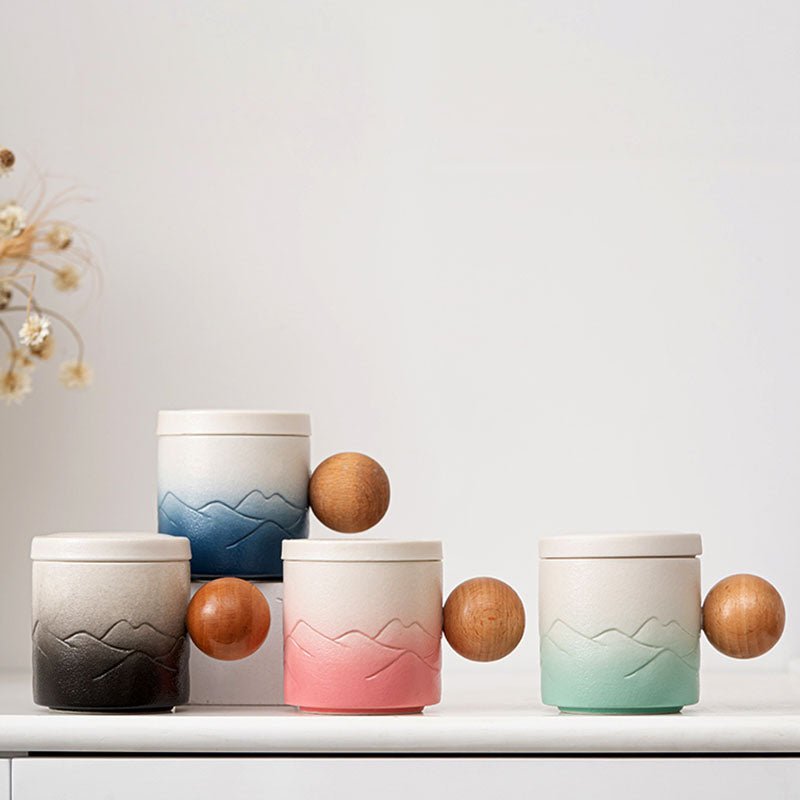
Coffee Mugs on the Go: What to Buy for Commutes and Daily Carry
A practical guide to coffee mugs on the go, with real trade-offs on spill control, hand feel, cleaning, and desk-to-commute use. See which styles fit daily carry and which ones are better left at h...
Leer más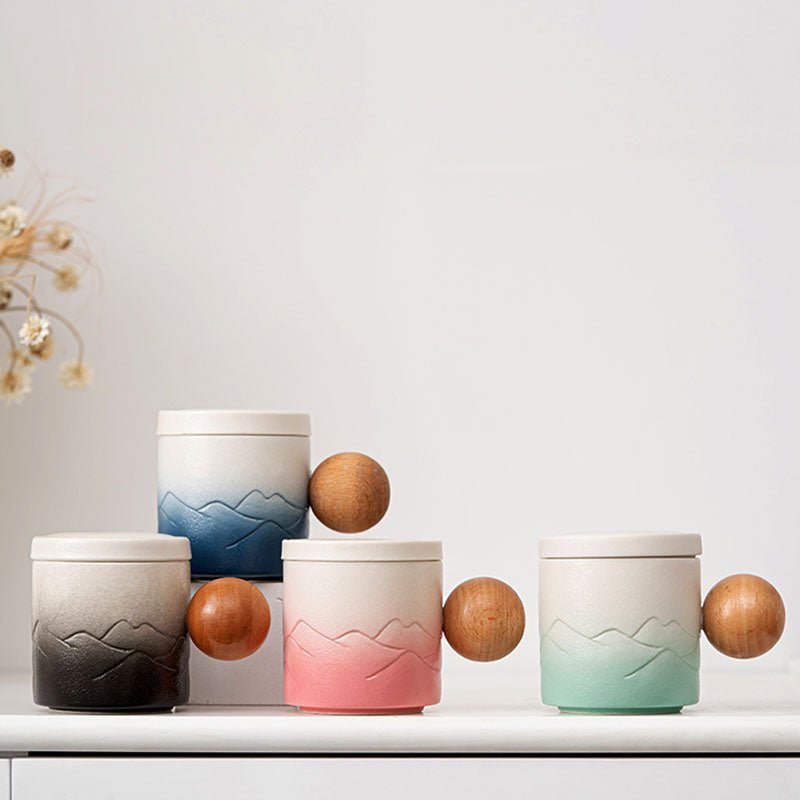
Sea Turtle Coffee Mug Buying Guide for Size, Gift Use, and Care
A sea turtle coffee mug should feel easy to hold, fit the way you drink, and hold up in real kitchen use. We break down size, handle style, care, and gift fit before you buy.
Leer más
Dejar un comentario
Este sitio está protegido por hCaptcha y se aplican la Política de privacidad de hCaptcha y los Términos del servicio.