
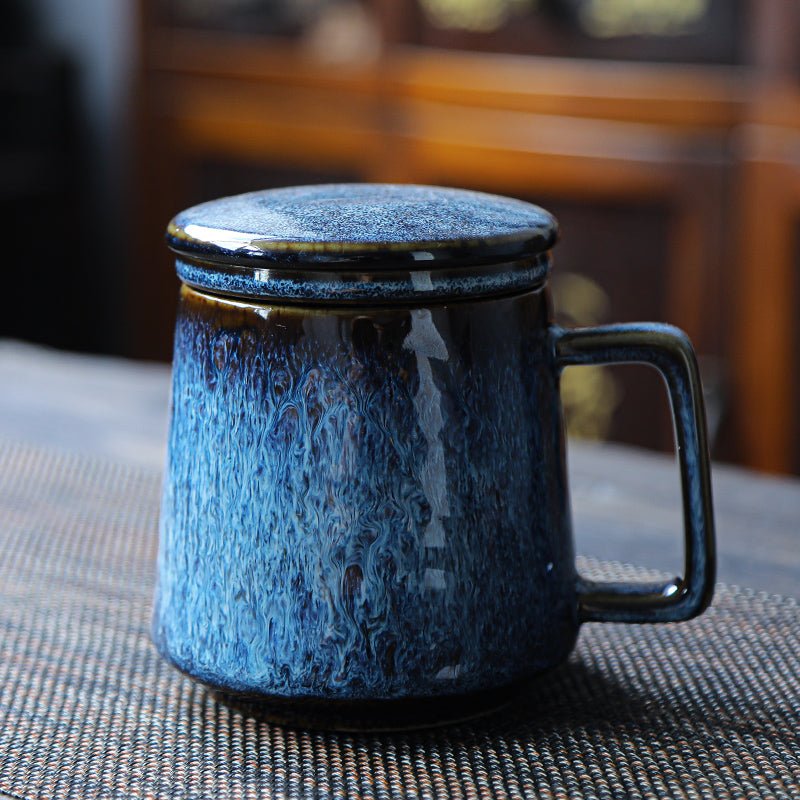
How to Choose a Coffee Mug Wall Holder for Real Kitchens
Reading time: about 8 minutes
A crowded counter is usually the first sign that a coffee mug wall holder will actually earn its keep. The mugs that get used every day start stacking near the sink, one handle catches another, and the cabinet you meant to keep organized turns into a pile of mismatched cups.
We see that pattern a lot in our store conversations. People are not only trying to store mugs, they are trying to make the kitchen easier to use. A good coffee mug wall holder should free counter space, keep handles reachable, and hold up to daily use without wobbling or chewing up the wall behind it.
What should a coffee mug wall holder solve first?
The best coffee mug wall holder is the one that solves the specific problem in your room. For some buyers, that means clearing a tiny kitchen counter. For others, it means giving a coffee station a finished look instead of hiding everything inside a cabinet.
In our experience, the right fit depends on three things:
- How often you reach for the mugs - daily-use cups should be easy to grab without shifting three others out of the way.
- How much wall space you really have - a narrow wall beside a coffee maker needs a different footprint than a full breakfast nook.
- What the mugs weigh and how their handles sit - heavy stoneware and oversized handles demand more clearance and a more rigid rack.
If you want a wall display that also looks good when the room is open to guests, choose mugs that can carry their own visual weight. We often point shoppers to pieces like the Christmas Coffee Tea Mug, the Green Waves Coffee Tea Mug, and the Mountain Sea II Coffee Tea Mug with Wooden Handle because they look intentional on display, not just stored away.
Which mounting style is right for your wall?
Not every wall can take the same hardware. A coffee mug wall holder that looks sturdy in a product photo can behave very differently once it is loaded with ceramic mugs and daily use starts tugging on the hooks.
| Mounting style | Best for | Trade-off | What we look for |
|---|---|---|---|
| Screw-mounted rack | Most kitchens and coffee corners | Needs proper anchors or studs | Two or more solid fastening points and a rigid backplate |
| Rail with hooks | Flexible layouts and mixed mug sizes | Hooks can shift if the rail is flimsy | Hooks that do not twist under load |
| Side-mounted or cabinet-adjacent holder | Small kitchens with little open wall space | Can interfere with cabinet doors if placed too high | Enough clearance for the mug handle to clear the cabinet edge |
| Decorative wall display | Gift corners and visible coffee bars | Usually better for lighter everyday mugs than heavy stoneware | A finish that does not chip where cups touch the holder |
For most shoppers, a screw-mounted design is the safest starting point. Adhesive-only setups can work for very light items, but we do not recommend them for a full mug set. The load is uneven, and a pulled adhesive mount can leave both the mug and the wall in bad shape.
If you want a deeper buying checklist, our earlier guides on Coffee Mug Holder Wall: How to Choose the Right Fit for Your Kitchen and Wall Mounted Coffee Mug Holder Buying Guide for Real Kitchens cover fit and mounting in more detail.
What details separate a sturdy holder from a flimsy one?
A holder can look fine in a photo and still fail in a real kitchen. The weak points usually show up after a few weeks of use: the hooks start to flex, the finish chips where mugs rub against it, or the whole rack starts to lean because the fasteners are too light for the wall type.
Here are the details we check first when we inspect this category:
- Hook thickness - thin wire hooks can bend under repeated use, especially with heavier ceramic mugs.
- Mounting hardware - screws that are too short are a common cause of wobble and pullout.
- Finish quality - painted or coated surfaces should be smooth enough that mug rims and handles do not scrape off the coating.
- Spacing between hooks - too little room creates clanking, chipped glaze, and awkward handle overlap.
- Backplate rigidity - if the frame flexes when you lift a mug, it will feel cheap even if it looks good on the wall.
Wood details need their own attention. A wooden accent or handle can look warm and handmade, but it should be sealed well and easy to wipe clean. If the finish is rough, the edge closest to the wall can start wearing down where mugs touch and hang.
Our practical rule: if a holder feels light in the hand but must support a row of ceramic mugs, check the mounting points before anything else. The wall attachment is usually the difference between a neat display and a noisy one.
How do you choose one for the mugs you actually use?
Shopper mistakes usually happen here. People buy a holder for the idea of a mug display, then discover their real mugs are too tall, too wide, or too heavy for the spacing. A coffee mug wall holder is best matched to the mugs already living in your kitchen, not an idealized set from a styling photo.
Think about the mugs you reach for most:
- Standard ceramic mugs usually fit most wall racks well and are the safest choice for daily display.
- Oversized stoneware mugs may need wider hook spacing and stronger anchors.
- Mugs with wooden handles can look great on a visible wall, but the handle finish should be cared for with a gentle wipe, not soaked repeatedly.
- Travel tumblers and insulated cups are often a poor match for this category because their shape and grip points do not hang neatly.
We also see the difference after real use. A mug that feels balanced in the hand is much easier to hang and remove without knocking the cup beside it. That is why a display-first mug can be a better pairing for a wall rack than a bulky everyday cup.
If you want to compare more shapes before choosing a holder setup, start with our all products collection and look at handle shape, rim height, and overall profile side by side. For a few more decision points, Coffee Mug Wall Hanging: What to Check Before You Buy is useful if you want a second pass before ordering.
Where does a coffee mug wall holder lose to another storage option?
A wall holder is not the right answer for every home. We would rather say that plainly than pretend it solves every storage problem.
It is usually not the best pick if:
- You rent and cannot make permanent wall changes.
- The wall is tiled, uneven, or already crowded with outlets and cabinets.
- Your mugs are very heavy and you do not want to use proper anchors or studs.
- You want your cups completely hidden from view.
- You need storage that can move easily when the room layout changes.
In those cases, a countertop rack, cabinet shelf, or tree-style stand may make more sense. Those formats are often better if you want portability or if the wall area near your coffee station already has too many obstacles. A holder on the wall is a commitment; it works best when the layout is stable and the mugs are part of the room.
What setup works best in a kitchen, office, or gift corner?
The ideal setup changes with the space. We do not treat a kitchen, office, and gift display the same way because the way people reach for mugs is different in each one.
| Space | What to prioritize | What to avoid |
|---|---|---|
| Kitchen coffee station | Easy reach, sturdy mounting, wipe-clean finish | Hooks packed too close together |
| Office kitchenette | Simple layout, low visual clutter, mug variety | Decorative racks that are hard to clean |
| Gift corner or retail display | Good spacing, visual balance, mugs that look intentional on the wall | Heavy mugs on weak mounting hardware |
For a kitchen, we usually favor function first. In an office, appearance matters a bit more because the wall holder becomes part of the room's tone. For a gift corner, the holder should help the mugs feel curated, not crowded. That is where a cleaner display piece and a few well-chosen mugs can matter more than sheer capacity.
Frequently asked questions
How much weight can a coffee mug wall holder hold?
It depends on the holder design, the wall material, and the hardware used. A well-mounted rack on studs or proper anchors will outperform a light decorative piece every time. If the frame flexes when you load a mug, stop there and upgrade the fastening before filling it.
Do I need studs for a wall-mounted mug holder?
For the safest install, yes, studs are the best option when the layout allows it. If studs are not available, use anchors that match the wall type and the expected load. Drywall alone is not a good place to trust a full row of ceramic mugs.
Are wall mug holders good for large stoneware mugs?
They can be, but only if the hooks are spaced well and the mounting is rigid. Large stoneware mugs create more leverage and are more likely to knock into each other. If your mugs are especially bulky, a countertop rack may be the lower-risk option.
What is the easiest way to clean a mug holder?
Wipe it with a dry or lightly damp cloth and dry it right away, especially if the finish is painted or powder-coated. Do not let coffee drips or dishwasher runoff sit on the rack, because that can stain the finish over time. If the holder has wood parts, keep the cleaning even gentler.
Can I use a coffee mug wall holder in a rental kitchen?
Sometimes, but only if your lease allows wall mounting and you can patch the holes later. If you want zero wall damage, a countertop or cabinet-based solution is safer. For many renters, a removable display stand is the easier choice.
If you are comparing options right now, use this short checklist before you buy: confirm the wall type, measure the space where the mug handles will swing, choose a holder with solid mounting points, and pick mugs that fit the display instead of forcing the rack to fit the mugs. Then browse our all products collection and choose the set that matches the way you actually make coffee every morning.
Read more
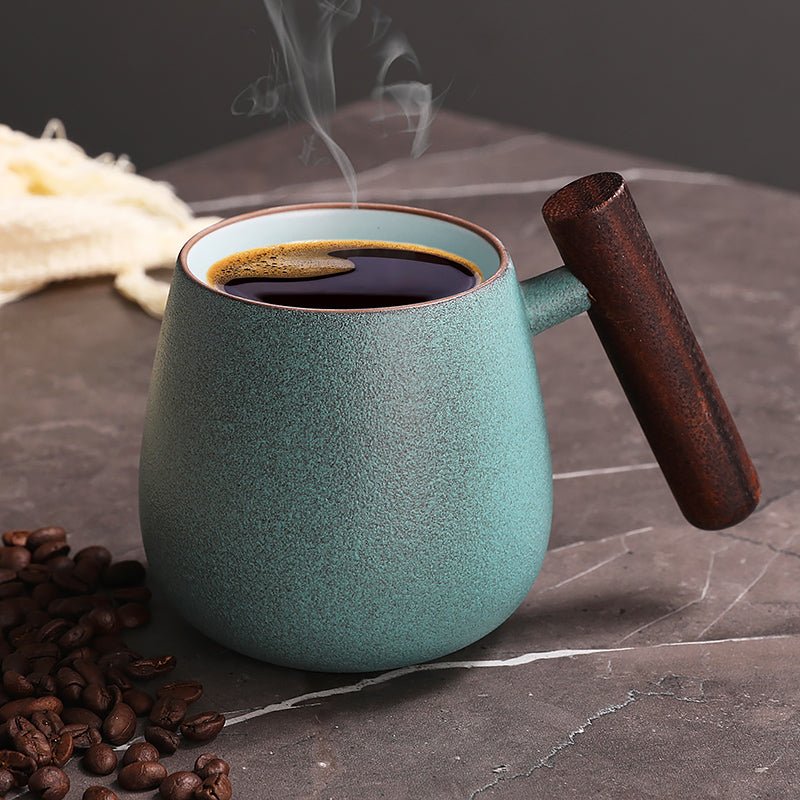
Fiesta Ware Coffee Mugs: What to Check Before You Buy
A practical buying guide for fiesta ware coffee mugs, covering size, glaze, handle comfort, care, and when a different mug style is the better buy.
Leer más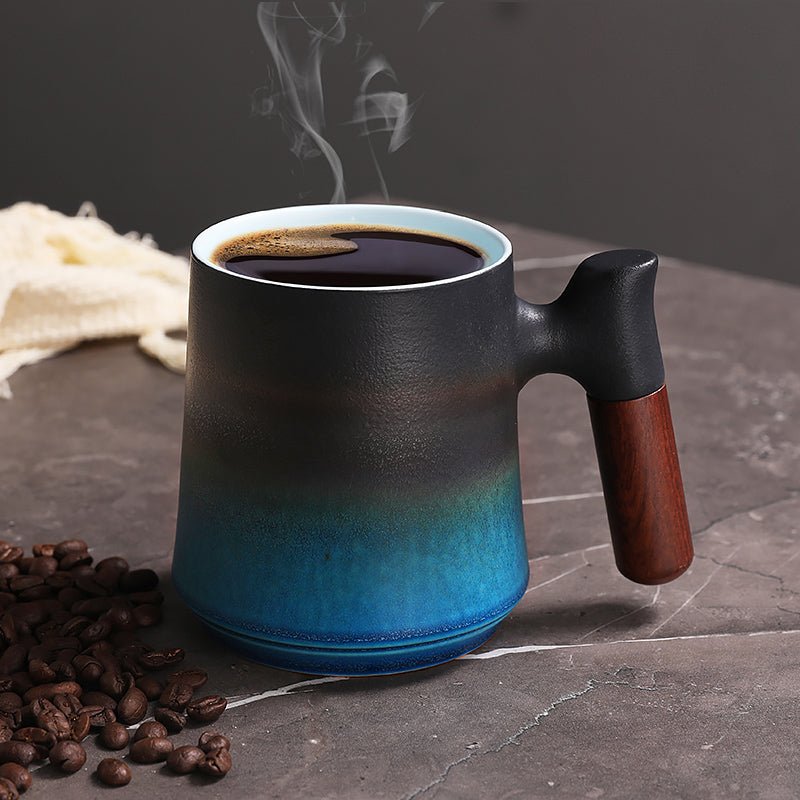
Giant Ceramic Coffee Mugs: How to Choose the Right One
A practical guide to giant ceramic coffee mugs, including what to check for size, weight, handle comfort, and everyday care. We also compare a few store options so you can pick the right mug for yo...
Leer más
Dejar un comentario
Este sitio está protegido por hCaptcha y se aplican la Política de privacidad de hCaptcha y los Términos del servicio.