
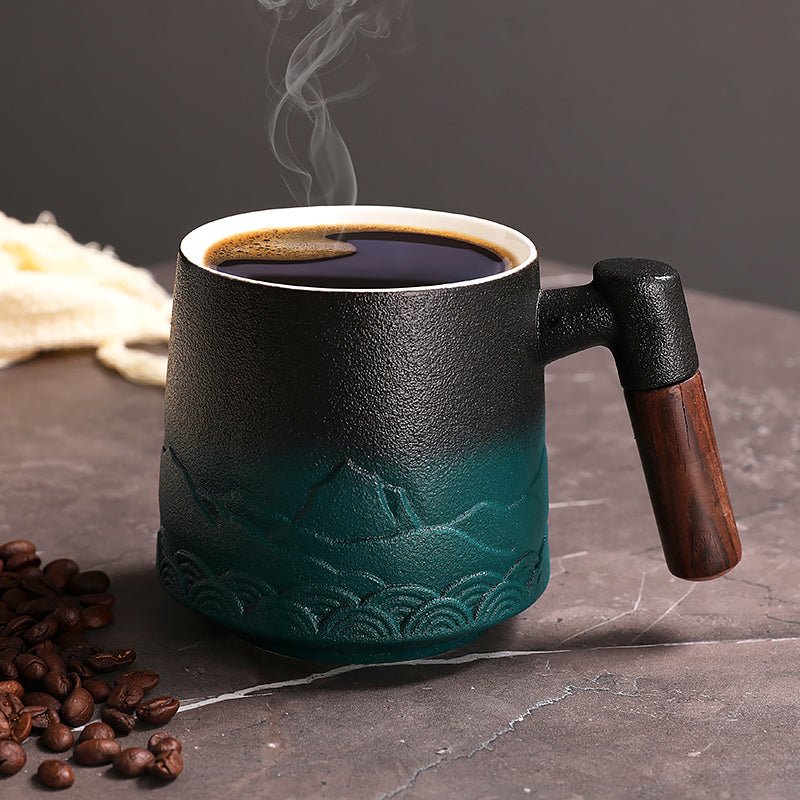
How Much Caffeine Is in a Mug of Coffee? A Practical Guide
Reading time: about 8 minutes
How much caffeine is in a mug of coffee?
A mug on the counter can look like one simple serving, but caffeine does not work that neatly. In a typical brewed coffee mug, the total often lands somewhere around 80 mg to 180 mg, depending on the mug size, how the coffee was brewed, and how strong the coffee bed was to begin with.
That is why a shopper comparing mugs is really comparing serving size. A 10 oz mug, an 11 oz mug, and a 12 oz mug can all feel similar in the hand, yet they can lead to very different coffee habits over a week.
In our store, we see buyers use a mug for one of two jobs: a measured morning pour that ends cleanly, or a larger desk cup that gets refilled without much thought. If you are choosing for the first case, our Ball Handled Coffee Tea Mug is a practical place to start, and the full All collection makes it easy to compare shapes side by side.
If you want the short answer, a mug is not one caffeine number. It is a range shaped by volume and brew style.
Why does mug size change the caffeine total?
Because caffeine is carried by liquid volume, a larger mug usually means more coffee and therefore more caffeine. That sounds obvious, but it is easy to miss when a mug looks only slightly bigger on the shelf. In practice, that extra ounce or two changes the serving more than many shoppers expect.
| Mug size | Typical brewed coffee caffeine | What buyers usually notice |
|---|---|---|
| 8 oz | About 80 mg to 120 mg | A smaller, more controlled serving that cools faster if you sip slowly |
| 10 oz | About 100 mg to 150 mg | A common everyday mug size for one steady morning cup |
| 11 oz | About 110 mg to 165 mg | A middle-ground size that still feels easy to hold and finish |
| 12 oz | About 120 mg to 180 mg | A fuller pour that can quietly become a bigger caffeine hit |
| 16 oz | About 160 mg to 240 mg | Better for long desk sessions, but easy to overserve if you are watching intake |
These are estimates, not fixed labels. The same mug can hold very different caffeine loads if one person fills it with a light drip coffee and another fills it with a dense French press pour.
There is also a practical mug detail that matters more than people think: opening width. A wider mug tends to cool faster, which can change how the coffee tastes before you finish it. A narrower mug holds heat a bit longer, which is useful if you drink slowly at a kitchen table or office desk.
A dark roast can taste stronger without having more caffeine. Roast level changes flavor more than the caffeine math in the cup.
Which brewing method changes the caffeine most?
The mug size matters, but the brewing method can move the number just as much. Two mugs of the same size can feel completely different if one came from drip coffee and the other came from a concentrated brew.
- Drip or filter coffee: Usually the most familiar everyday reference point. The caffeine level tends to feel moderate and predictable when the coffee-to-water ratio stays consistent.
- Espresso-based drinks: Small in volume, but concentrated. A single shot can be modest on its own, while a two-shot drink in a mug can add up fast.
- French press: Can run stronger if the grind is coarse but the coffee dose is high. A full mug can feel heavier than the same-sized drip pour.
- Pour-over: Often more controlled, but the final caffeine depends on how much ground coffee is used and how long the water stays in contact with it.
- Cold brew: Usually the hardest to estimate at a glance. Some batches are mild, some are very concentrated, and dilution makes a big difference.
The trade-off is simple. A bigger mug is convenient, but the convenience can hide a stronger drink. If you are trying to keep caffeine predictable, choose the mug size first, then match the brew style to that serving.
That is also why a large mug is not always the best choice. If you want one clean serving and you are sensitive to caffeine, a 16 oz mug invites overserving. A smaller mug is the safer tool.
Which mug should you buy for your routine?
In our experience, mug buyers usually fall into three camps. Some want a small, controlled cup that ends before the coffee gets cold. Some want a comfortable daily mug for desk work. Others want a display-worthy shape that still works for tea or coffee without feeling too formal.
If you want a handled everyday option that feels straightforward at a kitchen counter or office desk, the Ball Handled Coffee Tea Mug is worth a look. If you prefer a more sculpted presentation, compare the Pleated Coffee Tea Cup and the Golden Waves Kio Coffee Tea Mug. They serve the same general purpose, but the feel in hand and on the table can be very different.
If you are deciding between sizes, our 10 oz Coffee Mug: Size, Fit, and What to Check Before You Buy, 11 oz Coffee Mug: Size, Fit, and What Buyers Should Check Before They Buy, and 12 oz Coffee Mug Buying Guide for Fit, Comfort, and Daily Use are the best follow-ups. We wrote those to help shoppers compare what actually fits on a shelf, in a hand, and in a morning routine.
What a mug is not good for: if you are trying to keep intake tight and exact, a large decorative mug is a poor choice. It makes it too easy to pour more coffee than you planned.
What should you check before buying a mug for coffee?
The caffeine question gets the attention, but the mug itself still needs to work well in daily use. A mug that looks good online can still be annoying on a real desk if the handle is cramped, the rim feels awkward, or the base wobbles on a coaster.
- Handle clearance: Make sure your fingers fit comfortably, especially if you drink hot coffee and want a secure grip.
- Rim width: A wider rim cools faster and gives a broader sip. A narrower rim keeps heat longer but can feel more concentrated.
- Wall thickness: Thicker ceramic usually feels more substantial and retains heat better, but it adds weight.
- Base stability: A flat, steady base matters on a crowded office desk or a slightly uneven kitchen counter.
- Glaze and finish: Look for a smooth surface without rough spots, pinholes, or obvious crazing, since those are the things that age badly with repeated use.
- Care routine: If you use the mug daily, think about how it will hold up through repeated washing and drying rather than how it looks on day one.
These are the details that generic product pages skip. They are also the details that decide whether a mug becomes an everyday favorite or a cabinet leftover.
A practical mug does not need to be fancy. It needs to pour well, sit safely, and feel right when half full and carried from counter to desk.
How do you keep caffeine predictable from cup to cup?
If you want to stop guessing, treat coffee like a repeatable recipe. The mug is only one variable. The grounds, water, and brew time matter just as much.
- Use the same mug size each day. This is the simplest way to keep your serving stable.
- Measure your coffee grounds. A spoonful by eye is where most caffeine drift starts.
- Keep the brew method consistent. Drip one day and French press the next will not give you the same result.
- Do not use roast color as a caffeine shortcut. Light and dark roasts can taste very different without creating a meaningful caffeine rule you can rely on.
- Watch refill habits. A second half-mug often adds more caffeine than people realize because it feels like a small top-up.
If your goal is one mug and done, choose a mug that fits that habit instead of one that tempts you into a second pour. That is the most reliable way to keep caffeine under control without changing your whole coffee setup.
Frequently asked questions
How much caffeine is in a 12 oz mug of coffee?
A 12 oz mug of brewed coffee often lands somewhere around 120 mg to 180 mg of caffeine, but the brew method can shift that a lot. A stronger French press or a concentrated pour-over can push higher than a mild drip coffee in the same mug.
Is a mug of coffee stronger than espresso?
Not automatically. Espresso is more concentrated by volume, but a full mug of brewed coffee can contain more total caffeine because there is simply more liquid in the cup. The total depends on how much coffee was used and how the drink was made.
Does dark roast coffee have more caffeine than light roast?
No rule like that holds up in daily buying. Dark roast often tastes bolder and less acidic, but caffeine is driven more by bean amount and brewing method than by roast color alone.
What mug size is best if I only want one serving?
A 10 oz or 11 oz mug is usually a safer everyday size if you want one serving without drifting into a refill. A 12 oz mug still works, but it is easier to pour more than you intended.
Can the mug itself change how coffee tastes?
Yes. A thicker ceramic mug holds heat differently than a thin cup, and rim shape changes how the coffee hits your palate. That does not change the caffeine content, but it does change the drinking experience enough that buyers notice it quickly.
If you are still deciding, start with the serving size you actually drink, then compare mug shapes in our All collection. If you want a smaller, more controlled daily cup, work backward from that habit and pick the mug that fits it best.
Read more
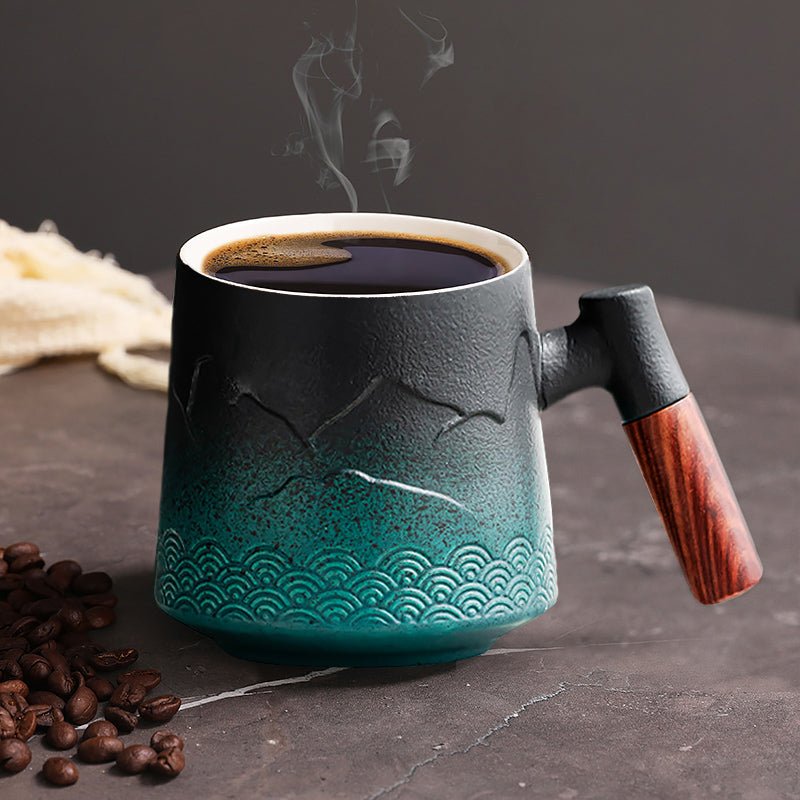
Coffee Mug With Mushrooms: How to Choose the Right One
A coffee mug with mushrooms should do more than look good on a shelf. This guide covers size, handle comfort, care, and the trade-offs that matter before you buy.
Leer más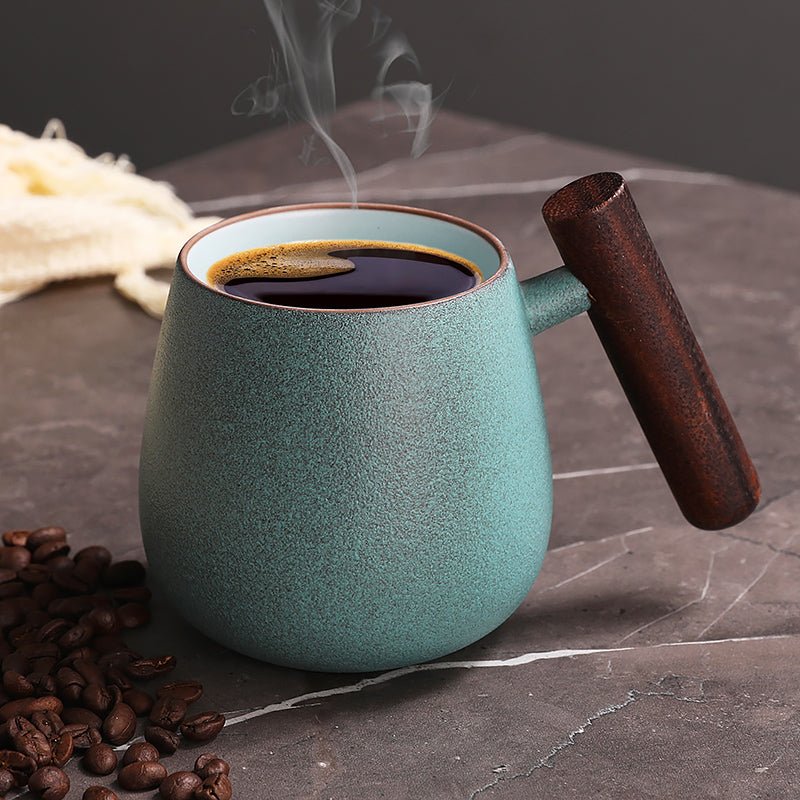
Coffee Mug 15 oz: Fit, Comfort, and What Buyers Should Check
A practical guide to choosing a coffee mug 15 oz for daily coffee, tea, desk use, and gifting. We cover fit, comfort, trade-offs, and which styles make sense before you buy.
Leer más
Dejar un comentario
Este sitio está protegido por hCaptcha y se aplican la Política de privacidad de hCaptcha y los Términos del servicio.