
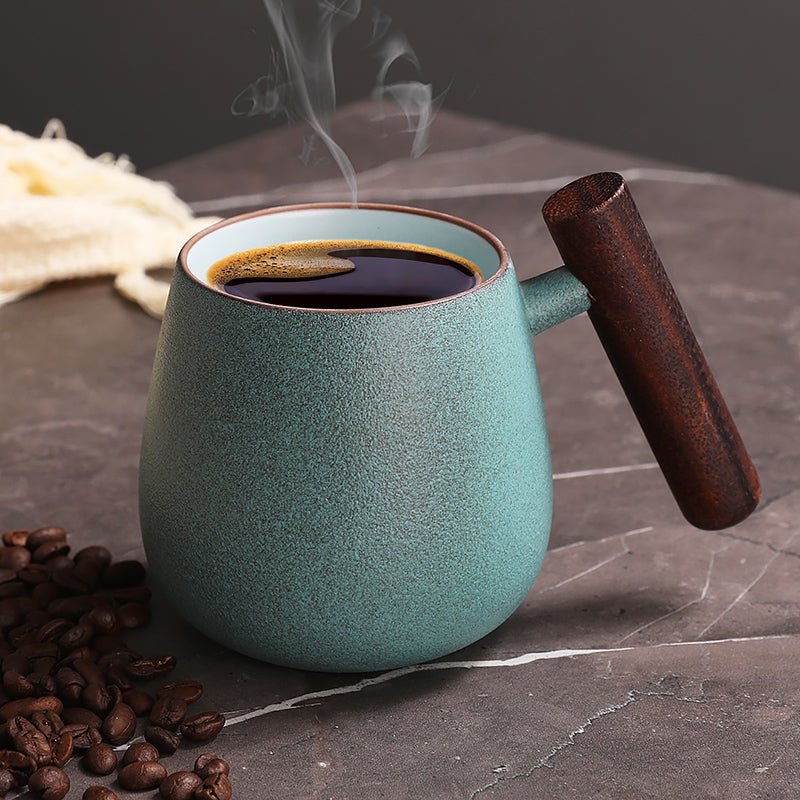
How Many Ounces in a Standard Coffee Mug? Size Guide
Reading time: about 9 minutes
A mug that looks normal on a kitchen counter can hold very different amounts once you actually pour coffee into it. That matters at 7 a.m. if you want room for cream, or at your desk if you only want a small cup that stays hot long enough to finish.
The practical answer to how many ounces in a standard coffee mug is usually 8 to 12 fluid ounces. In retail, though, shoppers often see mugs labeled 11, 12, 14, or even 15 ounces and still treat them as standard because the label is based on brim capacity, not the comfortable fill line.
How many ounces are in a standard coffee mug?
Most everyday coffee mugs land in the 8 to 12 fluid ounce range. An 8 oz mug feels closer to a classic cup size, while a 12 oz mug is what many shoppers picture when they think of a regular coffee mug. Once you move past 12 oz, the mug starts feeling more like a large mug or a bowl-shaped cup, depending on the shape.
Here is the simplest way to think about it:
| Common mug size | What it usually means | Best fit |
|---|---|---|
| 8 oz | Compact, classic cup size | Strong black coffee, espresso-based drinks, smaller servings |
| 10 oz | Common everyday mug | Drip coffee at a desk or kitchen table |
| 12 oz | Full standard mug for many shoppers | Regular coffee with a little milk or foam |
| 14-16 oz | Large mug or oversized mug | Long mornings, tea, or people who want extra room |
That range is why product photos can be misleading. Two mugs can look nearly the same from the front and still differ by several ounces once you look at the opening, the wall thickness, and how much space the handle steals from the interior shape.
Why do two standard mugs hold different amounts?
Capacity is not just height. A mug can be taller, wider, thicker-walled, or more tapered and still end up with a different actual pour volume. The number on the listing is usually a fluid ounce measurement to the brim, not the amount most people realistically drink.
Manufacturer capacity is typically measured to the rim. The comfortable fill line is usually lower, especially if you add milk, foam, or want to carry the mug across a room without spilling.
In our experience handling mugs for a store, the differences that matter most are predictable:
- Wall thickness: thicker ceramic walls reduce interior space, even if the mug looks bulky.
- Rim diameter: a wider opening can make a mug feel larger, but it may not add much capacity.
- Handle cutout: a handle that sits close to the body can reduce the usable interior shape more than shoppers expect.
- Shape: straight-sided mugs usually hold more than tapered mugs with the same height.
Most standard coffee mugs are also somewhere around 3.25 to 4 inches tall with an opening that often falls around 3.25 to 3.75 inches across. Those are normal retail dimensions, not a universal rule, but they help explain why two mugs with the same advertised capacity can still feel different in the hand and on the counter.
How do you measure a mug the right way at home?
If you want the real number, fill the mug with water and pour it into a measuring cup marked in fluid ounces. That gives you a practical capacity check without guessing from the product photo. Do not count the rim as usable space unless you enjoy cleaning coffee off the counter.
Use this quick method:
- Fill the mug with water to the level you would actually drink from, usually just below the rim.
- Pour the water into a liquid measuring cup.
- Read the fluid ounces at eye level.
- Repeat once if the mug shape is irregular or tapered.
If you are buying online, look for the listed capacity, height, and opening diameter. Those three details tell you more than a lifestyle photo ever will. For comparison shopping, our Planet Coffee Tea Mug, Rhombus Coffee Tea Mug, and Spittoon Coffee Tea Mug are good places to compare how shape changes the way a mug feels in daily use.
You can also browse the full range in our all mugs collection if you want to compare capacities and silhouettes before choosing one for home, the office, or a gift.
Which mug size fits your coffee habit best?
The best size is the one that matches what you actually drink. A mug that is too large can cool your coffee faster because there is more surface area exposed. A mug that is too small can feel cramped if you add milk, sugar, or whipped foam.
- 8 oz: Best for a concentrated cup, smaller pours, or a drink you want to finish quickly. Not great if you like a lot of milk or a long sit-down coffee.
- 10 oz: A balanced everyday size for drip coffee. It works well on a kitchen counter or office desk without feeling bulky.
- 12 oz: The safest all-around pick if you want room for cream, a little foam, or tea. This is the size many shoppers mean when they say standard coffee mug.
- 14-16 oz: Useful for people who want a larger pour or who like to linger. Not ideal if you are picky about coffee staying hot or if your cabinet space is tight.
That trade-off shows up in real life. A 16 oz mug is handy for a slow morning, but it can be awkward on a small dishwasher upper rack and heavy when full. A smaller mug feels better for espresso drinks or strong black coffee, but it is not the right choice if you always add milk and need headroom to stir.
If you want a deeper breakdown of size language, our article How Many Ounces Is a Standard Coffee Mug? A Buyer’s Guide covers the common labels shoppers run into. We also compare real capacities in How Many Ounces in a Coffee Mug? Real Sizes and Buying Tips for people who want a second opinion before ordering.
What details matter more than ounces?
Ounces matter, but they do not tell the whole story. A mug that is technically the right size can still be annoying if the handle is cramped, the glaze stains easily, or the rim feels too thick against your lips.
These are the details we look at in our store because they affect daily use more than the marketing label:
- Material: Ceramic and stoneware are the most common standard mug materials. They hold heat well, feel substantial in the hand, and usually fit regular kitchen use better than delicate glass.
- Finish: A smooth glazed interior is easier to clean after coffee or tea. Matte or textured surfaces can look great, but they may show wear or staining sooner.
- Care instructions: Dishwasher-safe mugs are easier for everyday use, but printed graphics, metallic accents, and some hand-finished pieces may need gentler washing.
- Failure points: The first problems we usually see are chips on the rim, hairline cracks from thermal shock, and stress where the handle joins the mug body.
That is also why we suggest reading the listing carefully before buying. A mug can be the right ounce size and still be wrong for your routine if the handle is too tight for two fingers, the opening is too narrow for a spoon, or the finish is too delicate for a busy sink full of dishes.
If you are comparing sizes side by side, our article How Many Ounces Is a Coffee Mug? Real Sizes and Buyer Tips is useful for lining up capacity with daily use instead of shopping by guesswork.
What should you check before buying a mug online?
Photos help, but they rarely tell you whether a mug will feel right in your hand. Before you buy, check the practical details that affect the first week of use and the long term.
- Capacity in fluid ounces: Make sure the listing states the actual size, not just a vague title.
- Height and diameter: Check whether the mug fits your machine, cabinet, or dishwasher rack.
- Handle comfort: A mug that looks nice can still pinch your fingers if the handle opening is too small.
- Cleaning notes: Look for dishwasher and microwave guidance, especially if you plan to use it every day.
- Use case: Decide whether you want a mug for black coffee, milk drinks, tea, or desk use.
For gifts, we usually steer people toward a versatile middle size because it suits more drinkers. For a housewarming or office gift, 10 to 12 oz is generally the least risky choice. Very large mugs are more specialized, and tiny mugs only work if you already know the person prefers small servings.
That is also where the full catalog helps. If you are narrowing down options, start with the all mugs collection and compare a few candidates by listed capacity instead of trying to judge from the main image alone.
Frequently asked questions
Is 12 oz considered a standard coffee mug?
Yes. A 12 oz mug is one of the most common sizes shoppers think of as standard. It usually gives enough room for a normal pour plus a little milk or cream without feeling oversized.
Why does my 12 oz mug not seem to hold 12 ounces?
Some brands measure to the brim, while you may only fill the mug to a comfortable drinking line. Thick walls, a tapered shape, and the handle cutout can also reduce usable space. That is normal and does not mean the listing is wrong.
What size mug is best for drip coffee?
A 10 oz or 12 oz mug is the most practical pick for drip coffee. It gives you enough room for a standard pour without making the drink feel lost in a huge cup.
Are larger mugs better for keeping coffee hot?
Not usually. Bigger mugs expose more surface area, so coffee can cool faster. If heat retention matters most, a smaller mug or a mug with a lid is usually the better choice.
Should I choose ceramic or stoneware for a standard coffee mug?
Both are common and both work well for daily coffee. Ceramic often feels a little more refined and easy to clean, while stoneware tends to feel heavier and more substantial. The better choice is the one with a comfortable handle, a durable glaze, and the right capacity for your routine.
If you are still deciding, compare the ounce listing, the handle shape, and the mug height, then choose the size that matches the way you actually drink coffee. From there, browse our all mugs collection and pick the mug that fits your counter, your dishwasher, and your first cup of the day.
Read more
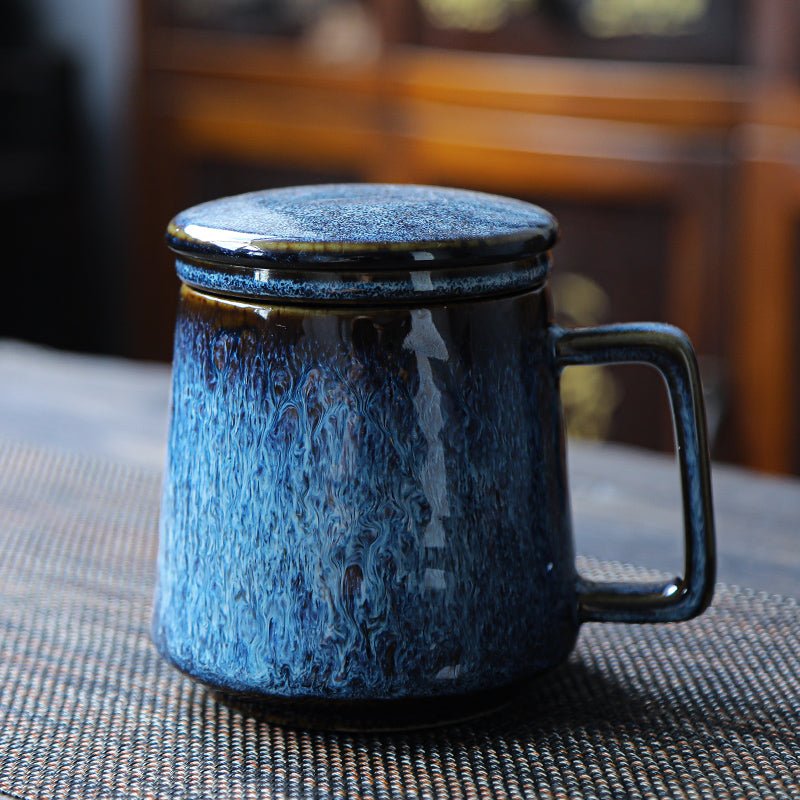
Red Coffee Mug Buying Guide for Style, Comfort, and Everyday Use
A red coffee mug can be a desk staple, a gift, or a daily cup, but the right one depends on shape, handle comfort, and finish. We compare the choices we see shoppers make most often and point you t...
Leer más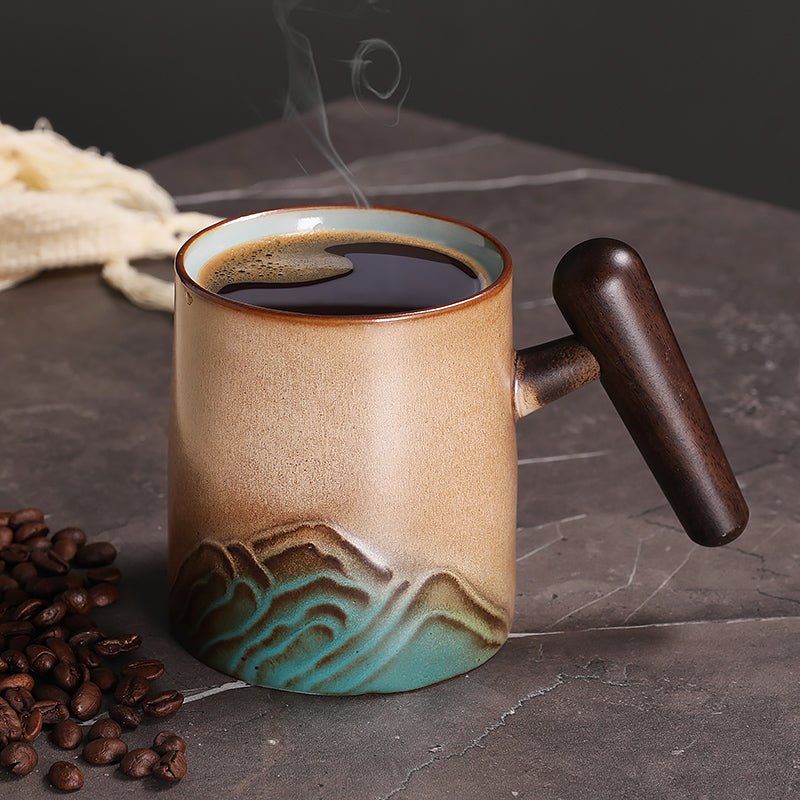
Large Ceramic Mugs: What Buyers Should Check Before Buying
Large ceramic mugs work best when the handle, weight, glaze, and care instructions match real daily use. Here is what we check in our store before we recommend one for coffee, tea, or desk duty.
Leer más
Dejar un comentario
Este sitio está protegido por hCaptcha y se aplican la Política de privacidad de hCaptcha y los Términos del servicio.