
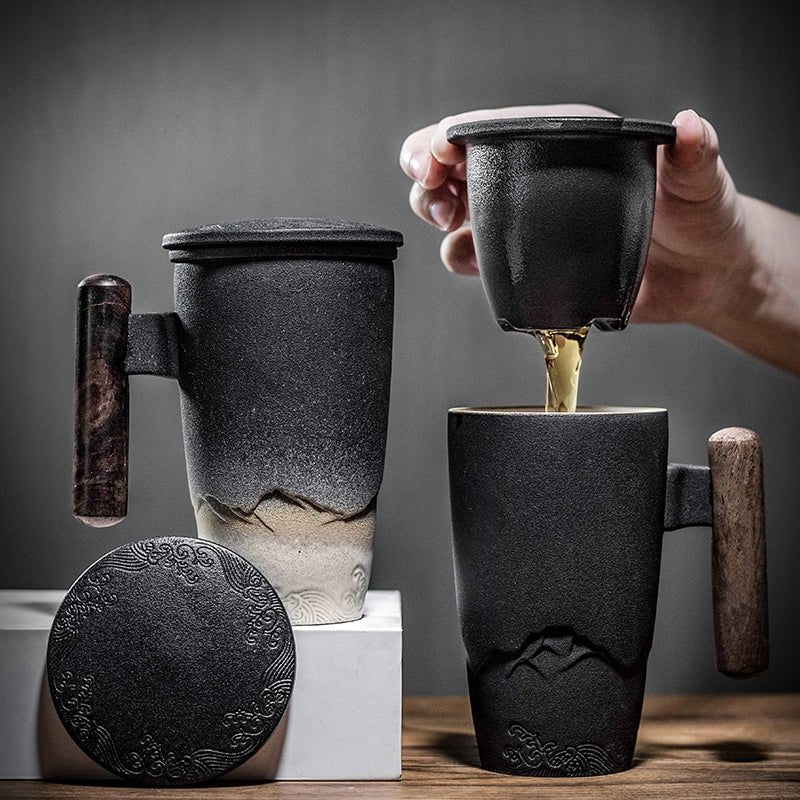
Home Goods Coffee Mugs: What to Buy for Daily Use
Reading time: about 8 minutes
A mug that looks perfect in a photo can still fail on a Tuesday morning: the handle is too tight, the base rocks on the counter, or the cup is smaller than the amount you actually pour. That is why we treat home goods coffee mugs as everyday tools first and decor second. If you want to browse the full range, start with our all mugs collection or the current products page.
In our store, we look at the same things shoppers notice after the first unboxing and the third dishwasher cycle. In our experience, the mugs that get used most are the ones that feel right in the hand, sit flat on the counter, and do not demand special treatment after every wash.
What should you check before you click buy?
Start with the parts of the mug you will touch every day. A bold print can help a mug stand out, but it will not fix a poor handle or a rough rim.
- Handle clearance: two fingers should fit without your knuckles scraping the cup wall.
- Rim finish: the lip should feel smooth and even, not sharp or lumpy.
- Foot ring: the bottom should sit level so the mug does not wobble on a kitchen counter or desk.
- Wall thickness: thicker walls feel more substantial and usually hold heat a bit better, but they also add weight.
- Care label: confirm whether the mug is dishwasher-safe and microwave-safe before you assume it is.
A mug can have strong artwork and still be awkward to hold. If the rim is rough, the handle is narrow, or the bottom ring is uneven, people stop reaching for it. That is the kind of detail we catch early because it shows up fast in real use.
Which mug size fits your daily coffee?
Size is the first real decision. A compact mug can make a flat white feel right; a larger mug can be better for milk-heavy drinks, office refills, or hot tea that lasts through a meeting. If you are narrowing your options, our related size guides on 12 oz Coffee Mugs: What to Check Before You Buy, 16 Ounce Coffee Mugs: Size, Materials, and Fit Guide, and 20 Ounce Coffee Mugs: What Buyers Should Check Before Ordering are worth reading alongside this one.
| Size | Best for | Main trade-off |
|---|---|---|
| 12 oz | Standard drip coffee, smaller pours, people who like a compact cup | Less room for milk, foam, or a second top-off |
| 14 oz | A middle ground for coffee with a little room left at the top | Can feel neither compact nor oversized if you prefer a strong visual style |
| 16 oz | Daily use, café-style drinks, and people who want flexibility | Heavier than a 12 oz mug, especially when filled |
| 20 oz | Big pours, tea drinkers, or long desk sessions | Bulky, and it can feel oversized if you only drink small cups |
If you usually drink a full mug and hate refilling, larger formats make sense. If you like your coffee hot from first sip to last, a very large mug can be a mixed blessing because the drink has more surface area and is easier to let sit too long. The right size is the one you will actually use every morning, not the one that sounds impressive.
What material works best on a real kitchen counter?
For everyday home goods coffee mugs, ceramic is the default for a reason. It is easy to glaze, easy to print, and usually comfortable in the hand. Stoneware is denser and often feels sturdier. Porcelain is lighter and can look cleaner and more refined, but it may feel thinner at the rim.
Here is the trade-off we tell shoppers about: thicker walls hold heat better and feel substantial, but they make the mug heavier. Thinner walls feel lighter, but they cool faster and can feel less forgiving if you wrap your fingers around the cup instead of the handle.
If you want a mug that looks equally at home on a breakfast table and a work desk, material choice matters more than a busy graphic. It also helps to compare the full range of shapes and finishes on the all mugs collection before you settle on one style.
Which design details matter more than the print?
The artwork gets attention. The build gets used.
- Handle shape: it should feel balanced when the mug is full, not top-heavy or pinched.
- Rim quality: a smooth rim matters every time you drink, especially with hot coffee or tea.
- Glaze coverage: tiny pinholes and rough patches can collect stains or feel unfinished after washing.
- Base stability: a flat foot ring keeps the mug steady on tile, wood, or office laminate.
- Handle joint: the area where the handle meets the body should look clean and solid, because that is where stress shows up first.
We also watch for crazing, which looks like fine spiderweb lines in the glaze. It does not always make a mug unusable, but it is a sign the finish has been stressed. A mug with an uneven base or a sharp seam is the one customers notice at home after the first few washes.
One practical rule: if a mug feels awkward empty, it will not feel better once it is full.
Are home goods coffee mugs good gifts?
Yes, if the person will actually use them. A mug is a good gift when it matches the receiver’s habits: one coffee a morning, many small refills at a desk, or weekend tea on the couch. It is a weaker gift if the person already has a crowded cabinet, prefers insulated travel drinkware, or only drinks espresso.
For gifts with personality, our article on Coffee Funny Mugs That Get Used at Home and at Work is a useful companion read. We find the best gift mugs balance character with a shape people want to hold every day.
Gift unboxings also expose weak packaging quickly. A chip on the rim or a scratched glaze turns a thoughtful present into a return. That is why simple silhouettes with a sturdy handle usually age better than fragile novelty shapes.
How do you keep them looking good after the dishwasher?
Most everyday mugs live or die by cleaning. If a listing says dishwasher-safe, that usually helps with routine use, but we still suggest top-rack washing for printed mugs when the artwork is delicate.
- Rinse the mug soon after use if you drink coffee with milk or syrup.
- Avoid abrasive pads on printed surfaces or metallic trim.
- Dry the foot ring and handle joint after washing so water spots do not build up.
- Keep hot mugs away from sudden temperature swings, like moving from freezer to boiling water.
- Check the rim every so often for chips or hairline cracks.
A mug is not the best pick if you need something for a backpack, a car cup holder, or an all-day commute. That is a different product category, and forcing a home mug into that role usually ends in spills or breakage.
Which buyers should choose a different mug style?
Not every mug belongs in every kitchen. If you mostly drink espresso, a 20 oz cup is too much. If you want a cup that fits in a car holder or a gym bag, a ceramic home mug is the wrong shape. If you need a very light option for office shelving or a shared breakroom, porcelain can be a better fit than a thick stoneware body.
For shoppers comparing larger formats, the 16 oz Coffee Mugs: What to Check Before You Buy and 20 oz Coffee Mugs: How to Choose the Right Size, Material, and Fit articles are useful because the practical trade-offs change a lot as capacity goes up.
We tell customers to buy the mug they will reach for on a normal morning, not the one that looks impressive on a shelf.
Frequently asked questions
What is the best size for home goods coffee mugs?
For most daily coffee drinkers, 12 oz to 16 oz is the practical range. A 12 oz mug works well if you prefer a compact pour, while 16 oz gives you more room for milk, foam, or a larger refill. If you usually drink very large servings, 20 oz can work, but it will feel noticeably bulkier in the hand.
Are ceramic home goods coffee mugs dishwasher-safe?
Many ceramic mugs are dishwasher-safe, but you should always check the product listing. Printed designs, metallic trim, and hand-finished glazes can need gentler care than plain ceramic. When in doubt, use the top rack and avoid harsh scrubbers.
Do thicker mugs keep coffee hot longer?
Thicker mugs usually feel more insulating than very thin mugs, and they often keep the drink comfortable a little longer. The trade-off is weight: a thick mug is more solid in the hand, but it can feel heavy once filled. For some buyers, that is worth it; for others, a lighter mug is easier to use every day.
What should I look for if I am buying a mug as a gift?
Check the size, handle comfort, and overall style before the graphic or message. A good gift mug should match how the person drinks coffee and fit their cabinet space, not just their sense of humor. If you want a playful option that still gets used, start with designs that feel everyday-friendly.
Is a 20 oz mug too big for everyday use?
It depends on how much coffee you actually pour. A 20 oz mug is useful for tea, large lattes, or long desk sessions, but it can feel oversized if you normally drink a smaller cup. If you want a more balanced everyday size, 14 oz or 16 oz is usually easier to live with.
If you are still choosing, compare the mug size you actually pour, the handle clearance, and the care label first, then browse our all mugs collection or the current products page to narrow it down.
More from our blog
Read more
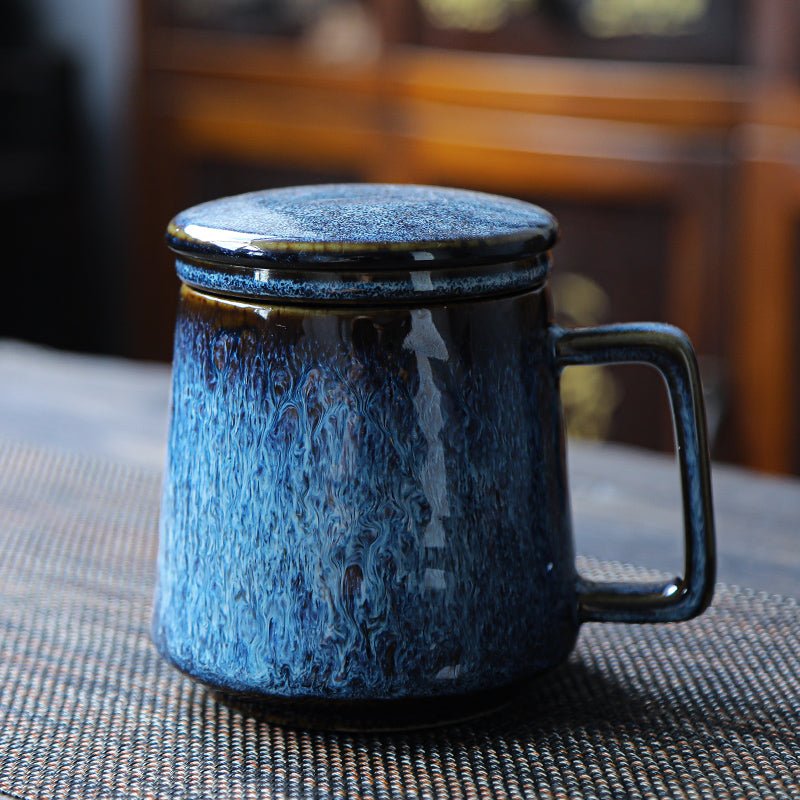
Customizable Coffee Mug Buying Guide: Size, Print, and Care
A practical guide to choosing a customizable coffee mug: what size fits your routine, which materials and print methods hold up, and what to check before you order for gifts, desks, and daily use.
Leer más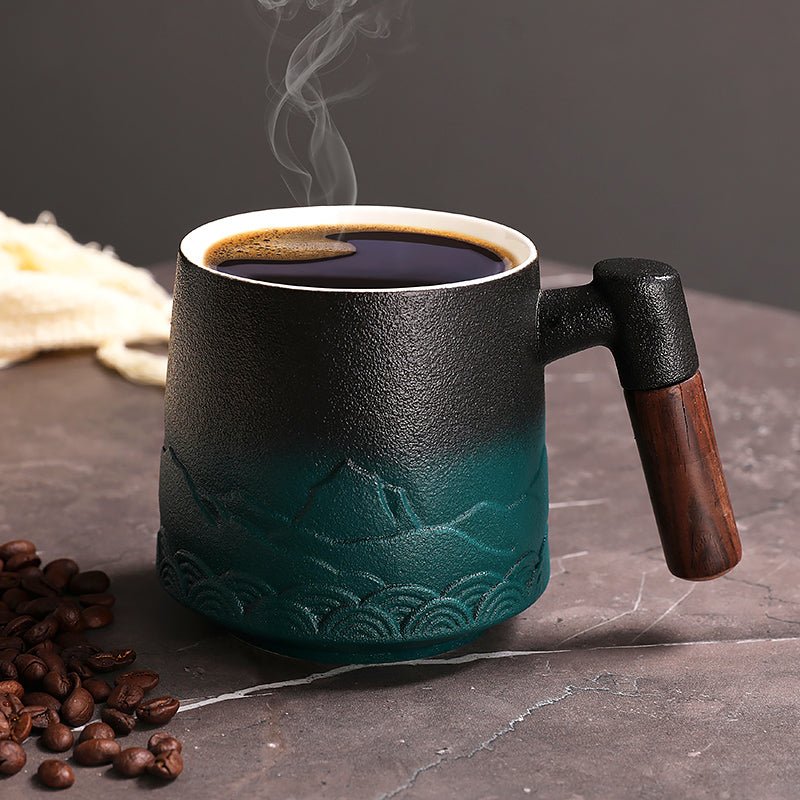
Mugs for Coffee Roasters in Whittier: What Buyers Should Check
Practical buying guidance for shoppers comparing mugs for coffee roasters in Whittier, with size, material, and care details that matter on the counter and in the dishwasher.
Leer más
Dejar un comentario
Este sitio está protegido por hCaptcha y se aplican la Política de privacidad de hCaptcha y los Términos del servicio.