
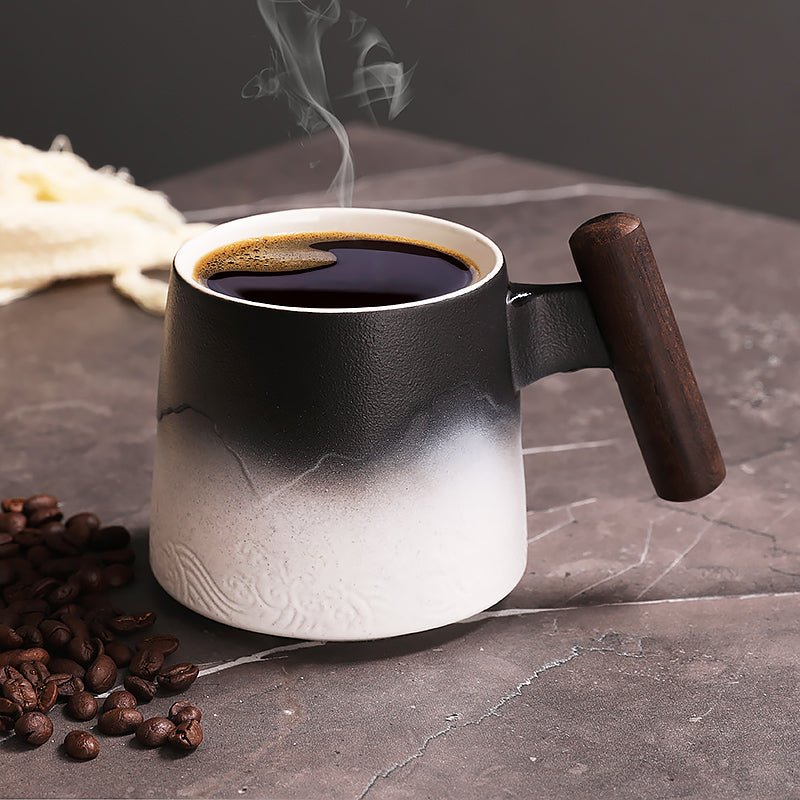
Frankoma Coffee Mugs: What Buyers Should Check Before Ordering
Reading time: about 9 minutes
A mug can look perfect in a product photo and still fail the first real test: a thumb on the handle, a close look at the rim, and a hot pour at a busy kitchen counter. That is the filter we use in our store for Frankoma coffee mugs and any other stoneware mug we sell or recommend.
Frankoma pieces have a strong following for a reason. They bring weight, character, and a distinct handmade feel that plain factory mugs do not always deliver. The catch is that many buyers are shopping vintage pieces, not sealed-new stock, so condition matters just as much as style.
If you want a mug for everyday drip coffee, office refills, or a shelf display that still gets used, this guide covers the checks that actually change the buying decision. We will also point out where Frankoma is a good fit and where another mug style is the safer choice.
What makes Frankoma coffee mugs worth considering?
The appeal starts with the material. Many Frankoma mugs are stoneware, which usually feels heavier and more substantial in the hand than thin porcelain or mass-market earthenware. That weight can be a plus on a desk or kitchen table because the mug feels stable, but it also means it is not the lightest option in the cabinet.
Buyers also like the glaze character. Frankoma is known for earthy, reactive-looking finishes and distinctive color variation, so small differences from mug to mug are part of the charm. That same character is why condition checks matter: a glaze that looks attractive can still hide wear, crazing, or a repaired chip.
In our experience, the best Frankoma buyers are usually looking for one of two things:
- A usable everyday mug with a more personal look than a standard kitchen set.
- A collectible piece that still earns counter space instead of staying in a display case.
If you are deciding by drink size rather than by brand name, our 12 oz Coffee Mugs: What to Check Before You Buy guide is a useful comparison point for a standard daily pour. If you prefer smaller cups for black coffee, our 8 oz Coffee Mugs: Size, Material, and Fit Guide and 8 Ounce Coffee Mugs: What Buyers Should Check Before Ordering explain the trade-offs clearly.
What should you inspect before buying a Frankoma mug?
Vintage stoneware rewards close inspection. A clean-looking mug can still have problems that only show up when you tilt it in the light or run a finger around the rim.
We check these points first:
- Rim condition: look for chips, flea bites, and hairline cracks where your mouth touches the mug.
- Handle attachment: the handle should feel solid, with no visible separation, stress line, or wobble.
- Foot ring: set the mug on a flat counter and make sure it sits level instead of rocking.
- Glaze surface: fine crazing can be normal on older stoneware, but staining in the cracks is a red flag for heavy wear.
- Odor and residue: old coffee smell, dishwasher residue, or a musty cabinet odor can be hard to remove fully.
- Maker's mark and provenance: marks help with identification, but they do not replace a real condition check.
One practical detail buyers overlook is the mouth feel. Some vintage mugs have a thicker rolled rim, which many people like because it feels sturdy. Others have a heavier lip that can feel less comfortable if you drink slowly or prefer a cleaner sip.
Another point is thermal shock. A stoneware mug can handle hot coffee just fine, but a mug that already has cracks or deep crazing is a poor candidate for sudden temperature changes. We would not recommend taking a questionable vintage mug from a cold shelf straight to boiling liquid and then into a dishwasher cycle.
Which size works best for your coffee routine?
Size is where many buyers overestimate what they actually use. A mug that looks great online may be too small for a latte or too bulky for a quick black coffee before work. We compare capacity to the drink you really make at home, not the drink you imagine making once a week.
If you want a broader size comparison, our 16 oz Coffee Mugs: What to Check Before You Buy, 16 Ounce Coffee Mugs: Size, Materials, and Fit Guide, and 20 Ounce Coffee Mugs: What Buyers Should Check Before Ordering posts are useful companions. For larger, more generous servings, our A buyer's guide to large capacity coffee mugs article helps set expectations.
| Typical size | Best for | What to watch |
|---|---|---|
| 8 oz | Small black coffee, espresso drinks with room to spare | Can feel too small for long drinking sessions |
| 12 oz | Standard drip coffee and most home brews | Often the safest all-around choice for daily use |
| 16 oz | Large coffee, milk-heavy drinks, longer office pours | Can be bulky if you prefer a lighter hand feel |
| 20 oz | Big refills, iced coffee, oversized morning drinks | May be too heavy for some handles and cabinets |
For Frankoma specifically, the right size depends on how the mug balances in the hand. A 16 oz mug can be excellent for a large pour, but if the handle opening is tight or the mug has a wide belly, it may feel awkward on an office desk or crowded shelf.
Are Frankoma coffee mugs better for daily use or display?
They can do both, but not every piece should. A pristine mug with a comfortable handle, flat base, and clean glaze can be a daily user. A rare piece with visible wear, glaze crazing, or a small rim chip may be better treated as a display item or a low-risk occasional use mug.
That trade-off matters because vintage mugs do not behave like new production. You may find slight color shifts, tiny glaze pinholes, or uneven thickness from piece to piece. Those traits are part of the vintage appeal, but they also mean you should buy the mug you are seeing, not the mug you hope it becomes after cleaning.
Here is how we usually separate the two use cases:
- Daily-use candidates: solid handle, no rim chips, no active cracks, no wobble on a flat surface.
- Display-first pieces: attractive glaze or mark, but visible wear that would bother you in regular use.
- Skip entirely: mugs with structural cracks, loose repairs, or residue that does not clean out.
Not every attractive vintage mug is a good coffee mug. Some are best treated like small ceramic objects, not kitchen tools.
If you mainly want a mug for commuting, leak resistance, or one-handed use in the car, Frankoma is usually the wrong category. A travel mug or insulated tumbler fits that use case better. Frankoma makes more sense at the table, on the couch, or on a desk where the mug can stay upright and undisturbed.
How should you clean and care for one?
Care depends on age and condition. For a mug in strong shape, gentle washing is the safest default. For a vintage mug with crazing or a questionable repair, we would avoid aggressive scrubbing, long soaking, and temperature swings.
Our practical care routine is simple:
- Wash by hand with mild dish soap and a soft sponge.
- Dry the base and handle area fully so water does not sit in cracks or glaze lines.
- Avoid abrasive pads, especially on matte or textured glazes.
- Do not use a damaged mug for repeated microwave or dishwasher cycles unless you know the piece is sound and the maker's guidance supports it.
- Store it where the rim will not knock into other mugs, because the edge is usually the first place to chip.
One common failure mode we see in older mugs is a tiny rim chip that starts as a cosmetic issue and then collects staining over time. Another is fine crazing that looks harmless until coffee residue settles into the glaze lines and becomes difficult to remove. Neither problem always means the mug is unusable, but both should lower the price and your expectations.
If you are buying as a gift, presentation matters too. A mug with a clean interior, no lingering odor, and a stable base will feel intentional when it is unboxed on a kitchen table or office desk. A chipped or heavily worn mug usually lands better as a collector's item than as a gift for daily coffee.
Where should you buy Frankoma coffee mugs if you want less risk?
The safest path is to buy from a source that shows clear photos, describes condition honestly, and gives you enough detail to judge wear before checkout. If you are comparing mug styles more broadly, our current products page and all collections page are the fastest ways to compare what is available in our store.
We recommend looking for three things in the listing itself:
- Clear photos of the rim, handle, base, and interior.
- A plain-language condition note that mentions chips, cracks, crazing, or repairs.
- Capacity details, or at least a shape that makes the size easy to judge.
If a listing does not show the base or only gives one flattering angle, we treat that as a warning sign. Good sellers understand that buyers are not just shopping for style. They are shopping for a mug that still fits a morning routine.
That is why we think Frankoma mugs work best for shoppers who can balance personality with inspection. If you want a mug with character and you are willing to check condition carefully, they can be a strong buy. If you want zero guesswork, a newer mug with clear dimensions and care guidance is usually the better option.
Frequently asked questions
Are Frankoma coffee mugs safe for everyday drinking?
They can be, but only if the mug is structurally sound. Look for no rim chips, no hairline cracks, and a handle that feels firmly attached. If the mug has heavy crazing or an unclear repair history, we would treat it as display-first rather than daily-use.
How can I tell if a Frankoma mug is vintage?
Check the bottom for a maker's mark, shape details, and signs of age such as glaze wear or light crazing. Vintage indicators help, but the condition of the actual mug matters more than the date alone. A well-kept older piece can be better than a newer mug that has been used hard.
What size Frankoma mug is best for drip coffee?
For most home drip coffee, 12 oz is the most practical starting point. If you usually pour a larger cup or add milk, 16 oz may be more comfortable. We would only move to 20 oz if you truly use that much liquid on a regular basis.
Should I buy a Frankoma mug with crazing?
Light crazing is common on older stoneware and does not always make a mug unusable. The question is whether the crazing is clean and cosmetic or whether it has staining, odor, or associated cracking. If you want a daily mug with the least risk, choose the cleaner piece.
Are Frankoma coffee mugs good for espresso?
Usually not as a first choice. Many Frankoma mugs are heavier and larger than what most people want for espresso, especially if the cup runs 12 oz or more. If you drink straight espresso, a smaller cup with a narrower profile will usually fit better.
If you are ready to compare styles, start with the size guides that match how you actually drink coffee, then browse our products page or all collections page for the mug that fits your counter, cabinet, and routine.
Read more
Corgi Coffee Mug Buying Guide: Sizes, Materials, and Gift Fit
A practical guide to choosing a corgi coffee mug for daily use or gifting. We cover size, material, care, and the trade-offs that matter before you buy.
Leer más
Standard Coffee Mug Dimensions: What Buyers Should Check
Most standard coffee mugs are close in size but not identical, and the differences matter at the counter, in the dishwasher, and under a drip machine. We break down the dimensions we actually look ...
Leer más
Dejar un comentario
Este sitio está protegido por hCaptcha y se aplican la Política de privacidad de hCaptcha y los Términos del servicio.