
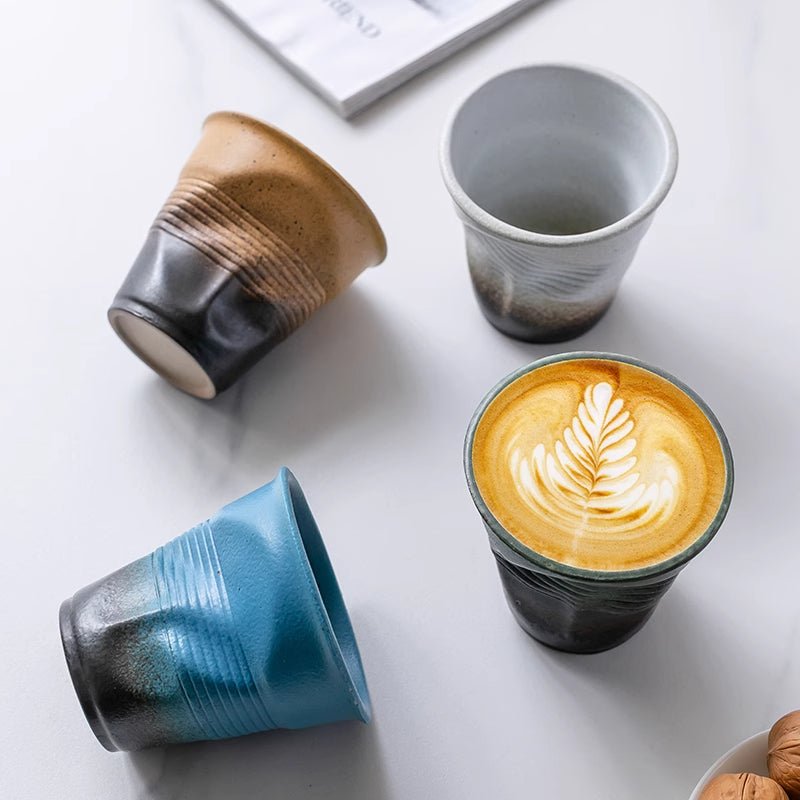
Fancy Tea Cups: What to Look For Before You Buy
Reading time: about 9 minutes
A chipped rim, a wobbly base, or a cup that looks beautiful online but feels awkward in the hand is usually where the disappointment starts. We see that a lot with fancy tea cups: shoppers want something elegant, but they still need a cup that pours well, sits steady on a desk, and survives regular use.
At CoffeifyMug, we treat this category as more than decoration. The best fancy tea cups need to do three jobs at once: look special on the table, feel comfortable to hold, and hold up in real kitchens, office break rooms, and gift unboxings. If you are comparing options now, our full collection is the quickest way to see the range, and pieces like the Planet Coffee Tea Mug, Rhombus Coffee Tea Mug, and Handbag Coffee Tea Mug show how different the category can be when design is part of the decision.
What actually makes fancy tea cups worth buying?
Fancy tea cups are worth buying when the design feels intentional, not fragile for the sake of looking different. A good cup should have a stable base, a rim that feels comfortable against the lip, and a handle or grip that does not make hot tea awkward to carry.
In our experience, buyers usually regret one of three things:
- The cup is beautiful but too delicate for daily use.
- The shape looks good in photos but is uncomfortable to sip from.
- The surface finish is attractive but shows scuffs, staining, or glaze irregularities too easily.
That is why we advise looking beyond the pattern or silhouette. Check whether the body feels balanced in the hand, whether the opening is practical for tea bags or loose-leaf infusers, and whether the style fits your actual routine. A cup meant for a display shelf is a different purchase from one that will sit next to a laptop all afternoon.
If you want a broader buying framework before you commit to a style, our guide on Fancy Tea Cups: What to Look For Before You Buy covers the core checks we use before we list a piece in the store.
Which styles work best for daily tea, gifting, or display?
Different buyers need different strengths. A tea cup that works beautifully as a gift may not be the best pick for a long workday at a desk, and a practical everyday cup may not have the visual punch someone wants for a special occasion.
| Buyer need | What to prioritize | What to avoid |
|---|---|---|
| Daily use | Comfortable grip, steady base, easy-to-clean shape | Overly narrow openings or awkward handles |
| Gifting | Distinctive design, memorable unboxing, broad appeal | Overly niche shapes if the recipient prefers classic ware |
| Display | Strong silhouette, unique finish, shelf presence | Plain shapes that do not justify the decorative role |
The Planet Coffee Tea Mug works well if you want a rounded, sculptural look that reads as playful without becoming hard to place on a shelf. The Rhombus Coffee Tea Mug is a better fit if you prefer a sharper geometric profile and a more modern desk or kitchen aesthetic. The Handbag Coffee Tea Mug is the most statement-driven of the three, which makes it strong for gifting or decorative use, but less universal if the buyer wants something understated.
That trade-off matters. A highly decorative shape is not always the best tea cup for someone who drinks several cups a day. If the person values practicality over novelty, a simpler body style will usually be the better long-term choice.
What materials and finishes should you check first?
We do not recommend choosing fancy tea cups by appearance alone. Material and finish affect heat retention, weight, cleaning, and how the piece ages after repeated use.
Here are the concrete details we look at in our store and in customer comparisons:
- Wall thickness: Thicker cup walls tend to feel sturdier and can hold heat differently than very thin decorative pieces. Thin walls can feel refined, but they are less forgiving if the cup will be used often.
- Glaze finish: A smooth glaze is easier to wipe clean and usually shows fewer issues than a heavily textured surface. Matte finishes can look elegant, but they may reveal tea marks more readily.
- Rim and handle joints: This is where quality problems often show up first. A rough rim or an uneven handle join can make an otherwise attractive cup frustrating to use.
- Base stability: A flat, even base matters on kitchen counters, office desks, and bedside tables. A cup that rocks is not a good buy, no matter how good the silhouette looks.
Common defect modes to watch for include hairline cracks, glaze pinholes, uneven coloration, and small chips around the rim or base. Those are the kinds of issues that turn into returns or shelf-only pieces. If a cup is meant to be a daily driver, those details matter more than the styling photos.
For shoppers also comparing this category to more ornamental drinkware, our article on Fancy Cups: What to Buy for Daily Use, Gifting, and Display is a useful side-by-side read.
How do you choose a fancy tea cup without buying the wrong style?
The fastest way to narrow the field is to match the cup to the person, the space, and the tea routine. We use the same logic when helping customers decide between novelty shapes and more traditional cups.
- For a tea drinker who works at a desk: choose something stable, easy to sip from, and not overly wide.
- For a gift recipient who loves statement pieces: choose a cup with an obvious design identity, like a sculptural or geometric silhouette.
- For someone building a coordinated kitchen shelf: choose a shape that fits with the rest of the room instead of competing with it.
- For loose-leaf tea users: prioritize a usable opening and enough interior space for an infuser or strainer.
We also tell shoppers to think about cleaning before they buy. A cup that has lots of angles, tight grooves, or decorative edges may look impressive, but it can take more effort to wash properly. That is fine if it lives on a display shelf or gets occasional use. It is less ideal if the cup is heading into regular breakfast rotation.
If you want to compare styles by gift type, the seasonal angle in Christmas Tea Cups for Gifts, Daily Use, and Holiday Tables is helpful even outside the holiday period because the buying logic is the same: balance novelty, usefulness, and presentation.
Which fancy tea cups fit real-life use, not just photos?
Real-life use is where the difference between a pretty cup and a smart purchase becomes obvious. A cup that looks excellent on a white background may feel too small in the hand, or the handle may sit at an angle that makes hot tea awkward to carry from the kitchen to the sofa.
In our experience, these are the use cases that expose weak design quickly:
- Morning tea on a busy counter with not much room to set the cup down.
- Office use where the cup sits near a laptop and needs a stable footprint.
- Gift unboxing, where the first impression matters but the item still needs to feel solid, not flimsy.
- Dishwashing routines where decorative surfaces need to tolerate frequent cleaning without looking tired too quickly.
The Planet, Rhombus, and Handbag mugs each solve a different problem. Planet leans softer and more playful. Rhombus reads cleaner and more architectural. Handbag makes the strongest visual statement. None of them is the right choice for someone who wants plain, stackable, minimalist tea ware. That is the trade-off. A fancy tea cup earns its place by adding personality, not by disappearing into the cupboard.
If you are comparing styles for a specific recipient, our post on Christmas Tea Cups: What to Buy for Gifts, Sets, and Daily Use may also help you think through presentation and practicality together.
How should fancy tea cups be cared for so they keep their finish?
Care depends on the material and finish, but the safest habit is simple: clean the cup promptly, avoid abrasive scrubbers, and do not shock a hot decorative cup with very cold water. That basic routine helps protect the glaze and reduces the risk of stress marks over time.
Practical care steps we recommend:
- Rinse after use instead of letting tea residue dry overnight.
- Wash with a soft sponge rather than a scouring pad.
- Dry fully before storing, especially if the cup has any recessed decorative details.
- Inspect the rim and base occasionally for tiny chips or cracks.
Fancy tea cups are not the best choice for rough handling, stacked cabinet storage, or fast cleanup with heavy cookware. If you need something for a high-traffic shared kitchen, a simpler and sturdier shape is usually smarter. Decorative cups reward a little more care, and buyers should know that before they order.
Frequently asked questions
Are fancy tea cups good for everyday use?
Yes, if the shape is stable, the handle feels comfortable, and the finish is easy to clean. The best everyday options are decorative without being fragile or awkward. If the cup is mainly ornamental, it is better treated as a display piece than a daily mug.
What should I check before buying fancy tea cups online?
Look at the rim, base, handle shape, and overall balance first. Those details tell you more about real use than styling photos do. We also recommend checking whether the shape suits tea bags, loose-leaf infusers, or both.
Are sculptural tea cups harder to clean?
Often, yes. Cups with grooves, angled surfaces, or attached decorative elements can hold residue in small areas. If easy cleaning matters most, choose a smoother body with fewer recessed details.
Which fancy tea cups are best for gifting?
Choose a shape with a clear design identity and broad visual appeal. Novelty pieces work well when the recipient likes decor or conversation pieces. If you are unsure about their taste, a more balanced silhouette is the safer buy.
Do fancy tea cups make sense if I only drink tea occasionally?
They can, especially if you want the cup to feel special when you do use it. Occasional tea drinkers often prefer one strong statement piece rather than a full matching set. If storage space is limited, a single standout cup is usually the better purchase.
If you want to compare the options we sell right now, start with the full collection and then decide whether you want a playful shape, a geometric profile, or a gift-first design. That simple filter will save you from buying a cup that looks good online but does not fit the way you actually drink tea.
Read more
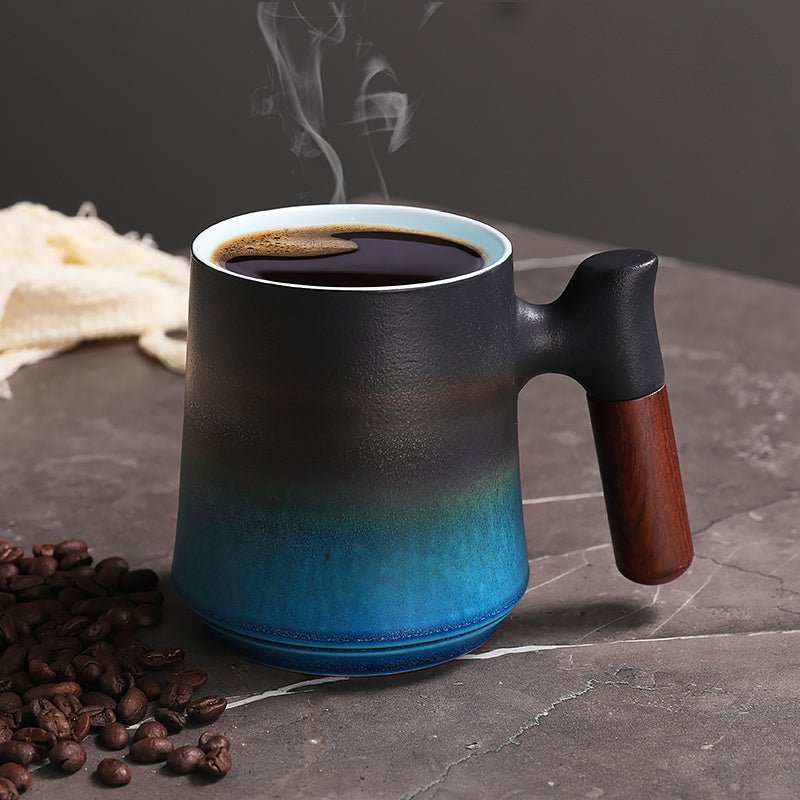
Bones Coffee Mug Buying Guide: What to Check Before You Buy
A bones coffee mug only works if the size, handle, and finish match how you actually drink coffee. We break down the checks we use in our store and the alternatives worth comparing before you buy.
Leer más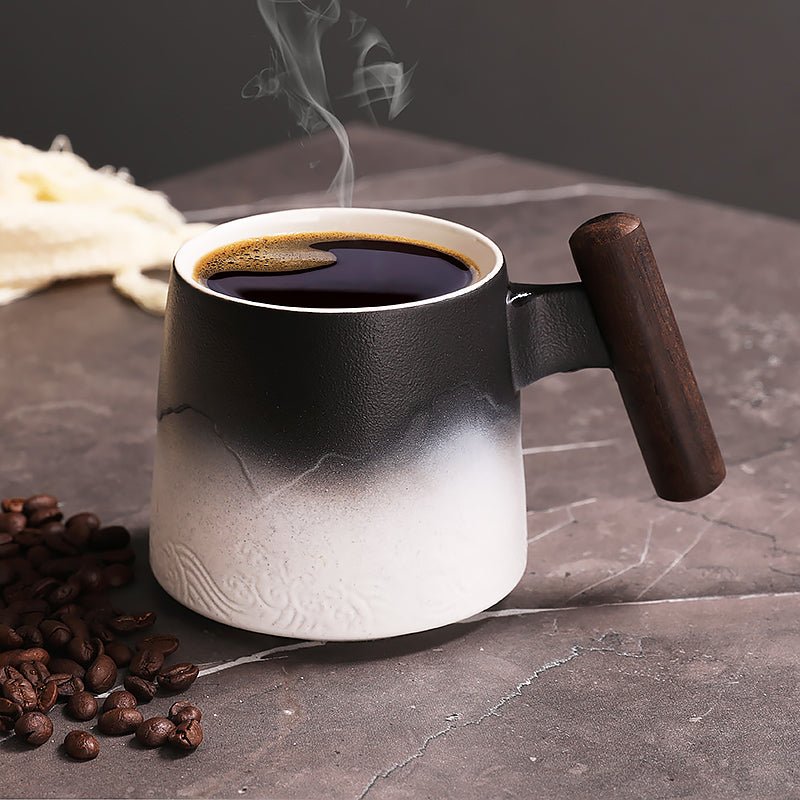
Best Coffee Portable Mug: What to Compare Before You Buy
A practical buyer’s guide to the best coffee portable mug, with the trade-offs that matter in daily use: lid seal, size, heat retention, and ease of cleaning.
Leer más
Dejar un comentario
Este sitio está protegido por hCaptcha y se aplican la Política de privacidad de hCaptcha y los Términos del servicio.