
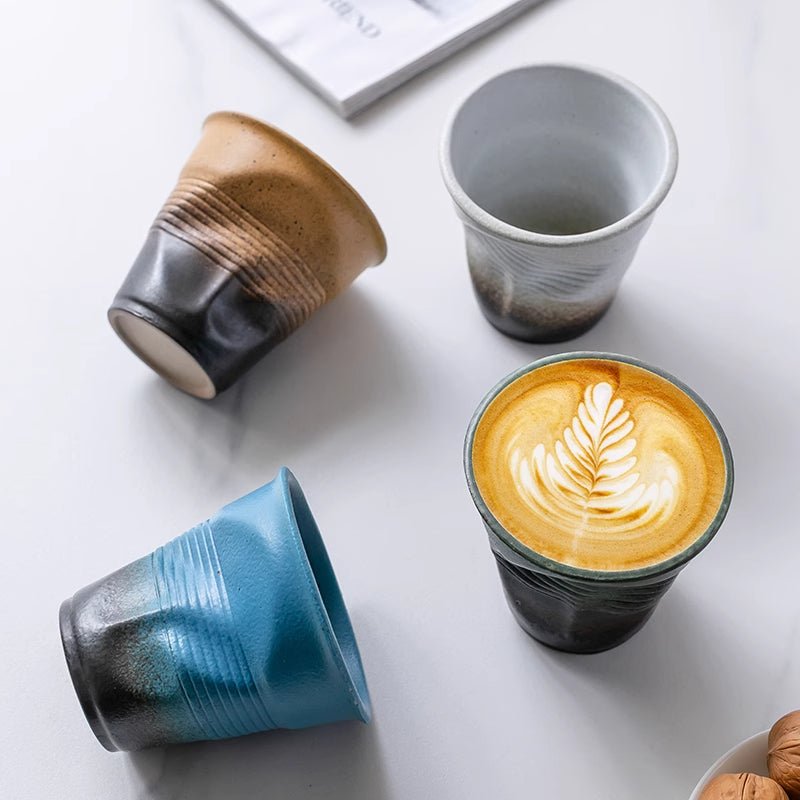
Fancy Tea Cups: What Buyers Should Check Before Ordering
Reading time: about 9 minutes
A cup can look elegant in a product photo and still feel awkward the first time you pick it up at your desk. That is usually where buyers notice the difference between a decorative piece and one they actually want to use every day.
We see this a lot in our store. Shoppers want fancy tea cups that feel special, but they also want a rim that does not feel sharp, a base that sits flat, and a shape that does not make the tea too hot to hold for long. If you are comparing options, start with the details that affect daily use, not just the look.
What should fancy tea cups do besides look good?
A good decorative cup should still behave like a cup. It needs to sit level on a counter, pour or sip cleanly, and feel balanced in the hand. If the handle is too small, the cup may look refined but become uncomfortable once the tea is hot. If the base is uneven, it can rock on a tray or office desk, which gets old fast.
In our experience, the best fancy tea cups solve three problems at once:
- They look distinctive enough for a gift or display shelf.
- They feel stable when placed on a table, tray, or coaster.
- They clean up without forcing you to baby them after every use.
If you want a more sculptural look, our Planet Coffee Tea Mug is a good place to start. For shoppers who want to compare more shapes and finishes before deciding, the full collection is the fastest way to see what fits your taste.
If you want a deeper pre-purchase checklist, our article Fancy Tea Cups: What to Look For Before You Buy covers the basics we still recommend checking before ordering.
Which shapes work best for daily use, display, or gifting?
Shape changes how a cup feels more than most buyers expect. A cup with a wide body may be easier to fill and easier to admire on a shelf, but it can cool tea faster. A narrower cup can keep heat longer, but it may be less comfortable if you prefer larger pours.
| Buyer need | What usually works best | Trade-off to expect |
|---|---|---|
| Daily tea at home | A balanced cup with a comfortable rim and an easy-to-grip handle | More practical shapes may look less dramatic than a novelty piece |
| Office desk use | A stable base and a shape that does not sprawl across the desk | Highly decorative handles or oversized silhouettes can take up too much space |
| Gift giving | A design that looks special straight out of the box | Giftable pieces are not always the easiest to stack or store |
| Display shelf styling | An unusual form with strong visual lines | Display-first pieces may not be the most comfortable for long tea sessions |
That is why some shoppers prefer the Rhombus Coffee Tea Mug for a sharper, more geometric look, while others like the Handbag Coffee Tea Mug for something that reads more playful in a gift box. Neither is the right answer for everyone. A novelty shape is not ideal if you want a cup that disappears into a standard cabinet stack or fits a traditional saucer setup.
For readers comparing larger silhouettes, our guide Large Cups for Tea: How to Choose the Right Size and Shape is useful because size changes both the heat feel and the serving style.
What details do we inspect before we call a cup well made?
We look at the same weak points every time, because that is where problems show up after the first few uses. A glossy finish can hide flaws at first glance. The real test is how the cup behaves in hand, under water, and after a few dishwasher cycles if the product is made for machine washing.
- The rim: It should feel smooth and even. A rough rim is one of the fastest ways to make a fancy cup feel cheap.
- The base: It should sit flat. A rocking base is a common defect and makes the cup feel unfinished.
- The handle: It should be attached cleanly, without visible stress points, wobble, or sharp edges where fingers rest.
- The glaze or surface finish: We check for pinholes, bubbles, uneven color, and small marks near the joints or edge lines.
- The seams and joins: On sculptural cups, the transitions should look intentional rather than lumpy or brittle.
These are the details that matter after the unboxing moment passes. A cup can photograph beautifully and still collect water in odd corners, scratch easily on a tray, or feel too hot to hold because the wall is thinner than expected.
For care, the safest rule is simple: if the listing does not clearly say dishwasher-safe, hand-wash it. Decorative trim, metallic accents, and highly detailed shapes are more likely to lose finish over time if they are scrubbed aggressively or run through hot cycles. A soft sponge and mild soap usually protect the surface better than a hard brush.
Which materials and finishes are easiest to live with?
Material changes both the feel and the maintenance. Porcelain usually feels refined and lighter in the hand. Ceramic and stoneware tend to feel a little sturdier and more casual. Glass shows the tea color well, but it also shows fingerprints and water spots more easily, which matters if the cup is sitting on a desk or serving tray between uses.
Here is the practical version we use when advising shoppers:
- Porcelain: Good for a cleaner, more formal look. It is not the best choice if you want a heavy, rustic feel.
- Ceramic: A common middle ground for decorative tea cups. It can work well for everyday use, but glaze quality matters.
- Stoneware: Feels solid and grounded. It is not ideal if you want a delicate, ultra-light cup for refined service.
- Glass: Nice for showing color and clarity. It is not the best fit if you dislike visible marks or want a warmer-looking piece on the table.
Finishes matter just as much. A high-gloss glaze can look elegant but reveal fingerprints quickly. Matte finishes can feel modern, but they may show scuffs sooner if you stack cups tightly or set them on rough surfaces. Metallic trim can elevate the look, yet it usually needs gentler care than a plain glazed surface.
Which fancy tea cups make the best gifts?
Gift buyers usually care about two things: how the cup looks when opened, and whether it feels safe to use right away. We see better reactions when the design is memorable but not fragile-looking. A cup that looks too delicate can make people hesitate before pouring hot tea into it, which is not the response you want from a gift.
The safest gift picks usually have these traits:
- A shape that looks distinctive without being hard to hold.
- A finish that does not look overly busy in the box.
- Enough visual character to feel intentional, not random.
- Clear care expectations so the recipient does not guess how to wash it.
If you are shopping for a seasonal present, our article Fancy Cups: What to Buy for Daily Use, Gifting, and Display pairs well with this guide because it separates the pieces that are meant to be used from the ones that are meant mainly to be admired.
Fancy tea cups are not the best gift if the person you are buying for wants a complete matched set, a saucer, or a traditional tea service. In that case, a more classic cup shape usually makes more sense than a novelty form.
What should you avoid if you want everyday use, not just display?
Some fancy tea cups are built for a visual moment first. That is fine, as long as you know it before buying. We would steer everyday users away from pieces that have tiny handles, very thin walls, exaggerated sculptural loops, or narrow openings that are difficult to clean by hand.
Watch for these trade-offs:
- Stackability: Unusual shapes can be difficult to store in small cabinets.
- Heat comfort: Thin walls may feel elegant but can transfer heat quickly.
- Cleaning access: Deep curves and tight interior corners trap residue more easily.
- Desk use: Oversized or unstable bases are annoying around keyboards, notebooks, and coasters.
In our experience, the best buying decision is not always the prettiest one. It is the cup you will still enjoy after the novelty wears off. That may be a sculptural piece for weekends and guests, or a simpler shape for daily tea with better grip and easier cleaning.
How do you narrow the choice before you order?
If you are still deciding, use a short checklist instead of chasing every style at once. That keeps the purchase grounded in how you actually drink tea.
- Decide whether the cup is for display, gifting, or daily use.
- Check whether you prefer a lightweight feel or a heavier, more grounded feel.
- Look for a smooth rim, a flat base, and a handle that fits your hand.
- Confirm the care instructions before you assume it can go in the dishwasher.
- Choose a shape that matches your storage space and pouring habits.
That process is straightforward, but it saves a lot of regret. A fancy cup should feel special on day one and still make sense after the first wash, the first refill, and the first time someone else picks it up from your table.
Frequently asked questions
Are fancy tea cups practical for daily use?
Some are, but not all. The most practical fancy tea cups have a stable base, a comfortable handle, and a finish that cleans easily. If a cup is highly sculptural, very thin, or hard to grip, it is usually better as a display piece or occasional-use cup.
What size fancy tea cup should I buy?
Pick the size based on how you drink tea. If you like small, hot servings, a smaller cup usually feels better. If you like longer sipping sessions or want a cup that works for milk tea or larger pours, choose a bigger shape with enough room to hold the drink comfortably.
How do I know if a decorative tea cup is well made?
Check the rim, the base, and the handle first. A good cup should sit flat, feel smooth where your lips touch it, and show no wobble at the handle joint. Also look for even glaze coverage and no pinholes or cracks near seams.
Can I put fancy tea cups in the dishwasher?
Only if the product listing clearly says it is dishwasher-safe. Decorative finishes, metallic trim, and detailed shapes are more likely to wear faster in a dishwasher. If you want the safest routine, hand-wash with mild soap and a soft sponge.
Are novelty-shaped tea cups a good gift?
Yes, if the person likes distinctive drinkware and does not need a formal matching set. Novelty shapes work well for gift boxes because they feel memorable right away. They are less suitable for someone who wants a classic teacup for every day or expects to stack several cups together.
If you want the simplest next step, compare the styles in our collection, then pick the shape that fits how you actually drink tea: display, gifting, or daily use.
Read more
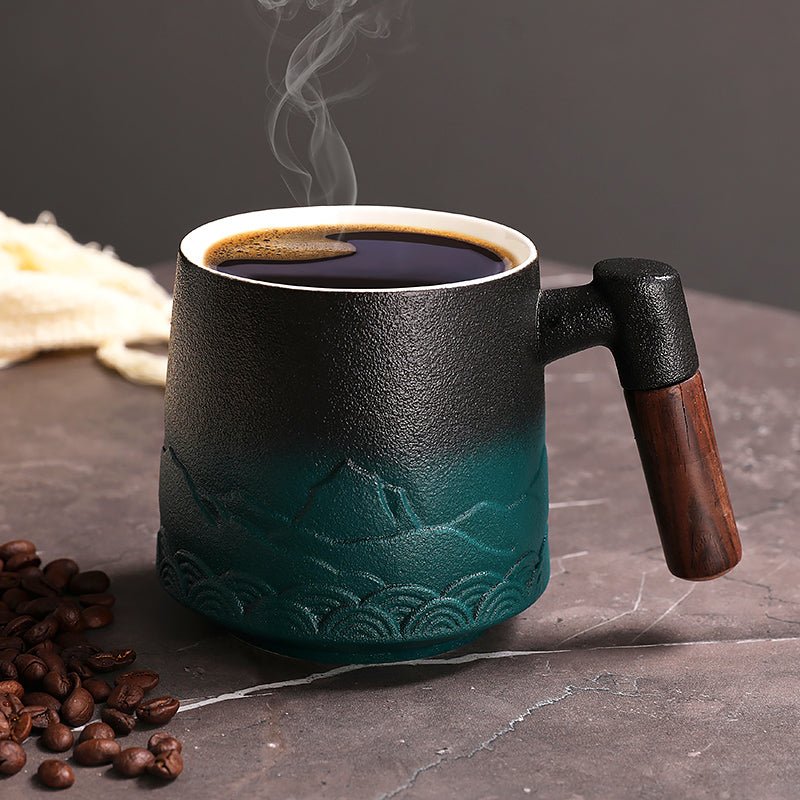
Red Coffee Mugs: What Buyers Should Check Before They Order
A red mug can look great on the shelf and still miss the mark in daily use. We break down the size, finish, and care details that matter before you buy.
Leer más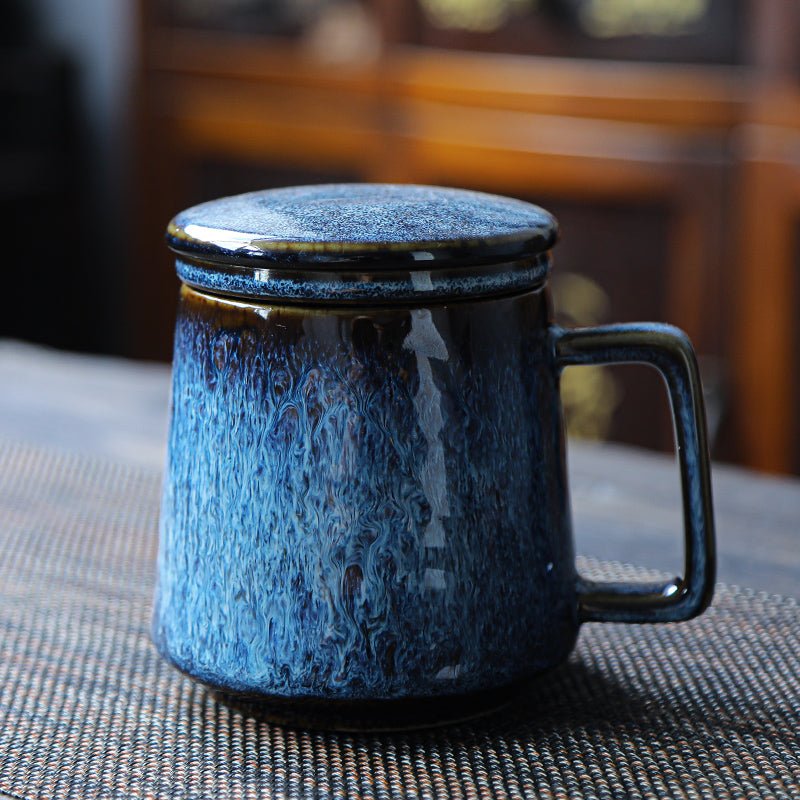
Smiley Face Coffee Mug Buying Guide: Size, Material, and Best Uses
A practical guide to choosing a smiley face coffee mug that feels good in the hand, fits your drink size, and holds up to real daily use.
Leer más
Dejar un comentario
Este sitio está protegido por hCaptcha y se aplican la Política de privacidad de hCaptcha y los Términos del servicio.