
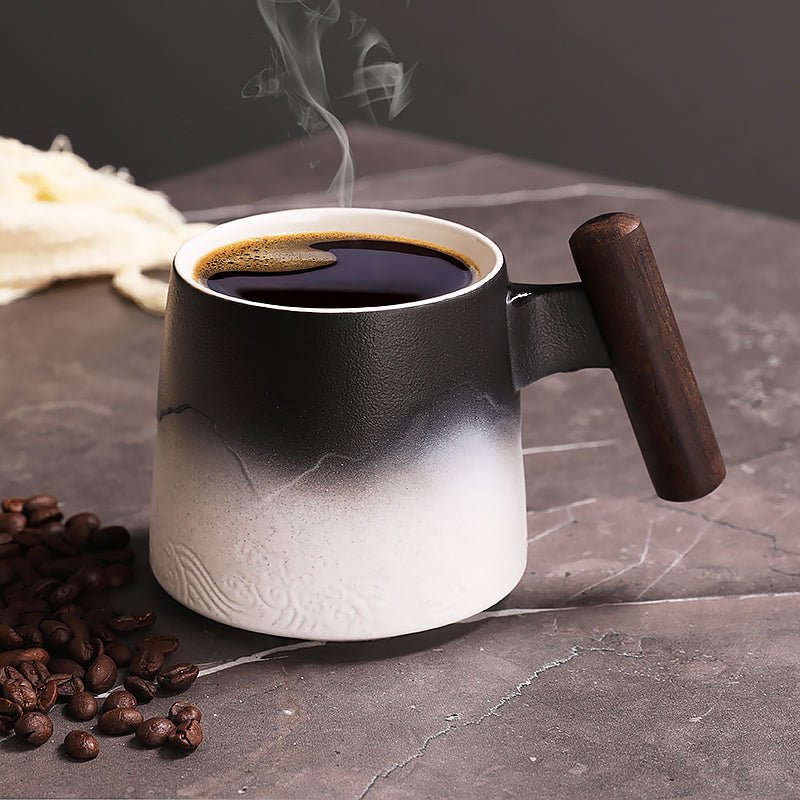
Dunkin Donuts Coffee Mug: Size, Material, and Fit Guide
Reading time: about 9 minutes
A mug on a kitchen counter tells you a lot before the first sip: does the handle fit two fingers without pinching, does the base sit flat on a desk, and does the print still look clean after a few dishwasher cycles? That is the real decision behind a dunkin donuts coffee mug. The look gets attention, but the daily details decide whether it becomes the mug people actually reach for.
What should you check first on a Dunkin Donuts coffee mug?
Most buyers start with the logo or color palette, but we see the better purchases come from a short checklist. In our store, shoppers usually care about how the mug feels in the hand, how much coffee it holds, and whether the finish will stay clean after regular use. If you want a broader buying checklist first, our guide Dunkin Donuts Coffee Mugs: What Buyers Should Check Before Ordering covers the same decision from a different angle.
- Capacity: 10 oz, 11 oz, 12 oz, 15 oz, and 16 oz are all common sizes, but they do not drink the same.
- Handle shape: a comfortable C-handle matters more than most product photos show.
- Finish: glossy glaze is easy to wipe down, while rough bases can scratch a desk or coaster.
- Use case: desk mug, kitchen mug, gift mug, or occasional display piece.
The trade-off is simple: a bolder decorative mug can be more fun to look at, but a plainer one often holds up better if you are rough on dishwashing and storage.
Which size fits your drink habit best?
Size is where a lot of buyers get stuck. A mug that looks right in a listing can feel too small for a long morning coffee, or too large if you only drink a short pour. Our size-specific guides on 10 oz, 11 oz, 15 oz, and 16 oz mugs break that down in more detail.
If you take milk, foam, or sugar, the usable volume drops fast. That is why a mug that looks oversized on a photo sometimes feels perfect once you add room for cream. On the other hand, if you drink black coffee and prefer it hot, a huge mug can feel like too much surface area to manage.
| Size | Best for | What to watch |
|---|---|---|
| 10 oz | Smaller drip coffee, cappuccino, and tea | Good when you want a lighter mug, not ideal for a full oversized pour |
| 11 oz | Standard daily coffee for many desks and kitchens | Often the safest middle ground for gift buying |
| 12 oz | People who want a little extra room without a bulky cup | Check handle clearance if you have larger hands |
| 15 oz | Big morning coffee or a longer work session | Heavier when full, and it can feel large in a small cabinet |
| 16 oz | Readers who like a full mug and fewer refills | Great for volume, but not the best match for a compact espresso setup |
If you drink slow, a larger mug can make sense. If your coffee sits on the desk while you answer emails, the bigger body can also cool a little faster at the surface. That is why a 15 oz or 16 oz mug is not automatically better than an 11 oz one.
Which material and finish should you trust?
For a dunkin donuts coffee mug, the most common body material is ceramic, with stoneware and porcelain also showing up in similar styles. Ceramic mugs usually feel familiar and sturdy, stoneware tends to feel thicker and heavier, and porcelain is lighter with a finer edge. None of those is automatically best. The right choice depends on how you use the mug and how careful you are with storage.
We pay attention to a few details because they show up fast in real use: an uneven glaze line, a rough foot ring, a handle that is glued or attached at a weak point, and tiny pinholes in the finish. Those are the kinds of flaws that can turn into chips, staining, or a mug that feels unfinished on the counter. A smooth exterior can look premium, but it can also show fingerprints. A matte finish hides smudges better yet can be a little harder to rinse clean if coffee splashes dry on it. If you buy with a spoon resting inside or under the handle, a wider handle opening and thicker glaze will matter more than the color itself.
Print method matters too. A design that is sealed under glaze or baked into the surface tends to age more gracefully than a surface decoration that can rub at the edges. We always prefer a finish that looks clean at the handle base and around the lip, because that is where sloppy production shows first. If you want the broadest comparison set, our all collection is the easiest place to compare shapes and finishes side by side.
- Ceramic: practical, familiar, and usually the easiest to care for.
- Stoneware: heavier and more rustic in hand, which some buyers love and others find bulky.
- Porcelain: refined and lighter, but sometimes less forgiving if you want a rugged everyday mug.
The limitation is worth saying plainly: if you want something for constant commuting, a classic ceramic mug is not the right format. It is for the kitchen counter, office desk, or gift shelf, not for a car cup holder or a bag.
Will it feel comfortable on a desk or in your hands?
A mug can look right and still be annoying to use. The first things we notice are handle clearance, rim thickness, and the balance when the mug is full. A handle that is too tight makes hot coffee awkward to carry. A base that is too narrow can feel unstable next to a laptop or notebook.
- Check the handle: two fingers should fit without crowding.
- Check the lip: a thin rim feels easier to drink from, while a thick rim can feel sturdy but less refined.
- Check the base: a flat, even base sits better on wood desks and stone counters.
- Check the weight: larger mugs feel substantial, but they can be tiring if you lift them often.
That is why a mug can be a better desk companion than a travel tumbler, but a worse choice for a commute. If your coffee lives in the car, choose a leak-resistant travel mug instead. If it lives beside a keyboard, a normal mug is easier to enjoy and easier to clean.
How should you care for the print and glaze?
Care is where many buyers learn the difference between a display mug and a true daily mug. A glossy ceramic surface is usually easy to wash, but printed graphics need a little more caution if you want them to stay sharp. If the listing says dishwasher safe or microwave safe, treat that as the starting point, not a reason to ignore common sense.
- Wash the mug before first use so the glaze and interior feel clean.
- Use the top rack in the dishwasher when you can, especially for printed mugs.
- Skip abrasive pads that can dull the finish or scratch the graphic edge.
- Avoid thermal shock, such as moving a mug from freezer-cold storage straight to boiling liquid.
- If the mug has any metallic detail, keep it out of the microwave.
Cabinet storage matters as well. If you stack mugs, look for one with a foot ring and a smooth rim so the glaze does not chip against another cup. If you never stack and the mug lives solo on an open shelf, you can choose a more decorative finish with less worry. The trade-off here is straightforward. Hand washing takes a little more effort, but it is easier on decorative print and gloss. If you want the lowest-maintenance option, a plain mug with a simple glaze is usually a better everyday buy than a heavily decorated one.
Is a Dunkin Donuts coffee mug a better gift or a better daily mug?
We see two very different buyer groups. Gift shoppers care about recognition and presentation. Daily users care about comfort and durability. Those are not always the same mug.
For gifting, a familiar style with a clean finish usually works best because it feels intentional as soon as it is unboxed. For daily use, the mug that wins is the one that disappears into the routine: it fits the hand, sits stable on the desk, and does not ask for special treatment after every refill. A mug is a stronger gift when the recipient already drinks from ceramic at home or work. If they only use paper cups, insulated tumblers, or have a very small kitchen, a mug can become a drawer item instead of a daily favorite. If you want to compare more mug options before deciding, start with our products page and then narrow down by size and finish.
Some mugs are also simply not the best match for certain buyers. If the person drinks iced coffee almost exclusively, a traditional ceramic mug is not as useful as a tumbler. If they already own a stack of standard 11 oz office mugs, another similar mug may be redundant unless the design is the real reason to buy.
Frequently asked questions
Is a Dunkin Donuts coffee mug usually dishwasher safe?
Many ceramic mugs are dishwasher safe, but the safest move is to check the product listing for the exact care instructions. Printed mugs can sometimes last longer with top-rack washing, especially if the finish is decorative rather than plain glazed ceramic.
What size Dunkin Donuts coffee mug is best for daily coffee?
For most desk and kitchen use, 11 oz or 12 oz is the best middle ground. If you pour larger servings or like fewer refills, 15 oz or 16 oz makes more sense.
Is a ceramic mug better than a travel mug for this style?
For home or office use, yes. Ceramic feels better on a desk and is easier to clean, but it is not spill-proof and it does not travel well. If you need something for commuting, a travel mug is the better tool.
Will a 15 oz mug feel too big?
It can, depending on the user. A 15 oz mug is better for big coffee drinkers or people who want room for milk and foam, but it may feel bulky in smaller cabinets or smaller hands.
What should I avoid if I want the print to last?
Avoid abrasive scrubbing, repeated thermal shock, and careless stacking with heavier mugs. A smoother wash routine and careful storage are usually enough to keep the surface looking cleaner for longer.
If you want the easiest next step, compare mug sizes first, then decide whether you want a daily-use ceramic piece or a more decorative gift mug. Browse our collection to compare styles, or go straight to products if you already know the look you want.
More from our blog
Read more
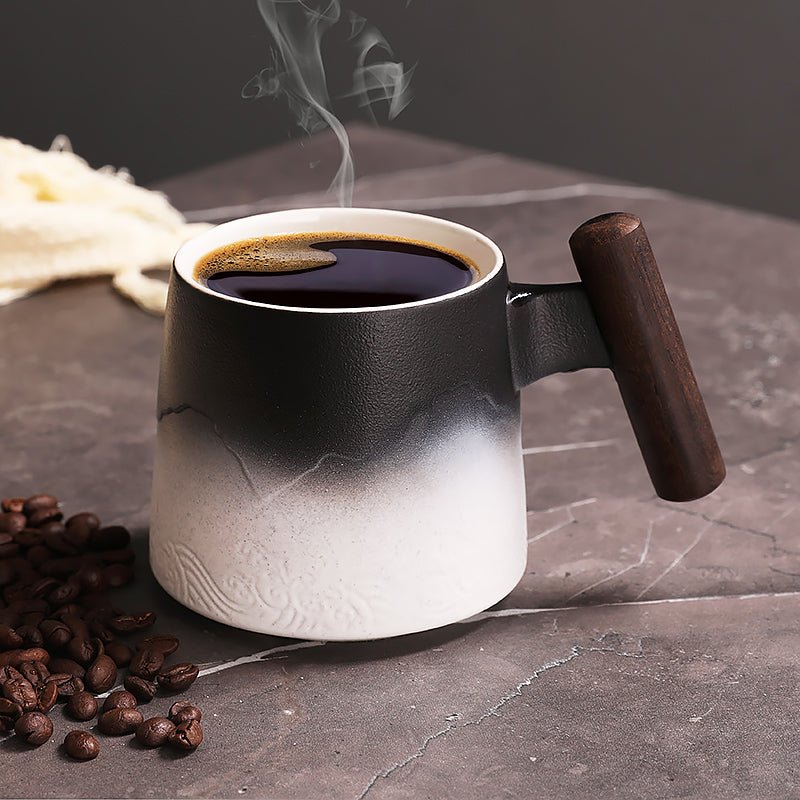
Coffee Pot Coffee Mug: What to Check Before You Buy
A coffee pot coffee mug can be a useful everyday cup or a gift that actually gets used, but only if the size, handle, and finish fit real routines. We break down the trade-offs so you can choose on...
Leer más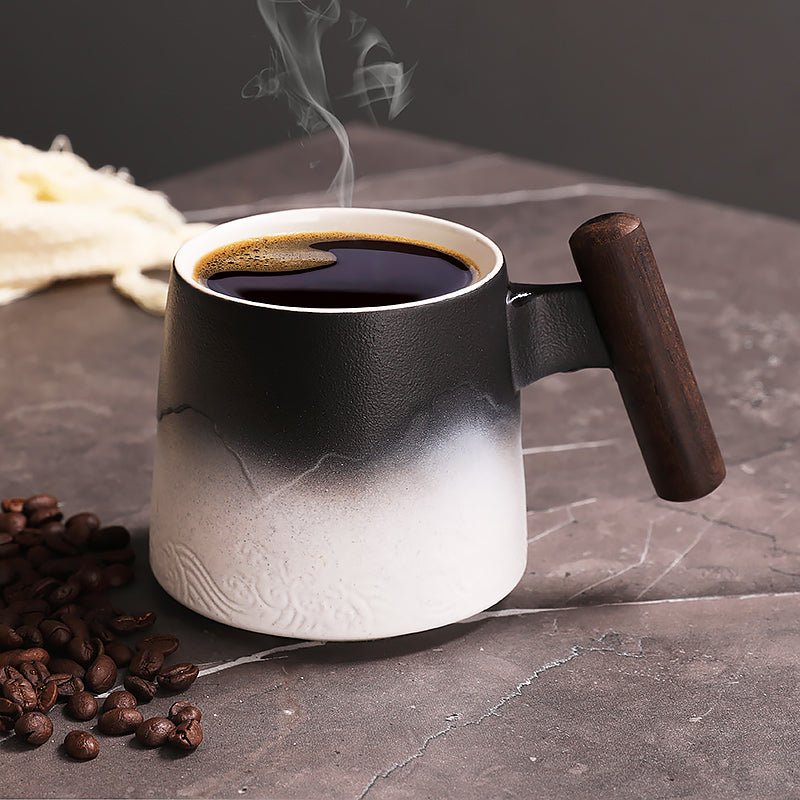
Oil Filter Coffee Mug: What to Check Before You Buy
An oil filter coffee mug works best when the size, handle, and print quality match how it will actually be used. This guide covers the trade-offs we check in our store before we recommend one.
Leer más
Dejar un comentario
Este sitio está protegido por hCaptcha y se aplican la Política de privacidad de hCaptcha y los Términos del servicio.