
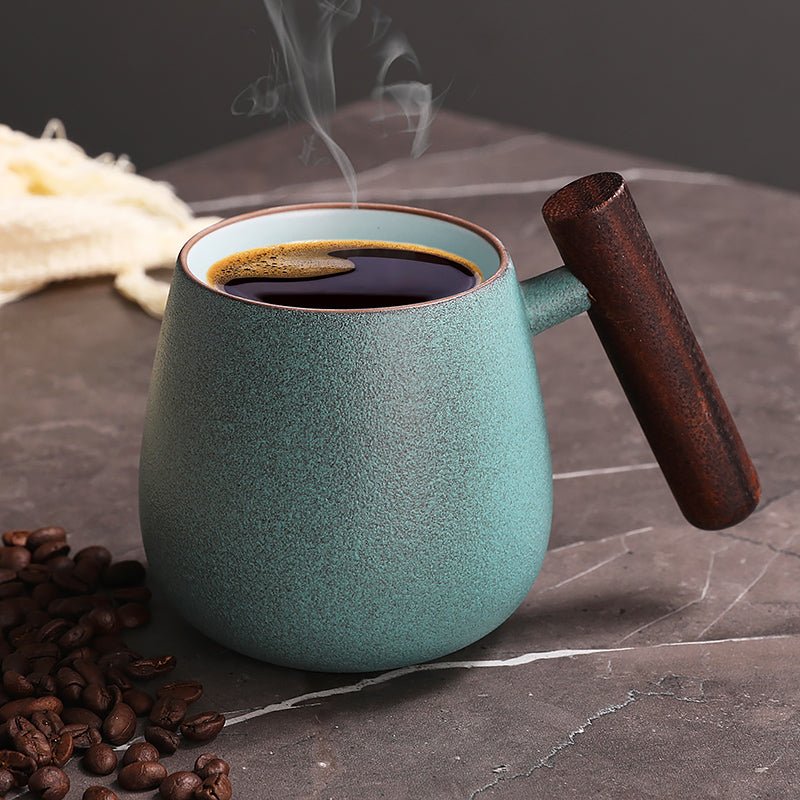
Custom Travel Coffee Mugs: What Buyers Should Check First
Reading time: about 10 minutes
A custom travel coffee mug can look perfect on a product page and still fail in a car cup holder, on a desk, or after a few dishwasher cycles. In our store, we see the same pattern again and again: shoppers focus on the artwork first, then discover the lid, size, and finish are what decide whether the mug gets used every day or stays in a cabinet.
If you are comparing custom travel coffee mugs for commuting, office use, or a gift order, the safest approach is to judge the mug as a tool first and a canvas second. That means checking how it seals, how it feels in the hand, how the print is applied, and whether the material matches the way coffee is actually drunk on a weekday morning.
If you want a tighter pre-order checklist, we covered the basics in Custom Coffee Travel Mugs: What Buyers Should Check Before Ordering. For a broader comparison of use cases, our guides to Best Travel Coffee Mugs for Commutes, Office Days, and Trips and Best Coffee Travel Mugs for Commutes, Office Days, and Trips are useful side-by-side reads.
What should you check before ordering custom travel coffee mugs?
Start with the part that most product photos do not show clearly: how the mug behaves in daily use. A good custom print does not make up for a lid that leaks in a backpack, a base that does not fit a cup holder, or a finish that wears too quickly in the dishwasher.
We usually recommend checking these points before you place an order:
- Lid seal: Look for a lid that closes with a clean, even fit. If a sip opening is loose or the gasket sits crooked, spills usually show up fast.
- Body shape: A tapered mug is often easier for cars and train bags than a straight cylinder. The widest point matters more than the overall height.
- Print placement: Make sure the design will not be interrupted by a seam, handle, or lid lip. Wraparound art needs more planning than a centered logo.
- Care routine: If a mug will be washed daily, the finish should tolerate real use, not just careful hand-washing forever.
- Drink style: If someone drinks slowly over a long meeting, they need better heat retention than someone who finishes coffee in ten minutes.
If the lid leaks in the sink test, it will leak in the passenger seat. We treat that as a hard stop.
That is why we pay attention to rim feel, lid threading, and gasket alignment before we think about decoration. A mug that feels good at the counter is usually the one that survives the office, the commute, and the second refill.
Which material fits your routine best?
The material changes the whole experience. It affects heat retention, weight, cleaning, and how the customization looks after repeated use. If you are leaning toward a desk-friendly mug rather than a commute-first mug, our guide to Ceramic Travel Coffee Mugs: What Buyers Should Check Before Ordering goes deeper on that trade-off.
| Material | Best for | Trade-offs | What to check |
|---|---|---|---|
| Stainless steel | Commutes, road trips, long work mornings | Usually heavier than plastic, and most stainless models are not microwave safe | Double-wall construction, lid fit, and whether the outside stays comfortable to hold |
| Ceramic | Office desks, home use, slower coffee drinking | Heavier and more fragile in bags or car use | Glaze quality, chip resistance, and whether the lid is meant for travel or just splash control |
| BPA-free plastic or Tritan-style bodies | Light carry, casual daily use, budget-sensitive orders | Usually less premium in hand and can pick up odors more easily over time | Wall thickness, lid latch strength, and stain resistance after coffee and tea |
For most custom travel coffee mugs, stainless steel is the most practical pick for people who drive or commute. It usually gives the best balance of spill control and heat retention, especially when the mug has a double-wall body and a well-seated lid. Ceramic, by contrast, is better when the mug lives mostly on a desk and needs to feel like a real mug instead of a sealed container.
That trade-off matters. Ceramic is not the right answer if the mug is going into a tote bag every morning. Stainless steel is not the right answer if someone wants to microwave yesterday's coffee. The best choice depends on the route from kitchen counter to first sip.
What size and lid style should you choose?
Size affects more than capacity. It changes balance, cup-holder fit, how hot the coffee stays, and whether the mug feels awkward in one hand. We see a lot of buyers start with the largest available size, then realize a slimmer 16 oz mug works better for their actual day.
These are the most useful size ranges to compare:
- 12 oz: Good for shorter drinks, smaller coffee servings, and people who want a compact mug that does not dominate a desk or bag.
- 16 oz: Often the most flexible size for commuters. It holds a full mug from home without feeling oversized.
- 20 oz and above: Better for long drives, heavy coffee drinkers, or people who do not want to refill. Check cup-holder fit carefully, because tall mugs can be less stable.
Lid style matters just as much as size. A sliding sip lid is convenient and easy to use with one hand, but it usually gives you less spill protection than a tighter locking lid. A twist-on lid often feels more secure in a bag, but it can be slower to open when you are rushing out the door. Flip-top lids are familiar and easy to drink from, yet the hinge area needs to be sturdy or it becomes a weak point after repeated use.
One practical detail we check in our store is the base diameter. A tall 20 oz mug can still be a poor commuter choice if the bottom is too wide for a standard cup holder. If the mug will live in a car, that measurement matters more than the printed design on the front.
How should the personalization be set up?
For custom travel coffee mugs, the design has to survive a curved surface, a lid line, and repeated handling. That is different from printing on a flat notebook or a box. A logo that looks clean on a screen can become hard to read once it wraps around a taper or sits near the seam.
Our best advice is to keep the artwork simple and intentional:
- Use bold shapes: Simple logos, initials, and clean wordmarks usually print better than thin scripts or dense patterns.
- Leave safe space: Keep key text away from the rim, base, and seam so nothing gets cut off by the shape of the mug.
- Choose high contrast: Light text on a dark body, or dark text on a light body, tends to stay readable from a few feet away.
- Think about the audience: A corporate gift, a bridal party set, and a team giveaway do not need the same design density.
- Check alignment: If your artwork wraps around the mug, ask where the start and end point land relative to the handle or lid opening.
For a wider branding checklist, see Coffee Mugs Custom: What Buyers Should Check Before Ordering. If you want more inspiration around decorative styles and gift-friendly aesthetics, Coffee Travel Mugs Cute: What to Look For Before You Buy is a useful companion read.
We have learned that the best-looking mug is not always the best-selling one. The mugs people reorder are usually the ones that are easy to read at arm's length, look clean after washing, and still make sense when someone is half awake at 7:30 a.m.
What problems show up after real use?
The first week is rarely the problem. The issues show up later, after a few lid removals, a few dishwasher cycles, and a few mornings when the mug gets tossed into a car console or placed next to a laptop.
These are the failure points we watch for most often:
- Cross-threading: The lid does not line up smoothly and starts to catch, which can create leaks or a bad seal.
- Shifting gasket: A silicone seal moves out of position after washing, and the mug starts to seep around the rim.
- Print wear: Abrasive scrubbers, rough dishwasher cycles, or constant contact with a bag can dull a finish over time.
- Heat loss: If insulation is weak, the outside may warm up too quickly and the coffee cools faster than expected.
- Odor retention: Some materials hold onto coffee oils, tea, or milk residue if they are not cleaned thoroughly.
Trade-off: A travel mug that is optimized for sealed commuting is not always the best choice for office desk sipping. If someone mainly drinks at a desk and wants a calmer, more open feel, a ceramic option can be a better fit than a fully sealed commuter mug. If the mug is stainless steel, it also should not be treated like a microwave mug.
That is why we tell buyers to match the mug to the routine, not the other way around. A bag-first mug needs a stronger lid and tighter seal. A desk-first mug can prioritize feel and print presentation instead of maximum spill protection.
If you are still comparing across use cases, the broader shopping guides on Coffee Mugs Travel: What to Buy for Commutes, Office Days, and Trips and Best Coffee Mugs Travel: What to Buy for Commutes, Office Days, and Trips can help separate the everyday options from the specialty ones.
Frequently asked questions
Are custom travel coffee mugs good for daily commuting?
Yes, if the lid seals well and the base fits a standard cup holder. For commuting, a 16 oz stainless steel mug is often the most practical starting point because it balances capacity, spill control, and portability. A ceramic mug is usually better for desk use than for a backpack or car seat.
Can custom travel coffee mugs go in the dishwasher?
Some can, but not all finishes hold up equally. Printed wraps, coated exteriors, and certain lids usually last longer with gentler washing. We recommend checking the exact care notes for the mug before you rely on dishwasher cleaning every day.
What size custom travel coffee mug is best for coffee?
For most people, 16 oz is the most versatile size. It gives enough room for a full morning coffee without becoming bulky in the hand or awkward in a car holder. If you only drink a smaller cup, 12 oz can feel easier to carry and less cumbersome on a desk.
Do custom travel coffee mugs leak?
They should not, but the lid design makes the difference. A well-fitted twist lid or locking sip lid is much safer than a loose cover. If the gasket is poorly seated or the lid threads do not line up smoothly, leaks are usually the first problem buyers notice.
Is stainless steel or ceramic better for custom travel coffee mugs?
Stainless steel is usually better for commuting and heat retention. Ceramic is better if the mug stays on a desk and the user wants a more traditional coffee feel. If the mug will be carried in a bag or car, stainless steel is the safer choice.
Which custom travel coffee mug should you order first?
If you want a fast shortlist, start with the routine. For a commute, choose a 16 oz stainless steel mug with a secure lid and a tapered base. For office use, a ceramic or desk-friendly insulated mug may feel better. For gifts, keep the artwork simple, high contrast, and readable from across a table.
From there, compare the body shape, lid style, and care instructions before you commit to the design. That is the part that saves you from buying a mug that looks good in the cart but feels wrong in real life.
Browse our current options on the products page or start with the full collection if you want to compare styles side by side. If you are narrowing the choice down to commute-first, desk-first, or gift-first, use the checklist above before you place the order.
Read more
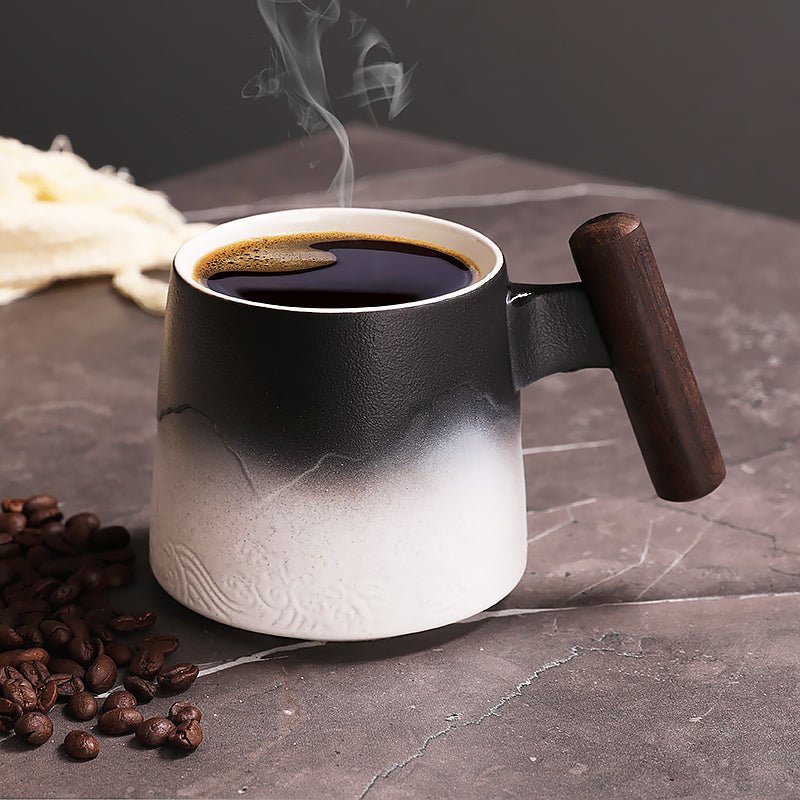
Pumpkin Coffee Mug Buyer’s Guide: Size, Material, and Fit
A practical guide to choosing a pumpkin coffee mug that actually works for daily coffee, gifting, and fall display. We cover size, material, care, and the trade-offs to check before you buy.
Leer más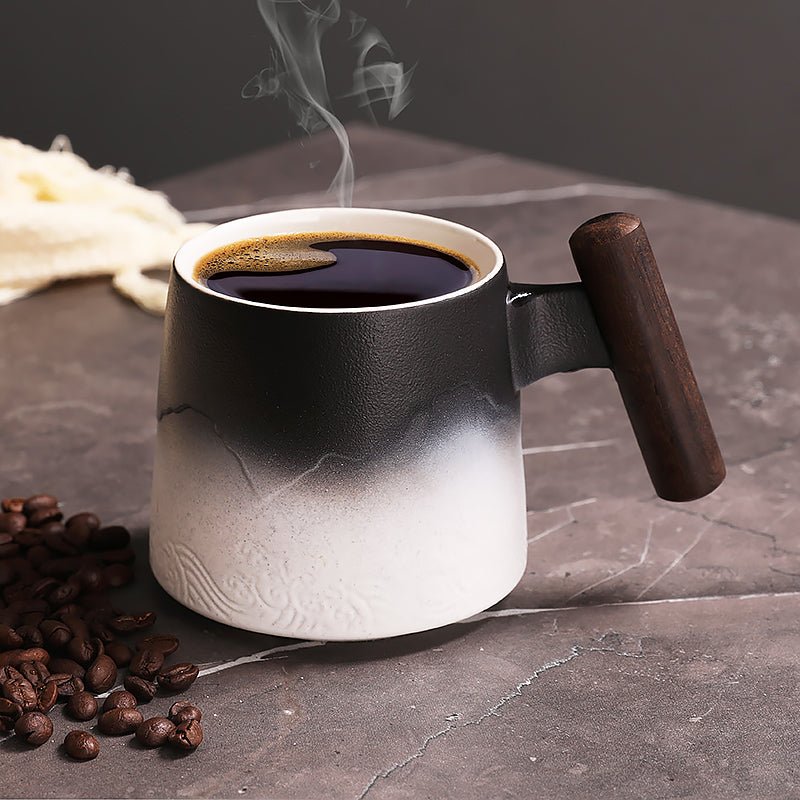
Plastic Coffee Mugs: What Buyers Should Check Before Ordering
Plastic coffee mugs can work well for desks, patios, and family kitchens, but only if the material, rim, and care instructions match how you use them. This guide breaks down the trade-offs before y...
Leer más
Dejar un comentario
Este sitio está protegido por hCaptcha y se aplican la Política de privacidad de hCaptcha y los Términos del servicio.