
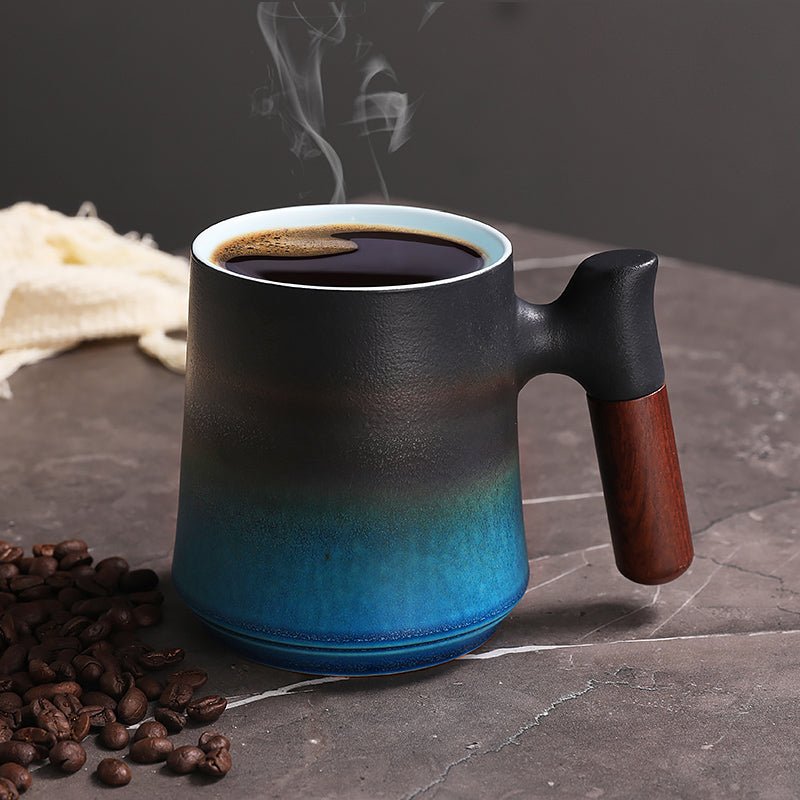
Crap Coffee Mug: How to Spot a Bad One Before You Buy
Reading time: about 9 minutes
What makes a crap coffee mug feel bad on day one?
A crap coffee mug usually gives itself away fast. The rim feels rough, the handle pinches your fingers, the body gets too hot to hold, or the shape looks fine online and feels awkward once you fill it with coffee. We see this most often when a mug is bought on impulse for the office, the break room, or as a gift, then judged within the first three uses.
In our store, we pay attention to the details that matter after the unboxing moment. A mug can look attractive in product photos and still be a poor daily cup if the lip is uneven, the handle opening is too tight, or the base rocks slightly on a flat counter. Those are the small defects that turn into daily irritation.
If you want a quick starting point, our full mug collection is the easiest way to compare styles side by side before you commit. For a specific example of a cleaner, gift-ready ceramic option, the Christmas Coffee Tea Mug is a good reference point for what a finished mug should feel like in the hand.
Which materials and finishes are worth paying attention to?
Material is the first thing we check because it affects heat retention, weight, and how the mug ages. Most buyers will compare ceramic, stoneware, and mugs with specialty handles or mixed materials. Each has a different feel on a kitchen counter or office desk.
Here is the practical version:
- Ceramic: usually lighter in feel, smooth to drink from, and common for daily coffee and tea. It is a good fit if you want easy cleanup and a familiar mouthfeel.
- Stoneware: typically feels heavier and more substantial. It can be a better match if you want a mug that feels sturdy, but it may not suit someone who prefers a lighter cup.
- Wooden-handle mugs: useful if you dislike a hot handle or want a more tactile grip. They are not the best choice if you want a mug you can toss into the dishwasher without thinking.
Finish matters too. A glossy glaze usually wipes down easily and tends to look crisp in a retail setting. Matte surfaces can look more refined, but they sometimes show utensil marks sooner and may need a gentler wash. We try to be clear about these trade-offs because a mug that looks great on the shelf is not automatically the right daily mug.
The Green Waves Coffee Tea Mug is a useful example of a mug where pattern and finish do some of the work visually, while the actual buying decision still comes down to shape, grip, and how you plan to use it.
What size should you buy if you do not want a mug that feels wrong?
Size is where many bad purchases happen. A mug that is too small forces constant refills. A mug that is too large can cool too slowly, feel heavy when full, or crowd a desk with a keyboard and notebook already taking up room.
For most shoppers, the common checks are straightforward:
- Check the stated ounces. Compare it to the amount you actually drink, not the amount you imagine drinking on a good morning.
- Look at the width and height. A mug can be 12 ounces and still feel compact or tall depending on its shape.
- Think about the setting. Office desks, bedside tables, and kitchen counters all reward different proportions.
If you are comparing everyday capacities, our size guides can help you avoid a cup that looks right but feels wrong in real use. Start with 10 oz Coffee Mug: Size, Fit, and What to Check Before You Buy, then compare it with 11 oz Coffee Mug: Size, Fit, and What to Check Before You Buy if you are deciding between the two most common everyday sizes.
We also recommend looking at the lip shape. A slightly rolled rim is often more comfortable for sipping than a sharp edge. That detail is easy to miss online and very noticeable when you use the mug every morning.
What handle shape actually works in real hands?
A bad handle is one of the fastest ways to turn a mug into clutter. If the opening is too narrow, three fingers feel jammed in. If the handle sits too close to the body, your knuckles hit the mug when it is full and hot. If the handle is too small, the mug feels precarious on the way from the counter to the couch.
We look for three things when we handle mugs in the store:
- Finger clearance: enough room for a comfortable grip without scraping the mug body.
- Balance when full: the mug should not feel top-heavy once coffee is added.
- Heat management: the handle should stay usable long enough that you are not rushing to set the cup down.
A wooden handle changes the experience in a useful way. On the Mountain Sea II Coffee Tea Mug with Wooden Handle, the grip is part of the appeal, especially if you want something that feels distinct from a standard office mug. That said, a wooden-handle mug is not the best pick if you want a fully carefree dishwasher routine or a classic all-ceramic silhouette.
If you buy mugs as gifts, handle comfort matters even more. People may forgive a loud design. They usually do not forgive a mug that feels annoying every time they lift it.
Which defects turn a mug into junk after a few washes?
The worst part about a crap coffee mug is that some problems show up after the first wash, not at checkout. We watch for defects that tend to become more obvious with use:
- Uneven glazing: can leave rough spots on the rim or inside the cup.
- Wobble on a flat surface: often means the base was not finished cleanly.
- Handle stress points: a handle can feel attached but still have a weak, awkward join.
- Surface wear: glossy decoration can dull if the finish is not well matched to repeated washing.
For day-to-day use, we also care about how the mug behaves in common real-world settings: a crowded office sink, a dishwasher cycle with other dishes, or a kitchen shelf where cups get stacked too close together. A mug that only looks good in a product photo is not enough. It should survive the boring parts of ownership.
That is why we suggest reading a size-focused guide before buying if capacity matters to you. The 12 Ounce Coffee Mug Buying Guide for Daily Use and Better Fit is especially useful if you are choosing a mug for drip coffee, tea, or a longer desk session.
Our rule is simple: if a mug feels awkward empty, it will feel worse full.
What should you buy instead if you are avoiding a crap coffee mug?
If your goal is to avoid disappointment, shop for function first and style second. That does not mean buying a plain mug. It means choosing a mug whose shape, weight, and care routine fit the way you actually drink coffee.
Use this quick filter:
- For a gift: choose a mug with a clean finish and a shape that feels balanced in the hand.
- For a desk: look for a stable base and a capacity that fits beside a laptop.
- For daily kitchen use: choose a material and finish that will tolerate regular washing without extra fuss.
- For a style-forward shelf: a patterned or seasonal mug can make sense, as long as the handle and rim are still comfortable.
If you want a more visual, design-led option, the Christmas Coffee Tea Mug and Green Waves Coffee Tea Mug show two different directions: one is giftable and seasonal, the other is quieter and more everyday-friendly. Both are better choices than a generic mug that looks inexpensive for the wrong reasons.
For buyers comparing broader options, our collection page is the fastest way to scan styles before you narrow down by size, handle type, or use case. If you want more sizing context first, our 12 oz and 11 oz guides are worth a look before you click add to cart.
How do you choose a mug for coffee, tea, and everyday use?
A mug that handles coffee well does not always behave the same with tea. Tea drinkers may care more about rim comfort and heat hold, while coffee drinkers often care more about volume and handle clearance. If you use the same mug throughout the day, the middle ground matters.
| Use case | What to prioritize | What to avoid |
|---|---|---|
| Morning coffee at home | Comfortable handle, stable base, easy rinse cleanup | A mug that rocks or feels top-heavy |
| Office desk use | Moderate capacity, footprint that fits near a keyboard | An oversized mug that crowds the workspace |
| Gift giving | Clean finish, attractive design, reliable presentation | Visible defects, awkward proportions, poor packaging feel |
| Tea and coffee rotation | Neutral interior, comfortable lip, versatile shape | Anything too narrow or too decorative to drink from easily |
We like to remind shoppers that a mug is not just a container. It is a tool you touch before you drink, during the sip, and while washing it later. That is why fit and finish matter just as much as artwork.
Frequently asked questions
What makes a coffee mug feel cheap even if it looks nice online?
Usually it is the finish and the geometry. A rough rim, a weak handle, or a base that does not sit flat will make a mug feel cheap fast. Photos can hide those problems, so the safest move is to check the size, handle shape, and material before ordering.
Is a wooden-handle mug practical for everyday use?
It can be practical if you want a cooler grip and a different feel in hand. It is not the best option if you want a mug that you can wash without thinking about the handle material. For low-maintenance daily use, all-ceramic is usually simpler.
What mug size is best for most people?
Most buyers land around 10 to 12 ounces for everyday coffee and tea. Smaller sizes can feel too limited if you like larger pours, while much bigger mugs may feel bulky on a desk. Our size guides on 10 oz, 11 oz, and 12 oz options help you compare the real fit before you buy.
Are patterned mugs harder to maintain?
Not necessarily. The main thing to check is the type of finish and whether the pattern feels sealed and smooth to the touch. A good pattern should not make the rim rough or complicate routine washing.
What should I avoid if I want a mug for office use?
Avoid mugs that are too wide, too tall, or unstable when set down near a keyboard and mouse. Office mugs should have a comfortable handle and a footprint that does not take over the desk. A mug that looks great in a cabinet can still be a poor desk mug.
If you are ready to narrow it down, start with the full collection, then compare one practical everyday mug against one style-led option. That keeps you focused on fit, handle comfort, and use case instead of buying the first mug that simply looks good in a thumbnail.
Read more
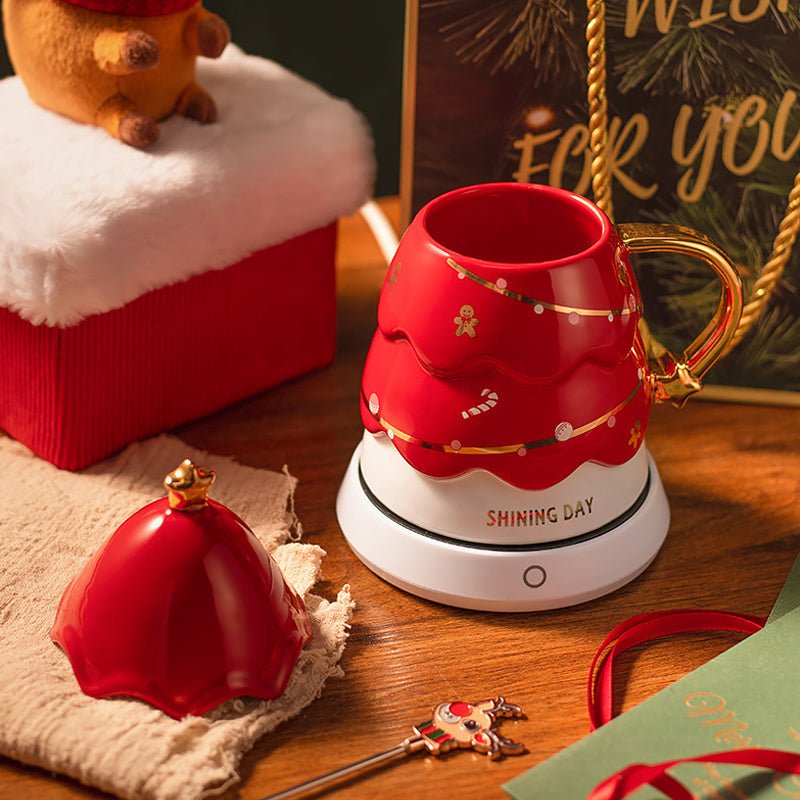
Christmas Coffee Mugs Set of 4: What to Check Before You Buy
A practical buyer’s guide for choosing a christmas coffee mugs set of 4, with the fit, finish, care, and giftability checks we use in our store before we recommend a set.
Leer más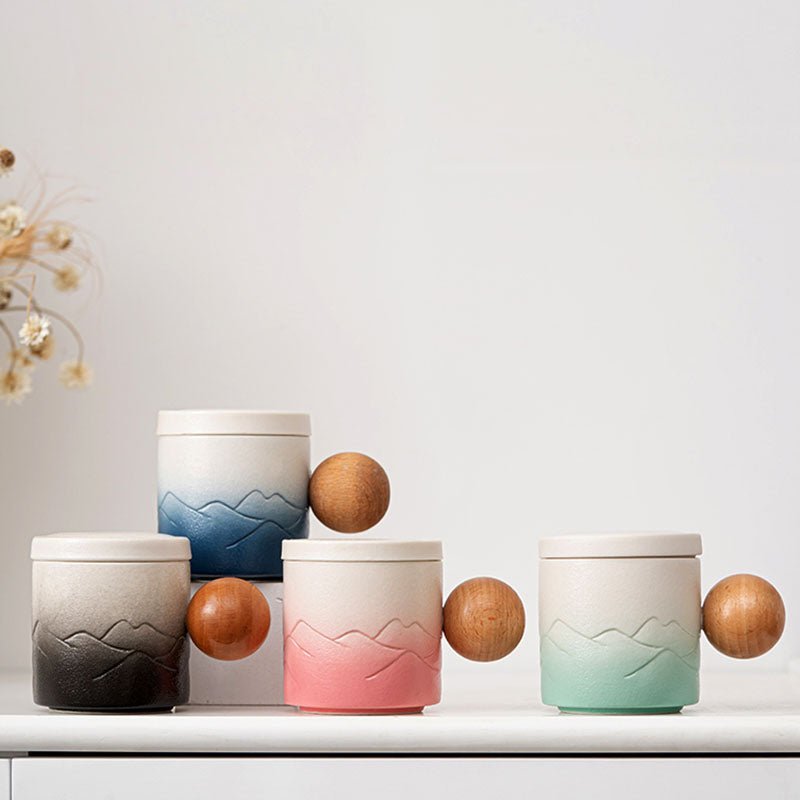
Pumpkin Coffee Mugs: How to Choose a Daily-Use Mug for Fall
Pumpkin coffee mugs should do more than look seasonal. We break down the size, material, handle comfort, and care details that matter in real kitchens and offices.
Leer más
Dejar un comentario
Este sitio está protegido por hCaptcha y se aplican la Política de privacidad de hCaptcha y los Términos del servicio.