
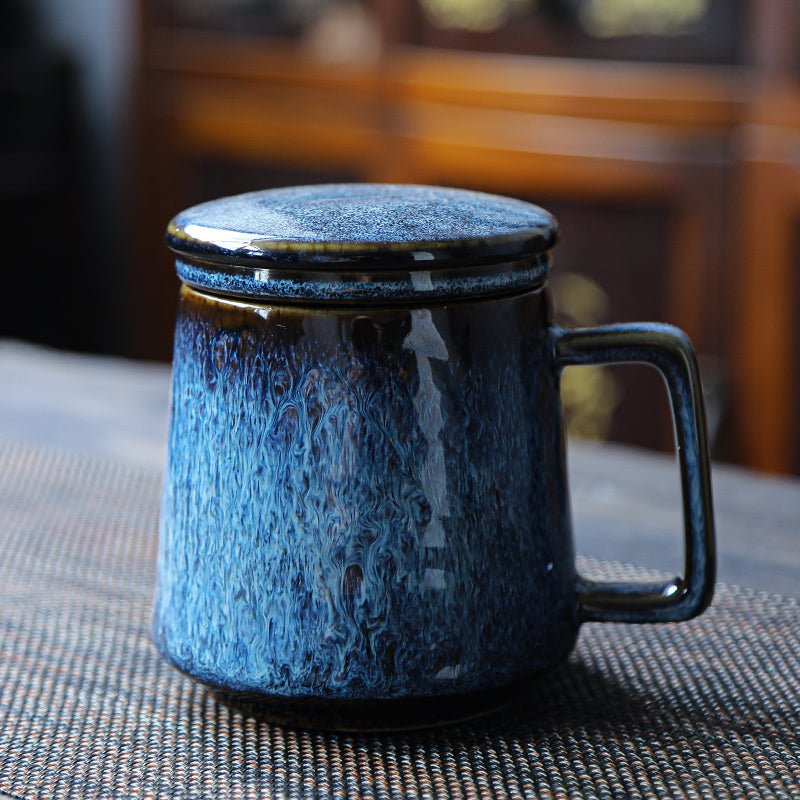
Coffee Mugs Wholesale: How to Choose Bulk Mugs That Fit Buyers
Reading time: about 9 minutes
A stack of mugs can look ready on a product page and still cause problems the moment it lands on a break room shelf. Handles feel cramped, bases wobble, glaze shows tiny pinholes, or the shape does not pack cleanly into a gift box. That is the real job of buying coffee mugs wholesale: not just picking something that looks good, but choosing mugs that work after they are unpacked, washed, stacked, and handed out every day.
At CoffeifyMug, we look at wholesale mug orders the same way a buyer does. We ask where the mugs will live, how often they will be washed, how they will be presented, and whether they need to look premium or simply hold up in daily use. If you want to compare our current assortment first, start with our all mugs collection. From there, it is easier to narrow down the shapes that fit your use case instead of guessing from photos alone.
What should you check before ordering coffee mugs wholesale?
The first mistake is assuming all mugs in the same size range behave the same way. A 12 oz mug with a tall profile feels different in the hand than a shorter, wider cup with the same capacity. In wholesale buying, that difference matters because it changes shelf presence, shipping efficiency, and how the mug feels during a long desk session.
We usually start with four checks:
- Material: Ceramic and stoneware are common because they balance weight, durability, and print-friendly surfaces. Porcelain usually feels lighter and more refined, but it can read as less substantial in hand.
- Handle clearance: A handle should leave enough room for two to three fingers without scraping the cup body. Tight handles are a small detail that become a daily complaint.
- Base stability: The mug should sit flat without a rock or wobble on a counter. A slightly uneven base can be harmless on a shelf and annoying on an office desk.
- Glaze and rim finish: Look for a smooth drinking edge, even glaze coverage, and no sharp points where the handle joins the body. Those are the places defects show up first.
If you want a deeper side-by-side view of common wholesale choices, our article on Wholesale Coffee Mugs: How to Choose Styles, Sizes, and Bulk Options is a useful companion read.
In our experience, the best wholesale mug orders are the ones that solve one specific job well. Office pantry stock wants durability and easy stacking. Retail shelves want a shape that photographs clearly. Gift orders want a profile that looks intentional when the box is opened, not generic.
Which mug styles work best for offices, retail shelves, and gift sets?
Different mug shapes carry different trade-offs. A simple cylindrical mug is easy to store and usually the safest choice for high-volume use. A more decorative body can help sell the item, but it may reduce stackability or make shipping less efficient. That is where style choice becomes a business decision, not a design preference.
Three examples from our store show how that plays out:
- Retro Coffee Tea Cup - a good fit when you want a vintage look that stands out on a retail shelf or in a gift box. The trade-off is that decorative profiles are not always the most compact for tight pantry storage.
- Ball Handled Coffee Tea Mug - useful when the handle itself is part of the visual appeal. That makes sense for display-driven orders, but a distinctive handle can be less practical for buyers who want the most space-efficient stack.
- Pleated Coffee Tea Cup - a better option when texture and form matter. It is the type of mug that works well for gifting, though textured or shaped bodies may take a little more care when packing in bulk.
For buyers comparing style first and size second, this internal guide on Wholesale Coffee Mugs: How to Choose the Right Style for Bulk Orders is worth reading before you commit to one look across the whole order.
Our practical rule is simple: if the mugs need to disappear into a pantry and survive daily grabbing, choose the most straightforward shape. If they are going to be unboxed in front of a customer, given as a thank-you item, or displayed on a shelf, a more distinctive shape can justify itself.
What sizes and shapes sell best in bulk?
Size is not only about capacity. It affects hand feel, fill line, shipping weight, and how likely a mug is to fit under a drip coffee machine or beside a laptop. Buyers often focus on ounces and miss the physical footprint, which is what customers actually notice first.
Here is the practical size logic we use in wholesale buying:
| Typical use | What buyers usually want | What can go wrong |
|---|---|---|
| Office pantry | Moderate capacity, sturdy body, easy handling | Oversized mugs take up too much cabinet space and can feel bulky in one hand |
| Retail shelf | Distinct profile, clean glaze, clear visual appeal | Highly styled mugs may not stack well and can cost more to pack securely |
| Gift sets | Premium look, comfortable handle, polished rim | A nice-looking mug can still disappoint if the handle opening is too tight |
| Everyday home use | Balanced weight and a shape that is easy to rinse and dry | Very narrow cups can be awkward to clean and less forgiving with thicker drinks |
If you are deciding between the most common capacities, these guides can help you match the mug to the buyer instead of guessing: 10 oz Coffee Mugs: What Fits, Who They Suit, and What to Check, 12 Ounce Coffee Mugs: How to Choose the Right One for Daily Use, and 14 Ounce Coffee Mugs: Size, Fit, and Buying Guide.
A smaller mug is not automatically better for wholesale, and a larger one is not automatically more valuable. Smaller cups can feel more refined and are often easier to fit into gift packaging. Larger cups can appeal to heavy coffee drinkers, but they add bulk and are not ideal for tightly packed shipping cartons.
How do durability and care affect the real cost of a bulk mug order?
The cheap mug is not always the cheap order. A lower-cost cup that chips at the rim, shows glaze flaws after a few washes, or feels unstable when stacked can create hidden costs in returns, replacements, and customer complaints. That is why we care about what happens after the first unboxing.
In our store, we pay attention to the kinds of wear that show up in real life:
- Rim chips: Often caused by handling, not just shipping. A clean rim matters because it is the first place people touch with their mouth.
- Handle stress: The point where the handle joins the body is a common weak spot. A handle can look fine and still feel brittle if the join is thin or uneven.
- Glaze inconsistencies: Tiny bubbles, pinholes, or uneven coverage may not affect use, but they can make a bulk order look less polished on a shelf.
- Base wobble: A mug that does not sit flat becomes frustrating fast, especially on desks and countertops where people notice every little movement.
Care also changes the buying decision. If your buyers want low-maintenance drinkware, a mug that can handle routine dishwasher cycles is easier to recommend than a delicate display piece that needs hand washing. That said, not every decorative mug is a bad choice. Some are perfect for light-use gifting or display. They are simply not the best fit for a busy office kitchen or a cafe back bar where cups move quickly through wash, dry, stack, repeat.
Our experience is that the most returned wholesale mugs are not the most expensive ones. They are the ones that looked fine online but turned out to be awkward in the hand, unstable on the counter, or too fragile for the way customers actually use them.
That is also why we do not push one style for every order. A retro mug is not the right answer for every office. A large mug is not always the right answer for every gift set. Matching the shape to the use case usually beats chasing the biggest-looking cup.
How do you compare bulk options without overbuying?
Bulk buying gets easier when you treat it like a short checklist instead of a guessing game. We recommend comparing mugs in this order:
- Start with the use case: office pantry, retail shelf, welcome kit, gift box, or cafe resale.
- Pick the working size: think about how much coffee, tea, or hot chocolate the buyer actually drinks.
- Check handling comfort: test the grip, handle opening, and balance in the hand.
- Review care expectations: decide whether the mug needs to be dishwasher friendly for daily use or can be reserved for lighter presentation use.
- Confirm packing and storage: make sure the shape stacks or nests well enough for the amount you plan to hold.
This is the point where many buyers decide to simplify and keep the order focused. That is usually the right move. A mixed order can be useful, but only if you have a clear reason for each style. Otherwise, a narrower selection is easier to merchandise, easier to store, and easier for your customers to choose from.
If you want to compare everything we carry in one place before narrowing the shortlist, return to the all mugs collection and shortlist the shapes that match your audience. From there, you can decide whether you want the classic look of a straight-sided mug, a more giftable silhouette, or a textured cup that gives the order some personality.
Frequently asked questions
What is the best size for coffee mugs wholesale orders?
The best size depends on where the mugs will be used. Around 10 oz often works for lighter drinkers and gift sets, while 12 oz is a common middle ground for daily use. If your buyers like larger pours, 14 oz can be a better fit, but it takes up more cabinet space and adds shipping bulk.
Are ceramic mugs a good choice for wholesale buyers?
Yes, ceramic is one of the most practical choices for coffee mugs wholesale because it balances durability, weight, and presentation. It is also familiar to shoppers, which reduces the risk of confusion at the point of sale. If you need a lighter or more premium-feeling option, porcelain may be worth comparing.
What defects should I look for before placing a bulk mug order?
Check for rim chips, wobbling bases, rough handle joins, and glaze issues like pinholes or uneven coverage. Those are the problems that usually show up after unpacking or during daily use. A mug can look fine in a photo and still have a flaw that matters to the buyer.
Are decorative wholesale mugs a bad idea for offices?
Not always, but they are usually not the most practical choice for a high-traffic office. Decorative shapes can be great for gifts or shelves, yet they may be harder to stack and store. If the mugs will be grabbed, washed, and reused all week, a simpler shape usually performs better.
Should wholesale mugs be dishwasher safe?
For most everyday buyers, yes. Dishwasher-friendly mugs are easier to live with in offices, households, and shared kitchens. If a mug needs hand washing or has a more delicate finish, it is better suited to lower-volume presentation orders rather than heavy daily use.
If you are narrowing your shortlist now, compare the shape first, then the size, then the care requirements. That sequence usually leads to better wholesale choices than chasing a single number on the capacity label. For a fast starting point, browse our full mug collection, then open the style that best fits your shelf, box, or break room.
Read more
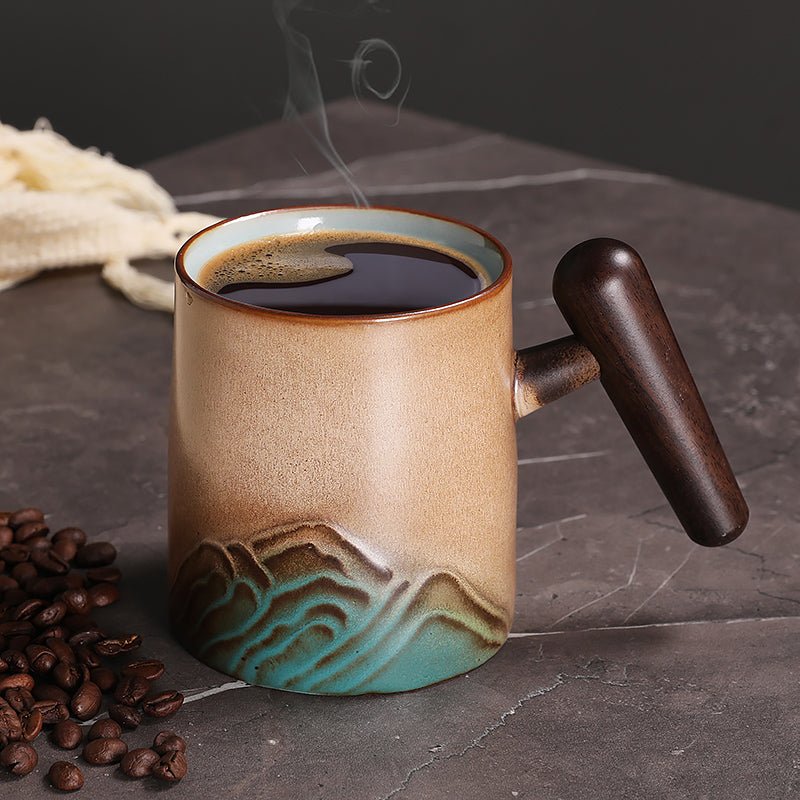
How Many Ounces Is a Normal Coffee Mug?
Most everyday mugs land around 11 to 12 ounces, but the right size depends on how you actually pour coffee at home, at work, or as a gift. We break down usable capacity, common trade-offs, and what...
Leer más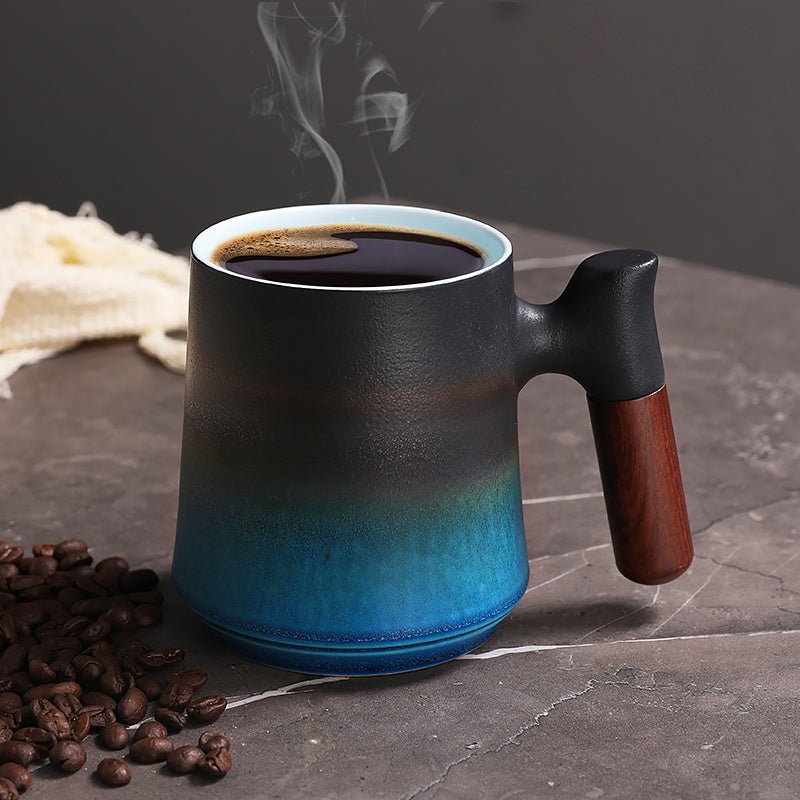
Farmhouse Coffee Mugs: Size, Style, and Buying Tips
Farmhouse coffee mugs work best when the shape, handle, and finish fit your routine. We compare size, gift appeal, care, and three store picks so you can choose one that feels right in hand and on ...
Leer más
Dejar un comentario
Este sitio está protegido por hCaptcha y se aplican la Política de privacidad de hCaptcha y los Términos del servicio.