
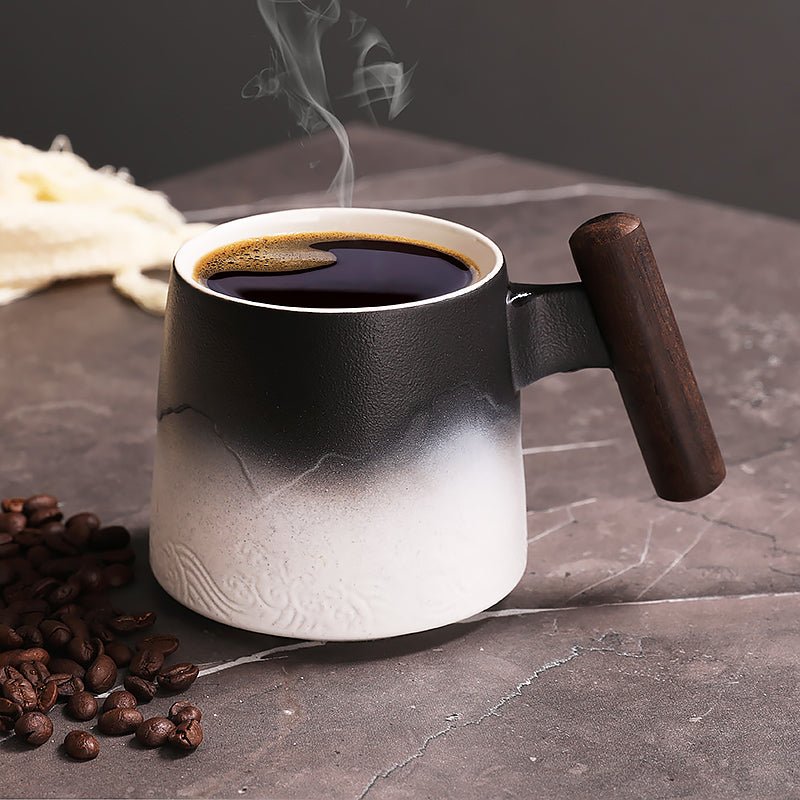
Coffee Mugs DIY: What to Buy for Personalizing Mugs at Home
Reading time: about 9 minutes
A mug that looks perfect on a craft table can feel wrong after the first wash. We see that all the time with coffee mugs diy projects: the print is nice, but the handle is awkward, the rim feels too thick, or the finish scratches when it meets a sponge.
If you are comparing mugs for painting, decals, vinyl, or gifting, the mug itself matters as much as the design. In our store, we pay attention to the parts people actually touch every day: the lip, the handle, the base, and the glaze. That is what decides whether a DIY mug feels like a keepsake or a short-lived project.
For shoppers who want a polished mug without starting from a blank slate, our Koi Fish Coffee Tea Mug, The Crane Coffee Tea Mug, and Landscape Coffee Tea Mug are good examples of finished ceramic mugs that already bring the visual interest most DIY projects try to create.
What makes a mug a good DIY base?
For coffee mugs diy, the best base is usually a smooth ceramic mug with a consistent glaze and a shape that gives your hand and your artwork enough room. A mug that is too tapered can make decals wrinkle. A mug with a rough surface can make paint markers drag or leave gaps.
We look for three practical things when we handle mugs for personalization:
- Consistent glaze: A smooth surface helps paint pens, adhesive vinyl, and printed transfers sit more evenly.
- Comfortable handle spacing: If the handle is cramped, a mug may look fine on a shelf but feel annoying during a real coffee break.
- Stable base: A flat, balanced bottom matters if the mug will sit on an office desk or be wrapped as a gift.
Material matters too. Ceramic is the usual choice for DIY because it handles heat well, has a solid feel, and gives you a clean surface to decorate. Stainless steel and some coated travel mugs can work for certain projects, but they are not the easiest starting point for beginners. If you want a mug that can be customized and still used for everyday coffee, ceramic is the safer choice.
Which mug size works best for painting, vinyl, or gifts?
Size affects more than capacity. It changes how much blank space you have for a design, how the mug sits in the hand, and how useful it is for the person who receives it. If you want a deeper size comparison before buying, our guides on 10 oz coffee mugs, 12 ounce coffee mugs, and 16 ounce ceramic coffee mugs can help you compare options by daily use.
| Size | Best for | Trade-off |
|---|---|---|
| 10 oz | Compact desks, espresso-plus-milk drinks, smaller gift sets | Less space for artwork and less room for large pours |
| 12 oz | Most everyday coffee and tea drinkers | Can feel ordinary if you want a large statement piece |
| 14-16 oz | Long coffee breaks, soup, larger hands, bigger designs | Bulkier and heavier when full |
For coffee mugs diy, a 12 oz mug is often the easiest place to start. It gives enough surface area for names, quotes, icons, or simple illustrations without becoming hard to grip. Larger mugs are better if your design needs more room, but they also take longer to heat evenly in some uses and can feel oversized on a small kitchen shelf.
Should you buy a blank mug or a finished mug for DIY use?
This depends on how much work you want to do yourself. A blank mug gives you a totally custom result. A finished mug gives you a design that already looks complete, which can be the better choice if your goal is gifting or simple styling rather than a full craft project.
Blank mugs are better if you want to:
- Paint by hand with ceramic markers or underglaze
- Add vinyl names or monograms
- Match a specific event theme, like a bridal shower or office gift exchange
Finished mugs are better if you want:
- An instant gift that still feels personal
- A mug that already looks curated on a shelf or desk
- Less risk of smudges, peeling vinyl, or uneven hand-painting
That trade-off matters. A handmade design can be charming, but it can also chip, fade, or look uneven after repeated washing if the materials are not chosen carefully. A finished ceramic mug is not the right choice if your main goal is a fully blank canvas. But it is a smart choice if you want something attractive now and usable later.
What details matter most before you personalize a mug?
We have handled enough mugs to know that the small things show up fast once the mug is in someone’s kitchen. The rim, the handle, and the glaze finish can change how the mug performs after a few dishwasher cycles.
Here are the details we check before recommending a mug for coffee mugs diy:
- Rim comfort: A smooth, even rim feels better for daily drinking, especially with hot coffee or tea.
- Handle shape: Wide enough for two or three fingers, not just one tight grip.
- Glaze consistency: Uneven spots can interfere with adhesives and make paint look streaky.
- Artwork placement: Make sure the mug has enough uninterrupted area for the design without wrapping too tightly into the handle.
- Cleaning tolerance: If you plan to hand-decorate, check whether your chosen materials are meant for hand washing rather than repeated dishwasher use.
We also recommend thinking about common defect modes before you buy. A mug can arrive with a pinhole in the glaze, a handle that feels slightly off-center, or a base that leaves a wobble on the table. Those are small issues on paper. In real use, they are exactly the things people notice when they pick up the mug every morning.
How do our best-selling mugs fit into a DIY-friendly buying decision?
Sometimes the smartest DIY move is not to start from scratch. A mug with a strong visual identity can be a better gift than a heavily altered blank, especially if your design skills are basic or you need something ready for a birthday, office swap, or housewarming.
That is why shoppers often compare their DIY plans with already designed mugs like our Koi Fish Coffee Tea Mug, which works well for people who like organic patterning and a calmer look; The Crane Coffee Tea Mug, which feels more graphic and giftable; and Landscape Coffee Tea Mug, which suits anyone who prefers a scenic, display-ready mug without extra decorating steps.
These are not blank mugs, and that is the point. If you want a finished piece that still feels personal without the mess of curing paint or the risk of crooked decals, a pre-designed ceramic mug can be the better purchase. If your goal is full customization, start with a plain ceramic blank instead and compare styles in our full mug collection.
Our experience in store is that buyers often start shopping for DIY supplies and end up happier with a mug that is already visually balanced. The right base saves time, and it avoids the common problem of decorating a mug that never feels quite finished.
What DIY methods actually hold up on a coffee mug?
Not every craft method survives real daily use. Some look great on day one and then disappoint after the first rinse. If you are planning coffee mugs diy for practical use, choose methods that match how the mug will be washed and handled.
- Paint pens: Good for simple lettering and line art. Best on smooth ceramic, but they can scratch if not cured or sealed properly.
- Vinyl decals: Clean and precise for names and logos. They look sharp, but edges can lift if water gets underneath.
- Sublimation: Works on compatible coated blanks, not on every ceramic mug. It gives a durable look when done with the right materials.
- Hand-painting: Great for a one-of-a-kind feel. It is the most forgiving creatively and the least forgiving technically.
For any of these, test your design placement before committing. Wrap a strip of paper around the mug first. Mark where the handle starts and where the art will stop. That simple step avoids a lot of off-center results.
What should you avoid if you want the mug to last?
Some choices make a mug look handmade in the wrong way. We do not recommend very rough surfaces, flimsy handles, or novelty shapes if you want a mug that will be used every day. Tall narrow mugs may look stylish, but they can be harder to clean and less stable on crowded desks.
Also avoid rushing the finishing step. A mug that needs curing, drying, or sealing should be left alone for the full recommended time. Putting it into a dishwasher too early is one of the most common reasons DIY work fails. The mug may still be structurally fine, but the design can soften, scratch, or peel at the edges.
If you want a mug that can take normal daily use with less risk, a finished ceramic mug is usually safer than a heavily decorated craft project. If you want absolute freedom in design, accept that the mug may need extra care and occasional hand washing.
Frequently asked questions
What size mug is best for coffee mugs diy?
A 12 oz mug is the easiest all-around choice for coffee mugs diy because it offers enough surface area for a design without feeling oversized. If you want more artwork space, 14 oz or 16 oz gives you more room, but the mug will feel bulkier in hand.
Can I use vinyl on any ceramic mug?
Not every ceramic mug works equally well with vinyl. Smooth glaze helps the adhesive sit properly, while textured or uneven surfaces can cause lifting at the edges. For best results, use a clean, dry mug and press the decal down firmly before it ever meets water.
Are finished mugs a better gift than DIY mugs?
They can be, especially if you need something polished fast. A finished mug is less likely to have crooked lettering, paint bleed, or curing issues. If you want a gift that is ready to use immediately, a well-designed ceramic mug is often the safer buy.
Should I hand wash a personalized coffee mug?
Yes, if you used paint pens, decals, or any craft finish that is not clearly rated for heavy dishwasher use. Hand washing is gentler on the design and helps prevent peeling or fading. Even then, avoid soaking the mug for long periods.
What is the biggest mistake people make with DIY mugs?
Picking the wrong base. A mug that feels awkward to hold, has a poor glaze, or leaves too little room for artwork can ruin the finished result no matter how good the design is. Start with the mug shape first, then choose the decoration method.
What should you buy next if you want a mug that looks good and still gets used?
If you want a straightforward next step, compare the mug size, handle feel, and whether you want a blank canvas or a finished design. Then decide how much hand washing you are willing to do. That one decision narrows the field fast.
Start with our full mug collection if you want to compare styles in one place, or jump straight to the Koi Fish Coffee Tea Mug, The Crane Coffee Tea Mug, and Landscape Coffee Tea Mug if you want a ready-made mug that already feels giftable. If you are still deciding on size, our posts on 12 oz coffee mugs and 14 ounce coffee mugs are a useful next stop.
Read more
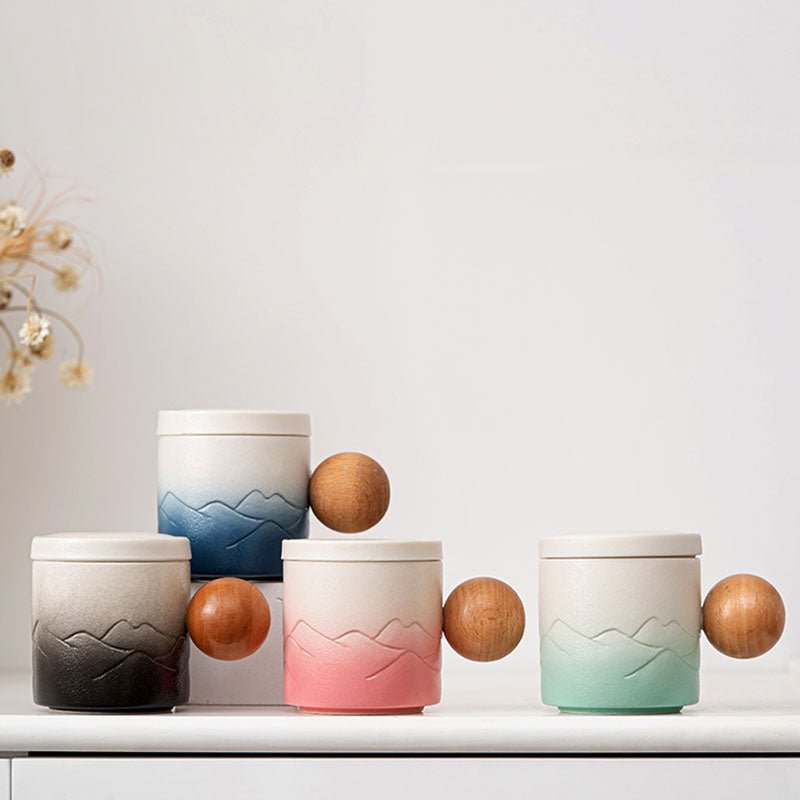
Thick Coffee Mugs: How to Choose the Right Daily Mug
Thick coffee mugs feel sturdier in the hand, hold heat longer, and usually hold up better on a busy counter. Here’s how we compare wall thickness, weight, rim comfort, and the trade-offs before you...
Leer más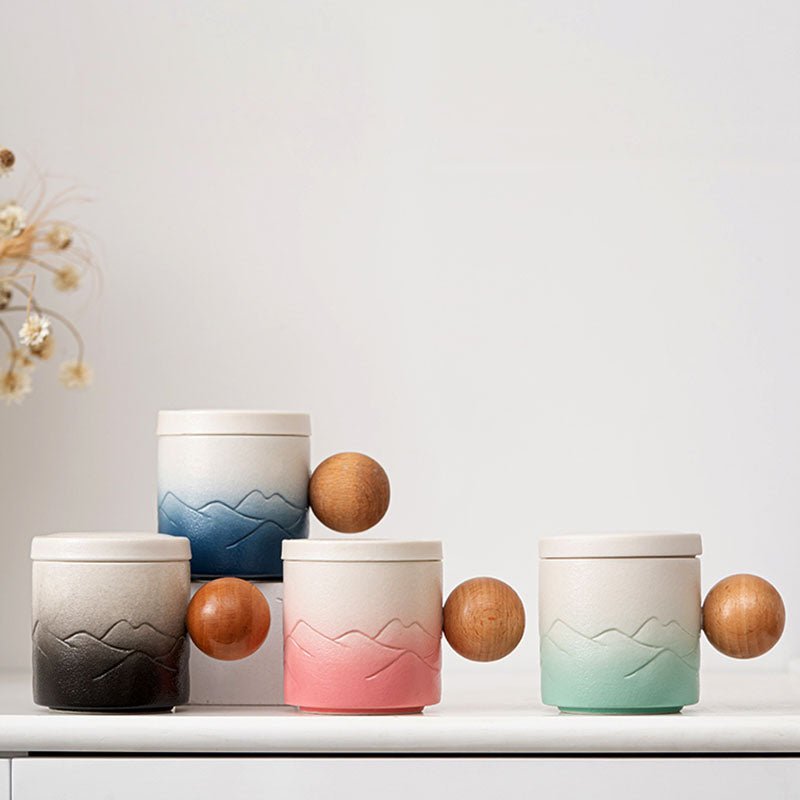
Halo Coffee Mug Buying Guide for Fit, Comfort, and Daily Use
A halo coffee mug should feel balanced in hand, sit flat on the counter, and work for the drinks you actually make. We break down the checks that matter before you buy.
Leer más
Dejar un comentario
Este sitio está protegido por hCaptcha y se aplican la Política de privacidad de hCaptcha y los Términos del servicio.