
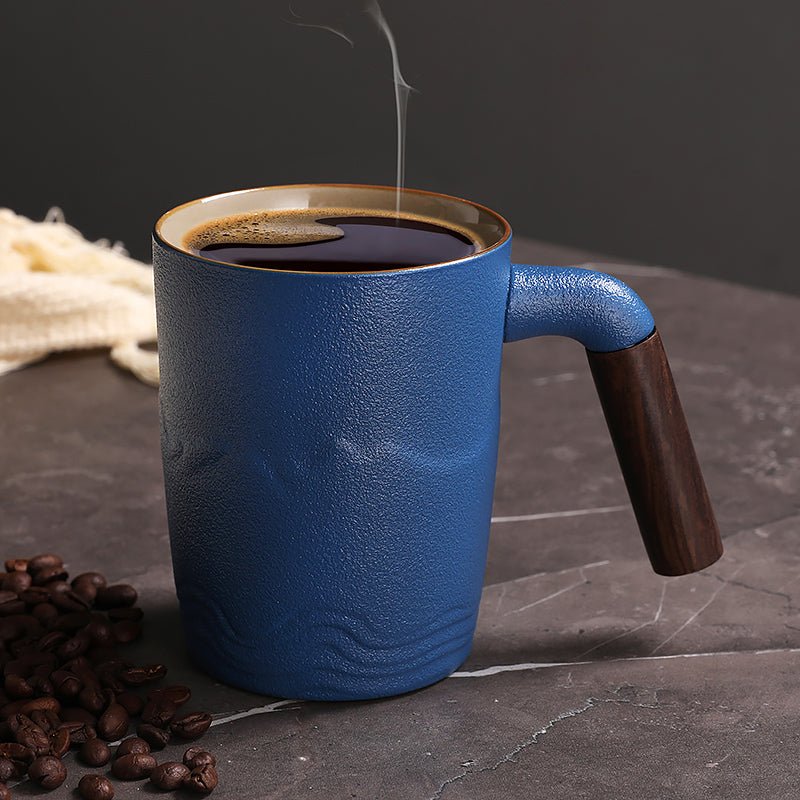
Coffee Mugs Coffee: How to Choose the Right Mug for Daily Use
Reading time: about 9 minutes
A mug that feels fine for the first sip but gets awkward by the third refill usually ends up at the back of the cabinet. We see that all the time with coffee mugs coffee buyers: the size looks right online, then the handle feels too narrow, the base is a little wobbly, or the finish chips sooner than expected.
In our store, we look at mugs the same way shoppers do at home, at work, and while unboxing a gift. A good mug should fit the drink you actually make, the way you wash dishes, and the hand that will use it every day. If you want a broader buying framework first, start with our guide to Coffee Mugs: How to Choose the Right Size, Material, and Style.
What makes a coffee mug worth buying?
The best coffee mugs coffee choices are the ones that solve small daily annoyances. A good mug feels balanced when full, keeps the drink at a usable temperature long enough to finish it, and survives ordinary washing without losing its shape or finish.
We judge mugs on a few practical details:
- Capacity: Common everyday sizes usually sit around 8 to 15 ounces, while larger mugs are better for long drinks or heavy pours.
- Handle comfort: The opening should fit more than just a fingertip grip, especially if the mug will be used before breakfast or after a long workday.
- Rim and wall thickness: A thinner rim can feel nicer on the lips, while a thicker wall often gives a sturdier feel and better heat retention.
- Base stability: A flat, even base matters on crowded desks and slick kitchen counters.
- Finish quality: We look for smooth glaze, clean seams, and prints that do not feel raised or uneven in the hand.
That last point matters more than many shoppers expect. A mug can look great in photos and still feel off if the handle joint is sharp, the foot ring is rough, or the glaze has tiny pinholes that collect stains over time.
Which material should you choose for everyday use?
Material changes how a mug feels, how it holds heat, and how it wears over time. The right choice depends on your routine, not just style.
If you want a deeper material comparison, our article on Ceramic Coffee Mugs: What to Look For Before You Buy covers the details shoppers often miss.
Ceramic and stoneware
Ceramic is the most familiar option for a reason. It feels substantial, handles regular coffee well, and usually works for home or office use. Stoneware tends to be a little heavier and more durable-feeling, which some shoppers like for a desk mug or a daily morning cup.
The trade-off is weight and chip resistance. Ceramic and stoneware can chip on the rim or foot if they knock against a sink or get stacked carelessly. They are not the best choice if you need something nearly indestructible or ultralight.
Porcelain
Porcelain mugs often feel a bit more refined, with a smoother finish and a lighter hand feel. They are a strong fit for people who prefer a cleaner look and a thinner drinking edge.
The limitation is straightforward: thinner mugs can feel less rugged. If a mug will be tossed into a busy office dishwasher rack or handled by kids, porcelain may not be the toughest option.
Stainless steel and insulated options
These are better for heat retention and spill resistance than for the classic cup-and-saucer feel. If someone wants coffee to stay warm through a long commute or a slow morning, a travel-style vessel makes more sense than a standard mug. For that use case, our Coffee Travel Mugs: How to Choose the Right One for Daily Use guide is the better fit.
They are not ideal if you want a traditional mug experience on a kitchen table. Some people also prefer ceramic because stainless steel can change the feel of the drink.
How do size and shape change the way a mug feels?
Size is where many coffee mugs coffee buyers make the wrong assumption. Bigger is not always better. The right size depends on how much coffee you actually pour, how much room you want for milk, and whether you like a mug that feels compact or generous.
We usually think about mug size in three practical groups:
- Small mugs: Better for shorter pours, espresso-based drinks, or people who do not want a lot of volume cooling on the desk.
- Standard mugs: A safe everyday choice for drip coffee and most kitchen routines.
- Large mugs: Useful if you add milk, make big pours, or prefer a single mug that lasts longer before a refill.
If you know you want something larger, our A buyer's guide to large capacity coffee mugs explains when bigger mugs are genuinely useful and when they just take up more cabinet space.
Shape matters too. A wider mug can cool faster and make room for cream, while a taller mug may feel better in the hand and fit under more coffee makers. A mug with a narrow base but a wide top can feel elegant, but it may not be the best pick for a cluttered office desk with notebooks, chargers, and a laptop nearby.
What details matter if the mug will live on a desk?
Office mugs fail in predictable ways. They spill when bumped, stain from leftover coffee sitting too long, or become uncomfortable after repeated microwaving. We pay close attention to the details that matter in that setting.
For a desk mug, look for:
- A stable base that sits flat and does not rock.
- A handle large enough to grab quickly without twisting your wrist.
- A glaze or finish that wipes clean after sitting through one long meeting.
- A shape that fits under a coffee machine or near a kettle without constant rearranging.
- A material that tolerates regular dishwasher use if that is part of your routine.
For more use-case comparisons, our article on Best Coffee Mugs for Daily Use, Gifts, and Office Desks is a helpful next read. It is especially useful if you are choosing one mug for commuting, one for the desk, or one as a gift.
How should you judge quality before you buy?
Good mug quality is visible in the parts most people skip past. We inspect the rim, the handle, the base, and the glaze before we think about design.
Here is what we look for in our experience handling this category:
- Even glazing: Uneven glaze can hide rough spots or create areas that stain faster.
- Clean handle attachment: The join where the handle meets the body should feel secure and smooth, not sharp or pinched.
- Consistent wall thickness: Big differences in thickness can make a mug feel unbalanced and heat unevenly.
- Foot ring finish: A rough foot can scratch counters and make stacking less pleasant.
- Microwave and dishwasher practicality: If a mug will be used daily, convenience matters more than decorative detail alone.
Common defect modes include hairline glaze cracks, chipped rims, faint wobble on the table, and print that starts to fade after repeated washing. None of those are dramatic at first. They just turn a mug from favorite to backup faster than expected.
Which styles are best for gifts, and which are not?
Gift mugs need a little more thought than a self-purchase. The best gift mugs usually balance personality with usefulness. A highly decorative mug can be fun, but if the handle is uncomfortable or the interior is too narrow to clean easily, it may not get used much.
Our practical rule is simple: if you are gifting coffee mugs coffee to someone you know well, choose a style that matches how they actually drink coffee. A person who makes one quick cup before work probably wants something different from someone who spends an hour at the kitchen table with a large pour.
Gift mugs are not the best choice if you do not know the person’s preferences at all. In that case, a neutral, well-made everyday mug is safer than a novelty design that feels personal only to the buyer. If you want holiday-specific ideas, our guide to Christmas Coffee Mugs: How to Choose Gifts, Sets, and Everyday Favorites helps narrow the field without overcomplicating it.
What should you expect from coffee mugs in daily use?
Daily use is where the trade-offs show up. A mug that looks great on day one may become annoying if the handle traps heat, the surface stains easily, or the shape is awkward to stack with other dishes.
In our experience, the mugs people keep reaching for are not always the prettiest. They are the ones that disappear into the routine: easy to hold, easy to rinse, easy to trust on a Monday morning. That is why we suggest thinking about your actual habits before buying.
Ask yourself:
- Do I usually drink black coffee, or do I add milk and need more room?
- Will this mug live in a cabinet, on a desk, or near the sink?
- Do I care more about heat retention or a lighter drinking feel?
- Will I wash it by hand, or does it need to handle dishwasher cycles regularly?
If you want to compare current styles and see what fits your routine, browse our products page or review the full collection.
Frequently asked questions
What size coffee mug is best for everyday use?
For most people, a standard mug is the easiest everyday choice because it fits a normal cup of drip coffee without feeling oversized. If you add milk or prefer a longer drinking window, a larger mug can make more sense. The best size is the one that matches how you actually pour coffee, not the one that looks best in a photo.
Are ceramic coffee mugs better than stoneware?
Ceramic and stoneware both work well for coffee, but they feel a little different in hand. Ceramic often feels smoother and a bit lighter, while stoneware usually feels heavier and more rugged. If you want a mug that feels solid on a desk, stoneware is a strong option; if you want a slightly cleaner, lighter feel, ceramic may suit you better.
Can I put every coffee mug in the dishwasher?
No. Many mugs are dishwasher-safe, but decorated finishes, metallic details, and some printed designs can wear faster with repeated cycles. We recommend checking the care guidance for each mug and avoiding harsh stacking that can chip rims during washing.
What should I avoid if I want a mug for work?
A mug with a weak base, a tiny handle, or a finish that stains easily is frustrating on a desk. Avoid shapes that feel top-heavy or are hard to grip quickly when full. If your desk is crowded, a mug that is too wide can also get in the way more than it helps.
Are large coffee mugs a good idea?
They are useful if you like bigger pours, add milk, or do not want to refill often. They are not ideal if you drink small portions and want your coffee to stay hotter for longer. If you are unsure, compare a standard mug against a large-capacity option before choosing one size for everything.
If you are still deciding, start with the mug size and material that match your daily routine, then narrow by handle comfort and care needs. From there, check our full collection and compare the everyday options against the large-capacity and ceramic-focused guides above.
More from our blog
Read more
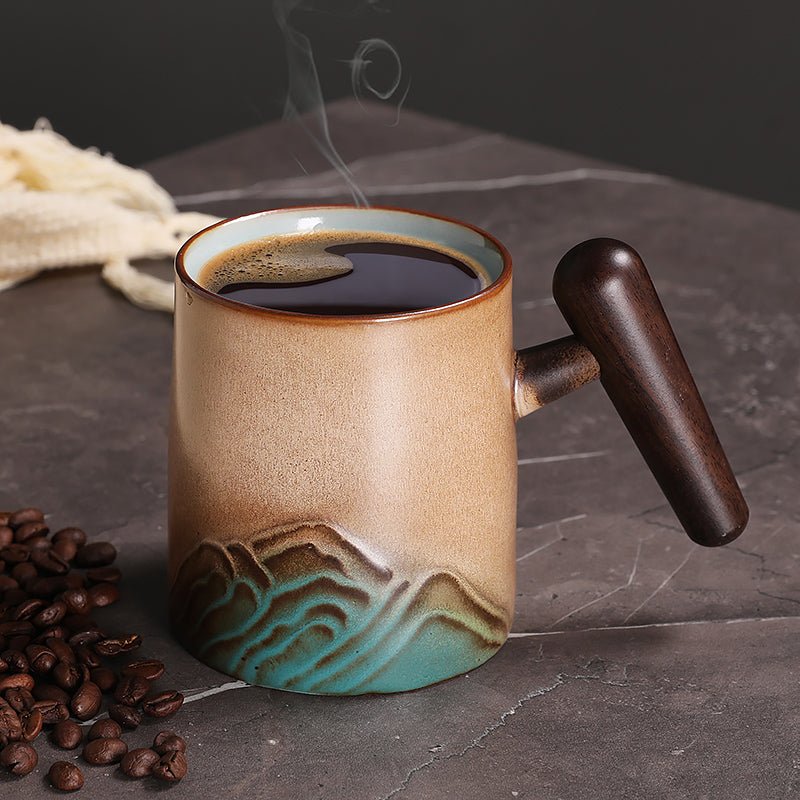
Cool Mugs That Actually Get Used: How to Choose the Right One
A cool mug should do more than sit on a shelf. We break down the materials, sizes, and design details that make a mug worth buying for daily coffee, gifts, or office use.
Leer más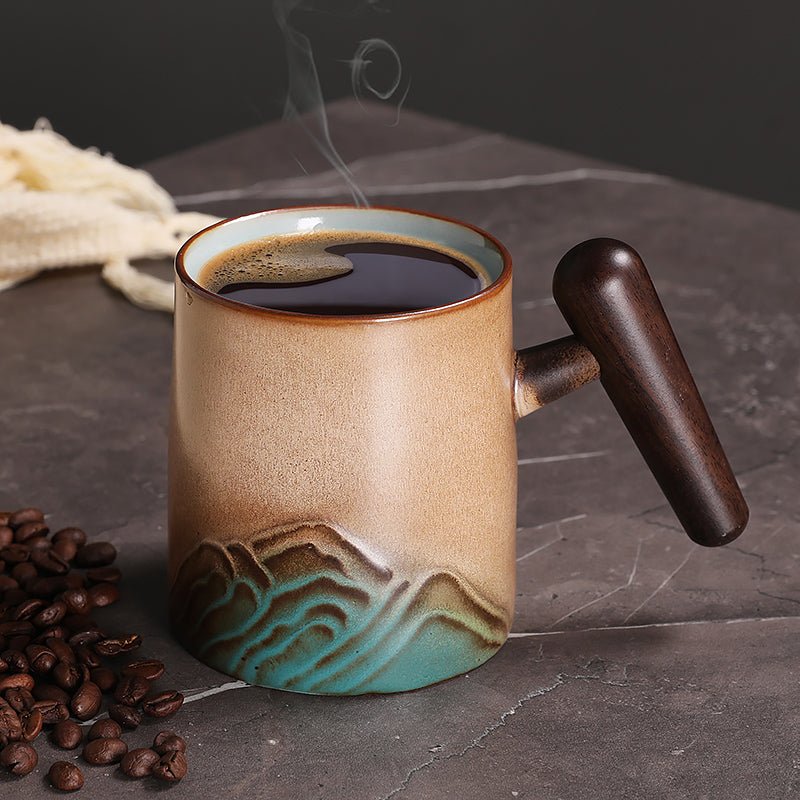
Miir Coffee Mug Buying Guide: What to Check Before You Buy
A practical look at what matters in a miir coffee mug: insulation, lid style, size, and everyday cleanup. We break down the trade-offs so you can choose the right one for commuting, desk use, or gi...
Leer más
Dejar un comentario
Este sitio está protegido por hCaptcha y se aplican la Política de privacidad de hCaptcha y los Términos del servicio.