

Coffee Mug with Handle: How to Choose the Right Size and Material
Reading time: about 9 minutes
A coffee mug with handle can look perfect in a product photo and still feel awkward after the first pour. The handle may pinch your knuckles, the mug may tip forward on a desk, or the rim may feel too thin once the coffee gets hot.
In our store, we see the same thing again and again. Buyers want a mug that works on a kitchen counter, an office desk, and during a gift unboxing without creating small frustrations a week later. The useful details are usually the quiet ones: handle clearance, wall thickness, base stability, and care instructions.
What makes a coffee mug with handle comfortable to hold?
Comfort starts with the handle, but it does not end there. A mug can have a large handle and still feel wrong if the opening is too narrow, the body is too tall, or the center of gravity sits too high once it is full.
When we handle mugs in our own checks, we look for a few simple things that tell you more than a staged photo does:
- Handle clearance: Two fingers should fit without pressing your knuckles against the hot wall of the mug.
- Balanced weight: The mug should feel steady when full, not top-heavy or easy to tip on a crowded desk.
- Rim comfort: A smooth, even rim matters for daily use. A sharp lip gets annoying fast.
- Base stability: A flat, slightly wider base is safer on kitchen counters, bedside tables, and office desks.
The handle also needs to match the way you drink. If you curl your hand fully around the mug, a narrow loop can feel cramped. If you only use two fingers through the handle, a larger opening usually feels better. That small detail matters more for a coffee mug with handle than many shoppers expect.
Which material fits your routine best?
Material changes everything: heat retention, weight, microwave use, dishwasher care, and even how the mug feels in the hand. The right choice depends on where you actually drink coffee.
| Material | Best for | Trade-offs | Care notes |
|---|---|---|---|
| Ceramic | Home kitchens, office desks, gift sets, daily drip coffee | Can chip on sinks and counters; may not hold heat as long as insulated options | Usually dishwasher-safe if the finish allows it; avoid thermal shock |
| Stainless steel | Longer heat retention, travel-friendly routines, busy desks | Often not microwave-safe; bare metal interiors can feel less traditional for some buyers | Check lid fit, interior finish, and whether the handle stays comfortable when the body is hot |
| Glass | People who want to see the drink and prefer a clean, simple look | More fragile; the handle can still warm up depending on the build | Wash carefully and avoid sudden temperature changes |
Ceramic is still the most straightforward choice for a classic coffee mug with handle. It reheats easily, feels familiar, and fits most home routines. Stainless steel makes more sense if you want better heat holding and a mug that sees more movement, but it is not the best pick for anyone who wants a microwave-safe mug. Glass works for some buyers, but it is not the best option if the mug will live near a sink full of dishes or get knocked around on a crowded office shelf.
If you are leaning toward a mug that keeps coffee hot longer, our notes on Best Insulated Coffee Mug with Handle: What Buyers Should Check and Insulated Coffee Mug with Handle and Lid: What Buyers Should Check are worth reading before you decide.
What size should you choose?
Size sounds simple, but it changes the whole experience. A mug that is too small feels like constant refills. A mug that is too large can make a normal pour look lost in the bottom, and if you add milk or cream, it can become harder to judge the fill level.
For shoppers comparing common sizes, our related guides on 10 oz Coffee Mug: Size, Fit, and What to Check Before You Buy, 11 oz Coffee Mug: Size, Fit, and What to Check Before You Buy, and 12 oz Coffee Mug: Size, Fit, and What to Check Before Buying cover the most common capacity questions.
- 10 oz: Good for smaller pours, espresso-based drinks, and people who like a compact mug that warms quickly in the hand.
- 11 oz: A practical middle ground for many daily coffee drinkers.
- 12 oz: Better if you pour a fuller cup, add milk, or want a mug that feels substantial.
For a coffee mug with handle, size affects handle comfort too. A larger mug body can crowd the handle, especially if the wall is thick. That is why we always check whether the handle still leaves room for two fingers when the mug is full.
Do you need insulation, a lid, or just a classic open mug?
The honest answer is that not everyone needs a lid. A classic open mug is easier to clean, easier to microwave, and better for slow sipping at home or at a desk. It is not the right choice for a commute, a long meeting, or any setup where you need to keep liquid hot for a longer stretch.
Insulated mugs and lidded mugs solve a different problem. They help with heat retention and reduce splash risk, but they bring trade-offs that matter in real use:
- Lids add cleaning work: Crevices, vents, and gaskets need a closer wash than a simple ceramic mug.
- Some lids change the drinking feel: The sip opening can be smaller than you expect.
- Not every insulated mug is microwave-safe: That matters if you reheat coffee often.
- Travel mugs are not always desk mugs: A shape that fits a bag may feel bulky on a bedside table.
If heat retention is your priority, our team points buyers to Insulated Coffee Mug with Handle: What Buyers Should Check and, for commuters, Travel Coffee Mug with Handle: What Buyers Should Check Before Buying. Those are better fits than a plain open mug if coffee sits for a while before you finish it.
A classic open coffee mug with handle is not the best choice for the car, the workshop, or anywhere you need a lid to prevent spills. That limitation is normal. It just means the mug should match the job.
What should you check before you buy from our store?
Before you choose from our product selection or compare the wider range in all collections, check the details that are easy to miss on a product page but obvious once the mug arrives on a kitchen counter.
- Handle join: Look for a clean, solid connection with no wobble or sharp edge where the handle meets the body.
- Rim finish: An even rim is more comfortable and less likely to feel rough after repeated dishwashing.
- Base width: A stable base matters more than people think, especially on crowded desks.
- Interior finish: Smooth interiors are easier to rinse and less likely to trap coffee residue.
- Care instructions: Confirm whether it is dishwasher-safe, microwave-safe, or hand-wash only.
In our experience, the defects that frustrate buyers most are not dramatic. They are small and practical: a hairline glaze crack, a handle that feels slightly off-center, a rim seam that catches your lip, a loose lid, or a chipped base from shipping or rough storage. Those are the things worth checking before you buy.
This is also where the right mug depends on the setting. A mug for a home office can be simple and open. A mug for gifting may need a cleaner glaze, a better box, and a handle that feels comfortable for a wide range of hands. A mug for everyday use should prioritize sturdiness over novelty.
How should you clean and maintain it?
Good care keeps a mug from looking tired too quickly. That matters if you use it every morning, wash it nightly, or stack it with other drinkware in a tight cabinet.
- Use the right wash cycle: If the maker says dishwasher-safe, the top rack is usually the safer option for printed or decorated surfaces.
- Avoid thermal shock: Do not move a very cold ceramic mug straight to boiling water. Sudden temperature change can lead to cracks.
- Skip abrasive scrubbers: They can dull glaze, scratch coated interiors, or mark stainless steel surfaces.
- Dry the handle and base: Water trapped at the bottom can leave spots and make stacking messier.
- Watch the lid parts: If the mug includes a lid, remove seals and wash them separately when the design allows it.
If you buy a mug for daily desk use, these care steps matter as much as capacity. A mug that cleans quickly will get used more. A mug that traps stains or keeps a sour coffee smell in the lid usually ends up pushed to the back of the cabinet.
Frequently asked questions
What size coffee mug with handle is best for daily coffee?
For most daily coffee drinkers, 11 oz or 12 oz is the most practical range. It gives you enough room for a normal pour and a little milk without feeling cramped. If you prefer smaller servings or stronger coffee, 10 oz can feel better in the hand.
Is a ceramic coffee mug with handle better than stainless steel?
Ceramic is usually better for home use because it is microwave-friendly and familiar to drink from. Stainless steel is better if you want more durability or longer heat retention. It is not the best choice if you reheat coffee often in the microwave.
Can I put a coffee mug with handle in the dishwasher?
Many ceramic mugs are dishwasher-safe, but not all printed or coated mugs should go through heavy cycles. We check the care notes carefully because lids, seals, and decorative finishes often need gentler washing. If the mug has a special coating, hand washing can help it last longer.
What handle size should I look for if I have larger hands?
Look for a handle that leaves room for at least two fingers without pressing your knuckles into the mug body. A thicker mug wall can reduce handle clearance, so the outer shape matters as much as the handle itself. If you are between sizes, a slightly larger opening is usually the safer choice.
Is a lid necessary on a coffee mug with handle?
No. A lid is useful if you want to reduce splashes or keep coffee warm a little longer, but it also adds cleaning work and can change the drinking feel. If you mostly sip at a desk or at home, a classic open mug is usually simpler and more pleasant.
If you are still deciding, start with three checks: handle comfort, capacity, and care instructions. Then compare the available options in our all collections and choose the mug that fits the way you actually drink coffee, not just the way it looks on a shelf.
More from our blog
Related from our store
Read more
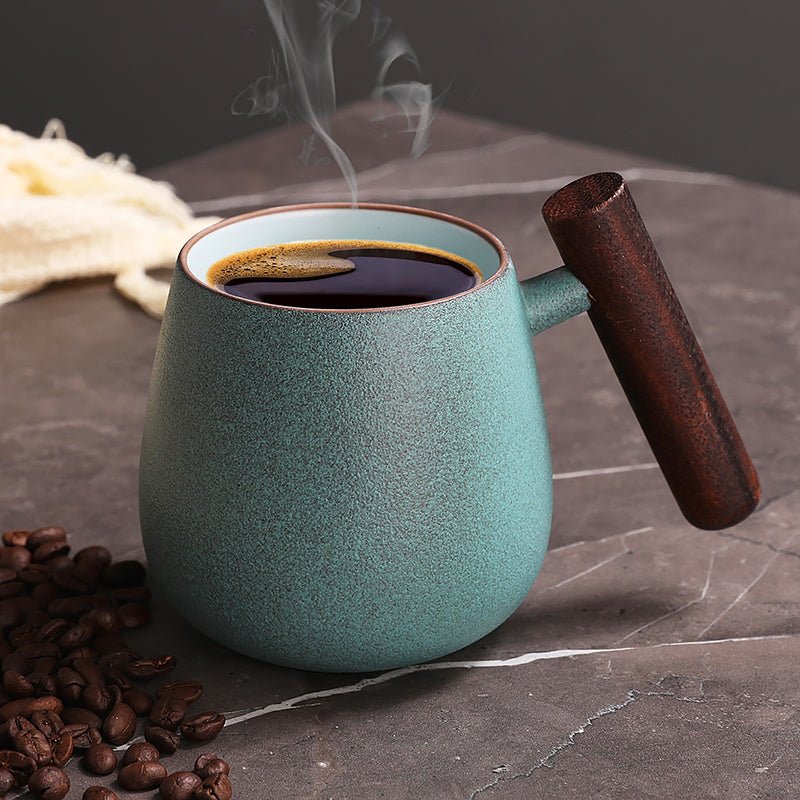
Teacher Coffee Mug Gifts That Actually Get Used Every Day
Practical teacher coffee mug gifts work best when they fit real desk routines: morning coffee, tiny breaks between classes, and a handle that feels comfortable after a long day. This guide helps sh...
Leer más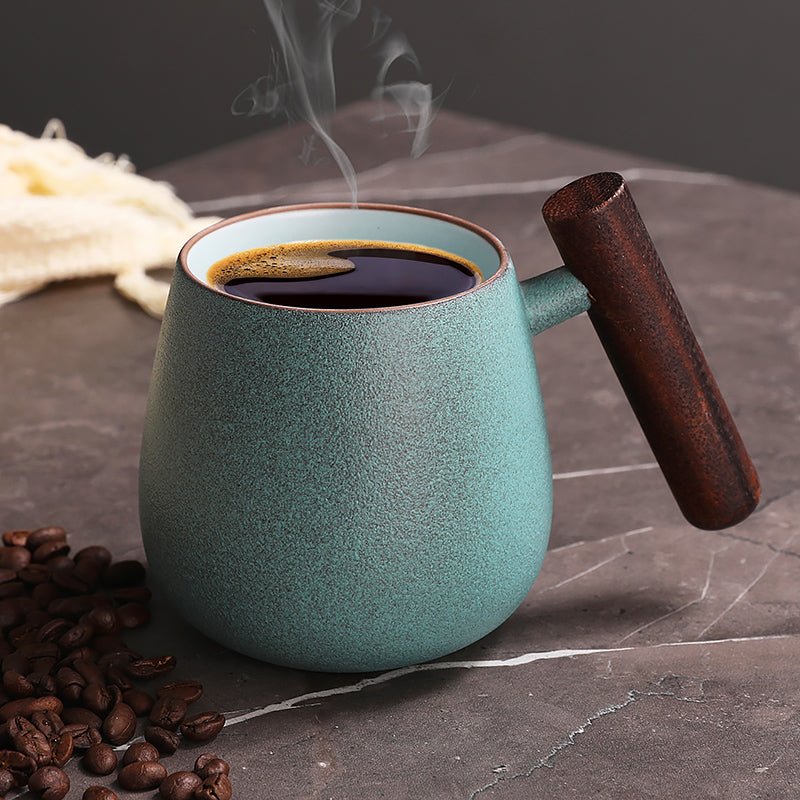
Coffee Mug Buying Guide: How to Choose Size, Shape, and Everyday Use
A practical guide to choosing a coffee mug that fits your drink habits, your cabinet space, and your dishwasher. We compare shape, size, and daily use so you can buy the right mug the first time.
Leer más
Dejar un comentario
Este sitio está protegido por hCaptcha y se aplican la Política de privacidad de hCaptcha y los Términos del servicio.