
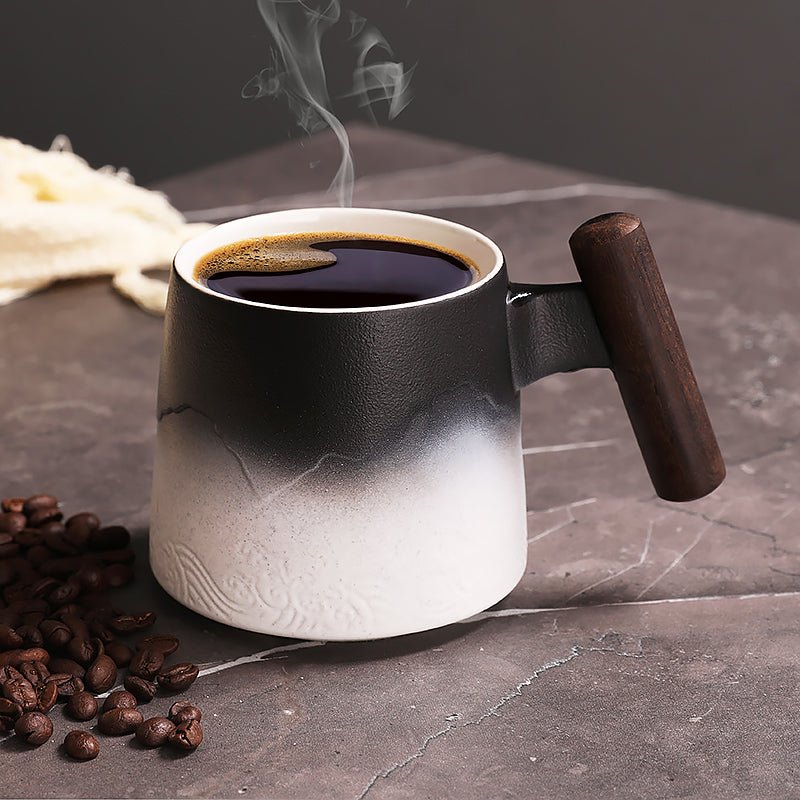
Coffee Mug to Go: What to Check Before You Buy
Reading time: about 10 minutes
The problem usually shows up before the first sip is gone. The lid drips on the commute, the mug does not fit a cup holder, or the coffee picks up a stale taste after a few days in the office drawer. That is why a good coffee mug to go is less about looks and more about the details you can actually live with.
We see the same pattern in our store side conversations: shoppers start with color, then end up caring about seal quality, capacity, and how easy the mug is to rinse after a long day. A travel mug only feels worth it if it works on a kitchen counter at 7 a.m., in a car at 8 a.m., and on a desk at 2 p.m. If you want the broader buying framework first, our Coffee Go Mug Buying Guide: What to Check Before You Order covers the main checks we use before we recommend a mug. For daily-use trade-offs, our Go Coffee Mugs: How to Choose the Right Travel Mug for Daily Use article goes deeper on real routines.
What should you check first on a coffee mug to go?
Start with the parts that make or break daily use. A coffee mug to go can look solid in a product photo and still fail on the road if the lid leaks, the body is too tall, or the opening is awkward to drink from while walking. In our experience, the first three checks should be simple: seal, size, and cleanability.
- Seal: Look for a lid that closes firmly and uses a gasket or silicone ring that sits evenly in place.
- Size: Match the capacity to how much you actually pour, not to the largest drink you wish you made.
- Cleanability: A lid with fewer hidden grooves is easier to rinse after coffee oils build up.
- Fit: Check whether the mug is shaped for a car cup holder, backpack pocket, or office desk.
- Grip: A textured or comfortable body matters if you carry it with one hand and keys in the other.
The most common disappointment is not dramatic. It is practical. A mug may hold coffee well but still feel wrong because the lid takes two hands to close, the sipping edge splashes, or the base is too wide for the holder in your car. That is the kind of mismatch we try to catch before a customer buys.
Which material works best for daily use?
Material changes more than the look. It affects weight, temperature retention, odor, and how the mug feels at a desk or in a bag. For a coffee mug to go, the three materials buyers compare most are stainless steel, ceramic, and plastic. Each has a place, and each has a limit.
| Material | Best for | Trade-off |
|---|---|---|
| Stainless steel | Commutes, longer heat retention, daily car use | Usually not microwave safe and can feel colder to hold without a sleeve |
| Ceramic | Desk use, home office, buyers who want a cup-like feel | Heavier and more fragile if dropped or packed loosely |
| Plastic | Light carry, short trips, lower weight in a bag | Often less effective at holding heat and more likely to pick up wear over time |
Stainless steel is the most forgiving for commuting because it usually stands up better to bumps and repeated washing. Ceramic feels nicer if your mug lives on a desk and you want the experience of a real cup instead of a sealed tumbler. Plastic can make sense for light carry, but it is not our first pick for people who want their coffee hot for a long stretch or who dislike the chance of odor retention.
If you are comparing sizes and material together, the shorter size guides can help. The details in our 12 Ounce Coffee Mug Buying Guide: Size, Fit, and Best Uses and 14 oz Coffee Mug: What Buyers Should Check Before They Buy are useful when you are deciding how much capacity you really need instead of guessing from the photo.
Which lid details matter most?
The lid is usually the first weak point. A well-made body can still become annoying if the lid splashes, squeaks, or traps coffee in corners that are hard to rinse. The better lids are simple enough to clean but secure enough to trust in a bag or cup holder.
- Gasket fit: A silicone gasket should sit flat and not twist when you close the lid.
- Drink opening: The sip hole should pour smoothly without sending coffee out too fast.
- Closure style: A twist-lock, snap lid, or sliding cover can work, but it should feel firm rather than loose.
- Disassembly: If the lid comes apart for cleaning, it should go back together without guesswork.
- Leak behavior: A splash-resistant lid is not the same as a fully sealed lid, so read the wording carefully.
We see a common issue with cheaper lids: the lid closes, but the sealing ring is slightly out of place or the threads do not line up cleanly. The mug looks fine on the counter. It fails the moment it shifts in a bag or gets tipped at a stoplight. If you want a deeper lid-focused read, our Mug to Go Coffee: What to Check Before You Buy a Travel Mug article breaks down the kinds of lid details buyers usually miss on a quick first pass.
What size coffee mug to go should you buy?
Capacity should match the drink you actually make, not the one you imagine on a busy Monday. A smaller mug can be better than a bigger one if it fits your routine, your cup holder, and your daily brew. Too large, and you end up carrying extra weight and extra cooling space you may never use.
- 10 to 12 oz: Good for shorter commutes, espresso drinks, or buyers who refill often.
- 14 oz: A practical middle ground for drip coffee and office use.
- Larger sizes: Useful for long drives or people who want one fill to last longer, but they are heavier and can be awkward in smaller holders.
One thing shoppers often overlook is the difference between actual fill capacity and usable drink space. If a mug is filled to the brim, the lid needs room, and that changes how much coffee you can realistically carry without spill risk. This is why size guides matter. We link to them because they save people from buying a mug that sounds right but feels wrong once it is under a lid or inside a car console.
What is a coffee mug to go not good for?
A coffee mug to go is not the best answer for every use case. That is worth saying plainly. If you want something for soup, a wide thermal container may be better. If you want to microwave your drink often, stainless steel is not the right choice. If you carry the mug loosely in a tote with notebooks and chargers, a lid that only resists splashes may not be enough.
It is also not ideal if you want a mug that behaves exactly like a home ceramic cup. Travel mugs usually trade a little drinking comfort for spill resistance and heat control. That is a fair trade for commuters, but less attractive for someone who mainly drinks coffee at a desk and wants a relaxed sip from a larger opening. In that case, a desktop ceramic mug may be the better buy.
There are small limitations that matter in daily use:
- Stainless steel can pick up dents or finish wear if it gets tossed in a bag with hard objects.
- Painted or coated exteriors can show scratches sooner if they are washed roughly or stored with metal utensils.
- Any lid with moving parts needs regular cleaning around the gasket and sipping channel, or coffee residue will build up.
That is not a reason to avoid buying one. It is a reason to choose the style that fits your routine instead of the one that looks best in a thumbnail. If you are still narrowing your choice, our full product range and the broader collection are the best places to compare body shapes, lid styles, and capacities side by side.
How do you choose the right one for your routine?
We usually narrow it down by use case, because that is where the real difference shows up. The same coffee mug to go can be excellent for one shopper and frustrating for another. A commuter with a car cup holder needs a different shape than someone carrying a mug from the kitchen to a desk and back again.
- Match the mug to your main setting. Car, office, walking commute, or home desk all change what matters most.
- Choose the right capacity. Do not pay for extra size if you never fill it.
- Check the lid style. Decide whether you want fully sealed, splash-resistant, or quick-sip convenience.
- Think about cleaning. If you hate scrubbing lid grooves, choose a simpler lid design.
- Check fit and carry. A mug that slips into a cup holder or bag pocket is easier to use every day.
A practical buying rule: if you use the mug mostly at a desk, comfort and cleaning matter more than maximum insulation. If you use it in the car, seal and shape matter more than the finish. If you travel between both, split the difference and prioritize a lid you trust, a body you can hold comfortably, and a size that does not overfill your routine.
We prefer to think of a travel mug as a daily tool, not a lifestyle accessory. The best one is the one you stop noticing because it does its job without leaking, tipping, or slowing you down.
How do you keep it working longer?
Most travel mug problems start small. Coffee oils build up. A gasket loosens. The lid is left half-assembled after washing. Those little issues turn into leak complaints later, and they are usually avoidable with basic care.
- Wash the lid and gasket regularly, not just the body.
- Let all parts dry fully before reassembling.
- Check the seal before carrying it in a bag.
- Avoid forcing threads or over-tightening the lid.
- Follow the care instructions for the finish, especially if the mug has a coated exterior.
If a mug is dishwasher safe, that helps, but it does not replace a quick inspection of the gasket and drink channel. If it is hand wash only, that is usually a sign the finish or lid design needs a little more care. Either way, the goal is the same: keep the sealing surfaces clean and the lid aligned.
Frequently asked questions
What size coffee mug to go is best for daily commuting?
For most commuters, 12 to 14 oz is the most practical range. It gives you enough coffee for a normal mug without making the mug too tall or too heavy for a car cup holder. If you drink smaller pours or espresso drinks, 10 to 12 oz can be a better fit.
Is stainless steel better than ceramic for a coffee mug to go?
For commuting and temperature retention, stainless steel is usually the stronger choice. Ceramic feels more like a classic mug and works well at a desk, but it is heavier and easier to chip if it gets bumped. If the mug will live mostly in the office, ceramic can be the better experience.
Can I put a coffee mug to go in the dishwasher?
Some can, some cannot. The body may be dishwasher safe while the lid or gasket needs hand washing, especially if the mug has a coated exterior or multiple lid parts. Check the care instructions carefully, and if in doubt, wash the lid by hand so the seal stays in good shape.
Why does my travel mug leak even when the lid looks closed?
Usually the problem is a misaligned gasket, an uneven thread, or a lid that is splash-resistant rather than fully sealed. Coffee can also seep out if the mug is overfilled and the lid has no room to vent properly. Clean the sealing ring, reassemble the lid carefully, and test it with water before carrying it in a bag.
What should I avoid buying if I want a reliable coffee mug to go?
Avoid mugs with lids that have too many tiny parts to clean, bodies that do not fit your cup holder, or finishes that look nice but feel slippery in the hand. Also avoid buying only by capacity. A 16 oz mug that does not fit your routine is less useful than a simpler mug that seals well and is easy to wash.
If you want to compare options now, start with our current products, then check the full collection against the checklist above: seal, size, material, and cleaning. That is the fastest way to narrow down a coffee mug to go that will actually hold up in daily use.
More from our blog
Read more
Temperature Controlled Coffee Mug: What Buyers Should Check
A temperature controlled coffee mug only makes sense if the heating method, size, and cleaning routine fit how you actually drink coffee. This guide breaks down the real trade-offs so you can choos...
Leer más
Best Insulated Coffee Mugs: What to Compare Before You Buy
A practical buyer’s guide to the best insulated coffee mugs, with the real trade-offs around heat retention, lids, size, and daily cleaning. Built for shoppers comparing options before they buy.
Leer más
Dejar un comentario
Este sitio está protegido por hCaptcha y se aplican la Política de privacidad de hCaptcha y los Términos del servicio.