
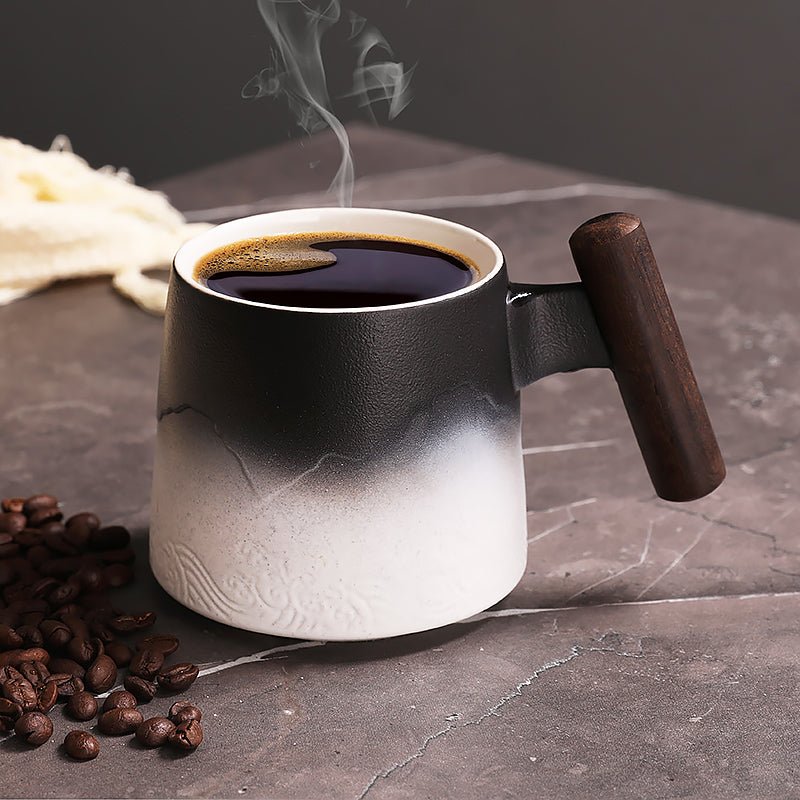
Coffee Mug That Keeps Coffee Hot: How to Choose the Right One
Reading time: about 10 minutes
We see the same problem every week: someone buys a mug that looks great on the shelf, pours fresh coffee, and ten minutes later it tastes lukewarm. The mug may be cute. It may even be sturdy. But if the cup body, lid, or wall thickness is wrong, the heat disappears fast.
If you are shopping for a coffee mug that keeps coffee hot, the details matter more than the photo. In our store, we handle mugs for home kitchens, office desks, gift boxes, and daily commute use, so we look at the parts that change the drinking experience: material, lid design, size, handle comfort, and how the mug behaves after repeated washing. That is what this guide covers.
If you want to browse the range first, start with our coffee mug collection or the broader all products collection. Then come back and compare the specs below.
What actually keeps coffee hot in a mug?
A mug keeps coffee hot by slowing heat loss. That sounds simple, but there are three main ways a mug fails: the walls are too thin, the top stays open too long, or the material sheds heat quickly. Ceramic mugs feel nice and are good for a relaxed drink at home, but they lose heat faster than double-walled insulated options. Stainless steel insulated mugs usually hold temperature better, especially with a fitted lid. Glass mugs can look clean and modern, but unless they are double-walled, they are rarely the best choice for long heat retention.
We tell shoppers to think in terms of use case, not just appearance. A mug that keeps coffee hot on a desk for an hour may not be the best mug for a long commute. A travel-style insulated mug may not be as pleasant for slow sipping in the kitchen because the lid and drinking opening change the experience.
| Material | Heat retention | Best for | Trade-off |
|---|---|---|---|
| Ceramic | Moderate | Home, office, short sipping sessions | Cools faster and can crack if mishandled |
| Double-walled stainless steel | Strong | Longer hot coffee, desks, commutes | Can affect taste if poorly made; lid matters |
| Double-walled glass | Moderate to strong | Visual appeal, espresso drinks, gifts | More fragile and often pricier |
If you want a broader buying checklist before choosing a style, our post Mug That Keeps Coffee Hot: What to Buy and What to Skip covers the common mistakes we see shoppers make.
Which material should you choose for hot coffee?
Material is the biggest decision. It affects temperature, weight, taste, cleaning, and even how the mug feels in your hand.
- Ceramic: Best if you drink coffee fairly quickly and want a familiar feel. A thick-walled ceramic mug can hold heat better than a thin novelty mug, but it will not outperform an insulated one.
- Stainless steel: Best if heat retention is the top priority. Look for double-wall construction. In our experience, this is the most practical option for office desks and busy mornings.
- Glass: Best if you care about appearance and like watching the coffee color and crema. Great for gift buying, but not the warmest choice unless it is double-walled.
- Plastic or acrylic: Lighter and sometimes cheaper, but usually not our first recommendation for keeping coffee hot. These are more about portability than long heat retention.
There is a real trade-off here. The mug that keeps coffee hot the longest is not always the mug people enjoy drinking from the most. Some buyers want the weight and feel of ceramic. Others want a lid and insulated body that can survive a distracted morning at a desk. We try to match the mug to the habit, not the trend.
Our advice: decide whether you want a mug for sipping, a mug for keeping coffee hot, or a mug that does both fairly well. Very few do all three perfectly.
Does a lid make a real difference?
Yes. A lid is one of the easiest ways to slow heat loss, and it matters more than many buyers expect. An open mug loses heat quickly because steam escapes from the surface. A fitted lid reduces that loss and also helps prevent spills on a desk or bedside table.
That said, not every lid is equally useful. We look for these details:
- Fit: A loose lid leaks heat and can wobble during use.
- Drinking opening: Too small, and the coffee cools less but feels awkward to sip. Too large, and heat escapes faster.
- Seal quality: A light splash-resistant lid is different from a true leak-resistant travel lid.
- Cleaning access: Lids with tight corners and small vents can trap coffee residue and smell after repeated use.
If you are comparing mugs with lids, our article Glass Mug with Lid and Straw for Hot Coffee: What to Check is useful for spotting lid problems before you buy. It is especially relevant if you want a mug for home use but still need some spill protection.
For pure heat retention, a lid helps a lot. For pure drinking comfort, some people still prefer an open ceramic mug. That is a fair trade-off, and we would rather be clear about it than pretend every mug solves every problem.
What size works best for coffee that stays hot?
Size changes heat retention. A larger mug usually gives the coffee more surface area, which means more heat loss. Smaller mugs can keep a serving hot a little longer, especially if you drink slowly. But the right size also depends on how you brew.
Here is how we usually guide shoppers:
- 8 oz: Good for strong coffee, espresso-based drinks, or people who want a smaller serving that stays warm. See our guide on 8 oz Coffee Mug: What to Check Before You Buy.
- 12 oz to 14 oz: A balanced everyday size for most home counters and office desks.
- 20 oz: Better if you drink larger pours or want a mug that can double as a longer-session cup. For a closer look, read 20 oz Coffee Mug: What to Check Before You Buy.
As a rule, the more empty space in the mug, the less efficient it is for holding heat. But a mug that is too small becomes inconvenient fast. The best choice is the one that matches your actual pour size, not the biggest number on the product page.
What defects or weak points should you watch for before buying?
This is where real-world handling matters. A mug can look excellent in a product photo and still disappoint once it hits a dishwasher, a desk, or a morning commute. We watch for a few common weak points.
- Thin walls: They usually cool down faster and can feel brittle in hand.
- Poor lid fit: This is one of the most common reasons a mug fails to hold heat well.
- Rough rim finish: Makes sipping less comfortable, especially with hot coffee.
- Handle clearance: If the handle is too small, bigger hands feel cramped, and the mug becomes awkward to use.
- Interior staining: Coffee oils build up over time, especially on lighter ceramic surfaces if care is inconsistent.
In our experience, the mugs that get returned or replaced most often are not dramatic failures. They are small frustrations that add up: a lid that never sits quite right, a handle that gets warm too fast, or a finish that looks nice until the first few wash cycles. If you want your mug to last longer, our Coffee Mug Care Tips to Make Your Mug Last Longer article covers the kind of cleaning habits that prevent early wear.
How do you choose between a desk mug and a travel mug?
This is one of the most common buying decisions we help with. A desk mug is built for easy sipping. A travel mug is built for temperature and spill control. They overlap, but they are not the same product.
| Type | Best feature | Not ideal for |
|---|---|---|
| Desk mug | Comfortable sipping and presentation | Long commutes and rough bag carry |
| Travel mug | Heat retention and spill resistance | Leisure sipping and easy open-top drinking |
If you are buying for a kitchen counter or office desk, a ceramic or insulated mug with a simple lid is often enough. If you need to carry coffee in a bag, you should look for a tighter seal and a lid designed for movement. We do not recommend forcing a desk mug to behave like a commuter mug. That is how coffee ends up on keyboards, notebooks, or car seats.
What should you expect from a gift mug or personalized mug?
Gift mugs are a different category from everyday workhorse mugs. Presentation matters, but so does whether the person will actually use it. A mug that keeps coffee hot is a good gift only if it fits their routine.
Personalization can be a smart move if the design is clean and the surface is durable. Our blog post Personalized Coffee Mug Ideas That Actually Look Good is worth reading if you want something thoughtful without making the mug too busy. For playful gift-giving, we also have ideas in Amusing Coffee Mugs: How to Choose One That Gets Used and Awesome Coffee Mugs: How to Choose a Mug You’ll Actually Use.
A gift mug should still be practical. If it is hard to wash, awkward to hold, or only works for one style of drink, it often becomes a shelf item instead of an everyday favorite.
How do you care for a mug so it keeps performing well?
Care affects heat retention more than people think. Coffee residue on the inside can change taste, and a damaged lid can stop sealing properly. We tell buyers to pay attention to the cleaning instructions before they order, especially if the mug has a special finish or a close-fitting lid.
- Wash after use so coffee oils do not build up.
- Check whether the mug or lid is dishwasher-safe before you run a cycle.
- Do not use abrasive scrubbers on printed or coated surfaces unless the care instructions allow it.
- Let the mug dry fully before storing it with the lid attached.
- If the mug has a gasket or sealing ring, remove it occasionally and clean underneath.
We have seen well-made mugs last a long time and poorly cared-for mugs start smelling stale after just a few uses. That is not a material failure. It is usually a cleaning issue.
Frequently asked questions
What type of mug keeps coffee hot the longest?
Double-walled stainless steel usually keeps coffee hot the longest, especially if it has a fitted lid. Ceramic is more comfortable for casual sipping, but it loses heat faster. If you want the best heat retention, choose insulation first and style second.
Is ceramic or stainless steel better for hot coffee?
It depends on how you drink. Ceramic feels better for slow sipping at home, while stainless steel is better for longer heat retention and desk use. Stainless steel can be less pleasant if the lid or interior finish is poor, so build quality matters.
Do mugs with lids really keep coffee hotter?
Yes, a lid slows heat loss by reducing steam escape from the top. It will not turn an ordinary mug into a thermos, but it can make a noticeable difference over a working morning. A loose lid helps less than a snug one.
What mug size is best for daily coffee?
Most people do well with a 12 oz to 14 oz mug for daily use. Smaller mugs can hold heat a bit better, while larger mugs are better if you pour more coffee at once. The best size depends on your brew amount and how long you typically take to finish it.
Can I put my coffee mug in the dishwasher?
Sometimes, but not always. Ceramic mugs are often dishwasher-safe, while printed finishes, insulated bodies, and certain lids may need hand washing. Check the product care instructions before putting any mug through repeated dishwasher cycles.
If you want to shop by style and compare options side by side, start with our all products collection and look for the material, lid, and size that match your routine. The right coffee mug that keeps coffee hot is usually the one that fits your actual morning, not the one with the loudest promise.
Read more
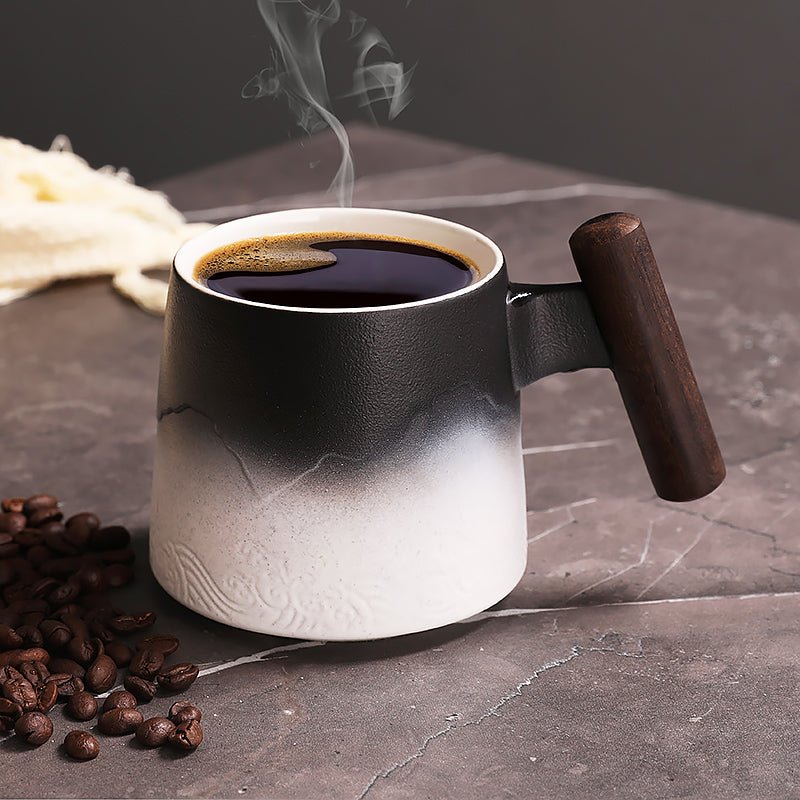
Thermal Coffee Mug: What to Check Before You Buy
A practical buyer’s guide to thermal coffee mugs, with the details that matter in real use: lid fit, insulation style, materials, cleaning, and what works for commuting versus desk drinking.
Leer más
Starbucks Coffee Mugs for Sale: What to Check Before You Buy
A practical guide to comparing Starbucks coffee mugs for sale by size, material, care, and everyday use. We cover the trade-offs that matter before you buy, from desk-friendly mugs to giftable picks.
Leer más
Dejar un comentario
Este sitio está protegido por hCaptcha y se aplican la Política de privacidad de hCaptcha y los Términos del servicio.