
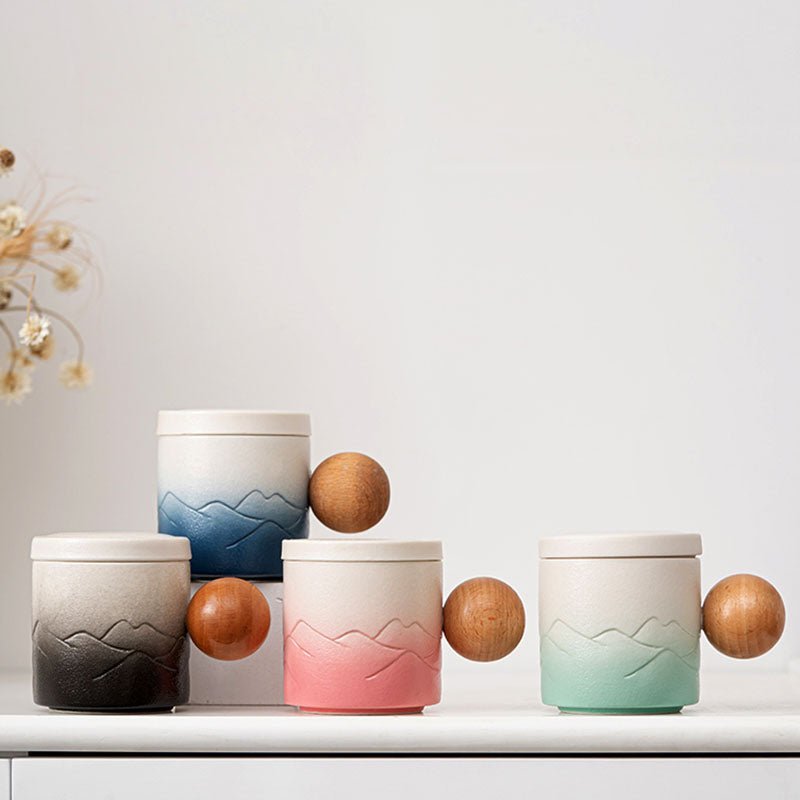
Coffee Mug Science: What Changes Heat, Comfort, and Daily Use
Reading time: about 9 minutes
A mug can look perfect on a product page and still feel wrong the first time you lift it with one hand at a desk. The handle pinches. The rim feels too wide. The coffee cools faster than you expected. That is the part of coffee mug science most shoppers actually feel in daily use.
At CoffeifyMug, we see the same buying mistakes again and again: people focus on the print or shape first, then discover the mug is awkward to hold, too shallow for their usual pour, or not the right fit for a dishwasher cycle. The better approach is to judge a mug like a tool. Heat, balance, grip, and cleaning matter as much as style.
If you want to browse the full range while reading, start with our collection of coffee mugs. If you already know you prefer a more distinctive silhouette, the Retro Coffee Tea Cup, Ball Handled Coffee Tea Mug, and Pleated Coffee Tea Cup are good comparison points because they solve different comfort and presentation problems.
What does coffee mug science mean for a buyer?
For shoppers, coffee mug science is the practical side of design. It is not lab jargon. It is the set of small choices that change how a mug performs on a kitchen counter, in an office break room, or after a late-night refill.
The main variables are simple:
- Heat retention: thicker walls and smaller openings usually keep coffee warmer longer, though they can add weight.
- Rim feel: a thinner, smoother rim often feels better on the lip, especially for tea or black coffee.
- Handle geometry: the size of the opening, the curve of the grip, and the knuckle clearance decide whether the mug is comfortable when full.
- Base stability: a wider foot helps on crowded desks and uneven counters.
- Cleaning reality: relief details, ridges, and narrow handles can trap residue or make drying slower.
That is why two mugs with the same capacity can feel very different. One may be a daily driver. The other may be better as a serving piece or a gift. If you want a deeper size comparison, our posts on 11 oz coffee mug fit and 10 oz coffee mug fit cover how volume changes the experience more than most shoppers expect.
Why do some mugs keep coffee hot longer than others?
Heat loss is the first thing people notice, even if they do not name it that way. Coffee cools through the air at the surface, through the mug wall, and through the handle into your hand. That means shape and material both matter.
A mug with more thermal mass usually starts colder, then resists temperature swings better once filled. A wide mouth exposes more surface area, which can be nice for aroma but also speeds cooling. A tall, narrower mug often keeps heat in a little better because there is less exposed surface relative to volume.
In real use, that trade-off matters:
- If you sip slowly at a desk, choose a shape that limits surface area and feels stable in one hand.
- If you want quick aroma release for coffee or tea, a more open profile can be better.
- If you heat milk-based drinks, remember that a mug with a large open top will lose temperature faster once the foam collapses.
We do not treat heat retention as a single score, because that would hide the real question: how do you drink? A mug that stays hot longer is not automatically better if it is too heavy for your routine or too narrow for easy stirring.
Which mug shape feels best in daily use?
Shape is where coffee mug science becomes personal. The right silhouette depends on how you lift, sip, wash, and store the mug. Our store sees this every day when shoppers compare a decorative shape against a more straightforward everyday cup.
The Ball Handled Coffee Tea Mug is the kind of piece that stands out when comfort and visual identity both matter. The rounded handle profile can feel more deliberate in the hand, especially if you like a mug that reads as a design object as well as a drinkware piece. It is not the best choice if you want the simplest possible stackable shape for a packed cabinet.
The Retro Coffee Tea Cup is better for buyers who want a classic tea-and-coffee profile with a more traditional visual line. That style usually suits slower drinks, table service, and gift purchases where presentation matters. It is less ideal if you need the biggest possible volume in the smallest footprint.
The Pleated Coffee Tea Cup brings a more textured look. Pleated or fluted surfaces can add grip and make the cup feel more intentional on a breakfast tray, but they also create more surface detail to clean around. If you wash mugs by hand, that is a minor concern. If you rely on the dishwasher, you will want to think about how easily water drains from the ridges.
For shoppers comparing styles, this is the short version:
- Choose round and simple if you want easy storage and an everyday feel.
- Choose sculpted or handled design-forward shapes if you want the mug to look special on the table or in a gift box.
- Choose a more open cup profile if you prefer tea, café-style service, or a lighter visual footprint.
What details should you check before buying online?
Photos only tell part of the story. The useful details are the ones that affect the first week of use, not just the first impression.
We recommend checking these points before you buy:
- Capacity: make sure the stated size fits your usual pour, not just your wishful version of it. A mug that holds enough for filter coffee may feel oversized for espresso-based drinks.
- Handle clearance: your fingers should fit without touching the body of the mug. If the opening looks tight in photos, it usually feels tight in hand.
- Rim thickness: a thinner rim tends to feel cleaner on the lips, while a thicker one can feel sturdier and more substantial.
- Finish details: gloss finishes are usually easier to wipe clean than deeply textured surfaces, while matte or heavily patterned pieces may need more careful washing.
- Care instructions: if you use the dishwasher often, confirm the mug is appropriate for that routine. Not every decorative finish ages the same way under repeated high heat and detergent exposure.
Common defect modes are worth watching for too. Uneven glazing can leave rough spots around the lip. A handle that is attached too close to the body may get hotter than expected. And if a mug has an unstable base, it can feel nervous on a cluttered office desk, even if it looks great in the product photo.
If you want a broader size-checking framework before choosing a style, our guide on 11 oz coffee mug buying checks covers the practical questions we ask before we recommend a mug to a customer.
What is a mug good for, and what is it not good for?
A well-designed mug is good for daily drinking, gift giving, and table presentation. It should feel balanced when full, wash without trouble, and suit the way you actually drink coffee or tea. That sounds simple, but many shoppers buy for looks alone and then discover the mug does not match their routine.
A decorative mug is not always the best choice for:
- stacking in a crowded cabinet
- travel or commuting
- very large volume pours
- people who prefer a lightweight cup
Likewise, a more minimal mug is not always the best gift piece. If presentation matters, a distinctive silhouette can carry more visual weight even when the capacity is modest. In our experience, shoppers buying for a birthday, office swap, or kitchen refresh often care about the first impression as much as the drink itself.
That is why we do not treat one mug as universally better. A shopper who wants a display-worthy breakfast cup will not be served well by the same advice as someone who drinks from the same mug all day at a desk.
How should you match a mug to your coffee routine?
The best choice depends on how you actually use it across a normal day. We see three common patterns.
1. The desk drinker
You leave the mug beside a laptop, sip slowly, and often come back to a cooled drink after a meeting. For that use, a stable base, a comfortable handle, and a shape that does not splash on a quick carry matter more than decorative detail.
2. The breakfast-table drinker
You make coffee or tea, bring it to the table, and finish it while the meal is still warm. Here, presentation matters more. A retro or pleated form can feel more satisfying because it changes the table without needing extra accessories.
3. The gift buyer
You want something that looks thoughtful out of the box and feels different from the generic mug everyone already owns. That is where the Ball Handled Coffee Tea Mug and Pleated Coffee Tea Cup can make sense, especially if the recipient values objects with a bit more character.
For a broader browse by style, our all products collection makes it easier to compare shapes without bouncing between pages.
Frequently asked questions
Does a thicker coffee mug keep drink hotter longer?
Usually, a thicker mug resists temperature change better than a very thin one, but shape matters too. A wide opening loses heat faster than a narrower one, so thickness alone does not decide the result. If you sip slowly, look at both wall feel and mouth opening.
Is a shaped mug harder to clean in the dishwasher?
Sometimes, yes. Relief details, ridges, and narrow handle openings can hold water longer or collect residue around the edges. If you use a dishwasher often, simple profiles are usually easier to live with day to day.
What mug style is best for tea and coffee?
A more open cup or classic coffee-tea silhouette often works well because it feels comfortable at the lip and suits both drinks. If you prefer milk-heavy coffee, a slightly deeper profile may help keep the drink warmer a bit longer. If presentation matters, a retro or pleated style can make the table feel more considered.
How do I choose the right mug if I only care about comfort?
Check the handle opening, the mug weight, and the rim feel first. Comfort usually comes down to whether your fingers fit cleanly and whether the mug feels stable when full. If possible, compare the handle shape with a mug you already like using.
Are decorative mugs bad for everyday use?
Not automatically. A decorative mug can be excellent for daily use if the handle is comfortable, the base is stable, and the finish cleans easily. The trade-off is that more texture or sculpting can make some mugs less convenient than a plain everyday cup.
What should you do next if you are comparing mugs?
Use this quick checklist before you buy:
- Choose the mug shape that matches your drinking habit.
- Check handle clearance and overall weight.
- Decide whether you want a smooth daily mug or a more distinctive table piece.
- Confirm the care routine fits your kitchen habits.
- Compare the design against one mug you already use and trust.
If you want to move from research to a real shortlist, start with the collection page and compare the Retro Coffee Tea Cup, Ball Handled Coffee Tea Mug, and Pleated Coffee Tea Cup against the way you actually drink coffee at home or at work.
Read more
Cassette Tape Coffee Mug: What to Check Before You Buy
A practical buying guide for a cassette tape coffee mug, covering fit, print quality, care, and where the style works best. Built for shoppers who want a gift or desk mug that still feels good in d...
Leer más
Dumpster Fire Coffee Mug Buying Guide: What to Check Before You Buy
A dumpster fire coffee mug should do more than get a laugh on first glance. We break down the fit, finish, and care details that matter if you want a mug you will actually keep using.
Leer más
Dejar un comentario
Este sitio está protegido por hCaptcha y se aplican la Política de privacidad de hCaptcha y los Términos del servicio.