
Coffee Mug Printing: What Buyers Should Check Before Ordering
Reading time: about 9 minutes
A mug looks simple until the print lands on the curve, the handle cuts into the design, or the first dishwasher cycle softens the edge of a low-quality transfer. That is where coffee mug printing stops being decorative and starts affecting what a buyer actually gets.
We handle this category with a practical lens: the mug body, the glaze, the print area, and the use case all matter. A mug meant for a desk needs different priorities than a mug bought as a gift or used for repeat office coffee. If you are comparing options, our store treats the print as part of the product, not an afterthought.
What does coffee mug printing actually change for an everyday mug?
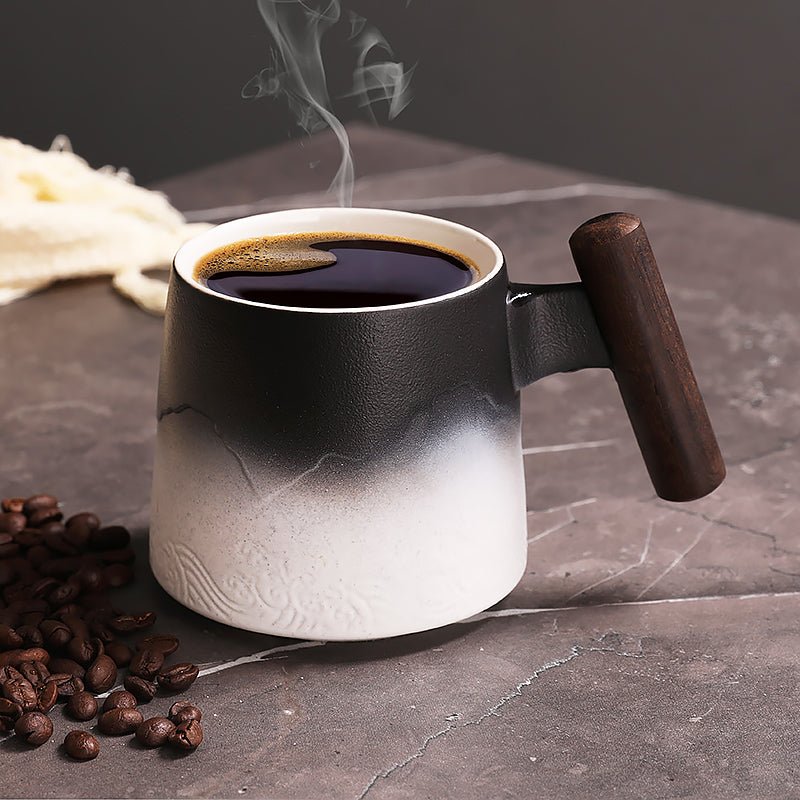
Printing changes more than appearance. It affects how the mug feels in the hand, how well the artwork reads from a few feet away, and how long the design stays clean after regular washing. On a glossy ceramic body, color usually looks sharper and brighter than it does on a rougher or more textured surface.
In our experience, buyers often focus on the artwork first and forget the mug shape. That is a mistake. A tall mug with a narrow body gives you a different layout problem than a shorter, wider mug, and the handle position can either protect part of the print or cut straight through it. If the art is meant to wrap around the mug, you need enough safe space so the design does not feel cramped near the seam.
Printed mugs also behave differently depending on the setting. On a kitchen counter, a bright logo may be judged by color accuracy. On an office desk, the same mug is usually judged by legibility and comfort. For gifting, the unboxing moment matters too, which is why the print finish and the mug size should feel intentional together.
Which printing method should you choose?
The right method depends on what you care about most: color range, texture, order size, or durability. No single method is best for every buyer, and a good listing should make that trade-off obvious.
| Printing method | Best for | Strengths | Trade-offs |
|---|---|---|---|
| Sublimation | Full-color artwork on light-colored ceramic mugs | Smooth finish, strong color detail, good for photos and gradients | Usually not the right choice for dark mugs or very textured surfaces |
| Screen printing | Simple logos, spot colors, repeat orders | Crisp shapes and efficient production for straightforward designs | Less flexible for complex artwork or highly detailed images |
| Decal or transfer printing | Small runs and designs that need careful placement | Good control over image placement and detail | The finish can feel slightly different from the glaze and may wear sooner if the coating is weaker |
If you are ordering a mug for a logo, keep the artwork simple and readable at arm’s length. If you are ordering for a gift, full-color art usually has the strongest shelf appeal. For a deeper size comparison before you decide, our guides on the 11 oz coffee mug, the 15 oz coffee mug, and the 16 oz coffee mug show how capacity affects real use, not just the label.
Which mug size gives the cleanest print area?
Size matters because print area and visual balance change with the mug body. An 11 oz mug usually feels compact and familiar for everyday coffee, while a 15 oz or 16 oz mug gives more vertical presence for larger artwork or a two-line message. If the print needs space to breathe, the larger bodies are often easier to work with.
Here is the practical view we use when comparing printed mugs:
- 10 oz to 12 oz: Good for tighter desks, espresso-forward drinkers, and simpler art that does not need a huge layout.
- 14 oz to 16 oz: Better when the design needs room, the buyer prefers a bigger cup, or the mug is meant to stand out on a shelf.
- Wider bodies: Usually easier for a centered logo and short text.
- Taller, narrower bodies: Better if you want a wrap-style design that feels more vertical.
If you are still deciding on capacity, our related size posts on the 10 oz coffee mug and the 12 ounce coffee mug are useful because they show how a small difference in volume changes the hand feel and the available print field. That matters more than most shoppers expect.
One more point: a larger mug is not automatically better for printing. If the artwork is tiny, a big mug can make it look lost. If the design is photo-heavy, a small mug can crowd the image and reduce clarity near the handle.
What should you check before you order?
We recommend treating the mug like a finished layout, not just a blank. Before you buy, check these details carefully:
- Print area: Ask how wide and how tall the artwork can be without clipping near the handle or rim.
- Safe zone: Make sure text and faces do not sit too close to the edge, where the curve can distort them.
- Artwork type: Vector logos, clean illustrations, and high-resolution files usually print more cleanly than low-resolution screenshots.
- Mug finish: Glossy ceramic tends to show color strongly; matte looks more muted and can show handling marks differently.
- Care instructions: Check whether the print is meant for dishwasher use, hand washing, or both.
- Proofing: Review a mockup on the actual mug shape, not a flat square canvas.
A common failure mode is simple: the artwork looks fine in a file preview, then feels too low or too close to the handle once it is wrapped on a real mug. Another one is color mismatch, especially when a white logo is placed on a colored body or when a soft pastel design is printed on a glossy surface.
We would rather see a buyer choose a simpler, well-placed print than a crowded design that looks good in the editor and awkward on the mug.
How do printed mugs hold up after washing and daily use?
Daily use is where quality shows up. A mug may look sharp on day one and still fail the buyer if the surface marks easily, the handle feels off, or the print begins to lose crispness around the edges after repeated washing. For most shoppers, the question is not only how it looks, but how it ages next to the sink and the coffee machine.
Printed ceramic mugs are best for normal beverage use: coffee, tea, and hot chocolate on kitchen counters, breakroom shelves, and office desks. They are not the right choice for direct flame, rough outdoor use, or anything that will get dragged around in a tote with metal bottles and keys. If you need that kind of abuse resistance, a different drinkware style is a better fit.
Care also matters. Gentle hand washing usually gives the buyer the safest margin for keeping the print looking clean, especially on detailed artwork or transfer-based designs. Dishwasher use may be fine for some mugs, but if the seller gives specific care guidance, follow it instead of assuming every print treatment behaves the same way.
Three wear points we watch closely in this category are the rim, the handle junction, and the printed edge closest to the seam. Chips at the rim are a general ceramic risk. The print itself is more likely to show early wear where it ends or where the surface gets the most contact.
Which printed mug makes sense for gifts, offices, and promos?
The right answer depends on who will hold the mug most often. A gift mug should feel personal and look polished the moment it comes out of the box. An office mug should be easy to identify on a shared shelf. A promotional mug should stay readable from a distance and not depend on tiny detail.
- For gifts: Pick a size that feels substantial in the hand and choose artwork with emotional clarity, not crowded detail.
- For offices: Choose a simple logo, name, or phrase that survives quick glances and group settings.
- For promos: Keep the message short and the contrast high so it reads on a desk or conference table.
If you are shopping our range, the easiest path is to compare the available options on our products or browse the full collection to see which body shape, finish, and print style best matches your use case. That is usually faster than trying to force one design onto the wrong mug size.
We see the best results when the mug is chosen for the use case first and the design second. That order keeps the print from doing too much work.
Frequently asked questions
What is the best material for coffee mug printing?
For most buyers, glazed ceramic is the most practical choice because it gives a clean printing surface and feels familiar in daily use. It also works well for desk mugs and gifts. If you need something for hard outdoor use, ceramic is usually not the right material.
Is coffee mug printing dishwasher safe?
Sometimes, but not always. It depends on the print method, the coating, and the seller’s care guidance. If a listing does not clearly state dishwasher compatibility, assume hand washing is the safer way to protect the print.
What size mug is best for a logo or short text?
An 11 oz mug is often the easiest starting point for a simple logo or short line of text because the proportions stay compact and readable. If the logo is wider or you want more space around it, a 15 oz or 16 oz mug usually gives the design more room to breathe.
Can a mug print wrap all the way around the handle?
It can, but the design still needs a safe gap near the handle so it does not look cramped or get cut off by the curve. Full-wrap art works best when the file is built for the actual mug shape, not just a flat rectangle.
What should I check before ordering printed mugs in bulk?
Check the artwork proof, the print area, the mug size, and the care instructions before you approve anything. For bulk orders, consistency matters more than a single sample looking good. Ask how the seller handles replacements if a mug arrives chipped or the print is off center.
If you want the shortest path to a good choice, compare the mug size guides first, then check the print method and care notes against the way you will actually use the mug. After that, review the current selection on the full collection and narrow it down by size, shape, and finish before you order.
More from our blog
Read more
Best Insulated Coffee Mugs: What to Compare Before You Buy
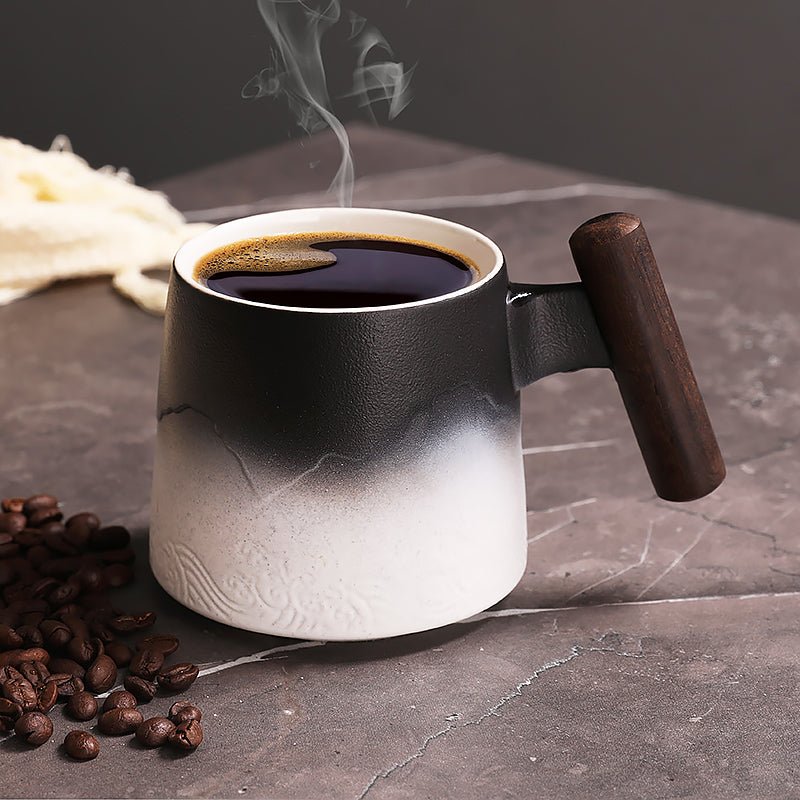
A practical buyer’s guide to the best insulated coffee mugs, with the real trade-offs around heat retention, lids, size, and daily cleaning. Built for shoppers comparing options before they buy.
Leer más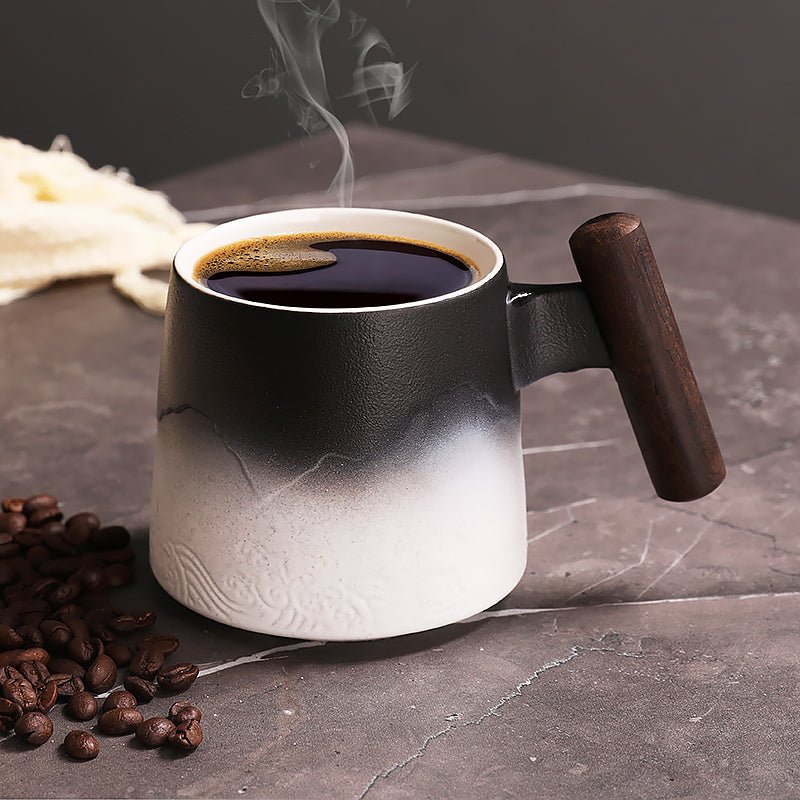
Mug to Keep Coffee Hot: What Actually Works for Daily Use
We break down the mug styles that hold heat better, the sizes that work best at a desk, and the details that separate a useful cup from one that cools too fast.
Leer más
Dejar un comentario
Este sitio está protegido por hCaptcha y se aplican la Política de privacidad de hCaptcha y los Términos del servicio.