
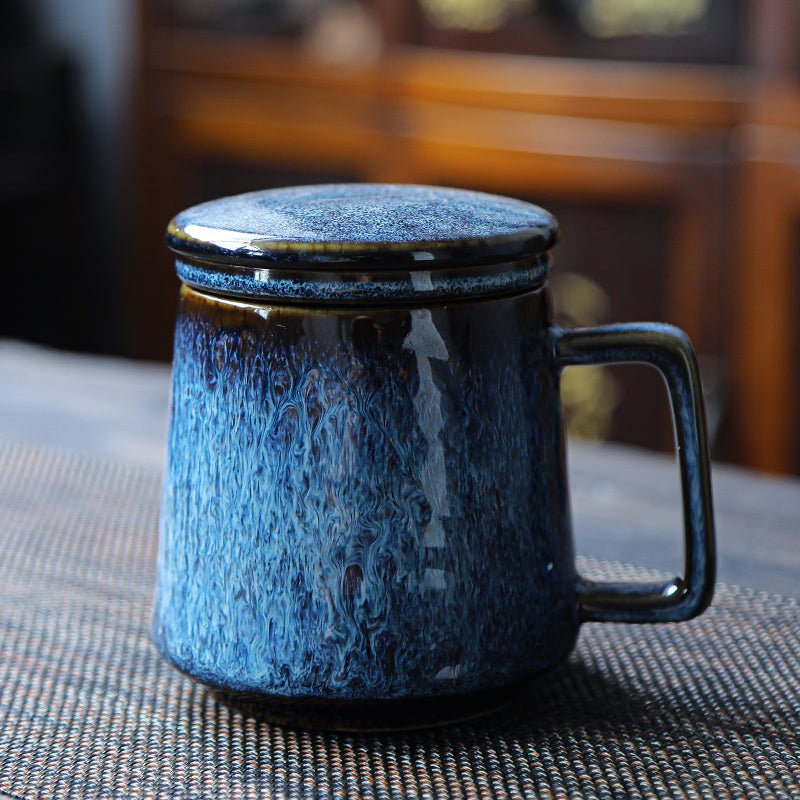
Coffee Mug Printable: What to Check Before You Buy
Reading time: about 8 minutes
At our packing table, the first thing we notice is not the graphic. It is the mug body, the handle, and the glaze. A coffee mug printable can look clean on screen and still fail in the hand if the shape crowds the usable space, the handle feels awkward, or the surface has too much texture.
That is why we treat this as a product choice, not just a design choice. If you want to compare shapes first, start with our full mug collection, then narrow by how the mug will actually be used: desk coffee, gift boxes, or a daily kitchen rotation.
What does a coffee mug printable need to get right?
The best mugs for printing or personalization give you a smooth, predictable surface and a handle that does not steal too much room from the design. A straight or gently curved body is easier to work with than a heavily shaped one, because there is more room for a name, logo, or wraparound artwork without crowding the edges.
We also look at the practical details that matter after the first unboxing. A mug that rocks on the counter, has a thin-feeling rim, or puts your knuckles too close to the artwork will annoy the buyer long after the design has impressed them. In our store, the mugs that hold up best are the ones that feel good at 7 a.m. and still look clean after repeated use.
- Print area: Smooth space between the handle and the opposite side gives you more freedom.
- Handle clearance: A comfortable handle keeps fingers away from hot ceramic and away from the art.
- Surface finish: Glossy, even glaze tends to present cleaner than heavy texture for detailed artwork.
- Daily use: The mug should feel stable on a desk, sink edge, or kitchen counter.
If you want a deeper checklist before ordering, our guide Coffee Mug Printable: What Buyers Should Check Before Ordering covers the details shoppers usually miss on the first pass.
Which mug shapes are easiest to personalize?
Shape changes everything. A decorative silhouette can be more interesting on a shelf, but it can also limit the clean band of space available for a design. If your goal is a mug that looks polished after printing or styling, the safest choice is usually the simplest one.
| Mug | What it does well | Where it falls short | Best use |
|---|---|---|---|
| Ball Handled Coffee Tea Mug | Classic profile, comfortable grip, and a shape that gives artwork room to breathe | Less dramatic than a sculpted mug if you want the mug itself to be the statement | Desk coffee, simple names, clean gift presentation |
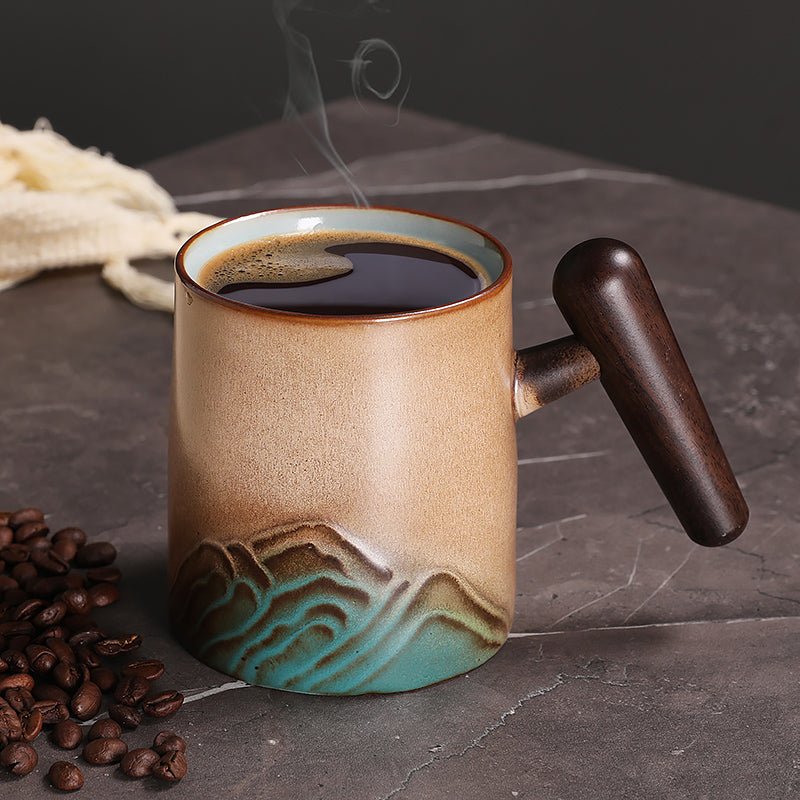
| Pleated Coffee Tea Cup | Strong visual texture that feels special in a gift box or on a styled table | The pleats break up the surface, so fine-detail art and full wrap designs need more care | Gifts, display pieces, buyers who want texture over minimalism |
| Golden Waves Kio Coffee Tea Mug | Distinctive shape with enough presence to stand out without needing a busy design | Its contour matters, so placement has to be planned instead of treated like a flat cylinder | Gift sets, decorative shelves, and buyers who want the mug to feel intentional |
For a plain logo or short quote, the Ball Handled Coffee Tea Mug is the easiest starting point. For a more decorative unboxing moment, the Pleated Coffee Tea Cup or the Golden Waves Kio Coffee Tea Mug can look more special, but they ask more from the design.
What size should you choose for daily use?
Size is where a lot of buyers overthink the spec sheet and still miss the real fit. A mug that is technically large enough can still feel awkward if the user wants a smaller, warmer drink. A mug that is too small may look neat, but it can feel underpowered on a long workday.
If you are comparing capacity, our existing guides on 10 oz coffee mugs, 11 oz coffee mugs, and 12 ounce coffee mugs are useful because the best size depends on how the mug will actually be used, not just how it looks in a photo.
- 10 oz: Better for smaller pours, compact desk setups, and buyers who prefer a lighter mug in hand.
- 11 oz: The middle-ground choice that usually feels familiar for daily coffee and tea.
- 12 oz: Better for longer drinks, bigger pours, and buyers who do not want to refill as often.
In our experience, the 11 oz range is often the easiest sell because it feels balanced. It is not oversized, but it does not feel tiny next to a laptop, a notebook, or a breakfast plate either.
Which details matter most before you order?
These are the details that separate a good mug from one that becomes a drawer piece after a week. None of them sound exciting on a product page, but they matter more than a polished product photo once the mug is actually in use.
- Rim feel: A rim that feels too sharp or too thin is distracting with every sip.
- Handle shape: If the handle is cramped, larger hands notice immediately.
- Base stability: A slightly uneven base is one of the easiest ways to make a mug feel cheap.
- Glaze consistency: Pinholes, streaks, and uneven shine are small defects that stand out once the mug is on a desk under bright light.
- Decoration placement: Artwork that sits too close to the handle can get lost in use.
- Care fit: If the listing confirms dishwasher or microwave use, that is a real convenience for office and home use. If it does not, treat gentle hand washing as the safer choice.
We also watch for the common failure modes buyers complain about after delivery: a handle that is slightly off-center, a body that does not sit flat, or a decorative finish that looks good in photos but feels busy in the hand. Those are the kinds of issues that make a mug feel less intentional, even if the design itself is fine.
Good mug buying is mostly about avoiding the things that annoy you every morning: a bad grip, a slippery finish, a shape that crowds the artwork, or a size that never quite matches your routine.
Which mug is best for gifting, office desks, and home kitchens?
The right choice depends on the setting. A mug for a gift should feel a little more special when it comes out of the box. A mug for a desk should be easy to hold, easy to clean, and not so ornate that it feels out of place beside a keyboard.
- For gifting: Choose a shape with more visual personality, like the Golden Waves Kio Coffee Tea Mug, if you want the mug itself to feel memorable.
- For office desks: The Ball Handled Coffee Tea Mug is easier to live with because it feels straightforward and comfortable.
- For home kitchens: The Pleated Coffee Tea Cup works well when presentation matters, but it is not the best pick if you want the simplest stacking and storage.
That trade-off matters. A decorative mug is not automatically better. If someone wants a no-fuss everyday cup that disappears into the routine, a plainer form usually wins. If they want the mug to feel like part of the decor, a shaped or textured option makes more sense.
What should you inspect when the mug arrives?
Unboxing is where many buyers learn whether they picked the right mug. The package may look clean from the outside, but the mug itself still needs a quick check before it goes into rotation or into a gift bag.
- Inspect the rim: Look for chips, rough spots, or a finish that feels uneven to the touch.
- Check the handle join: The transition from handle to body should look clean and feel solid.
- Set it on a flat counter: A good mug should sit without rocking.
- Look at the glaze in daylight: Kitchen light and office light can reveal streaks, pinholes, or dull patches that were invisible in product photos.
- Check the presentation: If you are gifting it, make sure the mug and packaging still look good after shipping.
If the mug is meant for a printed design, this is also the stage where placement matters. The art should sit where the eye lands first, not crowded against the handle or pushed into a curve that distorts the lettering. That is why we recommend buying from a collection where you can compare shape and finish before locking in the design.
Frequently asked questions
What shape is best for a coffee mug printable design?
A smooth, gently curved mug is usually the easiest to work with because it leaves more usable space for text, logos, or a simple wrap. Heavy texture and strong ridges can break up the design and make placement less forgiving.
Are textured mugs hard to print on?
They are harder to work with than smooth mugs. Texture can make small text harder to read and can interrupt the flow of a full design, so textured mugs are better when the mug itself is part of the look rather than a blank canvas.
Should I choose a 10 oz, 11 oz, or 12 oz mug?
Choose 10 oz if you want a smaller, lighter mug. Choose 11 oz for the most balanced everyday feel, and choose 12 oz if you want more room for longer pours or fewer refills. If you are unsure, the 11 oz range is usually the safest middle ground.
What should I check before buying a mug as a gift?
Check the shape, handle comfort, and whether the finish looks clean in daylight. A gift mug should feel good in the hand and look intentional out of the box, not just attractive in a product photo.
Is a decorative mug bad for everyday use?
Not at all, but it is usually a trade-off. Decorative shapes can look better on a shelf or in a gift box, while simpler shapes tend to be easier for daily coffee, storage, and stacking.
If you are narrowing your options now, start with our full mug collection, compare the shape against the checklist above, and then pick the mug that fits the drink, the desk, and the person who will actually use it.
Read more
HydroJug Coffee Mug: What Buyers Should Check Before They Buy
A practical buyer’s guide to the hydrojug coffee mug with fit, size, lid, and care details that matter on a real kitchen counter or office desk. We also compare better everyday mug options when the...
Leer más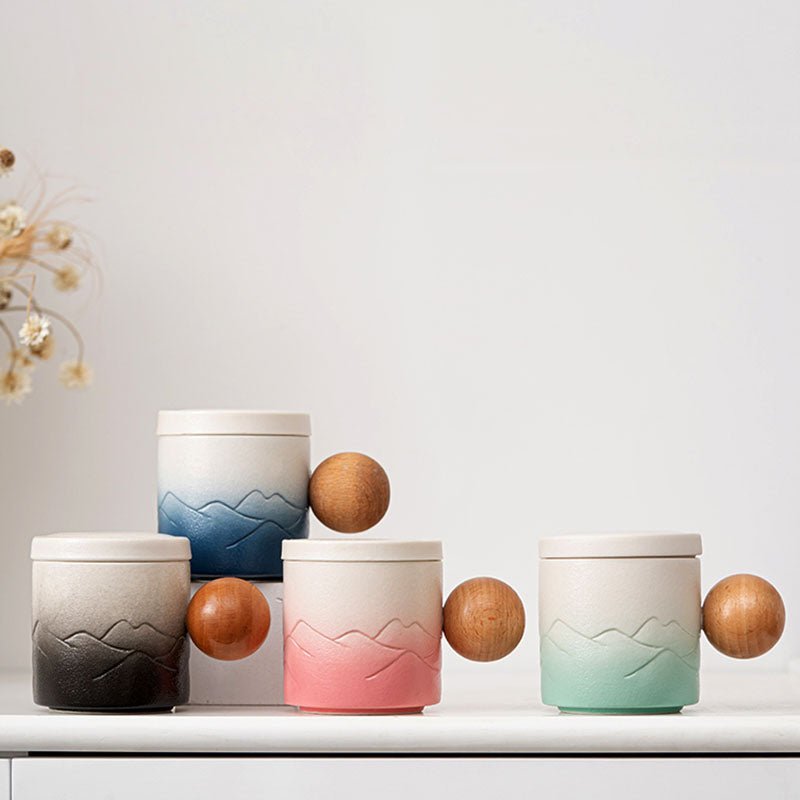
Metal Coffee Mugs: How to Choose the Right One for Daily Use
Metal coffee mugs feel simple until the rim, handle, and finish start showing real use. We compare the trade-offs we see in our store so you can choose a mug that fits the desk, kitchen, or gift or...
Leer más
Dejar un comentario
Este sitio está protegido por hCaptcha y se aplican la Política de privacidad de hCaptcha y los Términos del servicio.