
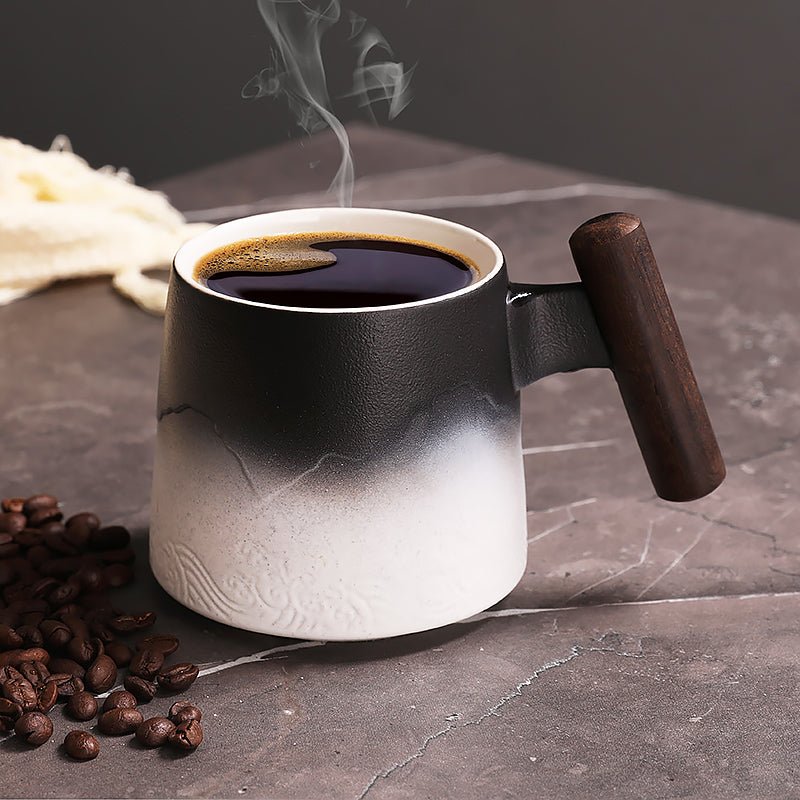
Coffee Mug Pot Buying Guide: Size, Material, and Fit
Reading time: about 9 minutes
A mug that looks right on the shelf can still feel wrong the first time you pour from the coffee pot and realize the handle is cramped, the rim is too narrow, or the cup is a little too small for your usual morning fill. We see that mismatch all the time in our store, especially from shoppers buying a coffee mug pot for a kitchen counter, office desk, or gift box.
The best choice is not just about style. It is about how the mug feels in the hand, how much coffee it actually holds, and how well it survives everyday use. If you are comparing options now, our collection of coffee mugs is the right place to start, and our product pages at CoffeifyMug products show the range we currently carry.
What should a coffee mug pot actually do for daily use?
For most shoppers, a coffee mug pot needs to solve one simple problem: move brewed coffee from the pot to a cup that is comfortable, stable, and easy to drink from. That sounds basic, but a lot of complaints come from details that are easy to miss while shopping online.
In our experience, the mug has to work in three places: next to the coffee maker at home, on a desk with a laptop nearby, and in the dishwasher after a long day. A mug that feels perfect for slow weekend coffee may be awkward for weekday refills, while a taller mug may fit your brew volume but not the shelf under your cabinet.
When we handle mugs in our store, we look at the rim, the wall thickness, the base, and the handle clearance. Those four things decide whether the mug feels solid or fussy. A good coffee mug pot should be easy to fill without splashing, easy to grip when hot, and sized so the coffee does not cool too fast before you finish it.
What size should you buy if you do not want the wrong fit?
Size is usually the first mistake people make. A mug that is too small turns into a second pour. A mug that is too large can make a normal serving look lost in the cup. If you are comparing common sizes, our size-focused guides on 10 oz coffee mug, 11 oz coffee mug, and 12 ounce coffee mug break down the practical differences.
Here is the simplest way we think about it:
- 10 oz: good for smaller servings, shorter coffee breaks, and people who want less volume on the desk.
- 11 oz: a common middle ground for everyday coffee and most standard pours.
- 12 oz and up: better for longer sips, milk-heavy drinks, or anyone who does not want to top off constantly.
We also see buyers overlook the real usable volume. A mug may be labeled by capacity, but the comfort line is usually below the rim. If you fill all the way up, you risk spills and a mug that feels too hot to hold. That matters more than a label on a product page.
If your routine is a single morning pour from a coffee pot, the right size usually depends on how much you actually drink before the coffee goes stale. If you refill once, a slightly smaller mug can be more practical than a large one that sits half-full and cools too slowly or too fast depending on the room.
Which material makes the most sense for a coffee mug pot?
Material changes the whole experience. Ceramic is still the most common choice because it feels substantial, holds heat well enough for most use, and usually gives the most flexible surface for everyday designs. It is also the material we most often recommend for kitchen counters and office desks because it strikes the best balance between weight, comfort, and maintenance.
That said, ceramic is not perfect. It can chip if it bangs into a sink, and some glazes show fine wear sooner than expected if a mug is stacked tightly with metal utensils or moved around rough cabinets. If you want something that is ultra-light for travel, ceramic is not the right category. If you need a mug that stays hot for a very long time, a double-wall insulated drinkware piece may suit you better than a standard mug.
Other practical points we check before recommending a mug:
- Wall thickness: thicker walls usually feel sturdier but can make the mug heavier in the hand.
- Handle shape: a finger-friendly handle matters if you drink while walking around the house or carrying coffee from the kitchen to a desk.
- Rim finish: a smooth, even rim makes a noticeable difference on the first sip.
For buyers comparing style and substance, our post on 12 oz coffee mug size and fit is useful if you are deciding between a slightly smaller cup and a more generous everyday mug.
How do you judge comfort, handle fit, and spill control before you buy?
This is where a lot of online photos can mislead you. A mug can look balanced in a picture but feel awkward the second your fingers go through the handle. We pay attention to handle clearance because that is what keeps the mug usable when the drink is hot and the cup is full.
Three practical checks help more than marketing copy:
- Finger clearance: make sure the handle opening looks large enough for your hand, especially if you prefer to loop two fingers through.
- Base stability: a flat, wide base is better for cluttered desks and crowded kitchen counters.
- Rim and lip shape: a cleaner lip usually gives a more controlled sip, which matters more than people expect during a rushed morning.
We have also seen small defects create big frustrations: a slightly uneven base that rocks on a hard table, a handle attached at an odd angle, or a glaze pinhole near the rim. These are the kinds of things shoppers usually notice only after the first wash or first use, which is why careful product selection matters up front.
If you are looking for a mug as a gift, comfort matters even more. A beautiful mug that feels awkward in hand often ends up in the back of a cabinet. That is one reason we suggest reading our 14 oz coffee mug buying guide or 15 oz coffee mug guide if you want a more generous, gift-friendly size.
What should you expect from care, cleaning, and long-term wear?
Care is where expectations need to stay realistic. A daily coffee mug pot should handle routine washing without fuss, but not every finish or decoration ages the same way. If the mug is dishwasher-safe, that makes life easier, especially for office use or households that run dishes every night. If it is hand-wash only, the buyer should be ready for that extra step.
We recommend checking for three practical care points before buying:
- Dishwasher compatibility: good for convenience, but repeated high-heat cycles can still wear certain finishes over time.
- Microwave use: helpful if you reheat coffee, but metallic accents or certain decorative details can rule it out.
- Stain resistance: dark coffee, tea, and milk residue can leave marks if a glaze is more porous than expected.
Long-term wear is usually about small, repeated impacts. A mug clipped against a sink edge, packed too tightly in a cabinet, or stacked under heavier ceramics will show issues sooner than one that gets normal, careful use. A good coffee mug pot should not require babying, but it also should not be treated like travel gear.
What should you buy if you are comparing options for home, office, or gifting?
The right mug depends on where it will live. At home, most people want something comfortable and durable enough for daily washing. In the office, the priorities shift toward desk stability, moderate capacity, and a handle that is easy to grab between meetings. For gifting, presentation and broad appeal matter more, but the mug still needs to be useful after the unboxing.
| Use case | Best fit | What to avoid |
|---|---|---|
| Home kitchen | Balanced ceramic mug with a stable base and easy handle | Overly tall mugs that are hard to store |
| Office desk | Moderate size with spill control and comfortable grip | Oversized mugs that crowd the workspace |
| Gift | Clean design, practical size, familiar shape | Niche shapes that may not suit most drinkers |
We tell shoppers the same thing in our store: do not buy the biggest mug just because it sounds like more value. If someone drinks one strong cup and moves on, an oversized mug is not a better mug. It is just extra ceramic to wash.
If you want to compare the current range quickly, start with our product selection and use size, handle shape, and care requirements as your filter. That keeps the decision practical instead of turning it into a guess.
Frequently asked questions
What size coffee mug pot is best for everyday use?
For most people, an 11 oz or 12 oz mug is the safest everyday choice. It holds a standard pour without feeling oversized, and it still works well for refills or milk-based drinks. If you drink smaller portions, 10 oz can feel more comfortable in the hand.
Is ceramic the best material for a coffee mug pot?
Ceramic is usually the best all-around option for home and desk use because it balances weight, comfort, and heat retention. It is not the best pick for travel or for people who need the drink to stay hot for a very long time. For that, insulated drinkware may be a better fit.
Can I put a coffee mug pot in the dishwasher and microwave?
Many mugs can go in the dishwasher and microwave, but you should always check the product details first. Decorative accents, metallic finishes, or specialty glazes can change that. If you reheat coffee often, microwave compatibility is worth prioritizing.
What problems should I look for before buying?
Look closely at handle size, base stability, rim shape, and finish quality. Common issues include a mug that rocks on the table, a handle that feels cramped, or a glaze flaw near the rim. Those details matter more than a pretty photo.
Is a larger coffee mug pot always better?
No. Larger mugs are useful if you drink long, milk-heavy coffees, but they can be bulky, heavy, and awkward on a crowded desk. If you usually finish one cup and move on, a mid-size mug is often the better buy.
If you are ready to narrow it down, compare your must-haves against our current mugs in the full collection, then choose the size and handle that match how you actually drink coffee at home or at work.
More from our blog
Read more
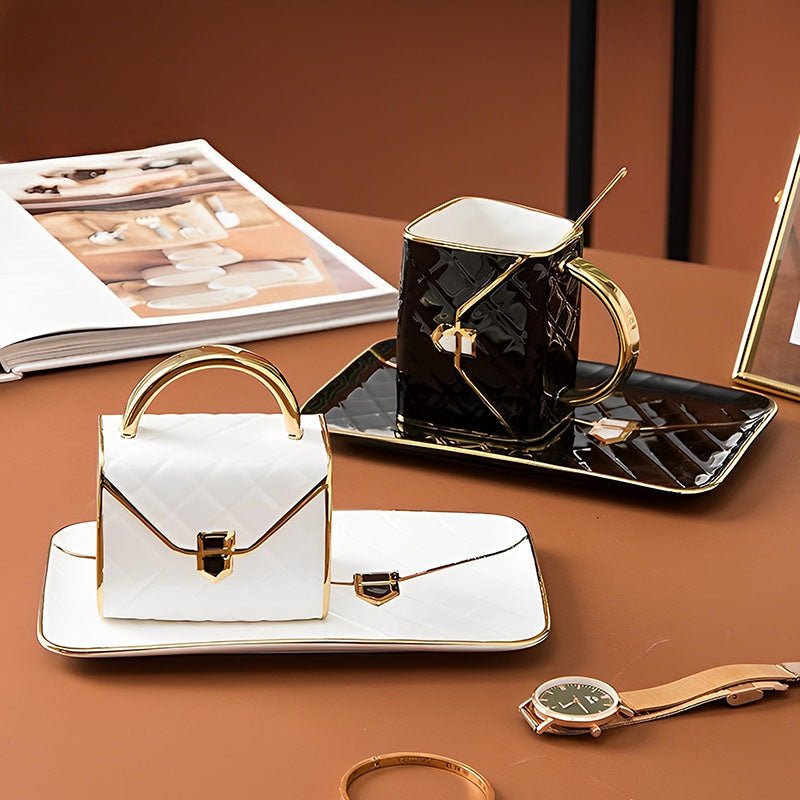
Coffee Mug Dad Gift Guide: Sizes, Materials, and Best Fit
A practical coffee mug dad guide for shoppers comparing sizes, materials, and gift fit. Use it to choose a mug that works on the kitchen counter, at the desk, or as a real everyday gift.
Leer más
Coffee Mug Ralph Lauren: What Buyers Should Check Before They Buy
A practical buying guide for shoppers comparing a coffee mug Ralph Lauren listing. We cover size, materials, finish, care, and the details that separate a good mug from a disappointing one.
Leer más
Dejar un comentario
Este sitio está protegido por hCaptcha y se aplican la Política de privacidad de hCaptcha y los Términos del servicio.