
Coffee Mug Pipe Buying Guide for Daily Use and Gifting
Reading time: about 8 minutes
A coffee mug pipe only earns counter space if it feels right in the hand and behaves well after repeated use. The wrong mug shows its flaws fast: a handle that pinches, a base that rocks, or a rim that feels rough on the first sip.
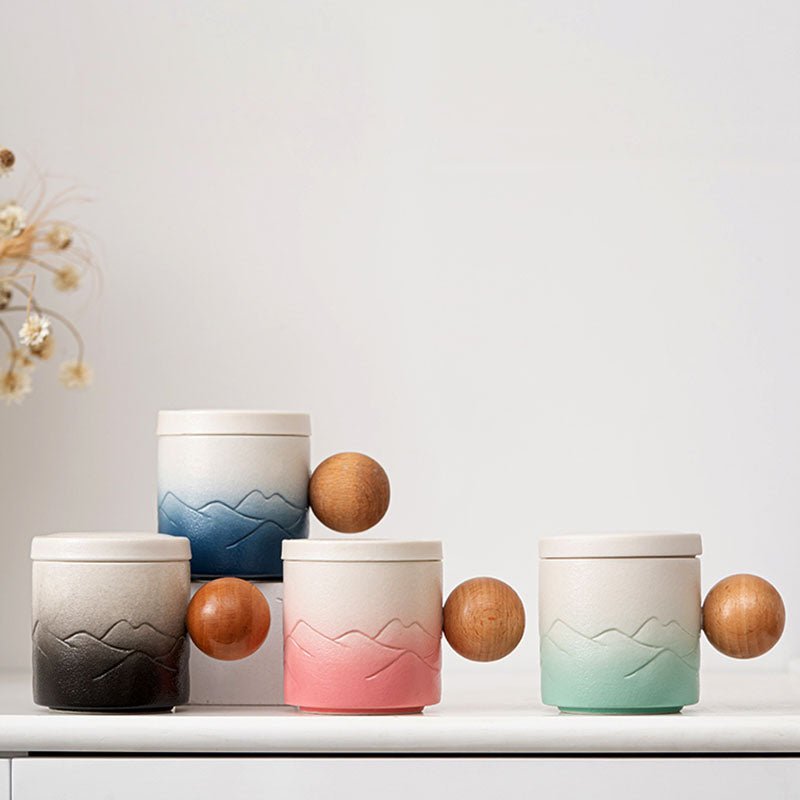
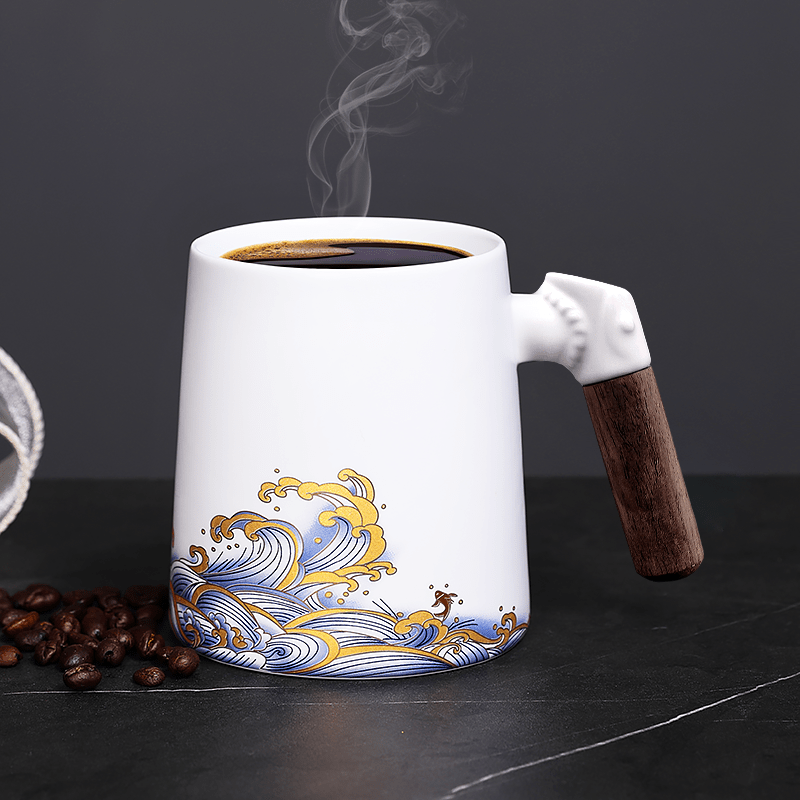
At CoffeifyMug, we see shoppers narrow their options by how they actually drink coffee, not by the product photo alone. Start with our full coffee mug collection, then compare a few styles side by side, including the Golden Waves Kio Coffee Tea Mug, the The Flow Coffee Tea Mug, and the Mountain Sea Coffee Tea Mug.
If you want the shortest version of the buying checklist, our Coffee Mug Pipe Buying Guide: What to Check Before You Buy covers the same decision points we use when we help customers compare mugs in-store.
What should a coffee mug pipe buyer check first?
First, check the parts of the mug you touch every day. The handle should leave room for two fingers without twisting your wrist, the rim should feel smooth, and the base should sit flat on a desk or kitchen counter. Those three things matter more than a pretty pattern if the mug is going to see daily use.
We also look at the little issues that cause frustration later. A thin glaze line near the lip can feel sharp. A slightly uneven foot can make a mug wobble on a hard table. And if the handle is joined too close to the body, your knuckles may bump the side when the mug is full.
| What to check | What good looks like | What can go wrong |
|---|---|---|
| Rim | Smooth, even, comfortable on the first sip | Rough edge, uneven glaze, or a lip that catches when you drink |
| Handle | Easy two-finger grip with enough clearance | Knuckle contact, cramped grip, or a handle that feels too thin |
| Base | Flat and stable on wood, stone, or desk surfaces | Rocking, wobble, or visible unevenness |
| Finish | Easy to wipe clean and visually consistent | Pooling, pinholes, or finish wear where the mug is handled most |
If you are still deciding how much capacity you need, size guides help more than guesswork. Our 11 oz Coffee Mug: Size, Fit, and What to Check Before You Buy and 12 oz Coffee Mug Buying Guide for Fit, Comfort, and Daily Use are useful if you are comparing a standard pour against a larger morning cup with room for milk or foam.
Which size works best for desks, mornings, and gifting?
Size changes how a mug feels in real life. A smaller mug can be perfect for straight black coffee or tea, while a larger one gives you room for cream, foamed milk, or a second pour. The right choice depends less on the label and more on the way you drink on a workday morning.
- 10 oz: Better if you prefer tighter portions, smaller cabinets, or a lighter mug for short breaks.
- 11 oz: A balanced middle ground for most daily coffee drinkers. It usually feels familiar without taking up too much shelf space.
- 12 oz: Better if you pour larger servings, add milk, or want more flexibility for a breakfast drink.
We usually tell shoppers to think about the mug beside the grinder, the pod machine, or the office keyboard. A mug that looks ideal online can feel oversized on a compact desk or too small next to a mug tree full of larger cups. If you want a deeper comparison between common capacities, our 10 oz Coffee Mug: Size, Fit, and What to Check Before You Buy breaks down the smaller end of the range as well.
For gifts, the safest choice is usually the size that looks normal in a hand and does not feel bulky in a cabinet. That is one reason so many shoppers end up around the 11 oz and 12 oz range. They are easy to wrap, easy to use, and less likely to feel like a novelty after the first week.
What materials and finishes hold up best in daily use?
For everyday mugs, the practical differences usually come from the body material, the wall thickness, and the finish. Glazed ceramic is popular for a reason: it holds heat reasonably well, cleans easily, and feels solid on a table. The trade-off is that ceramic can chip if it bangs against a sink, a metal spoon, or another mug in a crowded cabinet.
The finish matters more than most shoppers expect. A glossy glaze is usually easier to wipe clean after coffee, tea, or cocoa. A matte finish can look refined, but it may show oil marks or scuffs sooner. A highly decorative printed surface can also wear unevenly if it is scrubbed with an abrasive pad every day.
Here are the details we tell customers to watch for:
- Rim thickness: Thicker rims feel sturdy, but they can make a mug feel heavier. Thin rims feel more delicate and can be pleasant to sip from, but they need a careful hand.
- Foot ring: A clean, even foot ring helps a mug sit flat and reduces the chance of scratching a wood shelf.
- Glaze consistency: Look for even coverage around the handle joint and the base. Uneven pooling is not always a failure, but it can signal rushed finishing.
- Heat handling: For hot coffee poured straight from a brewer, a mug should feel stable, not slippery or top-heavy.
That is also why a coffee mug pipe is not the best choice if you need insulated travel performance. If you want a lid, a sealed carry option, or a mug that can survive a backpack commute, a travel mug or insulated tumbler will serve you better.
Which mugs make sense if you want a gift, not just another cup?
Gift buyers usually care about two things at once: how the mug looks on arrival and whether it is practical enough to use every day. A mug with a thoughtful silhouette and a comfortable handle gets opened once as a gift, then lives on a desk or kitchen counter instead of being tucked into the back of a cabinet.
That is where style matters. The Golden Waves Kio Coffee Tea Mug works well if you want a softer, more decorative feel. The The Flow Coffee Tea Mug reads cleaner and more minimal, which is useful if the recipient prefers a quieter desk setup. The Mountain Sea Coffee Tea Mug has a more graphic presence and feels more like a piece someone would keep visible on a shelf between uses.
We have found that giftability often comes down to the unboxing moment. A mug that looks intentional from a few feet away tends to get used more. A mug that feels awkward, too large, or too stylized for the recipient's routine often becomes a display piece instead of a daily cup. That is not a flaw if the buyer wants decor. It is a poor choice if they want a practical office mug.
If you are choosing between decoration and function, decide which matters more. A highly styled mug is not the best pick for a shared office kitchen where everyone wants something plain and stackable. A simple mug may not feel special enough for a gift meant to stand out.
How should you care for a coffee mug so it lasts?
Good care starts before the first wash. Rinse out manufacturing dust, wash the mug with mild soap, and dry it before stacking it with heavier dishes. That small routine helps you spot surface issues early, including tiny glaze pinholes, rough edges, or a handle seam that needs attention.
After that, keep the routine boring. Avoid sudden temperature changes, especially if you pour boiling liquid into a mug straight from a cold sink or refrigerator shelf. Thermal shock is one of the most common ways ceramic mugs crack near the handle or at the base. It is also why we discourage aggressive scrubbing with metal pads, even when a stain looks stubborn.
- Use a soft sponge or cloth for daily washing.
- If the care instructions allow dishwasher use, place the mug where it is least likely to knock into heavier items.
- Do not stack mugs rim-to-rim if the glaze is delicate or the lip feels thin.
- Let stained coffee residue soak before scrubbing, especially around the bottom curve where buildup collects.
- Check the handle joint every so often for hairline cracks, which can start small and worsen with repeated heat cycles.
In our experience, the mugs that last the longest are not the ones treated carefully once. They are the ones that fit the routine well enough that people use them without forcing the cup to do the wrong job.
Frequently asked questions
What should I check on a coffee mug pipe before buying?
Check the rim, handle, and base first. Those are the parts you notice every day, and they tell you more about comfort than the design photo does. If any of those feel awkward, move on to a different mug.
Is an 11 oz mug or a 12 oz mug better for daily coffee?
An 11 oz mug is usually the safer middle ground if you want a familiar size for regular coffee. A 12 oz mug makes more sense if you add milk, like a bigger morning pour, or want a little extra room so the drink does not sit right at the lip.
Are decorative mugs a bad choice for an office desk?
Not automatically. A decorative mug works well if it still feels stable, is easy to hold, and does not crowd your workspace. If the office is shared or space is tight, a simpler shape is usually the better buy.
What mug style is not good for me if I need portability?
If you need to carry coffee between rooms or commute with it, a standard mug is not the best option. You will usually want an insulated travel mug with a lid so heat retention and spill control are built in.
How do I know if a mug will feel comfortable in my hand?
Look for handle clearance, balanced weight, and a rim that feels smooth. If the handle looks too narrow or sits too close to the mug body, it will usually feel cramped once the cup is full.
If you want the simplest next step, compare three things before you buy: the size you actually pour, the handle shape you will use every morning, and whether you want a plain daily cup or a gift-worthy design. Then start with our full collection and narrow down to the mug that fits your counter, cabinet, and coffee routine.
Read more
White Coffee Mug Buying Guide for Everyday Use and Gift Giving
A practical guide to choosing a white coffee mug that actually fits your drink, your dishwasher, and your shelf space. We cover size, shape, finish, and the trade-offs that matter before you buy.
Leer más
White Coffee Mug Buying Guide for Daily Use and Easy Gifting
A practical guide to choosing a white coffee mug that feels right in daily use, looks clean on the counter, and holds up through regular washing. We compare size, shape, finish, and care so you can...
Leer más
Dejar un comentario
Este sitio está protegido por hCaptcha y se aplican la Política de privacidad de hCaptcha y los Términos del servicio.