Coffee Mug of Glass: What to Check Before You Buy
Reading time: about 9 minutes
A clear mug on a kitchen counter changes the whole feel of a morning pour. You can see the coffee color, the crema, and whether the drink is still too hot to sip. That is the appeal of a coffee mug of glass, but it also means you need to pay attention to a few practical details before you buy.
In our store, we look at glass mugs the way real shoppers use them: on office desks, in dishwashers, during gift unboxings, and next to a hot kettle on a busy morning. Some glass mugs are built for everyday coffee. Others are better for iced drinks or lighter use. The difference usually comes down to wall thickness, capacity, handle comfort, and how much heat the glass can handle without feeling fragile.
If you are comparing options, our broader product selection is a good place to start, and our all collections page makes it easier to compare styles side by side.
What makes a coffee mug of glass different from ceramic or stainless steel?
A coffee mug of glass gives you visibility. That sounds simple, but in real use it matters more than people expect. You can check fill level at a glance, see latte layers, and spot residue before it becomes a cleanup problem. Glass also tends to feel lighter in the hand than a thick ceramic mug, which some buyers love and others find less reassuring.
Compared with ceramic, glass usually feels cleaner and more modern on a desk or breakfast tray. Compared with stainless steel, it does not hold heat in quite the same way, and it will not hide scratches or wear as well. It also does not have the same insulation. If you sip slowly over a long meeting, a double-wall build can help; a thin single-wall mug will cool faster.
Here is the trade-off we see most often:
- Glass works well for black coffee, lattes, iced coffee, and presentation-focused serving.
- Ceramic works better for people who want a heavier feel and less heat transfer through the cup wall.
- Stainless steel works better for travel, long heat retention, and rougher handling.
If you want a deeper buying checklist before narrowing down a style, our guide Coffee Mug in Glass: What to Check Before You Buy covers the practical differences shoppers miss the first time.
Which glass construction should you look for?
Not all glass coffee mugs are built the same. The construction affects comfort, heat handling, and how likely the mug is to feel flimsy in daily use. The most common choices are single-wall glass and double-wall glass, and they behave very differently on the counter.
| Construction | What it feels like | Best for | Main trade-off |
|---|---|---|---|
| Single-wall glass | Light, simple, easy to see through | Everyday desk coffee, casual use | Transfers heat more quickly and can feel hot outside |
| Double-wall glass | More insulated, often a little more premium | Hot coffee, espresso drinks, slower sipping | Can be more delicate around the sealed cavity area |
| Thicker borosilicate-style glass | Sturdier hand feel, cleaner edges | Frequent use, warm drinks, kitchen shelves | Usually a bit heavier and still needs careful handling |
We like to check the lip first. A thin, sharp rim can make a mug look elegant but feel less pleasant in use. Then we look at the handle. A good handle should let an adult hand pass through without knuckle contact, and it should stay balanced when the mug is full. For a coffee mug of glass, that balance matters because the mug can feel more slippery than ceramic when condensation or steam builds up.
If you want a direct comparison before buying, our article Glass Coffee Mug: What to Check Before You Buy breaks down the same construction questions from a shopper’s point of view.
What size works best for everyday coffee?
Size sounds obvious until you actually pour the drink. A mug that looks generous in photos can be awkward on a small office desk, and a compact mug can be annoying if you usually drink a larger pour. For most shoppers, the right size comes down to how they drink coffee, not just how it looks.
Here is how we think about common use cases:
- 8 oz for espresso-based drinks, smaller pours, and people who prefer a compact cup.
- 10 to 12 oz for standard drip coffee and daily home use.
- 16 oz and up for large pours, milk-heavy drinks, and anyone who wants fewer refills.
A larger glass mug may feel nice in hand, but it can also cool more quickly if it has a wide opening and thin walls. A smaller mug is easier to store and usually feels more stable on a crowded tray or laptop-adjacent desk. If size is the deciding factor, our size-specific guides can help: 8 oz Coffee Mug: What to Check Before You Buy and 20 oz Coffee Mug: What to Check Before You Buy.
In our experience, people often overbuy size for a glass mug because they want the dramatic look. That works if you make big drinks. It is not the best choice if you mostly sip black coffee and want the cup to feel balanced and easy to lift with one hand.
How much heat resistance and durability do you really need?
This is where a lot of disappointment starts. A coffee mug of glass should handle hot coffee, but that does not mean it is built for every heat shock scenario. Hot coffee poured into a cold mug from a chilly cabinet is one thing. A sudden move from the refrigerator to boiling water is another.
We always tell shoppers to think about daily habits:
- If you brew and drink right away, heat resistance matters, but thermal shock resistance matters more.
- If you rinse mugs in very hot water, thicker or better-made glass is easier to live with.
- If you want a mug for microwave use, confirm that the specific mug is designed for it before you buy.
Common defect modes we watch for include hairline cracks near the base, chips around the rim, and stress points where a handle joins the cup body. These are the spots that usually show up first if a mug was made or packed poorly. A glass mug can last a long time in regular use, but it still needs reasonable handling. It is not the right choice for someone who regularly tosses mugs into a crowded sink or wants something that can take repeated knocks.
For buyers who want a hot-coffee option with a lid or straw, there is a different set of trade-offs. Our article Glass Mug with Lid and Straw for Hot Coffee: What to Check explains where that style helps and where it becomes awkward.
Is a glass coffee mug easy to clean every day?
Usually, yes, but only if the shape is simple. A straight-sided glass mug is easy to rinse, and clear walls make it easy to see coffee oils or milk residue. That is one of the quiet advantages shoppers appreciate after the first week of use.
Still, glass has a few cleaning realities:
- Hard water spots show quickly on clear surfaces.
- Milk residue can look harmless but still leave a haze if it is not washed promptly.
- Decorative shapes, narrow necks, or molded handles can trap residue near the base of the handle joint.
In our store, we prefer mugs that are easy to reach with a sponge all the way to the bottom. Dishwasher-safe glass is convenient, but dishwasher placement still matters. We suggest keeping glass mugs where they will not knock into heavy cookware. If the mug has a lid or accessory, that part may need separate hand washing even if the cup itself goes in the dishwasher.
This is one area where a plain coffee mug of glass often beats more elaborate drinkware. Less detail usually means less cleaning frustration.
When is a coffee mug of glass not the best choice?
We like glass mugs, but we do not recommend them for every buyer. A coffee mug of glass is not the best pick if you want the toughest possible travel cup, if you drop mugs often, or if you need maximum insulation for a long commute. It is also not ideal if you prefer a mug that hides stains, fingerprints, and water marks.
Some shoppers buy glass because they want a premium-looking cup for gifting. That can work well, especially if the recipient likes modern kitchenware. But if the person is rough on dishes or uses the mug near a busy workbench, ceramic or stainless steel may be a safer choice. Glass is best when the mug stays mostly in the kitchen, at a desk, or on a coffee tray.
Our rule of thumb: choose glass for presentation, lighter handling, and everyday home use. Choose something else if impact resistance, insulation, or travel convenience matters more.
Which details should you compare before you click buy?
Before you choose a coffee mug of glass, we suggest checking the same details our team checks when we add products to our store. These small points make the difference between a mug that gets used daily and one that lives in the back of the cabinet.
- Wall thickness: Thin glass looks delicate; thicker glass usually feels more secure in the hand.
- Rim comfort: A smooth rim improves the drinking experience, especially with hot coffee.
- Handle clearance: Make sure your fingers fit without squeezing.
- Capacity: Match the mug to how much you actually pour, not just what looks good in a photo.
- Care instructions: Confirm dishwasher and microwave compatibility if those matter to you.
- Packaging: Good packing reduces the chance of chips or cracks arriving from shipping.
If you want a broader “what makes a mug actually pleasant to use” checklist, our article Awesome Coffee Mugs: How to Choose a Mug You’ll Actually Use is a practical companion piece.
Frequently asked questions
Is a coffee mug of glass safe for hot coffee?
Yes, as long as the specific mug is made for hot beverages and you use it normally. The bigger risk is sudden temperature shock, not the coffee itself. Let the mug warm up a little before pouring if it has been stored in a cold cabinet.
Are glass coffee mugs dishwasher safe?
Many are, but not all. Check the product care details before buying, and avoid crowding the mug against heavier dishes. Even dishwasher-safe glass can chip if it knocks into metal items during a cycle.
Do glass mugs keep coffee hot as long as ceramic mugs?
Usually not. Glass tends to lose heat faster unless it has a double-wall design. If slow sipping is your habit, choose a thicker or insulated style instead of a thin single-wall mug.
What size glass mug is best for daily use?
For most people, 10 to 12 oz is the easiest daily size. It fits a standard pour without feeling oversized on the counter. If you drink larger milk-based coffees, a 16 oz option may be more practical.
Can I use a glass coffee mug in the microwave?
Sometimes, but only if the manufacturer says it is microwave-safe. Glass itself is not a blanket guarantee, because handles, coatings, or construction details can change that. Always check the specific product guidance first.
If you are ready to compare styles, start with our product collection and look for the mug that matches your daily routine: size, handle comfort, cleaning preference, and how you actually drink coffee. If you want the broadest comparison first, browse all CoffeifyMug collections and narrow it down from there.
More from our blog
Read more
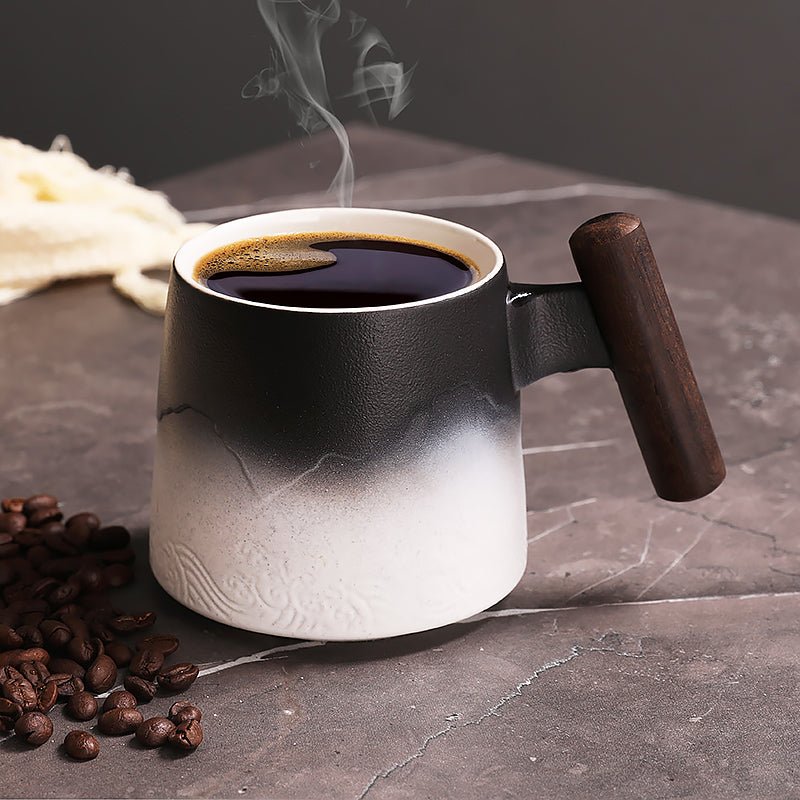
Mean Mug Coffee: What Buyers Should Check Before They Buy
Mean mug coffee usually points shoppers toward a bold, no-nonsense mug style. Here’s what to check for size, materials, comfort, and daily use before you buy from CoffeifyMug.
Leer más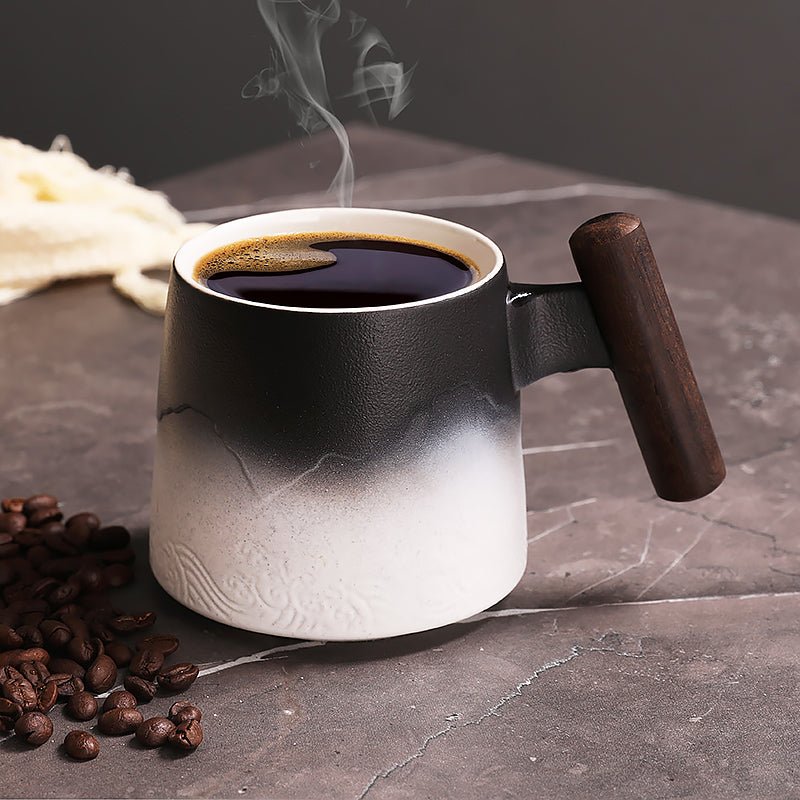
Promotional Coffee Mugs: How to Choose Ones People Actually Keep Using
Promotional coffee mugs work best when they feel solid in the hand, hold up in daily dishwashing, and match the setting they’re given in. Here’s how we help shoppers compare materials, sizes, and u...
Leer más
Dejar un comentario
Este sitio está protegido por hCaptcha y se aplican la Política de privacidad de hCaptcha y los Términos del servicio.