
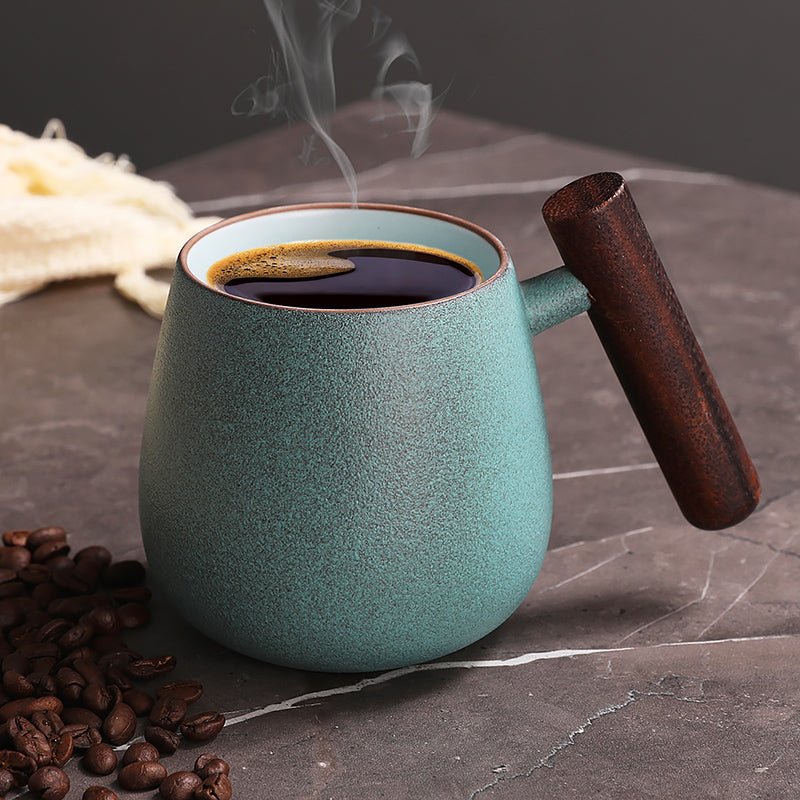
Coffee Mug Meals: Best Mug Sizes, Foods, and Buying Tips
Reading time: about 9 minutes
A mug that is perfect for coffee can feel cramped the minute you try to eat from it. We see that a lot in our store: customers want coffee mug meals that are simple, tidy, and easy to finish at a desk, on a kitchen counter, or during a short break.
That usually means one thing. The mug shape matters as much as the recipe. A short, wide cup is easier to stir. A taller mug keeps broth and oatmeal from sloshing over the rim. A novelty mug may look fun on a shelf and still be awkward for lunch. If you are comparing styles first, start with our all mugs collection and look at the silhouette before the decoration.
In our experience, the best mug for food is not the prettiest one. It is the one that gives you enough headroom for a spoon, a stable base that does not wobble on a tray, and a handle that leaves room for two fingers without scraping your knuckles on the side.
What counts as a coffee mug meal?
For most shoppers, coffee mug meals are small, one-portion foods that can be mixed, heated, or eaten directly from a mug. They are not a replacement for a bowl when you want a full dinner. They are the kind of thing you make when you want less cleanup and a faster path from counter to table.
The category usually includes breakfast foods, quick lunches, and late-night snacks. Think oatmeal, mug cakes, instant grits, broth-based noodle cups, small servings of soup, and microwave egg mixtures. The common thread is simple: the food needs to fit the mug shape without requiring a wide surface or a lot of knife work.
A mug that is easy to sip from is not always easy to eat from. If the spoon hits the rim every time you stir, the mug is working against the meal.
We look at mug meals the same way we look at a drinking mug. The vessel has to match the use. A good food mug is usually a little more forgiving on width, rim thickness, and vertical space than a mug chosen only for coffee.
Which foods actually work in a mug?
The safest mug meals are foods that hold together and do not expand aggressively while cooking. That is the part people underestimate. A mug can look half empty and still overflow once the contents bubble.
Good fits:
- Oatmeal with modest toppings, especially if you stir in fruit after heating.
- Soup in small portions, especially creamier soups or broth with soft add-ins.
- Mug cakes and brownies, which are designed for a contained shape.
- Instant grits or polenta in a single serving.
- Microwave egg cups, if you are watching the time closely and stopping before the eggs toughen.
- Small portions of rice or leftovers that do not need a broad surface for crisping.
Poor fits:
- Anything with a lot of bubbling foam, such as a overfilled instant noodle cup.
- Meals that need frequent cutting, like a layered casserole with firm chunks.
- Crispy foods that depend on a dry top layer.
- Large salads or grain bowls that need tossing rather than stirring.
- Foods that need a lid and a long commute. A mug is for eating, not transport.
If you want a better sense of size before buying, our earlier guides to 10 oz Coffee Mug: What Fits, What Doesn’t, and What to Buy and 12 oz Coffee Mug Buying Guide for Fit, Comfort, and Daily Use are useful for comparing the smaller and roomier end of the range.
What mug shape makes eating easier?
Shape matters more than most people expect. A mug with straight or gently flared sides usually gives you more usable space than a mug that narrows sharply toward the bottom. A stable base matters too. If the mug rocks on the counter, it will feel annoying before the food is even hot.
Here is the practical breakdown we use:
| Mug shape | Best for | Trade-off |
|---|---|---|
| Tall mug | Soupier coffee mug meals, oatmeal, and anything that benefits from extra vertical space | Can be harder to stir if the opening is too narrow |
| Standard mug | Balanced use for coffee and food; good all-around choice for small portions | Less headroom than a tall mug, so overflow is easier to trigger |
| Novelty mug | Gifts, display, and light use | Often less comfortable for eating because the shape is decorative first |
That is why taller options often make more sense for food-first use. Our White Golden Waves Tall Coffee Tea Mug and Mountain Tall Coffee Tea Mug are closer to the shape we prefer for oatmeal, mug soups, and broth-based servings. The extra height gives you a little more room before the top becomes messy.
The opposite trade-off is just as real. A tall mug can be slightly less convenient for thick foods that need a lot of stirring. If you are mixing batter or folding in toppings, a wider opening is easier. That is why we usually recommend choosing the mug by the meal, not by the photo.
If you are trying to decide between a compact and roomier mug, our 11oz Coffee Mug Buying Guide: Size, Fit, and Best Uses helps with the middle ground. It is the kind of size many buyers land on for everyday use because it stays practical for both coffee and small food portions.
For shoppers who care more about style than pure function, the Handbag Coffee Tea Mug is a reminder that not every mug is built with meals in mind. It may be the right pick for a gift or a shelf display, but if your main goal is eating from the mug, we would choose one of the taller, more straightforward shapes first.
What should you avoid putting in a mug?
The main rule is simple: if the food needs a broad pan, a lid, or a knife, the mug is probably the wrong vessel. A lot of spills happen because the mug is too small for the expansion that happens during heating.
Watch for these problem areas:
- Rapid boil-over from starchy liquids like noodle broth or thin oats.
- Thick batters that rise higher than expected in the microwave.
- Foods with a lot of oil, which can leave a slick interior and make cleanup harder.
- Anything with hard toppings that sit above the rim and catch on the spoon.
There are also product-level trade-offs to keep in mind. A glazed ceramic mug is usually easier to wipe clean than a textured interior, but small glaze defects matter more in a food mug than they do in a coffee-only cup. We inspect for hairline cracks, rough handle joins, and an uneven foot ring because those are the issues that show up fast during daily use. A chip on the rim, a wobbly base, or a rough patch near the handle is the kind of defect that becomes annoying on day one and worse after repeated dishwasher cycles.
If the mug has metallic decoration or a specialty finish, check the care notes before putting it in the microwave. We do not treat every decorative mug as microwave-safe unless the manufacturer says so. That is the safer, more honest approach.
How do you make a mug meal without overflow or soggy edges?
Most mug meal problems are solved before the microwave starts. The trick is to leave room, stir evenly, and stop a little earlier than you think you need to.
- Fill the mug only partway at first. Leave enough room for bubbling and stirring.
- Use a spoon that can reach the bottom without scraping the sides too hard.
- Pause the microwave once or twice and stir, especially for oatmeal, soups, and egg mixtures.
- Let the mug sit for a short moment before lifting it. Food can keep steaming after the timer stops.
- Eat from a stable surface. A desk with a clean coaster is better than balancing the mug on a laptop corner or a soft couch arm.
That same approach helps with cleanup. A smooth glaze, a comfortable handle, and a solid foot ring make the mug easier to rinse and less likely to leave residue in the sink. If a mug looks beautiful but feels awkward to hold when full, it will not get used for meals very long.
For practical daily use, we usually recommend reading the product page with two questions in mind: does the mug have enough headroom for the food you actually make, and does the handle stay comfortable once the mug is hot? Those two checks matter more than a decorative finish.
What should you check before buying a mug for meals?
Before you buy, use a quick checklist. It keeps you from choosing a mug that looks right in photos and fails on the counter.
- Opening width: wide enough to stir without hitting the rim every time.
- Base stability: sits flat and does not wobble on a tray or countertop.
- Handle clearance: enough room for a comfortable grip, especially when the mug is hot.
- Interior finish: smooth enough to clean after oatmeal, soup, or batter.
- Care instructions: confirm microwave and dishwasher use if you plan to rely on them.
- Purpose: food-first, coffee-first, or gift-first. Those are not the same thing.
We think this is where shoppers get the clearest value from a brand store. A mug is a small item, but the details decide whether it gets used daily or ends up on a shelf. If you want a wider comparison of everyday mug sizing before choosing a food mug, the 12 Ounce Coffee Mug Buying Guide for Daily Use and Better Fit is a useful reference.
Our advice is simple: pick the mug that matches the food you actually eat, not the one that only looks good in a cart photo. That keeps the purchase honest and the cleanup easier.
Frequently asked questions
Can you use a coffee mug for oatmeal every day?
Yes, if the mug has enough depth and a comfortable opening for stirring. Oatmeal is one of the easiest coffee mug meals because it holds together well and does not need a wide surface. A tall mug can be especially helpful if you like to add fruit or a spoonful of nut butter on top.
What size mug is best for coffee mug meals?
For most small portions, a mug in the 10 to 12 oz range is the most practical starting point. Smaller mugs can work for thick food like mug cakes, while taller mugs are better for soupier meals. If you are unsure, compare the food you eat most often to the mug shape before you buy.
Are decorative mugs bad for meals?
Not always, but decoration can make a mug less practical if the opening is narrow or the handle is cramped. Some decorative mugs are better as gifts or display pieces than as food containers. If the finish includes metallic accents, check the care notes before microwaving.
Can you microwave mug meals in any ceramic mug?
No. Only use a ceramic mug in the microwave if the manufacturer says it is microwave-safe. Some decorative glazes, metallic trims, and specialty finishes are not suitable for heating. If a mug has any doubt attached to it, we would keep it out of the microwave.
What is the biggest mistake people make with coffee mug meals?
They overfill the mug. That is the fastest way to get spillover, soggy edges, and a mess in the microwave. The second mistake is choosing a mug that is too narrow to stir comfortably, which makes even simple foods frustrating to eat.
If you want to compare styles directly, start with all mugs, then narrow by shape: tall mugs for brothier coffee mug meals, standard mugs for everyday flexibility, and novelty mugs only if the gift value matters more than the food use.
Read more
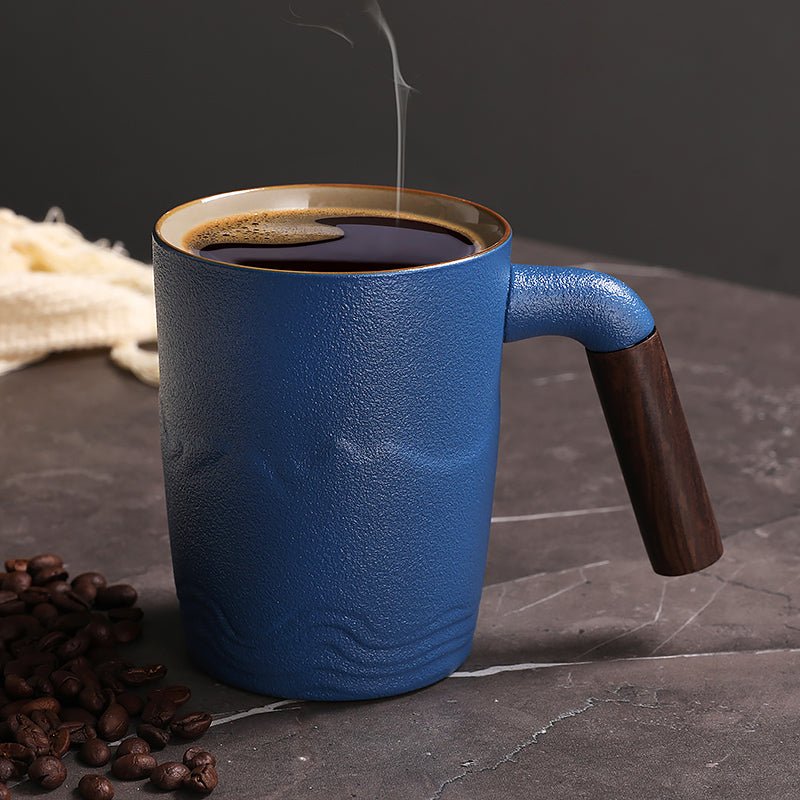
Kate Spade Coffee Mug: What to Check Before You Buy
A practical guide to choosing a kate spade coffee mug, with the size, handle, finish, and giftability checks that matter once the mug is actually in use.
Leer más
Georgia Bulldogs Coffee Mug: What to Buy Before You Click Add to Cart
A practical buying guide for shoppers comparing a Georgia Bulldogs coffee mug for daily coffee, desk use, or gifting. We cover size, material feel, care, and which mug style makes the most sense.
Leer más
Dejar un comentario
Este sitio está protegido por hCaptcha y se aplican la Política de privacidad de hCaptcha y los Términos del servicio.