
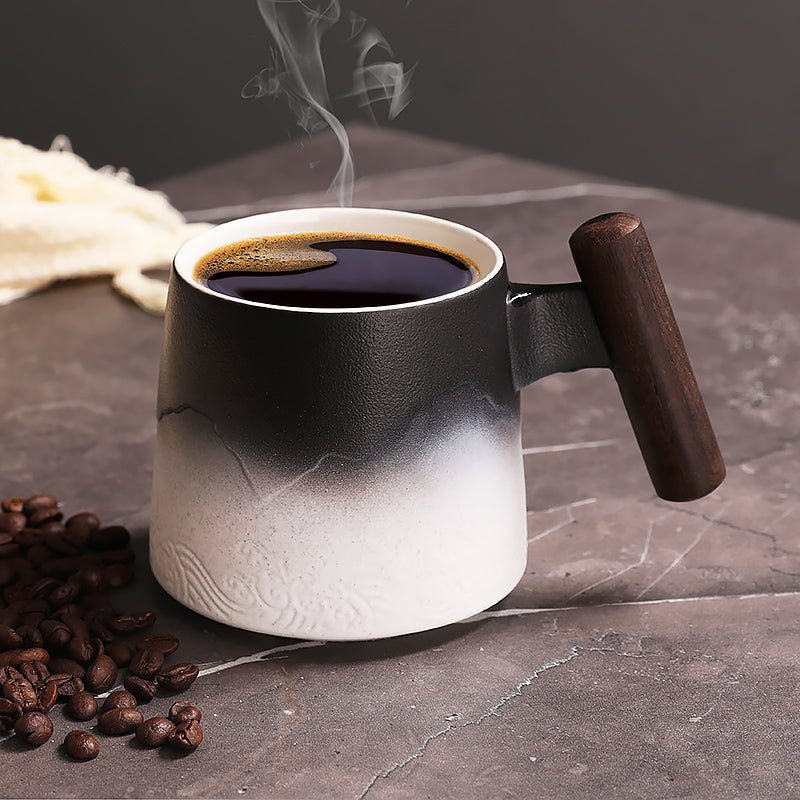
Coffee Mug Is How Many Ounces? Typical Sizes and Buying Tips
Reading time: about 8 minutes
A customer can hold two mugs that both say 12 oz and still end up with very different pours. One fills to the rim and feels cramped; the other leaves enough room for milk, foam, or a safer walk from the kitchen to an office desk.
If you have ever asked, coffee mug is how many ounces, the short answer is that most everyday mugs sit in the 8 to 12 ounce range. The longer answer matters more, because the listed capacity is usually the full brim volume, not the amount most people actually drink.
How many ounces is a coffee mug, usually?
Most standard coffee mugs hold 8 to 12 ounces. In everyday buying, 10 ounce and 12 ounce mugs are the most common middle ground, while 14 to 16 ounce mugs are usually considered large. A few oversized mugs go beyond that, but those are better thought of as large-format drink vessels than classic mugs.
In our store, we see shoppers get tripped up by the label itself. A mug marked 12 oz is often measured to the top edge, which means the practical pour is lower once you leave headroom for hot coffee and carry comfort.
| Capacity | What it feels like | Best use |
|---|---|---|
| 8 oz | Small and compact | Short coffees, tea, espresso-based drinks |
| 10 to 12 oz | Everyday standard | Drip coffee, tea, cocoa, general home use |
| 14 to 16 oz | Large and roomy | Big pours, milk-heavy drinks, long desk sessions |
| 18 oz and up | Oversized | Very large coffee servings, soups, novelty use |
If you want a second reference point, our guides on How Many Ounces in a Coffee Mug? Real Sizes and Buying Tips and How Many Ounces Is a Standard Coffee Mug? Buyer Guide break down the same sizing question from a buying angle.
Why do two mugs with the same ounce number feel different?
Shape changes the experience. A short, wide mug with thick ceramic walls feels different from a tall mug with thin walls, even if both are labeled the same capacity. Handle clearance matters too. A handle that is too tight can make a medium mug feel awkward, especially if you carry it one-handed from a kitchen counter to a work desk.
The materials and finish also change daily use. A glazed ceramic mug is usually easy to wipe clean, but a matte finish can show coffee residue sooner if you let it sit. On the other hand, a heavier stoneware body often holds heat well and feels more stable in the hand. None of that changes the printed ounce number, but all of it changes how the mug behaves in real life.
- Brim capacity is the full amount the mug can hold if you fill it to the top.
- Working capacity is the amount most people actually pour so the drink does not slosh.
- Comfort capacity is what feels right once you add cream, foam, or a little extra room at the top.
Rule of thumb: if you drink coffee while moving around the house, choose a mug with extra headroom. If it stays on a desk, you can usually go a little larger.
What size works best for drip coffee, lattes, tea, and cocoa?
The right size depends on the drink, not just the mug. A black drip coffee drinker and a latte drinker do not need the same vessel. A tea mug that lives by the kettle can be smaller than a mug that stays by the office machine all morning.
| Drink | Common mug size | What to expect |
|---|---|---|
| Drip coffee | 10 to 12 oz | Comfortable for a standard pour without feeling oversized |
| Latte | 12 to 16 oz | Needs room for milk and foam |
| Cappuccino | 8 to 12 oz | A smaller cup keeps the drink proportional |
| Tea | 8 to 12 oz | Easy to hold and less likely to cool too slowly |
| Hot cocoa | 10 to 16 oz | Larger mugs work well with whipped cream or marshmallows |
If you mostly drink espresso or short drinks, a huge mug is usually the wrong tool. It makes the drink look lost, cools faster than you want, and gives you more ceramic than coffee. If you want a mug for milk-heavy drinks, bigger is often better because foam and topping space matter as much as the liquid itself.
That is why the question coffee mug is how many ounces is only half the story. The other half is how you actually drink it.
What should you check before buying a coffee mug?
We usually steer shoppers through the same checklist before they buy. It keeps the decision practical and avoids the common disappointment of a mug that looks good online but feels wrong on the table.
- Check whether the listed capacity is to the brim. Many mugs are measured at full fill, not at a realistic pour line.
- Look at the handle opening. A narrow handle can be annoying if you have larger hands or carry coffee while working.
- Think about the finish. Glossy glaze is usually easier to wipe clean; textured or matte finishes can hold onto stains if you let coffee sit.
- Watch the wear points. The rim, the handle joint, and the base are where chips, hairline cracks, and glaze crazing tend to show up first after dishwasher cycles or a knock against the sink.
- Match the mug to the setting. A mug for a kitchen counter can be taller and more decorative. A mug for an office desk should feel stable and easy to set down quickly.
One more limitation: a coffee mug is not a travel cup. If you need spill protection for the car, a lid and sealed tumbler matter more than mug style. A classic mug is for open-table drinking, not commuting.
Which mugs in our store fit different use cases?
If you want to compare shapes instead of just capacity, start with the actual mug styles. For a lighter-feeling option with a wooden handle, look at The Cloud Coffee Tea Mug Wooden Handle. If you prefer a more grounded look on the counter, compare it with The Rock Coffee Tea Mug. For a mug that works well as a day-to-night desk piece, Morning Night Coffee Tea Mug is a straightforward place to start.
Browse the full range in our all collection if you want to compare styles side by side before choosing.
If you want another pass at sizing language before buying, our related guides, How Many Ounces Is a Coffee Mug? Real Sizes and Buyer Tips and How Many Ounces Is a Coffee Mug? Sizes, Fits, and Buying Tips, cover the same topic with a few more fit examples.
How do you choose the right mug size for everyday use?
Start with the drink you actually make most often, not the drink you wish you made. A person who drinks one strong 8 ounce coffee does not need the same mug as someone who pours a 14 ounce latte and walks it to a home office. Once you know that, the rest is simple.
- Choose 8 oz if you prefer smaller servings, stronger coffee, or tea that you want to finish while still hot.
- Choose 10 to 12 oz if you want a true everyday mug that works for most drip coffee and tea.
- Choose 14 to 16 oz if you add milk, like larger pours, or want fewer refills at the desk.
- Skip oversized novelty mugs if you want something balanced, easy to store, and comfortable in daily use.
We see one other buying pattern a lot: shoppers pick by photos only. That works until the mug shows up next to a coffee machine, a laptop, or a breakfast plate and suddenly looks much bigger or smaller than expected. Capacity, handle size, and overall silhouette all matter together.
Frequently asked questions
Is a 12 oz coffee mug enough for one cup?
Yes, for most people it is enough for a standard cup of drip coffee. It also leaves enough room for a little milk or cream without feeling overfilled. If you like large pours or milk-heavy drinks, 14 oz or 16 oz can feel more comfortable.
Why does my 12 oz mug never look full?
Because the 12 oz number usually means full rim capacity, not the amount you should pour in normal use. Most people leave headroom so the coffee does not slosh over the edge. That is why the mug can look only partly full even when the serving size is right.
What size coffee mug is best for lattes?
Most lattes work well in a 12 to 16 oz mug, depending on how much milk and foam you use. Smaller mugs can make a latte feel crowded, while larger mugs give the drink room to breathe. If you like a lot of foam, avoid a tight 8 oz cup.
Are 16 oz mugs too big for daily use?
Not necessarily, but they are less versatile than mid-size mugs. A 16 oz mug is great if you want fewer refills or drink large milk-based coffees, but it can feel bulky for tea or small drip pours. If you want one mug that works for almost everything, 10 to 12 oz is usually the safer pick.
What mug size is easiest to clean and use every day?
A simple 10 to 12 oz mug is often the easiest daily choice because it fits common serving sizes and is usually easier to store in cabinets and dish racks. Smooth glazed interiors are simpler to rinse than textured finishes. If you use the dishwasher often, a sturdy handle and a chip-resistant rim matter more than a novelty shape.
If you are still deciding, use the size table above, then compare the styles in our all collection and pick the mug that matches the amount you actually pour at home or at work.
Read more
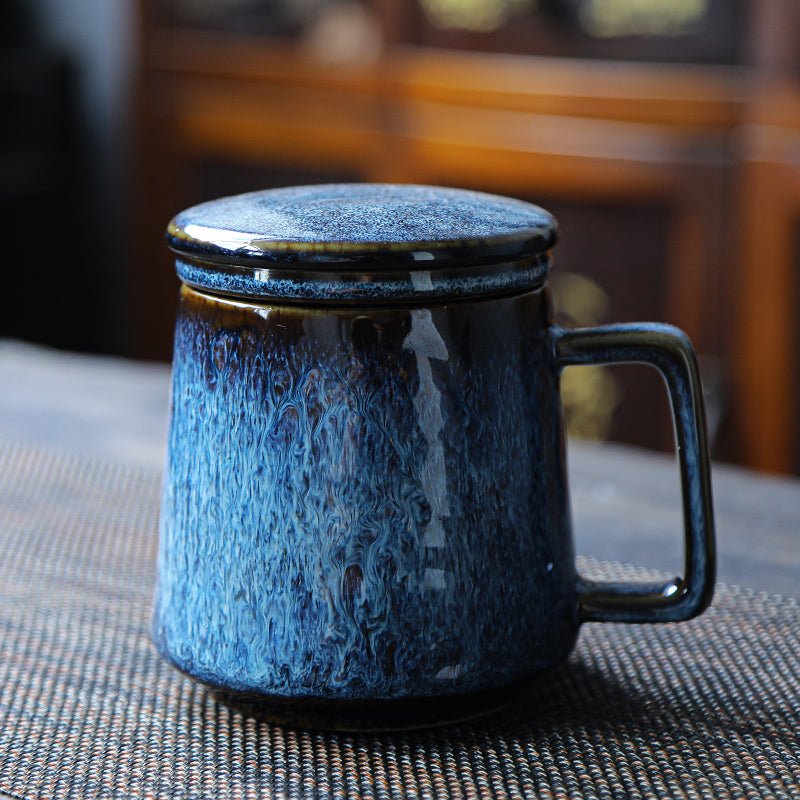
CamelBak Coffee Mug: What to Check Before You Buy
A camelbak coffee mug search usually means the buyer wants fewer spills without giving up a mug that feels good to drink from. This guide compares travel mugs and ceramic alternatives, then points ...
Leer más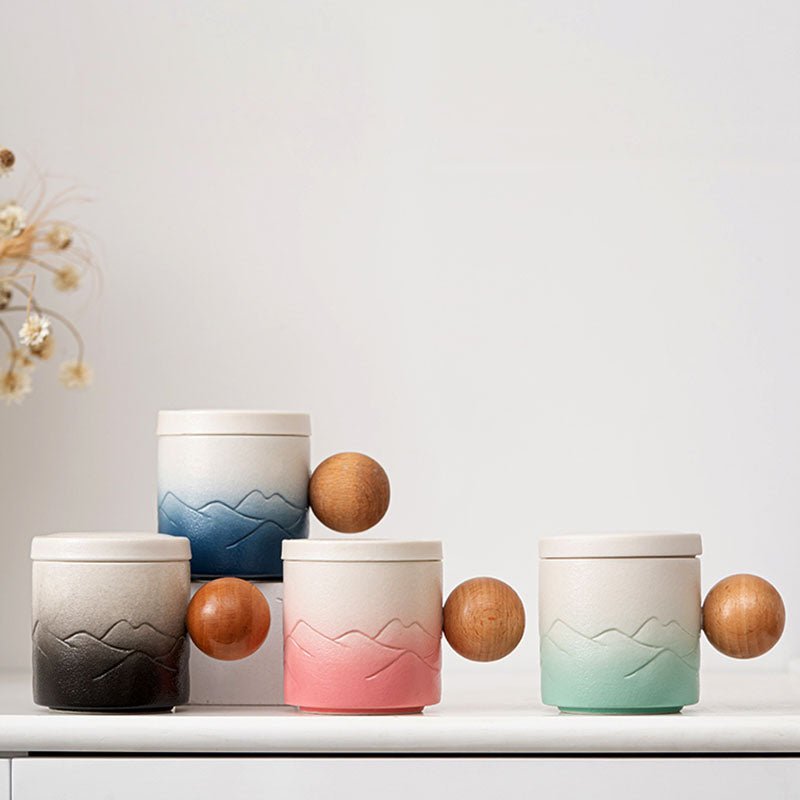
FBI Coffee Mug: What to Check Before You Buy for Daily Use
A practical buyer’s guide to choosing an FBI coffee mug that actually fits your routine, from desk use to gift-giving. We cover size, material, care, and which styles are better for display versus ...
Leer más
Dejar un comentario
Este sitio está protegido por hCaptcha y se aplican la Política de privacidad de hCaptcha y los Términos del servicio.