
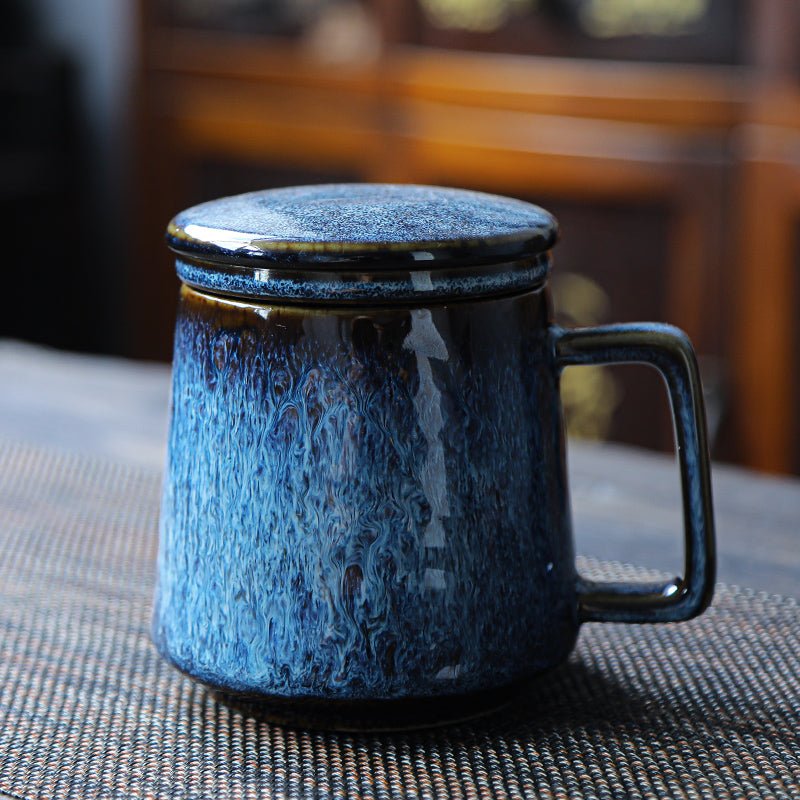
Coffee Mug Holders: How to Choose the Right One for Your Kitchen
Reading time: about 9 minutes
A mug rack that looks great in the photo can fail fast on a real kitchen counter. We see it happen most often when the hooks are too close together, the frame wobbles under heavier ceramic, or the mug handles are too tight to hang cleanly.
That is why we approach coffee mug holders as a fit problem first and a style choice second. The right holder should match the mugs you actually use, the space you have, and the way you reach for coffee on busy mornings.
If you are still deciding what kind of mugs will live on the rack, our team also keeps an eye on cup shape and handle clearance. For example, a clean-sided mug like the Green Waves Coffee Tea Mug tends to sit nicely on open display, while handled designs such as the Mountain Sea II Coffee Tea Mug with Wooden Handle and The Cloud Coffee Tea Mug Wooden Handle are the kind of shapes that make a holder feel practical instead of crowded.
What should a coffee mug holder actually fit?
The first check is simple: the holder must fit the mug handle, not just the mug body. A lot of buyers measure the cup diameter and forget the handle opening, which is usually where the mismatch shows up. If the hook is too thick, the mug sits crooked. If the hook is too short, the mug bumps the wall or the mug below it.
In our experience, a dependable holder should give you:
- Enough hook depth for the mug handle to rest without sliding off.
- Enough vertical clearance so one hanging mug does not hit the next one.
- A frame or base that stays stable when the rack is fully loaded.
- A finish that can handle daily wipe-downs near coffee splashes.
That fit question matters even more if your mugs are on the heavier side. Wooden-handle mugs and thicker ceramic bodies can shift weight distribution, so a lightweight wire tree is not always the best match. If you want to compare mug sizes before choosing a holder, our guides on 11 oz mug fit and 12 ounce mug fit are useful companions to this guide.
Which holder style works best for a real kitchen?
We usually narrow coffee mug holders down to three practical styles. Each one solves a different space problem.
| Holder style | Best for | Main trade-off |
|---|---|---|
| Countertop tree or stand | Easy access and a simple coffee station | Takes up visible counter space |
| Wall-mounted rack | Small kitchens and open wall space | Needs secure mounting and planning |
| Under-cabinet hook rail | Using dead space under cabinets | Not ideal for very large mugs or low cabinets |
Countertop holders are the easiest to use, but they are not always the most forgiving. If the base is too light, the stand can tip when someone grabs a mug one-handed. Wall-mounted racks free up space, but they demand better installation and a wall that can take screws or anchors. Under-cabinet rails are efficient, yet they can create a problem if your mugs are tall or your cabinet clearance is tight.
For shoppers who want to build a coordinated coffee corner, we often suggest browsing our full collection after you decide on the holder style. That makes it easier to match the rack with mugs that hang cleanly and still look balanced on display.
What materials hold up best over time?
This is where marketing copy often gets vague. We do not think it should be. A coffee mug holder lives near steam, occasional drips, and constant hand contact, so the material matters.
Metal is the usual pick for the frame because it gives the holder the stiffness needed to support repeated use. The common issue is finish wear: painted or coated surfaces can show scratches where mugs rub the hooks.
Wood can look warmer and softer in a kitchen, but it is less forgiving around moisture. It needs a finish that can handle wipe-downs, and it usually works best in a dry coffee nook rather than next to a sink or kettle.
Mixed-material holders can be a good balance if the structure is metal and the base or accent pieces are wood. That setup often looks better on a countertop and still stays practical, which is why it pairs well with handled mugs like The Cloud Coffee Tea Mug Wooden Handle.
What we do not recommend is choosing based only on appearance. A holder with a delicate decorative frame may look refined, but if the hook spacing is tight or the welds are thin, it can start leaning after a few weeks of daily use. That is a common failure mode we watch for in this category.
How much spacing do you need between mugs?
Spacing is one of the easiest things to ignore and one of the fastest ways to end up with a frustrating setup. If the mug handles touch, the rack feels cluttered and the cups are harder to grab. If the hooks are too far apart, you waste the vertical or horizontal space you were trying to save.
As a practical rule, buyers should think about three dimensions:
- Hook width: wide enough for the handle to rest without force.
- Side clearance: enough room so mug bodies do not swing into each other.
- Height clearance: enough space below cabinets or shelves so the cup does not scrape on removal.
We have found that mug shape changes the spacing more than most people expect. A rounded mug with a large handle needs more room than a straighter mug. A design like the Green Waves Coffee Tea Mug can feel compact on a rack, while wider-handled pieces need more breathing room. If you want a deeper look at sizing before you choose a holder, our older guide on 10 oz mug fit helps explain why small size does not always mean small footprint.
What should you check before buying for an office or gift setup?
Office desks and gift setups are where coffee mug holders often get overcomplicated. People want a nice-looking station, but they also want it to be easy to maintain. If a holder needs constant rearranging, it stops being a convenience and becomes clutter.
For those settings, we recommend checking:
- How easy the holder is to wipe clean after coffee drips.
- Whether the base or mount stays steady on a desk or shelf.
- Whether the mug display still looks intentional with only two or three mugs on it.
- Whether the holder matches mugs that are used daily, not only for display.
We see gift buyers make one common mistake: they pick a decorative holder that looks best when full, then realize the recipient only uses two mugs. In that case, a simpler rack or a compact stand is usually a better fit. A set built around handled mugs such as Mountain Sea II Coffee Tea Mug with Wooden Handle often looks more complete when the storage solution is understated rather than oversized.
What are the downsides of coffee mug holders?
Good holders solve storage problems. They do not solve everything.
Here is where they are not the best choice:
- If you only own oversized mugs or tall travel tumblers, many racks will feel cramped.
- If your kitchen shelves sit low, hanging mugs can be awkward to remove.
- If your counter is already crowded, a countertop stand can make the space feel busier.
- If you want complete dust protection, open display racks are not the answer.
That is why we try to be direct about the trade-off. Open holders make mugs easier to reach and easier to display, but they also leave them exposed to dust, grease, and splatter. If that matters in your kitchen, closed cabinet storage may be the better path.
Another limitation is weight. Heavier ceramic mugs can work on a solid holder, but weak joints or thin wire frames can deform over time. If a holder flexes when you hang a mug on it, we would pass on it.
Our rule of thumb in-store: if the holder feels steady when empty and still feels planted when one mug is hung on each side, it is probably a better buy than a prettier rack that wobbles right away.
How do you keep a mug holder looking good?
Maintenance should be simple. If it is not, the holder will end up ignored, and the whole setup loses the point.
For most metal or mixed-material coffee mug holders, a quick wipe with a soft damp cloth is enough for day-to-day cleaning. Dry it afterward if the holder sits near a kettle, sink, or coffee machine. That helps prevent water spots and finish wear around the hook points.
For wooden accents, avoid soaking the surface or using harsh abrasive pads. That is especially relevant if your mugs or accessories sit close to steam. Wooden parts can stay attractive for a long time, but only if they are treated like furniture, not like a dish rack.
If your mugs go through the dishwasher often, let them cool before hanging them back on the holder. Hot cups can leave condensation on hooks, and that moisture can transfer to surfaces below. The habit is small. The difference in daily cleanliness is not.
Frequently asked questions
How many mugs can a coffee mug holder hold?
That depends on the design, not just the advertising image. A compact countertop stand might hold a small daily set, while a wall-mounted rail can handle more if the hooks are spaced properly. We recommend buying for the number you actually use, then leaving a little room instead of filling every hook.
Are coffee mug holders better than cabinet shelves?
They are better if you want easy access and visible display. Cabinet shelves are better if you want dust protection and a cleaner look. We usually suggest a holder for daily mugs and cabinets for overflow or seasonal pieces.
Will wooden-handled mugs work on a standard holder?
Usually yes, but the hook shape matters. Wooden handles can change how the mug hangs and may need slightly more clearance than a standard ceramic handle. If the hook is narrow or the mug body is heavy, test the balance before committing to a full setup.
What is the best coffee mug holder for a small kitchen?
A wall-mounted or under-cabinet style is usually the most space-efficient. Countertop holders are easier to set up, but they take usable work surface. If your kitchen is tight, measure the clearance first and check that the mugs will not bump cabinets or appliances.
How do I know if a holder is sturdy enough?
Look for a stable base, solid joints, and hook spacing that does not force the mugs to lean. A good holder should not wobble when you remove one mug with one hand. If the frame twists or the hooks feel thin, it is not a safe long-term option for daily use.
If you are comparing options right now, start with the holder style, then match it to the mugs you already own. After that, check our collection and the product pages for mugs that hang cleanly, then use the fit notes in our mug size guides to narrow the final choice.
Read more
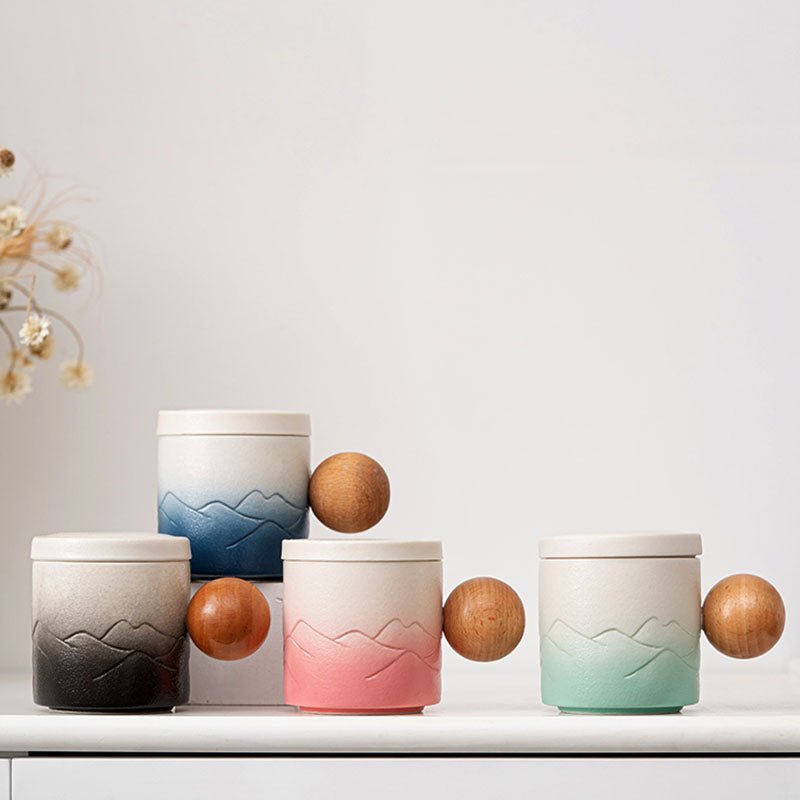
Mug & Cup Coffee: Best Mug Shapes for Daily Use
A practical mug & cup coffee buying guide that compares tall, seasonal, and everyday ceramic mugs, with the real trade-offs our store looks for before we ship.
Leer más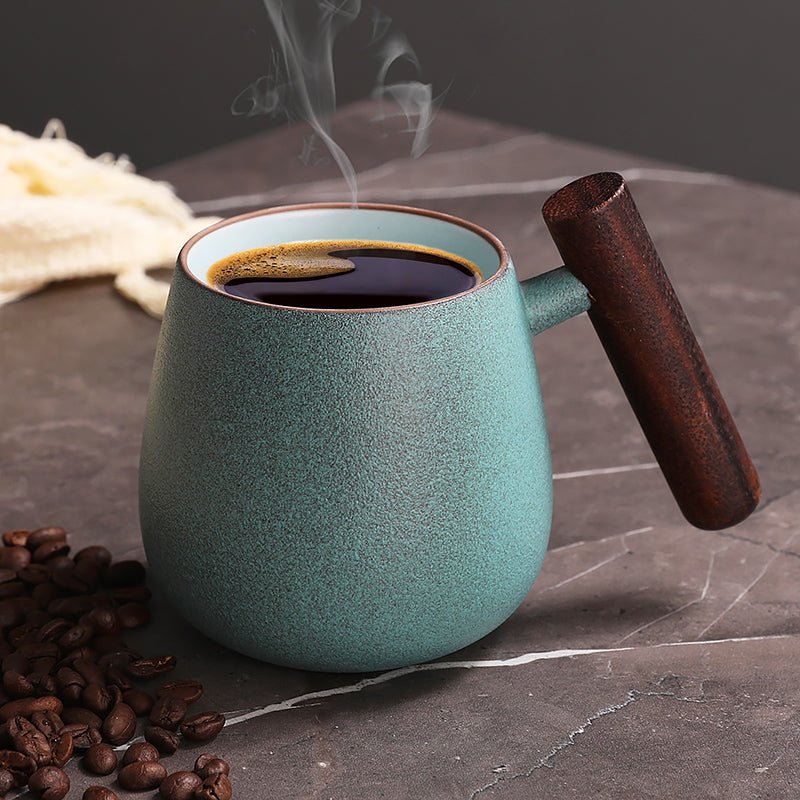
Otagiri Coffee Mug: How to Choose Size, Condition, and Use
A practical guide to choosing an Otagiri coffee mug by condition, size, and daily use. We cover what to inspect, what wears out first, and which current mugs make sense if you want the vintage look...
Leer más
Dejar un comentario
Este sitio está protegido por hCaptcha y se aplican la Política de privacidad de hCaptcha y los Términos del servicio.