
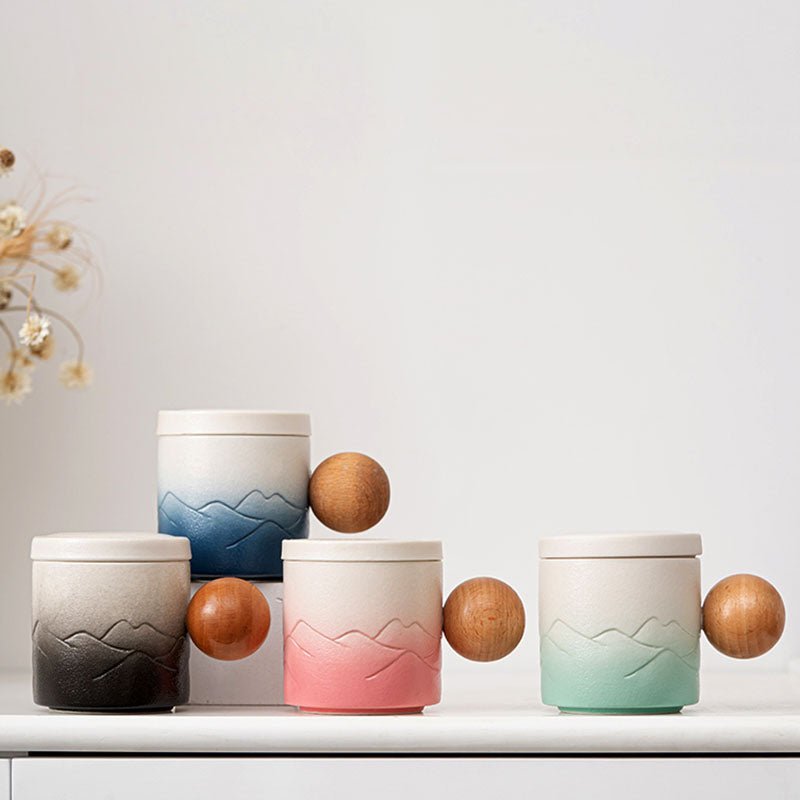
Coffee Mug Display Guide for Kitchens, Offices, and Small Spaces
Reading time: about 8 minutes
A mug rack looks fine online until the handles collide with the backsplash, one oversized mug hangs too low, and the whole setup turns into clutter instead of display. We see that happen most often in real kitchens, where a coffee mug display has to look good, fit the space, and still be easy to grab before work.
The best displays are usually simple. They leave enough clearance for the handle, they keep the mugs close enough to use every day, and they do not rely on a style that only works in staged photos. In our store, we think about the same questions buyers ask after unboxing a set and trying to fit it into a cabinet, on a counter, or beside a coffee machine.
What makes a coffee mug display work on a real counter?
A coffee mug display works when the mugs are visible, reachable, and protected from the problems that show up in everyday use. That means enough shelf depth for the mug body, enough vertical clearance for the handle, and a placement that does not interfere with the kettle, toaster, or espresso machine.
We usually tell shoppers to think in terms of three checks:
- Reach: If you have to move three things to get one mug, the display is too crowded.
- Clearance: Handles should not scrape paint, tile, or a neighboring mug.
- Stability: A display should not wobble when you remove the second mug from the row.
That is why a display shelf for mugs is not just a storage piece. It is part of the way the kitchen functions. If you want a deeper breakdown of shelf styles, our Coffee Mug Display Shelf Buying Guide for Real Kitchen Use compares countertop, wall-mounted, and cabinet-friendly setups in more detail.
If the mug is hard to grab, it stops feeling like a display and starts feeling like storage you have to fight with.
Which display style fits your space best?
Different rooms need different answers. A small apartment kitchen often needs vertical storage. A breakroom shelf may need easy visibility. A rental may rule out drilling. The right coffee mug display depends on where the mugs live and how often you use them.
| Display style | Best for | Main advantage | Trade-off |
|---|---|---|---|
| Open wall shelf | Everyday kitchen mugs | Easy to see and grab | Collects dust and needs secure mounting |
| Hanging rack | Small kitchens and narrow walls | Uses vertical space well | Not ideal for very large mugs or awkward handles |
| Cabinet shelf | People who want a cleaner look | Protects mugs from dust | Less visual impact and harder to browse at a glance |
| Countertop stand | Renters and coffee corners | No wall mounting required | Takes up valuable prep space |
For buyers who want a quick side-by-side view of shelf priorities, our article on Coffee Mug Display Shelf Buying Guide for Real Kitchen Use is the best place to start before choosing a wall mount or a countertop option.
What size and spacing details should you check before you buy?
This is where most people miss. A mug can look standard in photos and still be too tall, too wide, or too heavy for the display you had in mind. We recommend checking the mug dimensions before you buy the shelf, not after.
- Usable depth: A shelf with about 5 to 6 inches of usable depth usually works better for standard ceramic mugs than a shallow ledge that only looks decorative.
- Handle clearance: Leave room for the handle to clear the back wall and the mug beside it. Tight spacing leads to chipped glaze and awkward grabs.
- Mug diameter: Wider mugs need more elbow room. A wide 15 oz or 16 oz mug will not sit the same way as a compact 10 oz option.
- Material and finish: Ceramic and stoneware mugs are common for display because they look balanced on shelves, while glass or insulated mugs can feel visually heavier or less uniform.
- Cleaning routine: Open shelves show dust. If the display sits near a stove, grease film can build up faster than most buyers expect.
If you are still deciding on mug size, these size guides are useful before you commit to a display layout: 10 oz Coffee Mug: Size, Fit, and What to Check Before You Buy, 11 oz Coffee Mug: Size, Fit, and What to Check Before You Buy, and 12 oz Coffee Mug: Size, Fit, and What Buyers Should Check. For larger everyday mugs, see also 15 oz Coffee Mug: Size, Fit, and What Buyers Should Check and 16 Ounce Coffee Mug Buyer’s Guide: Size, Material, and Fit.
One common defect mode we watch for is chipped rims from a display that is too tight. Another is a shelf that looks straight in the cart but flexes once several stoneware mugs are loaded onto it. Small differences matter here.
How do you arrange mugs so the display looks intentional?
The easiest displays usually look the most deliberate. We see shoppers improve a shelf quickly just by choosing a simple pattern and keeping it consistent.
- Group by color or glaze: Neutrals together, bright mugs together, novelty mugs in one smaller section.
- Use odd numbers when possible: Three or five mugs often look cleaner than a full tight row.
- Keep handles facing the same direction: It makes the shelf feel organized and helps when you grab one in a hurry.
- Leave one open gap: A little breathing room keeps the display from looking overfilled.
- Place heavier mugs lower: Thick stoneware or larger mugs are less likely to feel top-heavy on a lower shelf or counter stand.
This matters in real life, not just in photos. A display near the coffee machine gets touched every morning. A display in an office break area gets mixed use from different people. A gift unboxing shelf in a guest kitchen needs to look good immediately, not after a week of rearranging.
What should you buy if you want mugs and a display together?
If you are building the setup from scratch, we recommend choosing the mugs and the display at the same time. That is the easiest way to avoid the common mismatch where the shelf is too shallow for the mug body or too tight for the handle.
Our current mug selection is available at our products page, and the full assortment is in our collections page. If you want a compact starting point, pick two or three mugs first, check their diameter and handle shape, then size the display around that actual footprint instead of relying on a generic shelf description.
For buyers comparing multiple mug sizes, that approach saves time. It also helps when the display has to serve a specific use case, like a single-person coffee corner, a shared office station, or a kitchen with limited cabinet space.
What does not work well for coffee mug display?
Not every display style is a good fit. Some setups look clean at first but become frustrating once you live with them.
- Very deep shelves: They can hide mugs in the back and make the front row feel crowded.
- Too-light racks: They may flex or shift when you hang larger ceramic mugs.
- Open displays near a stove: They pick up grease faster and need more frequent wiping.
- Wall mounts in rentals: They may not be practical if you cannot drill into the wall.
- Oversized travel mugs: They often do not sit well on standard mug pegs or narrow shelf slots.
If your kitchen gets dusty quickly or you do a lot of stovetop cooking, a closed cabinet or a partially enclosed shelf may be a better choice than a fully open coffee mug display. If your main goal is decoration and not daily use, a display can lean more decorative. If your main goal is daily function, it should be easy to reach and easy to clean.
That trade-off is real. A prettier open shelf is not always the most practical answer.
Frequently asked questions
How much space do I need for a coffee mug display on a counter?
Plan for the mug body, the handle, and room to remove one mug without bumping the next one. A small counter display can work with just a few mugs if the shelf or stand has enough depth and the mugs are not oversized. We usually advise measuring the widest mug first, then deciding how many pieces the space can actually hold.
Are open shelves or wall-mounted racks better for coffee mugs?
Open shelves are easier to style and usually simpler to use every day. Wall-mounted racks save counter space and can work well in narrow kitchens, but they need secure installation and enough wall clearance for the mugs to hang freely. If you rent or rearrange often, a countertop or cabinet option may be safer.
What mug size works best for a small display?
Smaller mugs are easier to fit neatly because they need less clearance between handles and less shelf depth. A compact 10 oz or 11 oz mug often works well when space is tight, while a 15 oz or 16 oz mug usually needs more breathing room. If you are comparing sizes, check the linked size guides above before choosing the display.
How do I keep my mug display from getting dusty?
Keep the display away from the stove if possible, and wipe the shelf regularly with a dry or slightly damp cloth depending on the material. Closed cabinet storage protects mugs better, but it gives you less of a display effect. If the shelves are open, choose finishes that are easy to clean and avoid overcrowding the mugs.
Can I use a coffee mug display in a rental kitchen without drilling?
Yes. Countertop stands, tabletop racks, and cabinet shelves are the easiest no-drill options. They are also easier to move if you change apartments or redesign the coffee corner. Just make sure the stand is stable enough for the mug weight you plan to put on it.
If you are ready to choose, measure the space first, compare the mug sizes you want to display, and then browse our collections or start with our shelf buying guide before you buy. That gives you a cleaner fit, fewer surprises, and a coffee mug display that actually works day to day.
More from our blog
Read more
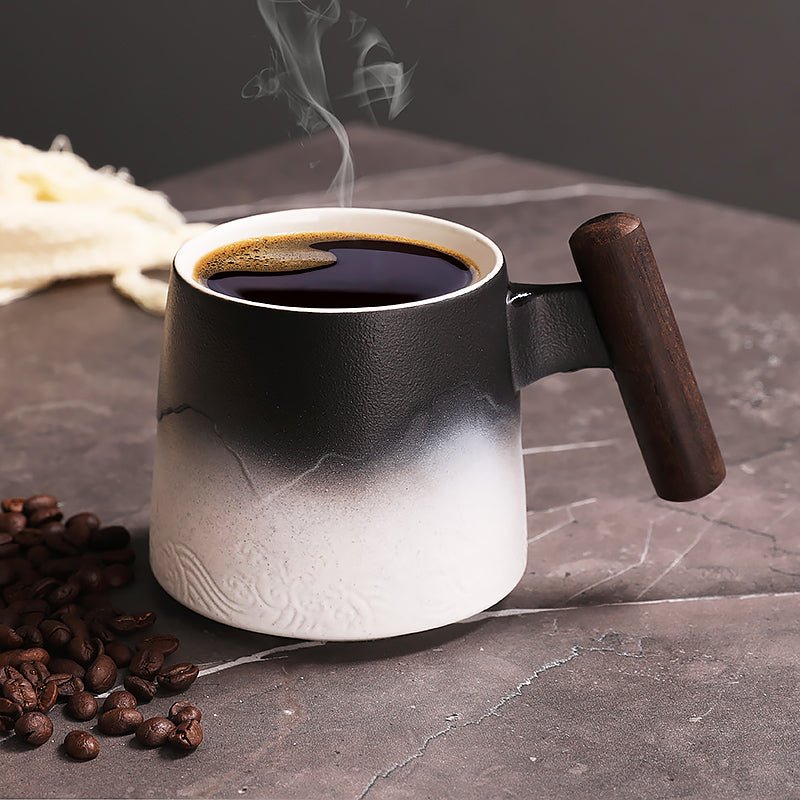
Brown Coffee Mugs: Materials, Sizes, and Buying Tips
Brown coffee mugs bring a warmer look than plain white, but the real difference is in material, weight, handle comfort, and how the glaze holds up. This guide shows what we check before stocking them.
Leer más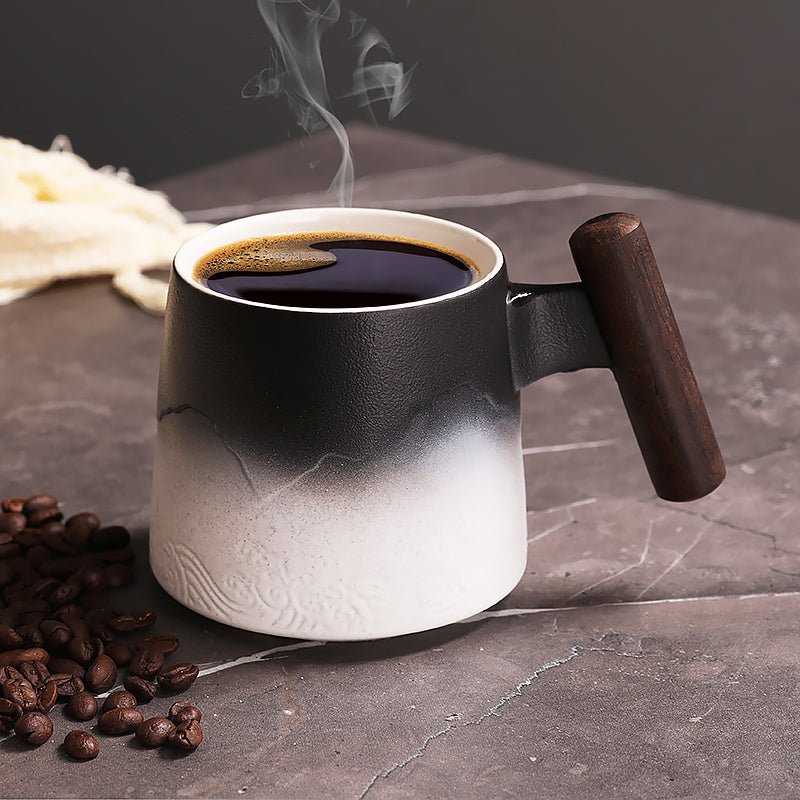
Coffee Mug Drawings: What to Check Before You Buy
Coffee mug drawings look simple online, but the real buy is about print method, mug shape, and daily care. We break down what lasts, what does not, and which sizes work best for desk use or gifting.
Leer más
Dejar un comentario
Este sitio está protegido por hCaptcha y se aplican la Política de privacidad de hCaptcha y los Términos del servicio.