
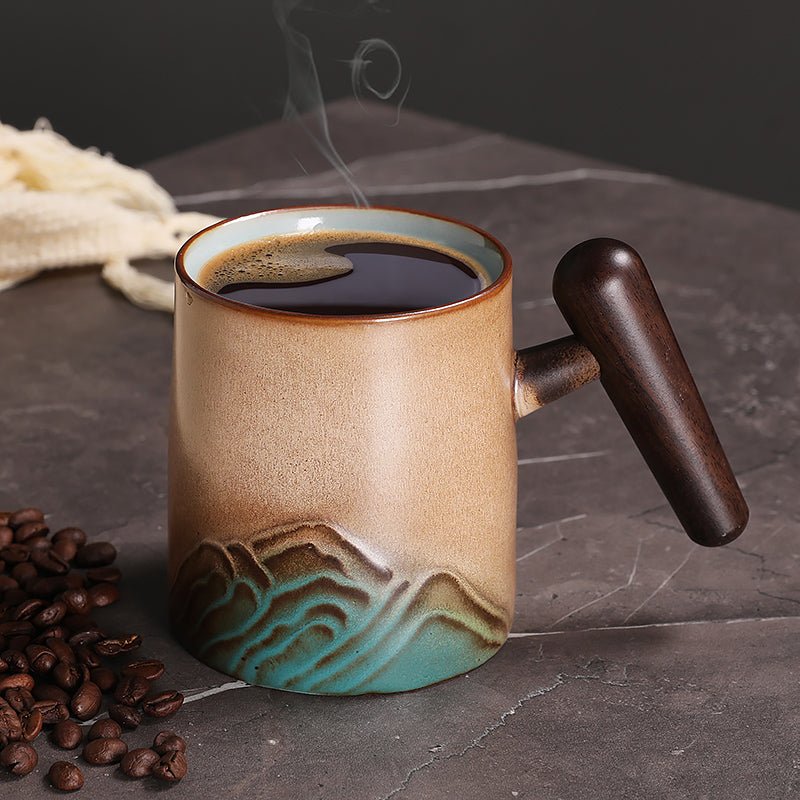
Coffee Mug Coffee Pot Buying Guide for Buyers Comparing Fit and Material
Reading time: about 9 minutes
A mug that looks perfect online can feel wrong the first time you set it under your coffee pot and the handle bumps the machine tray. We see that problem a lot in our store: the cup fits the photo, but not the brewer, not the hand, and not the morning routine.
This guide is for shoppers comparing a coffee mug coffee pot setup before buying. We’ll focus on the details that matter in real use: mug capacity, rim width, handle clearance, material, care, and what each style is actually good for. If you want to browse our current options while you read, start with our products page or compare the broader selection in our full collection.
What does a coffee mug coffee pot set up need to fit?
The first check is simple: the mug has to work with your coffee pot, not just beside it. If you use a drip machine, pour-over carafe, or a compact office brewer, the height under the brew head matters just as much as the mug’s capacity. A sturdy mug with a wide rim can still be a bad match if it won’t sit comfortably under the spout.
In our experience, buyers usually run into one of three fit problems:
- Height mismatch: the mug is too tall for the machine clearance.
- Width mismatch: the base is too wide for the drip tray or warming plate area.
- Handle interference: the handle hits the machine body or makes the mug hard to center.
If you’re comparing sizes before you buy, our related guides on Coffee Mug Pot Buying Guide: Size, Material, and Fit and Coffee Pot Coffee Mug: What to Check Before You Buy go deeper into the fit questions shoppers ask most often.
Which mug size works best with most coffee pot routines?
Size is the easiest place to make a mistake, because “one mug” can mean very different things. A 10 oz mug feels compact and works well for smaller servings or a strong morning coffee. An 11 oz mug is often the safe middle ground. A 12 oz mug gives you more room for cream, milk, or a longer pour. A 14 oz mug is more comfortable for those who drink slowly or want extra room, but it can feel bulky in smaller hands.
Here’s the practical version we use when helping customers choose:
| Mug size | Best for | Trade-off |
|---|---|---|
| 10 oz | Smaller servings, compact desks, tighter machine clearance | Less room for add-ins |
| 11 oz | Everyday use, gifting, balanced size | May still feel small for large pours |
| 12 oz | Room for milk, cream, or a fuller cup | Takes more storage space |
| 14 oz | Long coffee sessions, people who want a bigger pour | Can be too large for some brewers or cabinets |
If you already know you want a specific size, we’ve written separate buyer guides for 10 oz coffee mugs, 11 oz coffee mugs, 12 ounce coffee mugs, and 14 oz coffee mugs.
The trade-off is straightforward: larger mugs are more forgiving for pours, but they are not always the best choice for a compact coffee pot setup. If your brewer has a low brew head or a narrow platform, a smaller mug may actually work better every morning than a bigger mug that only looks better on paper.
What materials hold up best with daily coffee use?
Material affects more than appearance. It changes heat retention, weight, feel, and how forgiving the mug is on a busy kitchen counter or a cluttered office desk.
The most common materials shoppers compare are:
- Ceramic: familiar, steady, and comfortable to hold. It keeps coffee usable without feeling overly hot on the outside, but it can chip if knocked against a sink or crowded dishwasher rack.
- Stoneware: heavier and more substantial in the hand. It often feels premium, but the extra weight can be less convenient if you carry your mug from kitchen to desk all day.
- Porcelain: lighter and often smoother at the rim. Good for a cleaner feel, though it may seem a little more delicate than stoneware in everyday handling.
Our team looks for three real-world details that matter and are easy to miss online:
- Rim comfort: a slightly rounded rim feels better during repeated sips than a sharp edge.
- Handle clearance: the handle should fit two or three fingers comfortably, not pinch.
- Base stability: a flat, balanced base helps the mug sit securely on a coffee pot tray or desk surface.
None of these materials is perfect for every buyer. Ceramic and stoneware are not the best choice if you want ultra-light travel use. If you need something for commuting, a lidded tumbler is usually a better fit than a standard mug.
How do you tell if a coffee mug coffee pot combination is practical for everyday use?
The easiest way to judge practicality is to picture the whole routine, not just the sip. Morning coffee in a home kitchen is different from a break room mug that gets used, washed, and reused by several people. We think about three moments: pouring, carrying, and cleaning.
Ask yourself these questions before you buy:
- Does the mug fit under the coffee pot without tilting?
- Can you grip the handle comfortably with a full cup inside?
- Will it fit in your dishwasher without trapping water in the handle or around the base?
- Does the finish show marks easily if it sits on an office desk?
That last point matters more than many shoppers expect. Glossy finishes can look crisp, but they may show fingerprints and smudges more quickly. Matte finishes can feel more modern, but they sometimes show utensil marks or coffee residue differently. Neither is wrong; the best choice depends on how often the mug will be handled and washed.
If your current setup includes a coffee pot that sits close to the cabinet underside, keep a smaller profile in mind. A shorter mug with a wider opening often gives you better day-to-day clearance than a tall mug that forces awkward angle adjustments.
What features are worth paying attention to before buying?
Some details are only obvious once you’ve handled the mug in person, but they still deserve a close look online. We handle enough drinkware to know which features create buyer regret later.
Focus on these specifics:
- Capacity in ounces: not just the label size, but how that size feels once cream or milk is added.
- Handle shape: a wider handle opening is easier for larger hands and winter grip strength when fingers are stiff.
- Inner curvature: a gently curved interior can make rinsing easier than a sharply angled bowl.
- Dishwasher compatibility: useful for everyday cleanup, especially in office kitchens where hand washing is less likely.
- Microwave use: helpful for reheating, though not every mug finish behaves the same way over time.
Common defect modes we watch for in this category include uneven bases that wobble, glaze inconsistencies near the rim, and handles that feel fine visually but awkward in the hand. Those aren’t always dealbreakers, but they’re exactly the kind of details that separate a useful mug from one that gets pushed to the back of the cabinet.
Our experience has been that the best coffee mug coffee pot choice is rarely the largest or fanciest one. It’s the mug that fits your brewer, cleans easily, and still feels right on the third cup of the day.
Which coffee mug coffee pot option is best for gifts, offices, and home kitchens?
The right choice changes depending on where the mug will live. A gift mug needs broader appeal. A desk mug needs stability. A home kitchen mug can be more personal and specific.
- For gifts: choose a medium size like 11 oz or 12 oz unless you know the person likes a larger pour. Neutral designs usually feel safer.
- For offices: prioritize dishwasher-safe materials, easy-grip handles, and a size that fits under shared brewers.
- For home kitchens: you can be more selective about shape, weight, and finish because you know the coffee pot and cabinet clearance already.
We also see that buyers often want a mug that looks good during an unboxing but still stands up to regular use. That is a fair expectation. A mug should not be precious to the point that you avoid using it. If you want a fuller browse across styles and sizes, our all collections page is the easiest place to compare what we currently carry.
How should you care for a coffee mug coffee pot setup so it lasts longer?
Care is usually simple, but small habits extend the life of the mug. We recommend checking the product page for cleaning guidance before the first wash, then sticking to a routine that avoids unnecessary wear.
- Rinse soon after use: dried coffee is harder to remove and can dull lighter finishes.
- Load carefully in the dishwasher: keep the mug stable so it doesn’t knock against metal utensils or other cups.
- Avoid sudden temperature swings: going from a very cold cabinet to boiling liquid too quickly can stress some ceramic or stoneware pieces.
- Check the base after washing: if water pools around the bottom edge, dry it before setting it back on wood or counters.
These steps sound basic, but they matter. Most wear we see in daily-use mugs comes from repeated bumps, crowded dishwasher cycles, and rough stacking rather than from normal sipping.
Frequently asked questions
What size coffee mug works best with a standard coffee pot?
An 11 oz or 12 oz mug is usually the most flexible choice for a standard coffee pot setup. It gives you enough room for a normal pour without feeling oversized on the counter or in the hand. If your machine has low clearance, check the mug height before buying.
Is a ceramic coffee mug coffee pot setup good for everyday use?
Yes, ceramic is one of the most practical materials for daily use because it feels comfortable and holds heat reasonably well. It is not ideal if you need something ultra-light or if your kitchen setup is rough on breakable items. For most home and office buyers, it is a solid middle-ground choice.
Can I use a larger mug with a coffee pot if I add milk or cream?
You can, but the mug still has to fit under the brewer and sit securely on the tray. A larger mug gives you more room for add-ins, yet it may not solve a clearance problem. If your machine is compact, measure first rather than assuming the extra capacity will help.
What should I check before buying a mug for an office coffee pot?
Look for dishwasher-safe construction, a stable base, and a handle that is comfortable for repeated use. Office mugs need to survive shared cleaning routines and occasional rough handling. A simple, medium-size mug is usually easier to live with than a decorative oversized one.
Are 14 oz mugs too big for a coffee pot setup?
Not always, but they can be too tall or too wide for some brewers and cabinets. They work best for buyers who want a larger pour and have enough clearance around the coffee pot. If your setup is tight, a 12 oz mug is often the safer choice.
If you’re still deciding, compare your brewer clearance, preferred mug size, and care needs against the options in our product lineup. That quick check usually tells you which coffee mug coffee pot pairing will actually work in your kitchen, not just on a product page.
More from our blog
Read more
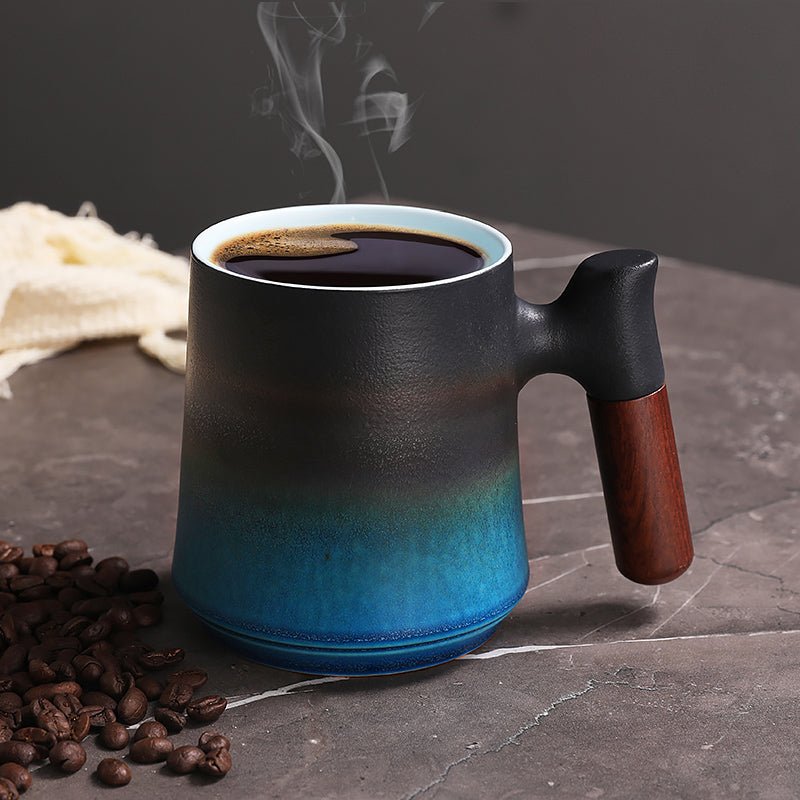
Coffee Cake Mug Cake Recipe: Right Mug, Timing, and Fixes
A practical coffee cake mug cake recipe with the mug size, microwave timing, and texture fixes that actually matter. We also show what to use, what to avoid, and how to choose the right mug.
Leer más
Starbucks Coffee Mug with Lid: What to Check Before You Buy
A practical buyer’s guide to choosing a Starbucks coffee mug with lid, covering lid fit, material, size, and the trade-offs that matter at home or at work. Use it to compare options before you order.
Leer más
Dejar un comentario
Este sitio está protegido por hCaptcha y se aplican la Política de privacidad de hCaptcha y los Términos del servicio.