
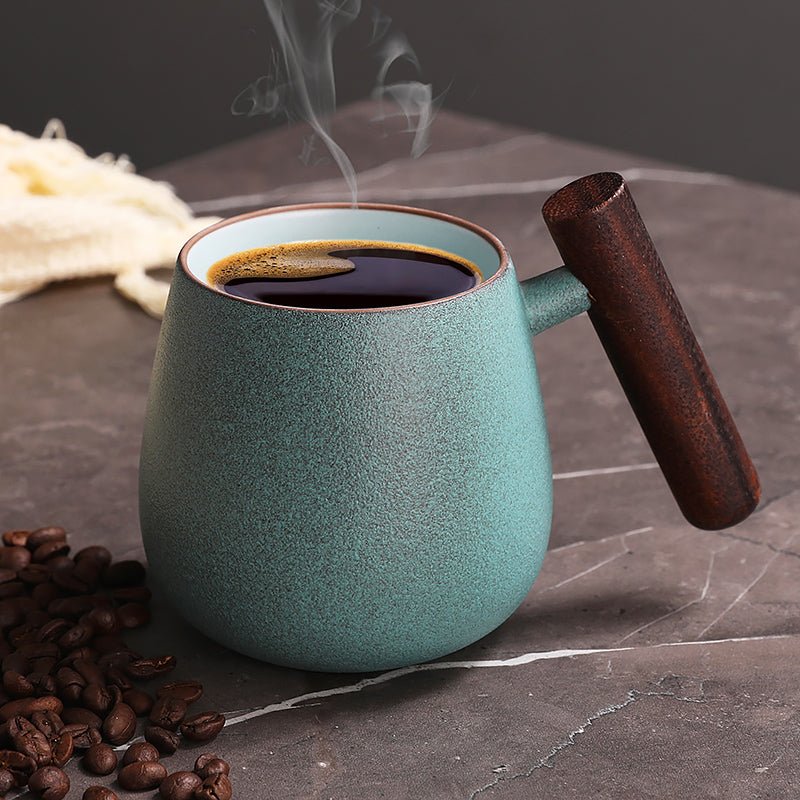
Coffee Mug Clay: What to Check Before You Buy
Reading time: about 8 minutes
A mug can look right on a product page and still feel wrong the first time you wrap your hand around the handle. The rim can be too thick, the base can feel unstable on a desk, or the clay body can look warm and handmade but not hold up to daily washing. That is the part shoppers usually want clarified before they buy.
At CoffeifyMug, we see the same questions again and again: what does coffee mug clay actually mean, which style is easiest to live with, and how do you tell a good mug from one that just photographs well? We handle this category for real use, not just display, so this guide focuses on the practical details that matter at the sink, on the office desk, and when you are buying a gift.
If you want to browse first, start with our full collection. For a few specific examples, the Koi Fish Coffee Tea Mug, The Crane Coffee Tea Mug, and Landscape Coffee Tea Mug show how clay mugs can lean decorative without losing everyday usefulness.
What does coffee mug clay actually mean for buyers?
For shoppers, coffee mug clay usually means a mug made from a ceramic clay body such as stoneware or earthenware, then shaped, fired, and often glazed. That sounds technical, but it affects how the mug feels in your hand, how it holds heat, and how it behaves after repeated washes.
In plain terms, clay mugs are usually chosen for three reasons:
- Feel: a clay body has more visual texture and weight than thin glass or metal.
- Heat behavior: thicker clay walls tend to keep coffee warm longer than very light mugs, though they can also make the mug feel heavier.
- Presentation: glaze, rim shape, and surface detail make clay mugs a stronger pick for gifts and kitchen display.
The trade-off is just as important. A clay mug is not the best choice if you want the lightest possible cup, the thinnest drinking edge, or a mug that can take rough handling without much thought. If your main priority is café-style sipping with a very fine rim, you may prefer a different material or a more minimal ceramic profile. For a deeper buying checklist, our Clay Coffee Mug Buying Guide and Mug Coffee and Clay: What Buyers Should Know Before Choosing cover the basics we look at first.
Which clay mug style works best for daily coffee?
We usually narrow clay mugs into three buying scenarios. The best choice depends on where the mug will live and how often it will be used.
| Use case | What to look for | What to avoid |
|---|---|---|
| Desk coffee | Stable base, comfortable handle, medium wall thickness | Top-heavy shapes that tip easily next to a keyboard |
| Morning home coffee | Good heat retention, easy-to-clean glaze, comfortable rim | Very textured interiors that trap stains |
| Gift purchase | Distinct visual design, polished finish, secure packaging | Overly fragile details or awkward handle geometry |
The Koi Fish Coffee Tea Mug is a good example of a mug that can work as both a daily cup and a gift piece because the design is memorable without turning the mug into shelf-only decor. The Crane Coffee Tea Mug has a calmer, more minimal feel, which is often better for buyers who want something that looks refined on a desk. The Landscape Coffee Tea Mug suits shoppers who like a scenic finish and want a mug that feels more personal than generic.
If you are comparing sizes too, our 10 oz, 11 oz, and 12 oz guides are useful next reads. For buyers who want a little more room without jumping to a large travel-style cup, the 10 oz Coffee Mug, 11 oz Coffee Mug, and 12 Ounce Coffee Mug posts help you match capacity to how you actually drink.
How do you judge a clay mug before you buy it?
We recommend checking the mug the same way we would if it were sitting on our own kitchen counter. The goal is to notice the things that do not show up in one polished product photo.
- Inspect the rim: A good rim should feel smooth against the lip, not sharp or uneven.
- Check the handle clearance: Your fingers should fit comfortably without scraping the body of the mug.
- Look at the base: A flat, stable foot ring matters on crowded desks and slippery countertops.
- Study the glaze: A consistent glaze matters because pinholes, rough spots, and cloudy patches can affect both appearance and cleaning.
- Think about cleaning: Clay mugs with complex relief or interior texture can be harder to wash fully by hand.
In our experience, the most common defect modes buyers notice are not dramatic cracks. They are smaller things: a rim that feels a little rough, a handle that is too narrow for larger fingers, a mug that rocks slightly because the base is not level, or a glaze line that looks uneven under light. Those are the details that separate a mug you enjoy from one you tolerate.
One practical note: not every clay mug is equally suited to microwave use, dishwasher cycles, or repeated rapid temperature changes. If the mug is decorative, heavily textured, or made with a specialty finish, hand washing may be the safer routine. That is not a flaw. It is part of the trade-off between design and convenience.
What makes a clay coffee mug a better gift than a plain mug?
A clay mug often works better as a gift because it feels chosen, not default. It has more personality on first opening, and the finish can carry a specific visual theme without needing extra packaging tricks.
That said, gifting is where buyers make avoidable mistakes. A highly decorative mug can be beautiful but awkward to use if the handle is tight or the cup is unusually narrow. A practical gift should still pass the daily-use test.
We usually advise buyers to think in this order:
- First: comfort in the hand.
- Second: how easy it is to clean.
- Third: how the design fits the person’s kitchen, office, or coffee setup.
If you are choosing for someone who likes subtle, clean lines, The Crane Coffee Tea Mug is the safer pick. If the person enjoys more expressive tableware, the Koi Fish Coffee Tea Mug or Landscape Coffee Tea Mug can feel more personal and memorable. That is exactly why we keep both practical and decorative clay pieces in the same store rather than pushing one style for everyone.
We have found that a good gift mug should still be pleasant on day 30, not just impressive on day one.
How should you care for a coffee mug clay piece?
Good care starts with the finish, not the washing routine. A glazed clay mug generally handles everyday use better than an unfinished or highly porous piece, but every mug still benefits from a few habits that reduce wear.
Use this simple care approach:
- Wash after coffee or tea so stains do not sit overnight.
- Use a soft sponge instead of abrasive scrubbers on decorated surfaces.
- Dry the mug fully before stacking it with heavier dishes.
- Avoid sudden temperature shock, such as moving it straight from the fridge to boiling liquid.
- Check the underside occasionally for wear if you use the mug on hard stone or tile surfaces.
Clay is durable, but it is not indestructible. Chips usually start on rims and bases, especially when mugs are knocked into sinks or crowded dish racks. If you want a mug for rough treatment, we would steer you toward simpler shapes and finishes instead of ornate decorative pieces. For shoppers weighing style against practicality, the full buying guide on our blog is still the best place to compare those trade-offs before clicking buy.
Which coffee mug clay option should you choose from CoffeifyMug?
If you want the shortest answer, match the mug to the setting. A desk mug should be stable and easy to hold. A home mug can lean more decorative. A gift mug should do both without becoming fragile or fussy.
Here is how we would sort the current options:
- Koi Fish Coffee Tea Mug: best if you want a stronger visual statement and a mug that feels giftable right away.
- The Crane Coffee Tea Mug: best if you want something calmer, cleaner, and easier to pair with minimal kitchenware.
- Landscape Coffee Tea Mug: best if you want a scenic look that still works for everyday coffee or tea.
If you are still comparing, start from the full collection and look at the mug’s comfort in the hand before deciding by artwork alone. That single step filters out most disappointing buys.
Frequently asked questions
Is a coffee mug clay mug better for hot drinks than glass or metal?
For many shoppers, yes, because clay usually feels more comfortable for daily sipping and gives a more familiar coffee-drinking experience. It also tends to feel steadier and less harsh in hand than metal. Glass can be lighter, and metal can be tougher for travel, but clay usually wins for home use and desk use.
Are clay coffee mugs safe for everyday dishwasher use?
Some are, but not all. The safe answer is to follow the care guidance for the specific mug, especially if it has detailed decoration, specialty glaze, or an unfinished base. When in doubt, hand washing is the lower-risk option for preserving the finish.
What size clay mug should I buy for coffee?
That depends on how you drink. If you like a standard pour with less room, 10 oz or 11 oz is usually enough. If you prefer a little extra volume for milk or a longer drink, 12 oz can be more practical.
What are the main drawbacks of coffee mug clay mugs?
The biggest trade-offs are weight, breakability, and maintenance. Clay mugs are usually heavier than travel cups, and decorative finishes can be less forgiving if they chip. They are not the best choice if you need something ultralight or built for rough commuting.
How can I tell if a clay mug is well made?
Check the rim, handle, and base first. A well-made mug should feel balanced, have a smooth drinking edge, and sit flat without wobble. Even surface glaze and a comfortable handle are better signs than artwork alone.
If you want the next step, compare the three mugs above against the checklist in this article, then choose the one that fits your coffee routine instead of just the photo. If you are still undecided, start with our collection and filter by the look and feel you would actually use every morning.
Read more
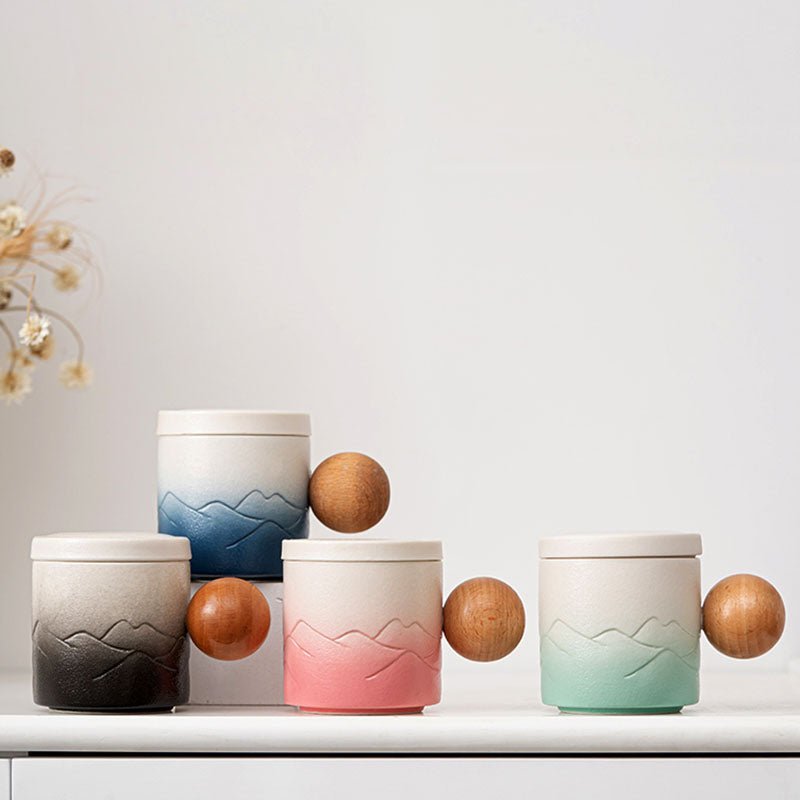
Coffee With Jesus Mug Buying Guide for Gift Buyers
A practical guide to choosing a coffee with Jesus mug for daily use or gifting, with real trade-offs on handle style, care, and the best match for different buyers.
Leer más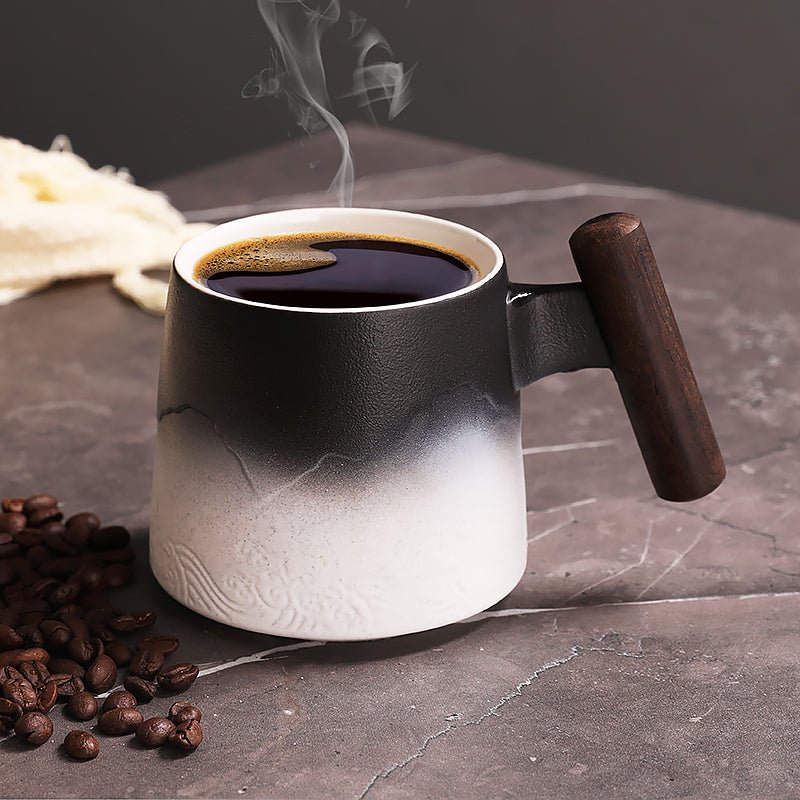
Coffee Mugs That Stay Hot: How to Choose the Right One
A practical guide to coffee mugs that stay hot, with the features that really matter, the trade-offs to expect, and which CoffeifyMug styles fit desk use, gifting, and everyday sipping.
Leer más
Dejar un comentario
Este sitio está protegido por hCaptcha y se aplican la Política de privacidad de hCaptcha y los Términos del servicio.