
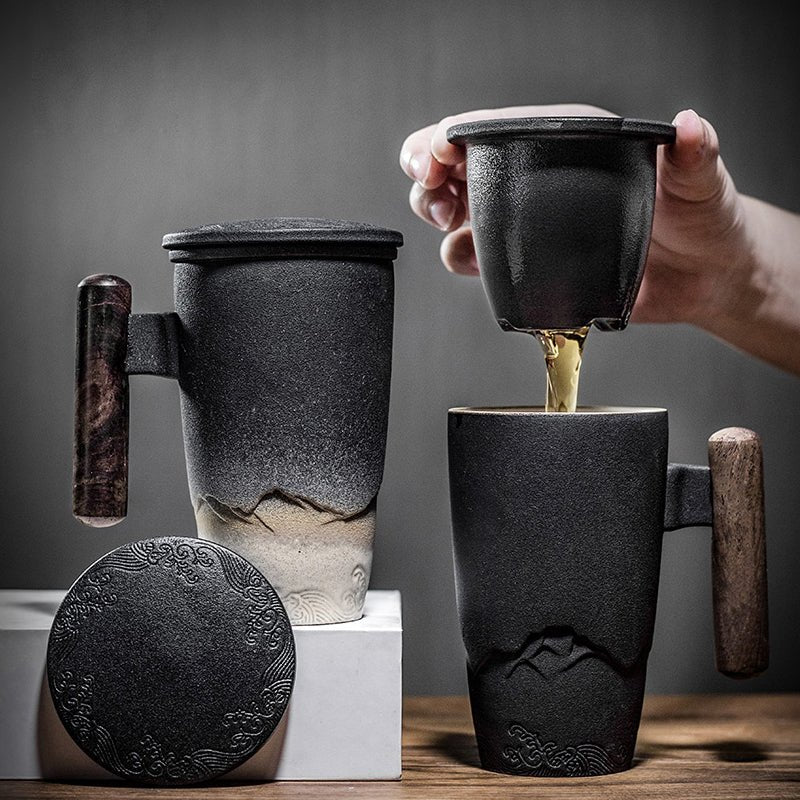
Coffee Cup Tall: How to Choose the Right Tall Mug for Daily Use
Reading time: about 9 minutes
A tall mug looks simple on a shelf. On the counter, though, the details show up fast: does it feel balanced when full, does the handle leave enough room for two fingers, and does it fit under the machine or cabinet where you actually use it? That is where a coffee cup tall earns its place or gets pushed to the back of the cupboard.
We see this often in our store. Buyers want the clean, upright look of a taller cup, but they also want something practical for morning coffee, office refills, and easy washing. If you are comparing options, start with the real use case first, then the shape second. For a broader starting point, our all collections page is the quickest way to compare styles side by side, and our products page shows the current range we carry.
What does a coffee cup tall actually change?
A taller coffee cup is not just a stretched version of a standard mug. The shape changes how the drink sits in the hand, how quickly it cools, and how stable it feels when placed on a desk or tray. In practical terms, a tall mug usually has more vertical wall height relative to its width, which can make it feel more substantial without needing a huge footprint.
That said, taller is not always better. If the cup is narrow and heavy at the top, it can feel less stable than a shorter mug with a wider base. If you tend to carry coffee across a kitchen with one hand while grabbing keys with the other, a taller profile may also be harder to steady when full.
For buyers comparing cup formats, our Coffee Mug Sizes Guide: How to Choose the Right Cup is useful because it puts tall mugs in context with standard, large, and oversized options. That matters more than the label on the listing.
What a tall shape is good for
- Holding a comfortable amount of coffee without looking oversized on a desk.
- Keeping a drink warmer a little longer than a very shallow cup, especially indoors.
- Creating a cleaner, more vertical look for gifts and display shelves.
- Working well for tea, cocoa, and other hot drinks where you want a deeper vessel.
What it is not good for
- Short espresso machines or low-clearance brewing stations.
- Very small cup holders, especially in cars.
- People who prefer a broad rim and a cooler sip right away.
Which size feels right for daily use?
Size is where many buyers overthink it, then end up with a mug that is technically right but awkward in daily use. For a coffee cup tall, the best size depends on how much you usually pour and where you drink it. A cup that feels perfect on a breakfast table may feel clumsy on a crowded work desk.
When we help customers compare tall mugs, we look at three measurements together: height, opening diameter, and total capacity. Those three details tell you more than the product name ever will. A tall mug with a slightly wider mouth is easier to sip from. A very narrow opening can concentrate heat, which some people like, but it can also feel too enclosed for tea or milk-heavy drinks.
| Buyer need | What to look for | Why it matters |
|---|---|---|
| Desk coffee | Stable base, moderate height, comfortable handle | Less tipping risk around keyboards, notebooks, and chargers |
| Slow morning drinker | Thicker walls and a slightly taller body | Better heat retention for longer sipping sessions |
| Gift purchase | Clean silhouette, neutral color, easy-care finish | Makes the mug easier to use without knowing the recipient’s setup |
| Big daily pour | Higher capacity without an overly narrow base | Helps the mug stay balanced when full |
If you are deciding between tall and oversized, our Large Coffee Cup Buying Guide: What to Check Before You Buy and Extra Large Coffee Cup Buying Guide for Daily Drinkers are worth reading. They help separate a genuinely usable tall mug from a cup that only looks impressive in photos.
Which materials and details should you check before buying?
Material affects more than appearance. It changes weight, warmth, durability, and how the mug behaves after repeated wash cycles. In our experience, shoppers who skip this part often come back looking for a replacement after a few weeks of daily use.
Ceramic is still the most common choice for a tall coffee cup because it feels familiar, holds heat reasonably well, and usually gives a clean drinking experience. But not all ceramic mugs are the same. Wall thickness matters. A thin-walled cup may feel elegant, but it can also cool down faster and chip more easily on the rim if handled roughly. A thicker body usually feels sturdier in hand, though it can add weight.
There are a few details we check every time:
- Rim finish: A smooth, even rim makes a taller cup more comfortable to sip from, especially if you drink black coffee.
- Handle spacing: A handle that leaves room for two fingers is far more usable than one that looks nice but pinches your grip.
- Base width: A slightly wider base can help offset the taller profile and reduce wobble on smooth counters.
- Glaze quality: Uneven glazing or pinholes can become visible quickly after regular washing.
- Care label: If the mug is dishwasher-safe, confirm whether that applies to the whole piece or only to certain finishes.
For buyers specifically comparing ceramic options, our Coffee Cup Mug Ceramic: What Buyers Should Check Before They Buy goes deeper into the defects and finish details we watch for before listing a mug. That is especially useful if you have had problems with staining, surface crazing, or chips on the lip.
We treat the finish and handle as usability features, not just style details. A tall mug can look right and still fail in daily use if the grip is awkward or the base is too narrow.
How does a tall coffee cup compare with a standard mug?
This is the comparison most shoppers actually need. A standard mug is often easier to stack, easier to fit under cabinets, and less likely to feel top-heavy. A coffee cup tall brings a different experience: it can look more refined, feel better for larger pours, and take up less table width for the amount it holds.
We usually frame it like this:
- Choose standard if you want the most forgiving all-around shape and the least chance of clearance issues.
- Choose tall if you want a more vertical look, a comfortable single-cup drink, and a mug that feels a little more considered on the table.
- Choose extra large if your priority is volume first and you do not mind a bulkier presence in the hand.
If your buying decision is seasonal or gift-driven, there are two other guides that help narrow the field fast. Our Autumn Coffee Mugs: How to Choose the Right Cup for Cozy Season is useful if you care about feel, color, and cooler-weather use. Our Christmas Coffee Cup Buying Guide for Gifts, Daily Use, and Sets is better if you are buying for someone else and need a practical present that does not require a lot of guesswork.
There is also a limit to what a tall mug does well. If you drink very quickly, the extra height may not help you at all. If you want the widest opening possible for cream-heavy drinks or frothy topping, a shorter, broader cup may suit you better.
How should you care for a tall mug so it lasts?
Care is where many mugs show their real quality. A tall coffee cup gets handled, stacked, washed, and dried more often than people expect. Small issues like a hairline glaze mark, a rough base ring, or a slightly uneven handle can become more noticeable after repeated use.
Our practical care advice is simple:
- Wash it before first use, even if it arrives looking spotless.
- If it is dishwasher-safe, avoid packing it tightly against harder items that can chip the rim or handle.
- Dry the base ring after washing so moisture does not sit in the foot of the mug.
- Check the rim and handle periodically if you move mugs between the sink, counter, and office bag.
- Avoid sudden temperature changes unless the product specifically supports them.
We see more damage from everyday handling than from one-off accidents. A tall mug can chip if it is set down hard on stone counters or pushed against another mug in a crowded dishwasher rack. That does not mean it is fragile by default. It means the shape rewards a little more care than a short, squat cup.
What should you buy if you want a coffee cup tall now?
If you want to buy now, do not start with color. Start with function. Ask these questions in order: how much coffee do I actually drink, where will I use it, and how much clearance do I have under shelves, machines, and cabinets? Once those are clear, the rest gets easier.
Our store keeps the decision process simple. Browse the current range on our products page, then compare the shape, size, and care notes before choosing. If you are still undecided, the all collections page is the fastest way to compare tall mugs against other styles without guessing from photos alone.
A good tall coffee cup should do three things well: sit securely in your hand, fit your routine, and survive real use on a kitchen counter or office desk. If it only looks good in a product image, keep looking. If it works in the places you actually drink coffee, that is the right one.
Frequently asked questions
What size is best for a coffee cup tall?
The best size depends on your pour. For daily coffee, choose a tall mug that matches your usual serving without leaving too much empty space above the drink. A slightly larger capacity can be useful for milk-based drinks, but too much extra height can make the mug feel awkward if you only drink a small amount.
Are tall coffee cups dishwasher-safe?
Some are, some are not. We recommend checking the care notes for the specific mug, especially if it has a special glaze or finish. Even dishwasher-safe mugs last longer when they are placed with space around the handle and rim so they do not knock into harder items.
Is a tall mug good for espresso or cappuccino?
It can be, but not always. A tall mug works better for cappuccino or larger milk drinks than for straight espresso, which is usually served in a much smaller cup. If you want a compact drink with less air space, a shorter cup is usually the better choice.
What makes a tall mug unstable?
A narrow base, heavy top section, or poorly balanced handle can make a tall mug feel less secure. That matters most on smooth desks, tray tables, and crowded counters. If you want a mug for busy spaces, look for a base that feels wide enough for the height of the cup.
Should I buy a tall mug or a large mug?
Choose tall if you care about a more vertical shape, a smaller footprint, and a cleaner table presence. Choose large if your priority is volume and you do not mind a broader cup. If you want help separating the two, our mug size guides on the blog are the best next read.
If you want to compare options directly, start with the current products page and then check the full collection lineup against the points in this guide: height, base width, handle comfort, and care instructions.
More from our blog
Read more
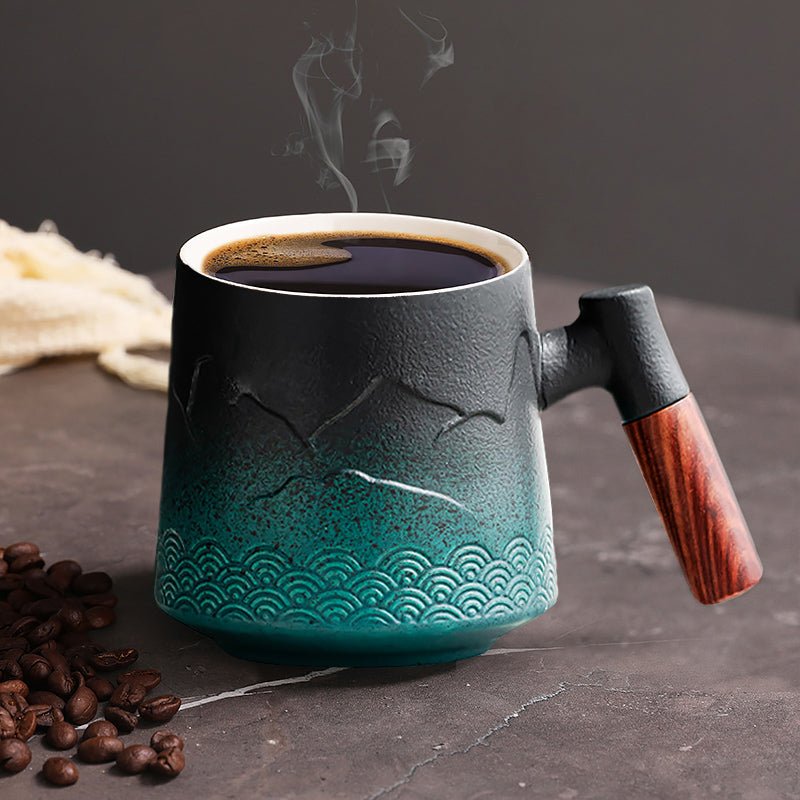
Wooden Coffee Mug Buying Guide: What to Check Before You Buy
A wooden coffee mug can be comfortable, quiet, and distinctive, but only if the finish, capacity, and care instructions fit how you actually drink coffee. We break down the checks that matter befor...
Leer más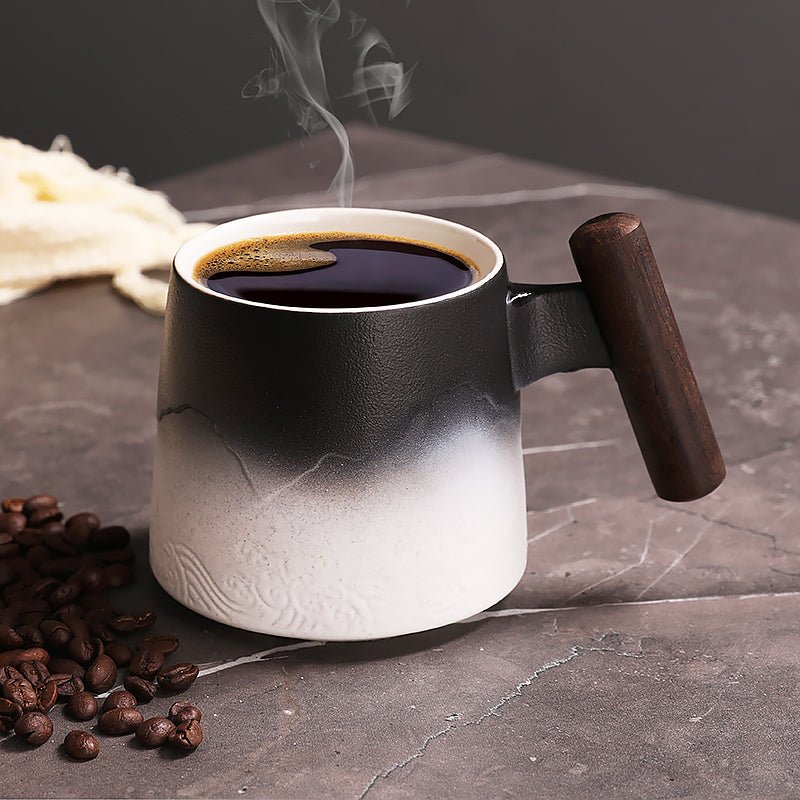
Chrismtas Mug Buyer's Guide: What to Check Before You Buy
This chrismtas mug buyer's guide focuses on the details that matter in real use: size, handle comfort, finish quality, and care. We also flag the trade-offs so you can choose a mug that works after...
Leer más
Dejar un comentario
Este sitio está protegido por hCaptcha y se aplican la Política de privacidad de hCaptcha y los Términos del servicio.