
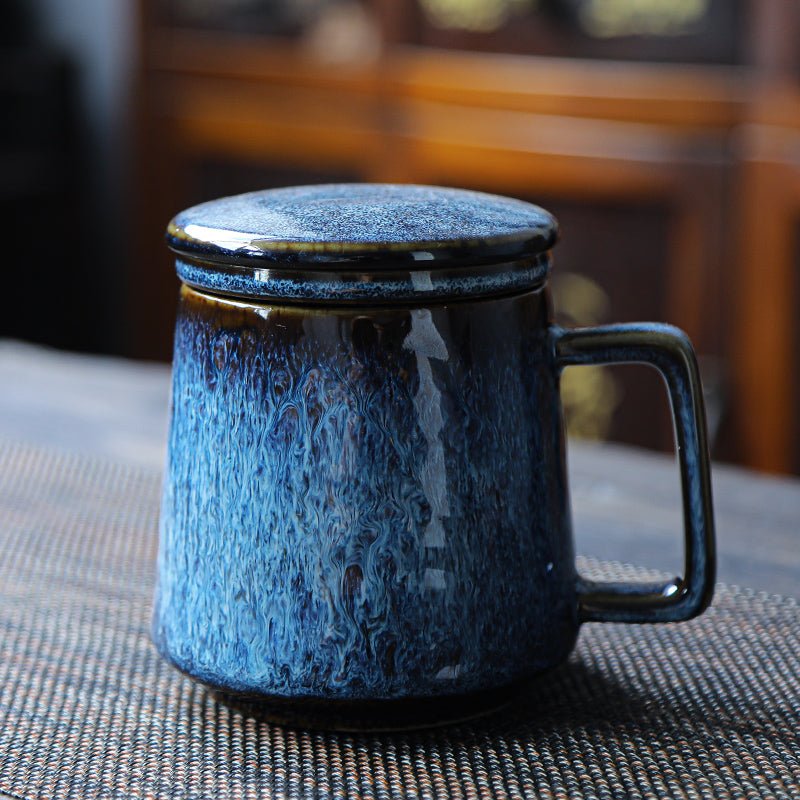
Clay Coffee Mugs: Size, Feel, and Care Guide for Buyers
Reading time: about 9 minutes
A clay mug that feels perfect on the first pour can feel wrong by day three if the handle pinches, the base wobbles, or the glaze leaves every coffee ring visible on a desk. That is the difference buyers notice once a mug moves from a product photo to a real kitchen counter.
We handle mugs for gift orders, daily coffee setups, and customers comparing shapes for home or office use. The details matter. With clay coffee mugs, the right choice is usually less about style alone and more about weight, rim feel, finish, and how the mug behaves after repeated washing.
Which clay coffee mug fits your routine?
The best mug depends on how you actually drink coffee. A person who finishes a black drip coffee in one sitting does not need the same mug as someone who spends an hour working at a desk with a latte going cold between sips.
In our store, we see three common buying patterns:
- Daily desk use: Buyers usually want a stable base, a comfortable handle, and a size that does not crowd the keyboard.
- Weekend coffee at home: Buyers often prefer a mug with more visual character, especially if it will sit out on the counter.
- Gift purchases: Buyers care about the unboxing moment, a finish that looks intentional, and a silhouette that feels easy to give.
If you want a more detailed size-first checklist, our guide on 12 oz Coffee Mugs: How to Choose the Right Mug for Daily Use is a useful place to compare everyday capacity against your actual pour size.
As a practical rule, smaller mugs suit shorter drinks and tighter cupboards. Larger mugs work better for milk drinks, longer desk sessions, or anyone who fills a cup once and keeps returning to it. If you mostly drink coffee fast and hot, a heavy oversized mug can feel like more ceramic than you need.
What should you check for size, weight, and handle comfort?
We check mug fit the same way a customer does at home: with a full pour, one hand on the handle, and a few minutes of real use. The shape can look right online and still fail in the hand.
- Capacity: A mug around 12 oz is usually a practical daily size for drip coffee. Bigger capacities can help with lattes or longer sit-down drinks, but they can also make a mug feel bulky.
- Handle opening: A handle should clear at least two fingers comfortably if you plan to drink hot coffee without gripping the body.
- Rim thickness: A slightly thicker rim feels sturdier and often drinks better for everyday use. Very thin rims can feel elegant, but they are less forgiving if the mug gets knocked around.
- Foot and base: A flat, balanced base matters on office desks and kitchen counters. If the mug rocks even slightly, you will notice it every time you set it down.
- Weight when full: Clay mugs are often pleasant because they have presence, but that same weight can become tiring if you carry the mug from room to room.
For buyers comparing common capacities, our article on 16 Ounce Coffee Mugs: Size, Materials, and Fit Guide is helpful if your routine runs larger than a standard breakfast cup.
One thing we check in hand, not on paper, is how the handle meets the body. A clean join with even thickness tends to feel better than a handle that is too narrow at the top or too tight near the cup wall. If the join is rough or uneven, that is where a mug starts to feel cheap even when the glaze looks good.
Does glaze matter more than the clay itself?
For most buyers, glaze is what determines whether the mug feels easy to live with. The clay body gives the mug structure and weight, but the glaze affects cleanup, staining, and the way the mug looks after repeated use.
Here is how we think about it when we inspect mugs before listing them:
| Detail | Why it matters | What to look for |
|---|---|---|
| Interior glaze | Helps with cleaning and coffee residue | Even coverage, no rough patches, no pinholes in the drinking surface |
| Rim finish | Affects comfort and first sip feel | Smooth edge with no sharp seam or grit |
| Foot ring | Protects tables and affects stability | Level base, clean underside, no wobble on a flat counter |
| Glaze line | Shows how carefully the mug was finished | Consistent line where glaze meets the clay body |
Small defects do happen in handmade and clay-fired drinkware. The ones buyers notice most are pinholes, hairline cracks, uneven glaze pooling, and a foot ring that scratches a tabletop. If you spot a rough rim or a glaze flaw in the drinking area, that is not a detail to ignore.
If you are comparing clay styles more broadly, Clay Coffee Mugs: What Buyers Should Check Before Ordering goes deeper into the inspection points we use before we pack an order.
Our store-side test is simple: if a mug feels good empty, stays stable on the table, and still feels clean after repeated washing, it belongs on the short list. If it only looks good in photos, it usually gets screened out.
Unglazed clay is a different story. It can feel earthy and authentic, but it may absorb coffee oils more readily and need extra care to keep it looking clean. If you want low-maintenance daily use, glazed surfaces are usually the safer pick.
Which of our clay coffee mugs works for which buyer?
We group our mugs by the way people actually use them, not just by appearance. That makes it easier to compare a mug that lives on a kitchen shelf with one that gets carried to a desk every weekday.
Start with our collection if you want to compare shapes side by side. Then narrow down based on the way the mug feels in your hand, not just the finish.
- Landscape Coffee Tea Mug: A good fit if you want a broader, steadier shape that reads clean on a counter and feels calm in everyday use.
- The Gradient Coffee Tea Mug: A strong choice for buyers who want more visual variation in the glaze and a mug that looks thoughtful as a gift.
- Retro Coffee Tea Cup: Best for shoppers who like a more classic cafe profile and want a mug that feels familiar right away.
If you are buying with a regional clay style in mind, our guide to Mexican Clay Coffee Mugs: How to Choose the Right One can help you separate authentic-looking style cues from surface-level design.
For gifts, the safest choice is usually the mug that looks balanced from every angle. For your own desk, the safest choice is the one with the best grip and the least chance of sliding when you set it down one-handed.
What are the trade-offs compared with ceramic or travel mugs?
Clay mugs are appealing because they feel grounded, tactile, and more substantial than a thin promotional mug. They are not the universal answer, though. Every mug style solves one problem and creates another.
- Compared with thin ceramic mugs: Clay mugs often feel more stable and more handcrafted, but they can also be heavier and less delicate-looking.
- Compared with travel mugs: Clay mugs are better for home, office, and gift use, but they are not the right pick if you need sealed spill resistance or long heat retention on the go.
- Compared with very large mugs: A clay mug with a moderate capacity is easier to hold and store, but it may not suit someone who wants a big all-day cup.
That is the trade-off we call out honestly. Clay coffee mugs are not the best choice for commuting, cup holders, or anyone who wants a lid and insulation first. They are stronger as a sit-down mug than a carry-around vessel.
For buyers who are still deciding between sizes, the 14 to 16 oz range is often where the mug starts to feel like a desk companion rather than a breakfast-only cup. If that is your use case, compare a few shapes before choosing one finish over another.
How should you care for clay coffee mugs so they last?
Care is where many mugs start to look older than they should. Most problems come from small habits, not dramatic accidents.
- Rinse coffee residue soon after use so oils do not sit on the glaze.
- Use a soft sponge or cloth. Abrasive pads can dull the finish over time.
- Let the mug dry fully before stacking it with other dishes, especially if the foot ring traps moisture.
- Avoid sudden temperature swings. Very hot liquid into a very cold mug, or the reverse, can stress the clay body.
- Check the rim and handle occasionally for chips. Early damage is easier to catch than a hairline crack that spreads.
If a product page says dishwasher-safe, we still recommend spacing the mug so it does not bang against heavier dishes. If the care note is not explicit, do not assume it is safe for the dishwasher or microwave. That is one of the easiest ways to shorten the life of a mug that should have lasted much longer.
For buyers who like a more detailed pre-purchase checklist, the post Mexican Clay Coffee Mugs: What to Check Before You Buy is useful even if you are not buying that exact style, because the inspection logic carries over to most clay drinkware.
Frequently asked questions
Are clay coffee mugs good for everyday use?
Yes, if the handle, weight, and glaze are right for your routine. Clay coffee mugs work well for home kitchens and office desks because they feel stable and comfortable in the hand. They are less ideal if you need a travel mug or something ultra-light.
Do clay coffee mugs hold heat better than thin ceramic mugs?
Usually they feel more substantial and can keep coffee warm a bit longer than a very thin cup, but they are not insulated mugs. If you want heat retention for a long commute or back-to-back meetings, a lidded travel mug is the better tool.
Can I put clay coffee mugs in the dishwasher?
Only if the product page or care note says they are dishwasher-safe. Even then, we recommend giving them space so they do not knock into heavier dishes. If a mug is unglazed or has a delicate finish, hand washing is the safer choice.
What size clay coffee mug should I buy for drip coffee?
Most drip coffee drinkers are comfortable in the 12 oz range. If you add milk, like a larger pour, or sip slowly at a desk, 14 to 16 oz can make more sense. The right size is the one that matches your usual fill line, not the biggest cup available.
What problems should I look for before buying a clay mug?
Check for a wobbly base, a rough rim, uneven glaze, pinholes in the drinking area, and visible cracks around the handle join. Those are the issues that affect daily use, not just appearance. A mug should feel solid, balanced, and comfortable before it ever reaches the first pour.
If you want to compare shapes, finishes, and use cases in one place, start with our full collection and narrow down by the mug that fits your hand, your coffee size, and your cleanup routine.
Read more
Moose Coffee Mug Buying Guide for Daily Use and Gifting
A practical guide to choosing a moose coffee mug that works on a real kitchen counter, at a desk, or as a gift. We cover size, comfort, care, and where a different mug style may be the better buy.
Leer más
14 oz Coffee Mug: What to Check for Fit, Comfort, and Daily Use
A practical guide to choosing a 14 oz coffee mug, with notes on handle comfort, drink fit, materials, and the trade-offs we see in daily use.
Leer más
Dejar un comentario
Este sitio está protegido por hCaptcha y se aplican la Política de privacidad de hCaptcha y los Términos del servicio.