
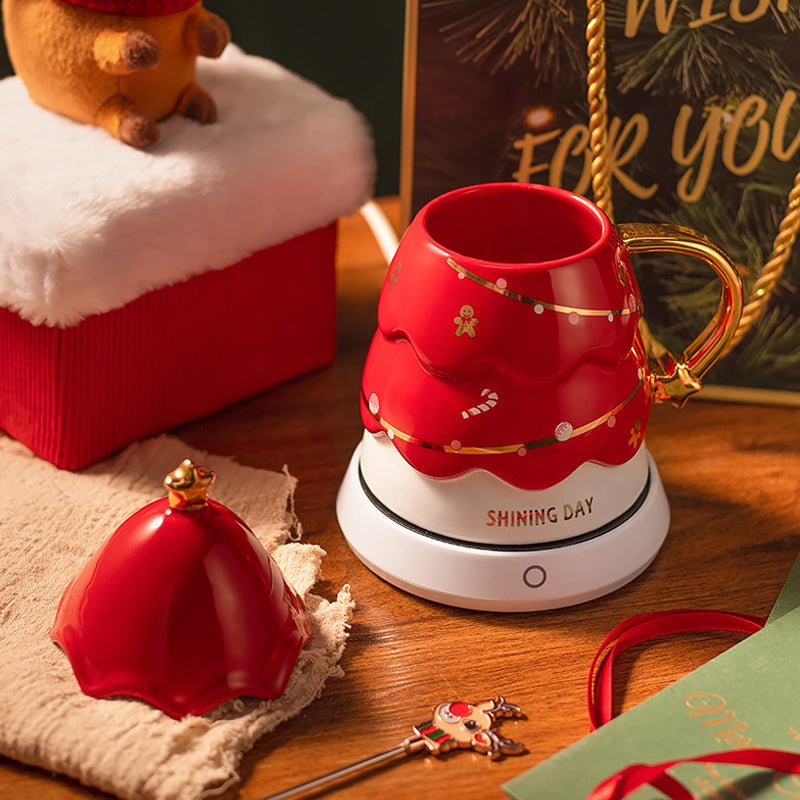
Christmas Tea Cups: What to Buy for Gifts, Sets, and Daily Use
Reading time: about 10 minutes
A box of Christmas tea cups can look perfect on the outside and still feel wrong in the hand. The handle may be too tight for adult fingers, the rim may feel too thick for tea, or the finish may show fine marks after a few dishwasher cycles.
We see that happen every season. People want something festive for the table, but they also want cups that work on a weekday morning, not just on Christmas Eve. That is the real buying problem with christmas tea cups: they have to look seasonal and still behave like practical drinkware.
If you are comparing options, this guide focuses on the details that matter in real use: material, size, handle shape, care, and where a tea cup is a better choice than a mug. If you want to browse our current drinkware selection while you read, start with our products or see the broader range in our all-collection page.
What makes Christmas tea cups different from regular tea cups?
The holiday version is usually about presentation first. You will often see seasonal colors, winter motifs, metallic accents, or a matched saucer that makes the place setting feel finished. That is useful for gifting and hosting, but it changes how the cup should be judged.
A regular tea cup can be chosen mostly for comfort and capacity. A Christmas tea cup has to do that, plus hold up visually next to plates, napkins, and gift wrap. In practice, that means paying attention to three things:
- Material finish: glossy porcelain and bone china tend to look more formal; stoneware feels heavier and more casual.
- Rim thickness: a thinner rim usually feels better for tea, especially for lighter black teas and herbal blends.
- Decoration placement: exterior-only prints age better than dense decals near the lip or inside the bowl.
If you want a deeper buyer checklist for tea-specific details, our Fancy Tea Cups: What to Look For Before You Buy article covers the practical side of elegance without ignoring everyday use.
Which materials work best for festive tea service?
The best material depends on how the cup will be used. We have handled enough seasonal drinkware to know that the wrong material usually fails in one of two ways: it feels too delicate for daily use, or it feels too heavy and ordinary for a gift.
| Material | What it feels like | Best for | Trade-off |
|---|---|---|---|
| Porcelain | Light, clean, smooth | Gift sets, formal tables, tea drinkers who like a refined feel | Can chip if stacked carelessly |
| Bone china | Very refined, often lighter in hand | Gift unboxings, special occasions, traditional tea service | Usually less forgiving than heavier stoneware |
| Stoneware | Heavier, warmer, sturdier | Casual holiday mornings, family use, relaxed kitchens | Can feel bulky for tea purists |
| Glass | Modern, transparent, visually striking | Tea presentation, layered herbal teas, contemporary tables | Shows water spots and is not ideal if you want a traditional Christmas look |
For Christmas tea cups, porcelain is often the safest middle ground. It looks polished without feeling overly fragile. Bone china makes sense if the gift needs a more elegant unboxing moment. Stoneware is better if the cup will be used daily and stacked in a busy kitchen cabinet.
What it is not best for: rough office breakrooms, people who drop dishes often, or anyone who wants a cup to double as a travel vessel. For those needs, a insulated mug or larger format is more practical. Our Big Coffee Cups: What to Check Before You Buy a Large Mug guide is useful if the buyer prefers volume over tea-room style.
What size should you choose for tea, cocoa, or holiday serving?
Size matters more than most shoppers expect. A cup that is too small feels fussy. A cup that is too large cools tea too fast and changes the experience.
For tea service, many buyers prefer something in the roughly 6 to 10 ounce range. That keeps the drink hot enough to enjoy while leaving room for milk or lemon if needed. Smaller cups feel right for stronger black teas and formal settings. Larger cups suit herbal tea, spiced tea, or a relaxed breakfast table where refills are less of a problem.
Here is the practical way to choose:
- If the cup is mainly for display or gifting, choose a balanced mid-size that feels comfortable in an adult hand.
- If the cup will be used for tea every morning, check that the handle has enough clearance for two fingers.
- If the cup will serve cocoa or mulled drinks too, pick a slightly deeper bowl so splashes are less likely.
- If the buyer likes very hot tea, avoid oversized cups that lose heat before the drink is finished.
We often steer shoppers away from oversized novelty cups when they say they want tea cups. The shape matters. A tea cup should usually have a stable base, a comfortable handle, and a profile that keeps heat manageable. If the goal is a bigger all-purpose vessel, then a mug is the better choice, not a tea cup.
How do you tell if the handle, rim, and glaze are actually good?
These are the details that separate a cup you enjoy from one you keep moving to the back of the shelf. In our experience, buyers rarely regret the pattern. They regret the feel.
Check the handle first. It should not pinch, wobble, or leave your knuckles pressed against the cup body. A handle that is too small can make a festive set annoying to use after five minutes. Next, feel the rim. A cleaner, smoother rim usually gives a more comfortable sip. Thick or uneven rims can make tea seem harsher than it is.
The glaze deserves attention too. Look for an even surface with no pinholes, rough patches, or visible crazing lines. Crazing is the fine crackle that can appear in the glaze over time, especially if the item experiences rapid temperature changes or repeated washing. It does not always mean immediate failure, but it is a sign to handle the piece more carefully.
Common things we check for before recommending a cup set:
- Handles centered and firmly attached
- Stable base that sits flat on the table
- Even glaze coverage inside and out
- No rough seam on the lip
- Decoration that does not interfere with drinking
If you want a more technical buying breakdown, our Daniel Handle Tea Cups: What Buyers Should Check Before Ordering article goes deeper on handle shape and everyday comfort.
Are Christmas tea cups good gifts, or are they too specific?
They are good gifts when the recipient already drinks tea or likes seasonal tableware. They are less useful if the person prefers big coffee mugs, drinks from travel cups, or keeps kitchen storage minimal. That is the trade-off, and it matters.
A Christmas tea cup set works best for:
- Holiday hosts who set a table instead of drinking from random mismatched mugs
- Tea drinkers who enjoy smaller, warmer servings
- People who appreciate decorative kitchen pieces that still function well
- Households that save special drinkware for December and winter gatherings
It is not the best gift for someone who wants dishwasher-safe everything and no extra cabinet clutter. It is also not ideal for people who drink large lattes, protein drinks, or oversized breakfasts in one vessel. In those cases, a mug set makes more sense. Our Christmas Coffee Cups: How to Choose the Right Mug for Gifts and Daily Use guide is a useful comparison if the recipient is more of a coffee-first buyer.
If the gift needs to feel more elevated than playful, a restrained pattern usually works better than loud graphics. A small winter motif, a subtle rim accent, or a matching saucer can feel thoughtful without becoming overly decorative. That approach also holds up better after the holiday season ends.
What should you check before you place an order?
We recommend a quick buyer checklist before you commit. It saves disappointment later, especially when you are buying online and cannot test the cup in your hand.
- Measure the usable capacity: not just the total size, but how much room is left when the cup is filled comfortably.
- Check care instructions: some decorated pieces are fine for the dishwasher, but delicate finishes are better washed by hand.
- Review the set contents: a tea cup with saucer can be great for gifting, but less convenient for casual weekday use.
- Look at the rim and handle in photos: that is where you will feel the difference most.
- Think about storage: stacked cups with wide handles can take more cabinet space than buyers expect.
We also suggest checking whether the finish is suited to everyday use or more occasional display. A very ornate piece can be beautiful, but it may not be the right pick for a busy sink area or a household that runs the dishwasher every night.
How should Christmas tea cups be cared for after the holidays?
Care is usually simple, but the details matter. For decorated porcelain or bone china, gentle washing helps preserve the finish and reduces the chance of wear around the rim or handle. If the item is marked dishwasher-safe, that is convenient, but it still helps to avoid overcrowding so cups do not knock into each other.
For handwashing, use warm water, a mild detergent, and a soft sponge. Dry the cup fully before stacking. That reduces water spots and helps prevent surface issues on pieces with metallic trim or more delicate decoration. If a cup has a saucer, dry both pieces before storing them together so trapped moisture does not sit between surfaces.
Some seasonal cups are meant to be decorative first and functional second. Those are fine for display cabinets and special breakfasts, but they are not the right choice if you want a workhorse piece for daily tea. That is a reasonable limitation, not a flaw. It just means the buyer should match the cup to the job.
Frequently asked questions
Are Christmas tea cups dishwasher-safe?
Some are, but not all. The safest approach is to check the specific care instructions, especially if the cup has metallic trim, hand-painted details, or a decorative decal near the rim. If you want the least maintenance, choose a plain porcelain or stoneware cup with dishwasher-safe labeling.
What size is best for Christmas tea cups?
Most shoppers are comfortable with a cup in the 6 to 10 ounce range. That size works well for tea without feeling oversized, and it leaves enough room for milk or lemon. If the cup is meant for herbal tea or cocoa, a slightly larger size can make sense.
Are tea cups better than mugs for holiday gifts?
Tea cups are better if the recipient likes a more formal, smaller serving and enjoys the look of a set with a saucer. Mugs are better if the person wants a larger drink, easier handling, or everyday versatility. If you are unsure, our Christmas coffee mug guides can help compare the two formats.
Can Christmas tea cups be used every day?
Yes, if the material and finish are practical enough for routine washing and storage. Porcelain and sturdy stoneware are usually the easiest everyday choices. Very delicate decorative cups are better reserved for guests or seasonal use.
What is the best material for a gift tea cup?
Porcelain is the most balanced option for many buyers because it looks polished and is still practical. Bone china feels more refined, while stoneware feels more casual and sturdy. The best choice depends on whether the gift is meant to feel elegant, cozy, or everyday-friendly.
If you are narrowing down your options, use this final check: choose the material that fits the buyer’s routine, confirm the size matches how they actually drink tea, and make sure the handle feels comfortable enough for repeated use. Then compare the current selection in our all collection or start with our products if you want to see what is available now.
More from our blog
Read more
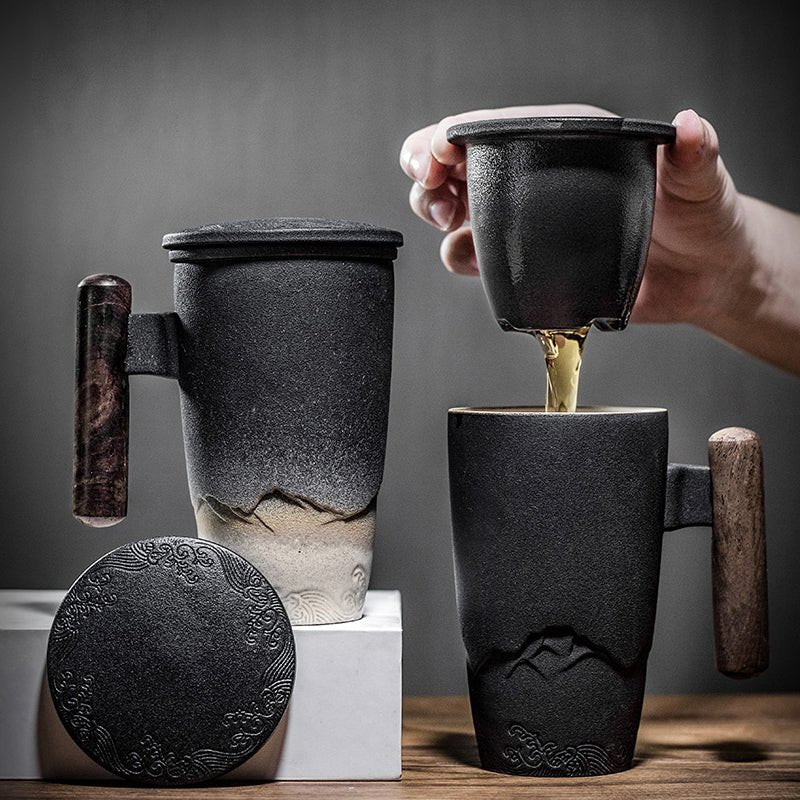
Tall Coffee Mug Buyer’s Guide: Size, Materials, and Fit
A tall coffee mug can solve splashy pours, short handles, and awkward desk setups, but only if the shape and capacity fit how you actually drink. Here’s what to check before you buy.
Leer más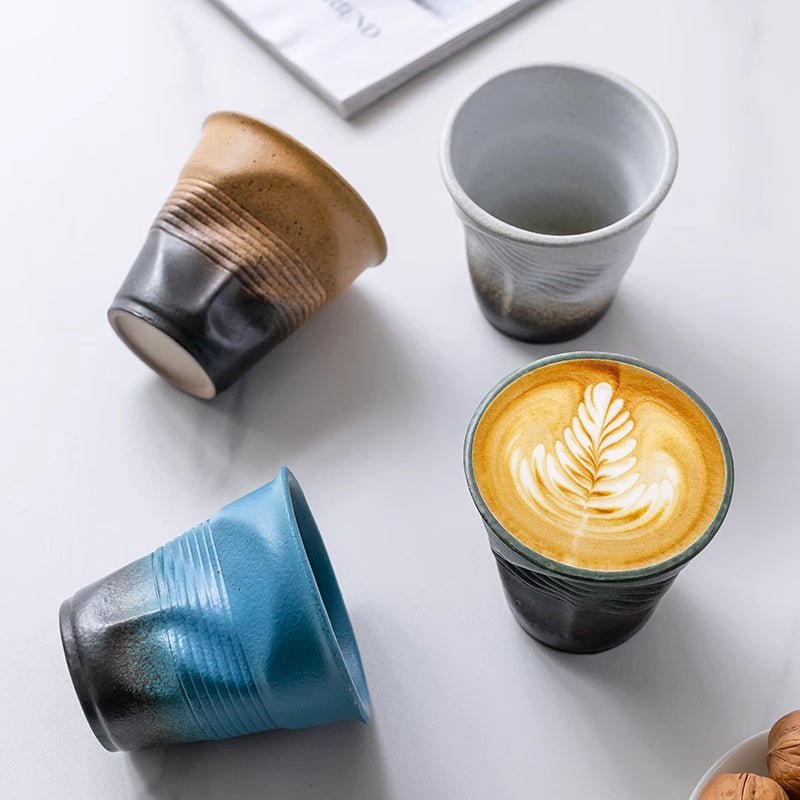
Mug and Tea: How to Choose the Right Cup for Everyday Use
A practical guide to mug and tea choices, from material and size to lid fit and cleanup. We break down what works on a desk, in the kitchen, and for gift buying.
Leer más
Dejar un comentario
Este sitio está protegido por hCaptcha y se aplican la Política de privacidad de hCaptcha y los Términos del servicio.