
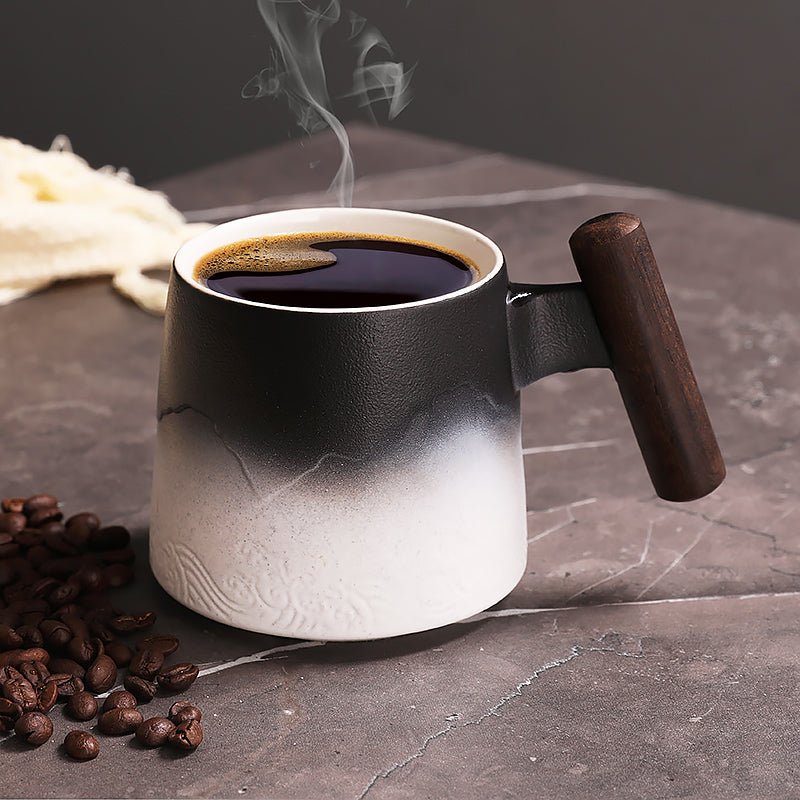
Ceremic Coffee Mug Buying Guide: What Buyers Should Check
Reading time: about 9 minutes
What should you check first in a ceremic coffee mug?
A ceremic coffee mug can look right in a product photo and still feel wrong at the table. The first thing we check is not color. It is how the mug sits in the hand, how much coffee it actually holds, and whether the rim feels comfortable on the first sip.
In our store, we look at the same things customers notice at home: handle clearance, rim smoothness, base stability, and whether the mug feels balanced on a kitchen counter or office desk.
For a daily mug, the practical questions are simple. Does it fit your usual pour? Does the handle leave enough room for your fingers? Does it sit flat when you set it down with one hand?
- Capacity should match the way you drink coffee, not just the number on the label.
- Handle comfort matters more than most shoppers expect, especially on heavier mugs.
- Rim shape changes the drinking feel more than the outside design.
- Base stability matters on crowded desks, glossy counters, and small kitchen shelves.
If you are comparing common capacities, our guides to 10 oz Coffee Mug: Size, Fit, and What to Check Before You Buy, 11 oz Coffee Mug: Size, Fit, and What to Check Before You Buy, 12 oz Coffee Mug: Size, Fit, and What to Check Before Buying, and 16 oz Coffee Mug: What Buyers Should Check Before They Buy break down how those sizes behave in real use.
Which mug size fits your routine best?
Size is where many shoppers overbuy. A bigger mug sounds better until it is too heavy for one-hand sipping or too wide to stay warm through a long desk session.
Use this comparison as a quick filter:
| Size | Best for | Trade-off |
|---|---|---|
| 10 oz | Smaller pours, espresso drinks with milk, compact desks | Can feel too small for a full drip coffee pour |
| 11 oz | Balanced daily use and a familiar standard mug feel | Still may not suit people who want a large refill-free cup |
| 12 oz | Most everyday coffee routines and standard drip servings | Less compact if you prefer a lighter mug |
| 14 oz | Larger morning pours and desk users who sip slowly | Heavier in the hand and wider on the shelf |
| 15 oz to 16 oz | Big coffee drinkers and people who want fewer refills | Can crowd smaller hands, cabinets, and cup stations |
If you are comparing larger sizes, our 14 oz Coffee Mug: What Buyers Should Check Before They Buy and 15 oz Coffee Mug: Size, Fit, and What Buyers Should Check guides show where the trade-offs start to matter. A 16 oz mug is not automatically better. It just gives you a different balance of weight, warmth, and hand feel.
One detail people miss: larger mugs cool faster at the mouth because the opening is often wider. That is fine if you drink quickly. It is less ideal if you nurse one cup for a long time at your desk.
Which material and glaze details matter most?
Most shoppers say "ceramic" and stop there, but the category still has meaningful differences. A mug can be stoneware, porcelain, or earthenware, and each one behaves a little differently on the counter and in the dishwasher.
- Stoneware is usually denser and feels sturdy. It often has more weight, which some people like for desk use.
- Porcelain tends to look cleaner and feel lighter. It is a good match if you want a finer cup feel without a bulky wall.
- Earthenware can have a more rustic look, but it usually needs a solid glaze to resist staining and moisture.
Then check the finish. A smooth glaze should look even and sealed, without pinholes, crawling, or rough spots near the lip. Matte finishes can look sharp, but if the finish is poorly executed they can show utensil marks or feel slightly abrasive where your mouth meets the rim.
We also tell shoppers to look at the handle joint. A thin or under-glazed connection is a common weak point, especially on heavier mugs that get used every morning. If the handle feels sharp where it meets the cup, that is usually a sign you will notice it again and again.
Gift buyers should pay attention here too. The first impression is the box, but the second is whether the mug sits flat and feels balanced when someone takes it out of the packaging.
How should a ceremic coffee mug handle microwave, dishwasher, and office use?
Daily use is where the small defects show up. A mug that looks good on unboxing can still annoy you if it traps heat in the handle, tips too easily on a crowded desk, or comes out of the dishwasher with a dull patch after a few cycles.
For routine care, use these checks:
- Make sure the mug is labeled for the use you expect. Microwave-safe does not mean oven-safe, and dishwasher-safe does not mean every print will stay perfect forever.
- Avoid rapid temperature swings. A cold mug into a hot microwave, or a hot mug straight into a cold sink, can raise the risk of cracking over time.
- Let coffee residue soak before scrubbing. That protects the glaze and keeps the interior cleaner without harsh abrasion.
- If the mug has decoration, check where the design sits. Artwork near the lip can wear faster than a plain glazed surface.
For office desks, we like a mug with a stable base and enough handle room for two fingers without bumping the cup wall. If you work beside a laptop, the better choice is usually a medium mug that does not overhang the desk edge or force you to crowd your keyboard.
We see most chips on the rim and handle, not in the middle of the wall. That is why rim finish and handle shape matter more than a lot of shoppers realize.
What does a good ceremic coffee mug not do well?
This is the part many product pages skip. Ceramic is great for a comfortable daily mug, but it is not the best answer for every use case.
- Not ideal for travel if you need a mug that can bounce around in a bag or fit a car cup holder.
- Not the best for temperature retention if you want coffee to stay hot for a very long stretch without reheating. Insulated steel usually wins there.
- Not the lightest option if you are sensitive to mug weight or want something easy to carry one-handed across a large office.
- Not the right pick for tiny shelving if your cabinet depth is tight and wide 16 oz mugs already crowd the space.
That does not make the material worse. It just means the use case matters. For a desk mug, a breakfast mug, or a gift that should feel substantial when unboxed, ceramic is often the better fit. For commuters and people who need spill resistance first, it is the wrong category.
If you want one mug for the car, the bag, and the office elevator, choose a travel mug instead. If you want a mug that feels good to hold and looks right on the table, ceramic is the better call.
How do you compare options before you buy?
We recommend comparing mugs the same way we do when we add them to our store: by feel, by size, and by practical cleanup. If you want to browse the current range, start with our products page. If you want to see the full catalog in one place, the all collection is the fastest way to compare shapes and finishes side by side.
Use this short checklist before you click buy:
- Does the mug fit your usual drink volume without feeling overfilled?
- Can you get a secure grip on the handle with your hand size?
- Do you want glossy, matte, or printed glaze?
- Will it live on a kitchen shelf, office desk, or gift table?
- Does the care label match how often you plan to use the dishwasher?
If you are buying for a gift, unboxing matters more than many shoppers expect. A clean glaze, a balanced base, and a handle that feels right on first touch usually matter more than an elaborate shape that looks good in photos but feels awkward in use.
For shoppers who already know they want a standard everyday mug, the 10 oz, 11 oz, and 12 oz guides can help narrow the size. If you know you like a bigger pour, the 14 oz, 15 oz, and 16 oz guides will show where weight and warmth start to change the decision.
Frequently asked questions
Is a ceremic coffee mug good for everyday use?
Yes, if you want a comfortable mug for home or desk use. The best daily options have a smooth rim, a stable base, and a handle that does not squeeze your fingers against the cup wall. If you need spill resistance or travel use, a sealed travel mug is the better category.
What size ceremic coffee mug is best for drip coffee?
Most buyers end up between 10 oz and 12 oz for a standard pour, especially if they do not want a heavy mug. If you regularly pour large mugs or add milk, 14 oz or 16 oz can make more sense. The right answer depends on how full you like the cup to feel, not just the number on the label.
Can a ceremic coffee mug go in the dishwasher every day?
Often yes, if the care instructions say it is dishwasher-safe. We still recommend checking for printed decoration, metallic details, or delicate finishes, because those can wear faster than plain glazed interiors. Let the mug cool before washing to reduce stress on the ceramic.
What defects should I check when my mug arrives?
Look for chips on the rim, rough glazing inside the lip, cracks around the handle joint, and any wobble when the mug sits flat. Those are the issues that usually matter in real use. A tiny cosmetic variation can be normal in handmade-style drinkware, but structural defects are not.
Is ceramic better than stainless steel for coffee?
It depends on the job. Ceramic usually feels better on the table and gives coffee a more familiar drinking experience, while stainless steel is better for travel and insulation. If you are buying for a kitchen counter, ceramic often wins; if you are buying for the road, steel usually does.
If you want to narrow this down fast, start with the size you actually drink from, then compare handle comfort and glaze finish against the items in our products page or the full collection. That will tell you more than color alone.
More from our blog
Read more
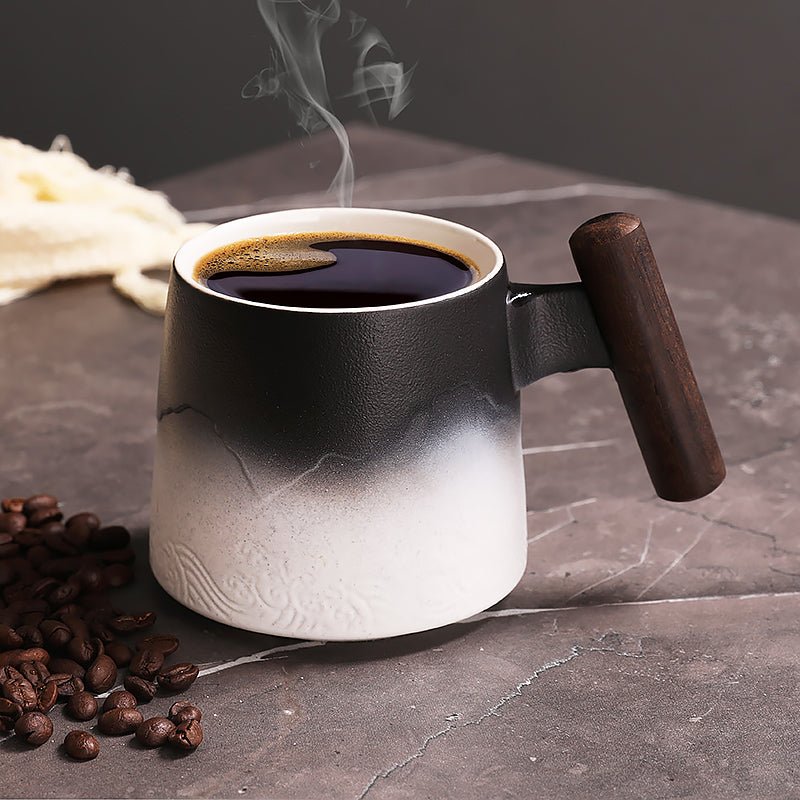
World Market Coffee Mugs: What to Check Before You Buy
A practical guide for shoppers comparing world market coffee mugs by size, material, handle comfort, and everyday care. We cover the details that matter on a kitchen counter, office desk, or as a g...
Leer más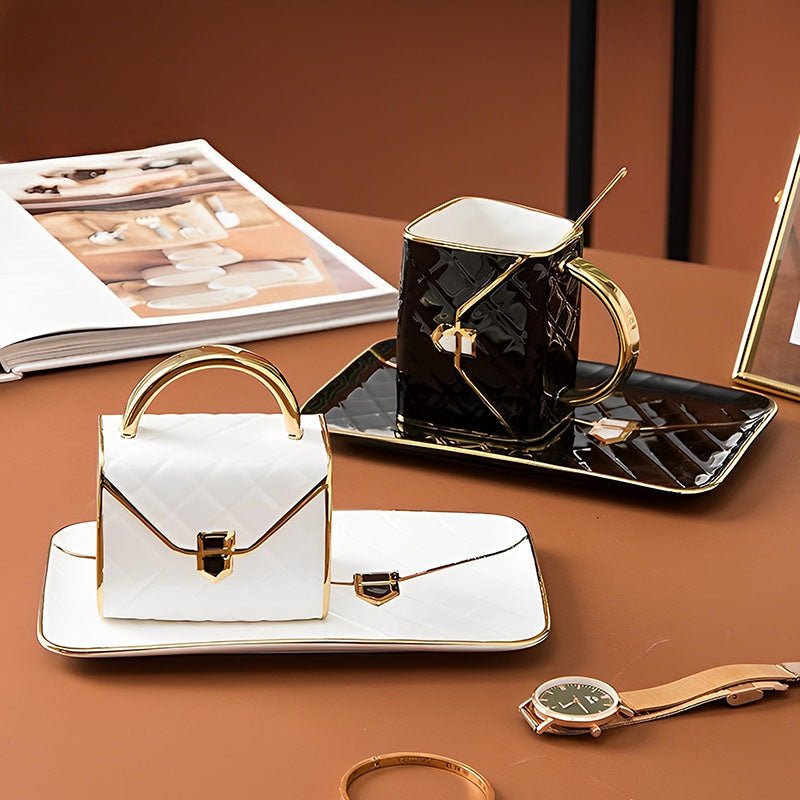
Coffee Mug Dad Gift Guide: Sizes, Materials, and Best Fit
A practical coffee mug dad guide for shoppers comparing sizes, materials, and gift fit. Use it to choose a mug that works on the kitchen counter, at the desk, or as a real everyday gift.
Leer más
Dejar un comentario
Este sitio está protegido por hCaptcha y se aplican la Política de privacidad de hCaptcha y los Términos del servicio.