
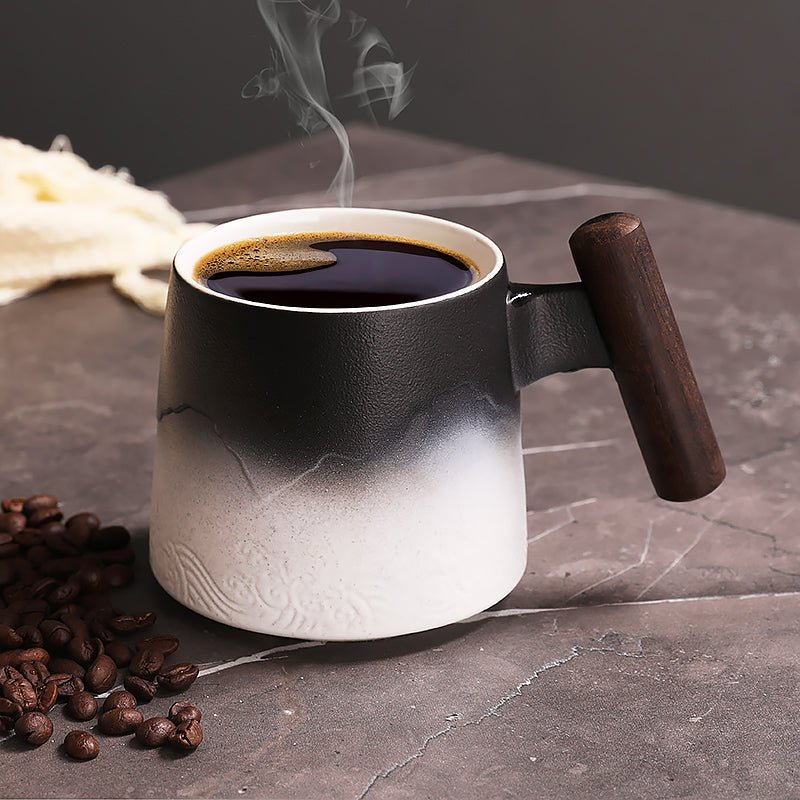
Ceramic To Go Coffee Mugs: What Buyers Should Check First
Reading time: about 10 minutes
A lid that sits a little off-center is enough to turn a good morning into a cleanup job. Coffee on the counter. A damp sleeve. A mug that looked polished online but feels uncertain the second you start walking with it.
That is the real test for ceramic to go coffee mugs. They are not trying to be hard-shell commuter tumblers. They are meant for the kitchen counter, the office desk, the studio table, or a short drive where you want a normal coffee experience with a lid for backup.
We sell and handle this category in the same way we use it ourselves: we look for a mug that feels solid in the hand, drinks like a real mug, and still makes sense when you have to carry it from one room to another. That combination is harder to get right than it sounds.
What problem do ceramic to go coffee mugs solve better than standard mugs?
Standard mugs are fine until you need to move them. Then the open top becomes the problem. Ceramic to go coffee mugs add a lid and a more portable shape without giving up the feel people actually like about ceramic: a familiar rim, a neutral taste, and a desk-friendly look.
That makes them especially useful for home offices, reception counters, kitchen prep areas, and gift sets. The mug still looks like a mug, not a bottle or a lunch container. For many buyers, that matters as much as function. It sits comfortably beside a keyboard, on a meeting table, or next to an espresso machine without looking out of place.
The trade-off is simple. Ceramic is not the best choice for rough travel, bag carry, or long outings where impact resistance matters more than coffee presentation. If a mug is going to get tossed into a tote bag, dropped on pavement, or bounced in a car cup holder for an hour, stainless steel is usually the safer buy.
- Best fit: desk coffee, kitchen-to-office use, short walks, and gift giving.
- Not the best fit: bag carry, commuting that involves a lot of motion, or situations where drops are likely.
- Most useful when: you want splash protection and portability, not full travel-mug durability.
If you want to compare current styles, start with our products page. It is the fastest way to see which mugs lean more toward desk use and which ones are built with more travel-minded proportions.
Which build details matter most before you buy?
We look at ceramic mugs differently from generic drinkware because the small details decide how long one stays pleasant to use. A good mug is not just the body material. It is the rim, the base, the lid fit, the handle balance, and the quality of the glaze.
Two common bodies show up in this category: stoneware and porcelain. Stoneware usually feels thicker and a little heavier, which many people like for a mug that will live on a desk or counter. Porcelain is typically lighter and smoother, with a more refined finish, but it can feel less forgiving if the walls are thin or the rim is delicate.
These are the details we check because they show up in real use:
| Detail | Why it matters | What can go wrong |
|---|---|---|
| Body material | Changes weight, heat feel, and overall durability | Thin porcelain can feel fragile; heavy stoneware can be tiring if you carry it often |
| Glazed interior | Makes cleaning easier and helps reduce staining | Rough glaze or pinholes can trap residue and make the mug look worn faster |
| Lid fit | Controls splash resistance and daily confidence | Lids that wobble, rattle, or sit unevenly usually leak at the seam |
| Handle shape | Decides whether the mug feels balanced when full | Thin or cramped handles can pinch the fingers |
| Base diameter | Helps with desk stability and, sometimes, cup-holder fit | A base that is too wide can be awkward in smaller holders |
The common wear points are practical, not dramatic. We see chips on the rim from sink contact, glaze wear on the bottom edge from hard countertops, and lids that loosen after repeated washing. A mug can still look fine in a photo and feel annoying every morning if any one of those details is off.
That is why we tell buyers to check the underside, the drinking edge, and the lid seam first. If those three areas are clean and well made, the mug has a much better chance of staying in rotation.
What size and shape should you choose for your routine?
Size matters more than people expect. A large mug sounds useful until it feels heavy when full, takes too long to finish, or stops fitting where you actually use it. A smaller mug can be the smarter choice if you drink fast, carry it one-handed, or want something that feels natural on a crowded desk.
Shape matters too. A taller, narrower mug often feels more secure in the hand and can help with a more closed drinking profile. A wider mug usually feels more stable on a table and is easier to clean by hand, especially if you use milk drinks or sweetened coffee that leaves residue along the inside wall.
- Choose a smaller ceramic to go coffee mug if you drink quickly, want a lighter carry, or use it mostly between the kitchen and desk.
- Choose a mid-size mug if you want one cup that works for black coffee, milk drinks, and everyday office use.
- Choose a larger mug only if you know the base fits your setup and you actually finish bigger pours before the coffee cools.
For most shoppers, the safest buy is a mid-size shape with a comfortable handle and a lid that seats evenly. If the mug needs to sit beside a laptop or under a coffee machine, stability matters more than dramatic styling. If it needs to fit in a car, measure the base first and do not assume the photos tell you enough.
To compare current shapes side by side, our all collections page is the easiest place to start. You can compare dimensions, silhouettes, and lid styles without guessing from a single product image.
How do ceramic to go coffee mugs compare with stainless steel?
This is the most important trade-off in the category. Ceramic usually wins on taste, feel, and presentation. Stainless steel usually wins on impact resistance and long heat retention. Both are useful. They just solve different problems.
We see this decision most clearly with office buyers and gift buyers. Ceramic feels like coffee culture, not utility gear. It looks right on a kitchen counter, a reception desk, or a meeting table. It also avoids the metallic note some people notice with lower-quality metal drinkware. But ceramic does not forgive drops, and it does not belong in a bag if you expect it to bounce around all day.
| Feature | Ceramic | Stainless steel |
|---|---|---|
| Taste | Neutral and familiar | Usually neutral, though some buyers prefer ceramic |
| Heat retention | Good for shorter coffee sessions | Usually better for longer carry times |
| Impact resistance | Can chip or crack if dropped | Usually stronger against knocks and drops |
| Desk presence | Looks and feels like a real mug | More utilitarian |
| Best use | Kitchen, desk, office, gifting | Travel, bag carry, longer outings |
If the mug is going into a tote bag, ceramic is usually the wrong choice. If it is staying by a keyboard or on a counter, ceramic is often the better everyday experience.
That is also why we do not treat a lid as proof that a mug is travel-ready. A lid is useful. It reduces splashes and makes a quick walk from counter to desk less risky. It does not turn ceramic into a hard-use commuter bottle.
What should you expect for care and long-term use?
Ceramic is easy to live with when you treat it like ceramic. The main risk is temperature shock. A hot mug should not be rinsed with very cold water right away, especially over and over. Sudden changes can stress the material over time and lead to hairline cracks, often around the base or where the handle meets the body.
The lid usually needs more attention than the mug itself. Ceramic bodies are straightforward to wash, but the lid, gasket, or drinking closure can hold onto coffee smell if it is not cleaned well. If the lid uses a silicone seal, rinse it thoroughly and let it dry fully before storage. A damp seal can smell stale long before the mug body shows any wear.
Our practical care checklist is simple:
- Use a soft sponge so the glaze stays cleaner for longer.
- Check the rim and bottom edge after washing because chips often show up there first.
- Remove and clean seals separately if the lid is designed that way.
- Do not assume microwave safety if the lid has any metal part or locking hardware.
In our store, the mugs that stay in use the longest are the ones that get treated like kitchenware, not like indestructible travel gear. Rinse after use. Wash the lid carefully. Dry everything fully. Keep it where heavier dishes will not bang into it. That routine prevents most of the problems we see.
Are ceramic to go coffee mugs good for gifts and office desks?
Yes, and that is one of their strongest uses. Ceramic feels more thoughtful than a disposable cup or a generic plastic tumbler. When someone opens the box, they can immediately picture where it belongs: next to a French press, by a laptop, or in the office break area.
For office desks, we care about three things: a stable base, a handle that does not pinch, and a lid that is easy to remove and reseat without a fight. Office mugs get used in a messy way. They sit under a coffee machine, get moved between meetings, and get washed alongside regular dishes. A good one should handle that routine without asking for special treatment.
For gifting, ceramic works best when the person likes coffee and uses it in one place. It is less suitable for someone who drops things often, travels with drinks in a bag, or expects insulated performance from every cup. That is not a flaw in the mug. It is a mismatch between product and use case.
If you are deciding between a few options, begin with our products page and use this filter: lid fit, handle comfort, base width, glaze quality, and whether the mug is truly for desk use rather than rough travel.
Frequently asked questions
Are ceramic to go coffee mugs leak-proof?
Usually not in the strict sense. Most ceramic to go coffee mugs are better described as splash-resistant for short walks, desk moves, and light carry. If you need a mug that can ride in a bag without concern, stainless steel is the safer category.
Can ceramic to go coffee mugs go in the dishwasher?
Often yes for the ceramic body, but the lid and seal need separate attention. Check whether the lid is top-rack safe and whether the gasket can be removed for cleaning. Repeated dishwashing can loosen a weak lid fit over time.
What size ceramic to go coffee mug is best for everyday use?
A mid-size mug is usually the most flexible choice. It is easier to carry than a large mug, but still gives you enough room for a normal pour with milk or cream. If you plan to use it in a cup holder or carry it one-handed, measure the base and handle before buying.
Do ceramic to go coffee mugs stain easily?
They can stain if the glaze is rough or if coffee sits in the mug for a long time. A smooth glazed interior is easier to keep clean, and regular washing prevents dark residue from building up. Do not let coffee sit in it all day if you want it to stay looking fresh.
Are ceramic to go coffee mugs better than stainless steel?
Better depends on the job you want the mug to do. Ceramic is usually better for taste, desk use, and presentation. Stainless steel is usually better for longer heat retention, rougher handling, and travel where drops are more likely.
If you are comparing options now, use this checklist: lid fit, rim quality, base width, handle comfort, and how the mug will actually be used. Then compare the current selection on our all collections page or go straight to our products if you already know you want a ceramic mug for the desk, not a bottle for the road.
More from our blog
Read more
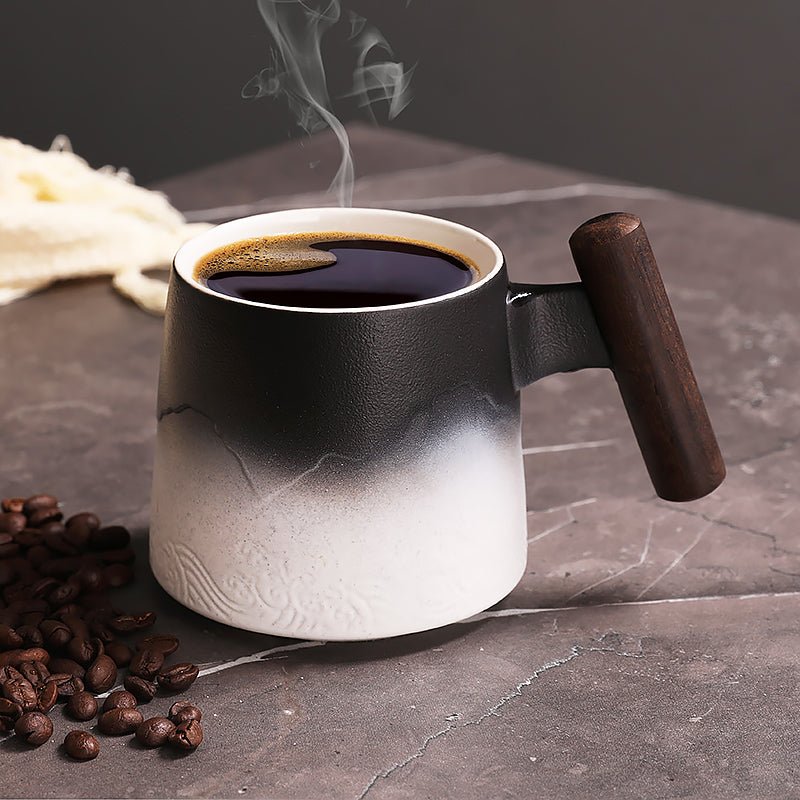
Blue Coffee Mugs: How to Choose the Right Shade, Size, and Finish
Blue coffee mugs stand out most when the shade, size, and finish fit the way you actually drink coffee. We break down the trade-offs we see in our store so you can choose a mug that feels right on ...
Leer más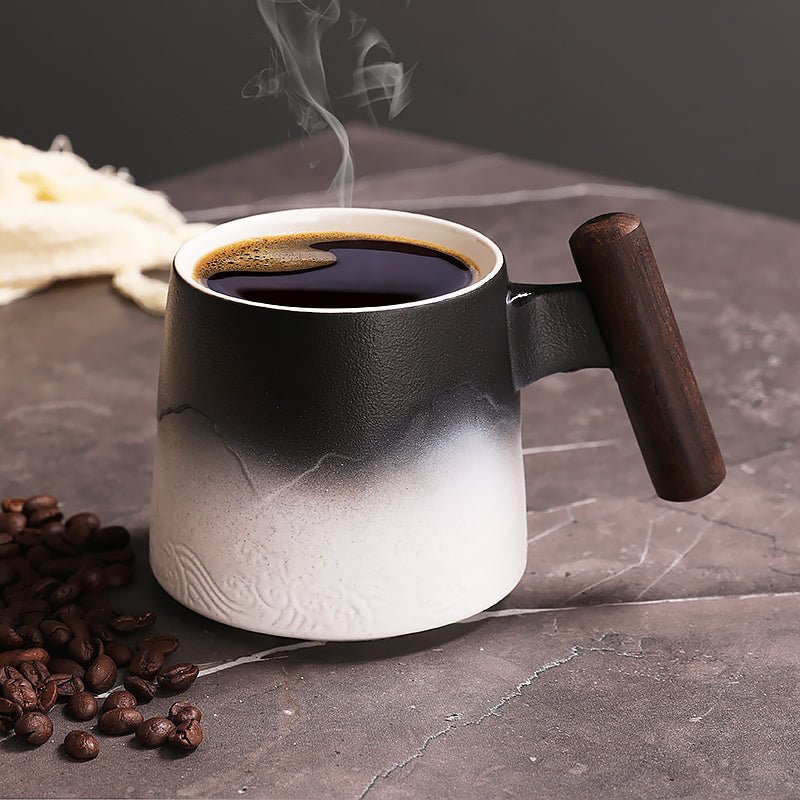
Corkcicle Coffee Mugs: What Buyers Should Check Before Ordering
Corkcicle coffee mugs are a strong pick if you want insulated stainless steel, a secure lid, and a mug that holds up on desks, commutes, and gift tables. Here’s what to check before you buy, plus w...
Leer más
Dejar un comentario
Este sitio está protegido por hCaptcha y se aplican la Política de privacidad de hCaptcha y los Términos del servicio.