
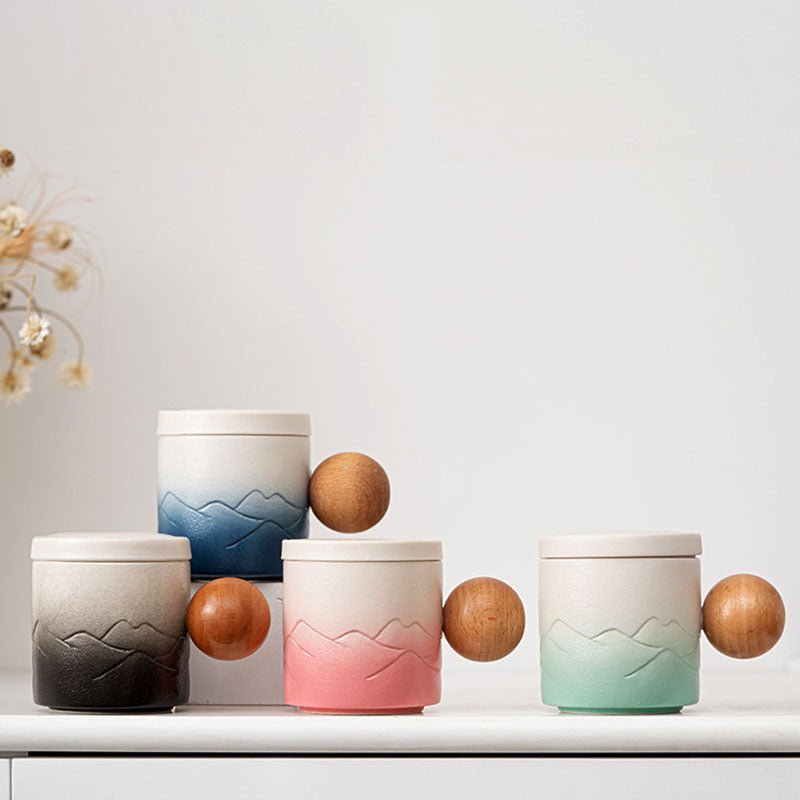
Ceramic Tea Mug Buying Guide for Size, Shape, and Daily Comfort
Reading time: about 8 minutes
A ceramic tea mug earns its keep on the second and third refill. The handle still has to feel secure after the tea has steeped, the rim should not feel awkward against the lip, and the glaze should not make every black tea or chai stain look permanent after a few washes.
At CoffeifyMug, we pay attention to the details shoppers notice on a real kitchen counter, not just in photos. You can browse our full range in the collection and then compare specific designs like the Pleated Coffee Tea Cup, the The Flow Coffee Tea Mug, and the Mountain Sea Coffee Tea Mug.
What should a ceramic tea mug do well?
A good ceramic tea mug does three jobs at once. It keeps the drink warm long enough to finish a slow cup, feels balanced when the mug is full, and cleans up without turning into a stain project after the first few uses.
In our experience, buyers usually notice the same small details once they have lived with a mug for a week:
- A handle with enough clearance for two fingers, not a tight pinch that gets annoying when the mug is hot.
- A rim that is smooth and comfortable, with enough thickness to feel sturdy but not so much that it feels bulky.
- A glazed interior that is easier to wipe clean after tea leaves tannin marks.
- A base that sits flat and does not rock on a desk, tray, or kitchen counter.
- A shape that leaves room for a tea bag, spoon, or infuser without forcing you to overfill the mug.
There is a trade-off here. Thicker ceramic usually feels more substantial and can help hold heat, but it also adds weight. Lighter mugs are easier to hold for a long stretch, but they may cool down faster. For a desk, we usually favor comfort and stability. For slow evening tea, a slightly heavier mug can be the better buy.
Our rule of thumb: if the handle feels right when the mug is empty, it will still feel right after the tea is poured.
Which shape works best for loose-leaf tea, tea bags, or milk tea?
Shape matters more than most shoppers expect. A ceramic tea mug that looks great on a shelf can still be annoying if the opening is too narrow for a tea infuser or too shallow for the way you drink.
| Tea habit | Shape to look for | Why it helps |
|---|---|---|
| Loose-leaf tea | Wider opening | Gives you space for an infuser, a spoon, and easier rinsing after steeping |
| Tea bags | Medium-wide cup | Lets the bag sit naturally without tipping the mug |
| Milk tea or chai | Slightly taller body | Leaves room for milk, honey, or sugar without filling the mug to the brim |
| Slow sipping at a desk | Balanced, not top-heavy | Less likely to feel unstable around a keyboard or notebook |
If you are comparing size more than style, our Best Mug for Tea: Size, Shape, and Style Picks for Daily Use guide is a good place to start. For smaller shelves and tight counters, the Best Ceramic Mug Size for a Small Coffee Corner post is also useful. And if your daily pour runs a little larger, the 16 oz Ceramic Coffee Mug Buying Guide for Daily Use helps you compare everyday capacity without guessing.
Which of our ceramic tea mugs fits your routine?
We keep the buying decision simple by thinking in use cases. The best mug is the one that fits your shelf space, your grip, and the way you actually pour tea.
| Product | Best for | What shoppers usually like about it |
|---|---|---|
| Pleated Coffee Tea Cup | Buyers who want a more decorative tea mug for home use or gifting | The pleated profile gives it a more sculpted look on a table, which makes it feel a little more special than a plain everyday cup |
| The Flow Coffee Tea Mug | People who prefer a clean, simple mug for daily tea or coffee | The smoother look fits easily into a kitchen set, office shelf, or minimalist gift box without feeling fussy |
| Mountain Sea Coffee Tea Mug | Shoppers who want a mug with more visual character | It has a stronger presence on the table, which works well if you want a mug that feels less generic and more giftable |
That is the practical difference we see most often in our store. One buyer wants a mug that disappears into the routine. Another wants a mug that feels a little more considered the moment it is unboxed. Neither choice is wrong. The better pick is the one that matches how the mug will be used most days, not only how it looks in a listing.
If your tea routine is also your coffee routine, the shape questions stay the same: handle comfort, rim comfort, and how much room the mug gives your drink. A ceramic tea mug that works for both usually has a balanced base, a comfortable handle, and a shape that does not force you to choose between style and function.
How do you keep a ceramic tea mug looking good?
Ceramic is easy to live with, but it still needs the right care. Most of the problems we see are not dramatic failures. They are small annoyances that add up: tea staining, a chipped rim, a handle that feels too hot, or fine glaze lines after a mug has been shocked from very hot to very cold water.
- Rinse the mug soon after strong black tea or chai if you want to reduce staining.
- Use a soft sponge and mild soap instead of an abrasive scrubber that can wear down the glaze.
- Let the mug warm up naturally before filling it with boiling liquid if it has been sitting in a very cold cupboard.
- Check the product page for dishwasher and microwave guidance before building a routine around either one.
- Use a coaster if the mug has an unglazed base or if you are placing it on a finish that scuffs easily.
The common defect modes to watch for are simple: rim chips from hard contact, hairline crazing in the glaze, and stress around the handle if the mug is repeatedly dropped into a sink or packed too tightly with other dishes. A good ceramic tea mug should not feel fragile in normal use, but it should still be handled like a piece of tableware, not a travel tumbler.
That last point matters. Ceramic is not the best pick if you need a mug for commuting, tossing into a bag, or keeping sealed for hours on the road. If that is your real use case, a travel mug is a better category. Ceramic wins at the table, at the desk, and in the kind of daily routine where comfort matters more than portability.
What should you buy for an office desk or as a gift?
For an office desk, the safest choice is usually the mug that feels balanced and not too large. You want enough capacity for a normal tea break without taking over the desk or crowding a keyboard, mouse, and notebook. A stable base matters here more than a decorative silhouette.
For gifting, the decision changes. A ceramic tea mug should look thoughtful out of the box, but it also needs to be practical enough that the person actually reaches for it. A mug with a comfortable handle and a style that fits most kitchens is usually a safer gift than something overly niche.
These are the three questions we ask before recommending a mug for a gift or work setup:
- Will the handle stay comfortable if the cup is filled to its normal level?
- Does the shape fit the kind of tea the person drinks most often?
- Will the finish still look good after repeated washing, not just on day one?
If you are still comparing profile and capacity, the Best Mug for Tea: Size, Shape, and Style Picks for Daily Use article covers the most common trade-offs we see from shoppers. For tighter kitchens and shelf planning, the Best Ceramic Mug Size for a Small Coffee Corner guide helps you avoid buying something that looks good online but feels oversized at home.
A ceramic tea mug is not the answer for every drinker. If someone wants maximum insulation, a lid, or a commute-safe cup, they should buy a different category. If they want a mug that feels good to hold, works for tea on repeat, and looks at home on a kitchen shelf, ceramic is still the cleanest choice.
Frequently asked questions
What size ceramic tea mug is best for daily use?
Most daily tea drinkers are happiest with a mid-size mug that leaves room for a tea bag, a spoon, or a small splash of milk. Go larger if you like long pours or use loose-leaf tea with an infuser. Go smaller if you want a lighter mug for quick refills and a compact shelf footprint.
Is a ceramic tea mug better than glass or stainless steel?
Ceramic usually feels better in the hand and is easier to enjoy at a desk or kitchen table because it does not taste metallic and does not look overly technical. Glass is nice if you want to see the tea color, but it can feel more fragile. Stainless steel is better for travel and insulation, not for the same at-home drinking experience.
Can I use a ceramic tea mug for coffee too?
Yes. Many buyers use one mug for both, especially if the shape is balanced and the handle is comfortable. If you switch between tea and coffee often, choose a mug with a clean glazed interior so flavors and stains are easier to manage.
What should I check before buying a ceramic tea mug online?
Check the mug shape, handle size, interior glaze, and care instructions. Those details tell you more about daily use than the product photo alone. If the listing gives size information, compare that against the way you actually pour tea at home or at work.
Why does my ceramic tea mug stain?
Tea, especially black tea and chai, leaves tannins behind. Light interiors and matte finishes usually show staining faster than a smooth glazed surface. Rinsing soon after use and cleaning with mild soap usually keeps it under control.
If you want the fastest next step, start with the full collection and compare each mug against the same checklist: handle comfort, rim feel, base stability, and whether the shape fits the tea you drink most often.
Read more
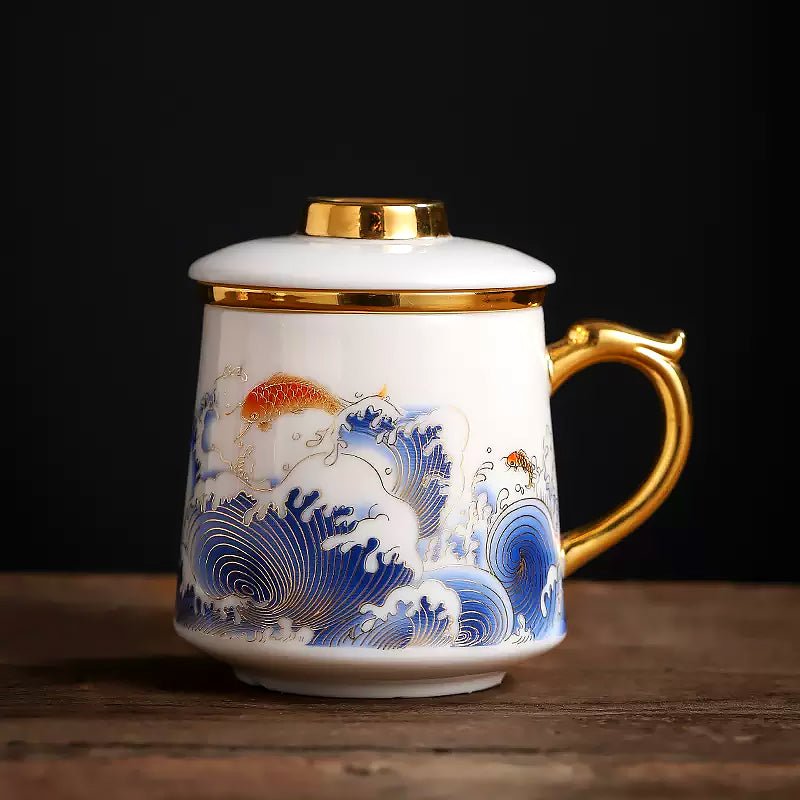
Mug Fancy: How to Choose a Fancy Mug That Actually Works
A fancy mug should do more than sit pretty on a shelf. Here’s how we help shoppers compare style, comfort, materials, and real daily use before buying.
Leer más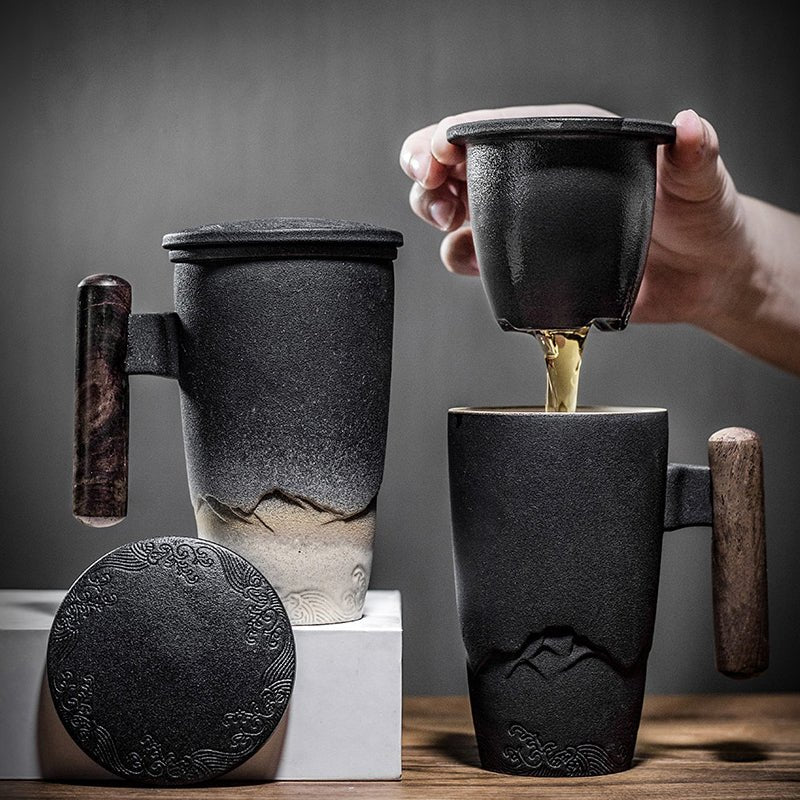
Tall Mugs for Coffee and Tea: Size, Shape, and Best Picks
Tall mugs work best when the shape matches how you drink, wash, and store them. We compare practical options, real trade-offs, and the mugs we would shortlist first.
Leer más
Dejar un comentario
Este sitio está protegido por hCaptcha y se aplican la Política de privacidad de hCaptcha y los Términos del servicio.