
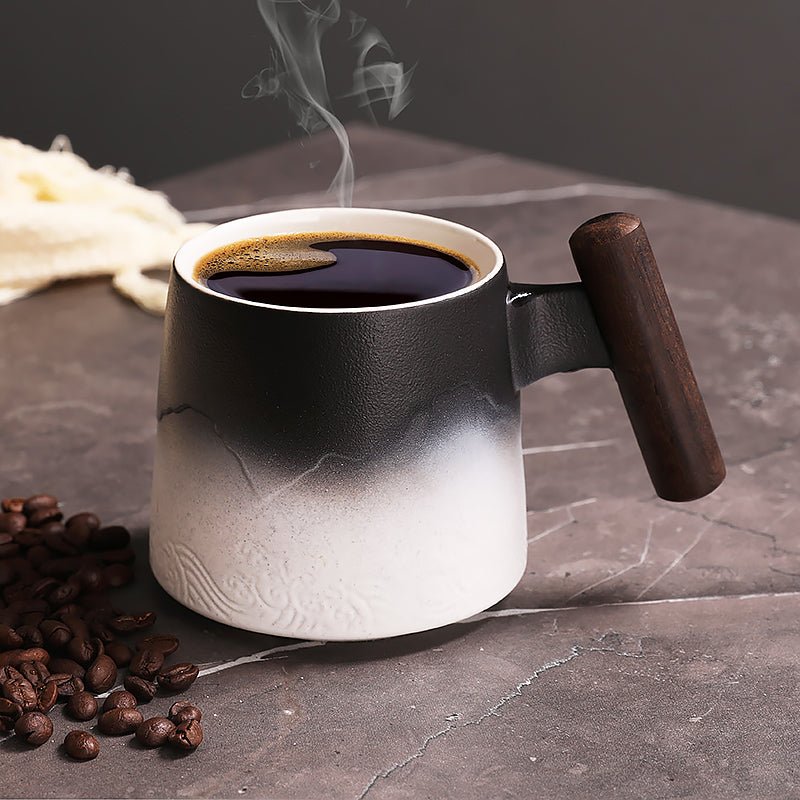
Ceramic Lined Coffee Mug: What Buyers Should Check First
Reading time: about 8 minutes
A coffee mug that keeps the outside tough and the inside ceramic solves a very specific problem: people want the clean taste of ceramic without giving up the durability of a harder outer shell. We see that request a lot from shoppers comparing office mugs, desk mugs, and lids that need to survive a commute without making the coffee taste like metal.
A ceramic lined coffee mug is not the right choice for every buyer, though. It is a better fit for someone who wants better flavor retention than plain stainless steel and still wants something more rugged than a standard kitchen mug. If you are still comparing styles, our broader collection is the fastest place to start, and our article on a ceramic coffee mug buying guide covers the base checks that apply before you narrow down the lined versions.
What does a ceramic lined coffee mug actually change?
The ceramic lining is the part that matters most. It gives the drinking surface a neutral feel, which is what many buyers want when they are trying to avoid the faint metallic note some people notice in all-metal drinkware. The outside is usually there for structure and impact resistance, while the interior is doing the flavor work.
In real use, that means a ceramic lined coffee mug often feels closer to a kitchen mug at the sip point, but behaves more like a travel mug when it gets bumped on a desk or rides in a bag. That combination is the appeal. It is also the trade-off: you gain toughness, but you usually give up the simple, fully glazed one-piece feel of a classic ceramic mug.
We look at these mugs the same way shoppers do at the counter: lid off, rim checked, inside surface inspected, and outer shell tested for how it feels in the hand. Small differences matter. A slightly rough rim, a loose lid, or a narrow drinking opening can change the whole experience.
Which build details should you check before buying?
Not all ceramic lined mugs are built the same, and the small details are what separate a good daily mug from one that sits unused after a week. These are the checks we would make before adding one to cart:
- Rim and interior finish: The drinking edge should feel smooth, and the interior ceramic should look even, without visible pits or rough seams.
- Lid fit: A loose lid defeats the point if you plan to carry the mug between rooms or in the car. Check whether the lid seals tightly and whether it is designed for sipping or transport.
- Body thickness: A thicker wall usually feels sturdier, but it can add weight. If you hold your mug for long desk sessions, that extra weight matters.
- Capacity: A smaller mug is easier to handle and fits more cup holders, while a larger one works better for long mornings. For buyers comparing sizes, our ceramic 20 oz coffee mug guide is useful if you prefer a bigger pour.
- Cleaning access: Wide openings are easier to wash by hand. Narrow openings trap coffee oils and make dried residue more annoying to remove.
For shoppers who plan to use the mug around the house rather than on the move, a simple ceramic body may still be the better call. Our ceramic lid coffee mug guide is a good comparison point if you want a lid without the travel-mug structure.
Who is a ceramic lined coffee mug best for?
This category works best for people who drink coffee slowly and want the cup to stay pleasant over a desk session, a meeting, or a commute with one or two stops. It is also a good fit for gift buyers because the inside finish looks and feels more premium than a plain steel tumbler when someone opens the box.
In our experience, the strongest use cases are:
- Office desks where a mug gets set down, picked up, and knocked around all day.
- Kitchen counters where the buyer wants the taste of ceramic but does not want to baby the mug.
- Gift purchases where presentation matters and the recipient will notice the drinking feel immediately.
It is not the best option for every situation. If you want an ultralight mug for backpacking, this style is usually too heavy. If you want the cheapest possible everyday mug, a simple ceramic cup is often easier to justify. And if you plan to microwave your drink repeatedly, you need to check the product’s specific material build carefully, because not every lined mug is microwave-safe.
For travelers who care more about spill control than countertop use, our article on the ceramic lined coffee travel mug goes deeper on lids, sealing, and carry comfort.
How do ceramic lined mugs compare with other common options?
Shoppers often compare three categories side by side: all-ceramic mugs, stainless steel travel mugs, and ceramic lined mugs. Each one solves a different problem. Here is the short version.
| Type | Strengths | Trade-offs | Best for |
|---|---|---|---|
| All ceramic mug | Classic feel, easy taste, simple cleanup | More fragile, chips easily, poor for travel | Home kitchens and relaxed desk use |
| Stainless steel mug | Durable, light, often better for travel | Can carry a metallic taste, less familiar mouthfeel | Commutes, outdoor use, rough handling |
| Ceramic lined coffee mug | Ceramic drinking surface with a tougher outer body | Usually heavier than plain steel and less forgiving than a full mug | Desk use, gifting, everyday carry with better taste |
The practical takeaway is simple. If taste is your top priority, ceramic lining is attractive. If weight and absolute durability matter most, plain stainless steel can still be the safer choice. If you want the least complicated option for a kitchen counter, a standard ceramic mug remains hard to beat.
We usually tell shoppers to buy for the way they actually drink coffee, not the way they imagine using it. A mug that looks great on a product page can still be annoying if the lid is awkward, the handle is too small, or the cup is too heavy for a morning commute.
What care and cleaning habits keep it looking good?
A ceramic lined coffee mug lasts longer when you treat it like a hybrid product, not a disposable tumbler. The inside may handle coffee well, but the outer shell, seams, and lid still need regular attention.
Our basic care checklist is straightforward:
- Rinse soon after use so coffee oils do not dry inside the liner.
- Wash the lid separately and check the gasket or seal if the design includes one.
- Use a soft sponge rather than abrasive scrubbers on the interior ceramic.
- Let the mug dry fully before storing it with the lid on.
- Inspect the rim and body after drops or hard knocks, because chips and hairline cracks are easier to miss once stains build up.
Dishwasher safety depends on the exact product. Some mugs are fine in the dishwasher, but repeated high-heat cycles can be rough on seals and printed finishes. If a buyer wants the easiest possible cleaning routine, we usually steer them toward a design with a wide opening, simple lid parts, and a finish that does not rely on delicate exterior decoration.
What problems should buyers watch for?
The common failure points are usually small, but they matter in daily use. A lid that feels tight on day one can loosen with wear. A ceramic interior that looks smooth at first can still chip if the mug gets dropped into a sink. And an attractive exterior can hide the fact that the cup is awkward to drink from.
Watch for these warning signs:
- A narrow sip opening that makes the mug harder to use while driving or walking.
- A lid that rattles or shifts when the mug is shaken gently.
- A ceramic lining that stops short of the rim in a way that leaves an exposed edge where coffee touches a different material.
- A body shape that looks stable but tips easily on cluttered desks.
If you are comparing options for a gift, the safest choice is usually the one with the fewest moving parts. Simple shapes and clean finishes age better. For buyers who want a full visual scan of styles before deciding, our product selection is the most direct place to compare current options.
Frequently asked questions
Is a ceramic lined coffee mug better than stainless steel for taste?
For many coffee drinkers, yes. The ceramic drinking surface tends to taste more neutral than bare stainless steel, which is why people often prefer it for black coffee and espresso drinks. If taste is your top concern, ceramic lined drinkware is worth a close look.
Can you put a ceramic lined coffee mug in the dishwasher?
Sometimes, but not always. The safe answer is to check the product’s care instructions, because the lid, seal, and exterior finish may react differently than the ceramic interior. If you want the least maintenance, choose a mug with simple construction and fewer decorative parts.
Is a ceramic lined coffee mug good for commuting?
Yes, if the lid is secure and the mug fits your cup holder or bag pocket. It is usually better for short commutes or desk-to-meeting carry than for rough outdoor use. If you need maximum spill resistance, a travel-focused model is the better category to compare first.
What size ceramic lined coffee mug should I buy?
Choose the size based on how you actually drink. Smaller sizes suit short coffee breaks and lighter bags, while larger sizes are better if you want fewer refills during the morning. If you are undecided, a mid-size option is often the most flexible starting point.
What is the main drawback of a ceramic lined coffee mug?
The biggest trade-off is that it is usually heavier and less simple than a basic ceramic mug, but not always as tough as a full stainless steel tumbler. It is a middle-ground product, so the fit matters. If you do not need the hybrid design, a simpler mug may serve you better.
If you want to narrow the choice quickly, check three things first: lid fit, capacity, and how the mug feels in your hand after a full pour. Then compare the styles in our collection and match the mug to your real routine, not just the photo.
More from our blog
Read more

Winter Coffee Mugs: What to Look For Before You Buy
Winter coffee mugs should feel warm in the hand, hold heat long enough for a slow morning, and still clean up easily after daily use. This guide compares sizes, materials, and small details that ma...
Leer más
Iced Coffee Mug Buying Guide: Size, Material, and Fit
A practical iced coffee mug guide covering size, material, handle comfort, and care so you can choose a cup that fits your routine instead of fighting the ice.
Leer más
Dejar un comentario
Este sitio está protegido por hCaptcha y se aplican la Política de privacidad de hCaptcha y los Términos del servicio.