
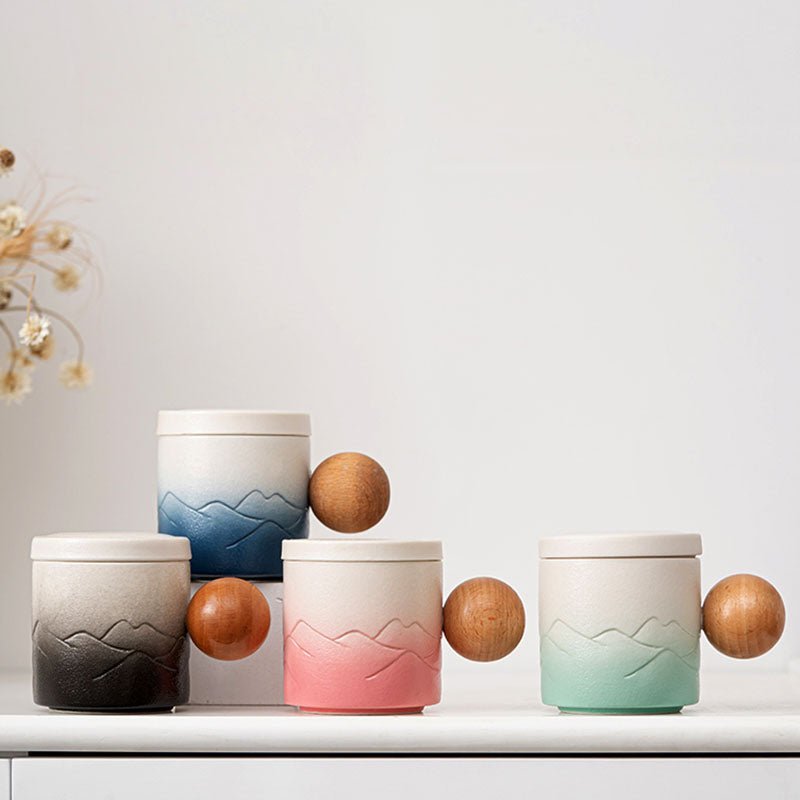
Ceramic Espresso Cup Daily Use Guide: 170, 200, or 250 ml?
Reading time: about 10 minutes
The last clean cup on the kitchen counter can make a small capacity difference feel much bigger than it looked online. A 170 ml cup may feel tidy for a short coffee with room above it, while a 250 ml vessel can feel noticeably more relaxed for a longer drink, tea, or a coffee finished with milk. That is the practical question behind this ceramic espresso cup daily use guide: not simply which cup looks best, but which one suits the drink you actually make before work, during an afternoon break, or at your desk.
At CoffeifyMug, we see shoppers use the phrase “espresso cup” for several different routines. Some mean a small cup for a straight shot. Others want a coffee cup for espresso with room for milk, foam, or a second pour. The current compact espresso-style options in our store are ceramic vessels in three listed capacities: 170 ml, 200 ml, and 250 ml. All three can work around espresso, but they are larger than a traditional single-shot demitasse. Buying with that distinction in mind prevents the common surprise of opening a cup and finding that it is more generous than expected.
Why do 170 ml, 200 ml, and 250 ml matter in daily use?
Capacity affects more than how much liquid fits. It changes the visible amount in the cup, the headroom available after pouring, and how the cup feels in routines that include milk, tea, or several small sips. A straight espresso will occupy only part of any of these listed vessels, so shoppers seeking a very small, traditional demitasse silhouette may prefer to keep looking rather than expect these to behave like one.
| Listed cup | Capacity | Best day-to-day fit | Trade-off to consider |
|---|---|---|---|
| Retro Coffee Tea Cup | 170 ml | Smaller coffee servings, tea, and buyers who want the most compact listed option | Still larger than a traditional single-shot demitasse |
| Pleated Coffee Tea Cup | 200 ml | A middle capacity for espresso-based coffee with extra room or a modest tea serving | The pleated form may appeal more to style-focused buyers than those wanting a completely plain exterior |
| Ball Handled Coffee Tea Mug | 250 ml | Longer coffee, tea, and buyers who value the largest listed capacity | Less compact for someone who only drinks a short espresso |
In our experience, the most useful comparison is not “small versus large.” Put your normal drink beside a measuring jug once. If your everyday coffee includes espresso plus a small amount of milk, a 170 ml or 200 ml cup can make more sense than a large mug. If you regularly fill a cup for tea, add more milk, or dislike a drink sitting low in an oversized vessel, the 250 ml option deserves a closer look.
For a capacity-first comparison of these exact current sizes, read our ceramic espresso cup capacity guide for 170, 200, and 250 ml. It is particularly useful if your main concern is headroom rather than exterior style.
How does a ceramic espresso cup daily use guide prevent a size mistake?
The most frequent mismatch happens when a shopper uses “small espresso cup” to mean one thing and the product capacity to mean another. Before ordering, identify the drink that will be in the cup most often. Do not size it around the occasional weekend recipe if weekday coffee is what drives the purchase.
- For a straight short coffee: Choose based on the appearance you want around the drink. These 170 ml, 200 ml, and 250 ml options leave more open space than a traditional single-shot demitasse.
- For espresso with milk: Start with the 170 ml or 200 ml capacity if your drink remains compact. More available volume can be useful, but a larger vessel is not automatically a better fit.
- For tea between coffee breaks: The 200 ml and 250 ml options are more natural starting points because their listed capacities provide more room.
- For a shared office shelf: Favor a shape and capacity that matches the person using it. A compact cup is easier to reserve for short drinks; the 250 ml option better suits someone who reaches for tea or longer coffee.
- For gifting: Match the visible form to the recipient's habits. A distinctive handle or textured exterior can make a gift feel considered, but capacity should still be practical.
There is also a visual trade-off. A larger cup can make a short espresso look sparse. That is not a flaw in the ceramic vessel; it is simply proportion. Buyers who care about a concentrated, traditional presentation should not treat capacity as a minor detail.
Which ceramic cup fits a short coffee, tea break, or office desk?
Compact drinks: the 170 ml Retro Coffee Tea Cup
The 170 ml Retro Coffee Tea Cup is the closest of the three listed capacities to a compact daily cup. It is a sensible fit for a shopper who makes a short coffee, prefers a smaller tea portion, or wants a cup that does not dominate a crowded kitchen counter. Its ceramic construction and 170 ml listed capacity are the product facts to use for the decision.
It is not the strongest fit for someone who normally prepares a large tea, adds substantial milk, or expects a traditional tiny demitasse. A 170 ml cup has more room than that classic single-shot format, while still being the smallest current option here. For the buyer who wants one cup for a neat morning coffee and an occasional tea, that middle ground can be exactly the point.
Everyday flexibility: the 200 ml Pleated Coffee Tea Cup
The 200 ml Pleated Coffee Tea Cup sits between the compact 170 ml and roomier 250 ml choices. Its visibly pleated form gives it a more textured look than a plain-sided vessel, while its listed ceramic capacity leaves a little more room for a coffee with milk or a modest serving of tea.
This is the practical choice for a household where “espresso cup” is used loosely and one person may make a short coffee while another chooses tea. It is not ideal for a buyer who wants the largest capacity available, nor for a person who wants a completely understated exterior. The visible pleating is part of the appeal, so it should be chosen deliberately rather than treated as an incidental detail.
Longer breaks: the 250 ml Ball Handled Coffee Tea Mug
The 250 ml Ball Handled Coffee Tea Mug is the largest listed option. Its visible ball handle makes the form distinct, and the 250 ml capacity is the clearest fit for a longer tea break, a more generous coffee, or a shopper who does not want to refill quickly.
For a home office desk, this size can be more useful than a smaller vessel if the drink lasts through a meeting. It is not the best pick for someone trying to recreate the scale of a traditional single espresso service. A small espresso can look low in a 250 ml cup, and the larger capacity may be unnecessary if the cup will only ever hold a short drink.
To compare these styles with other distinctive shapes, browse our unique coffee mugs collection. Use the collection as a style comparison, then return to the listed capacity and visible form before making a final choice.
What should ceramic cup owners check after the first week?
Ceramic is well suited to a cup that moves from kitchen counter to desk, but daily care is where avoidable chips and dissatisfaction usually begin. We recommend treating the product listing as the authority for any specific dishwasher or microwave instruction. Do not assume a care feature, a lid, a saucer, or compatibility with a particular machine unless it is expressly listed for that product.
- Give the rim a quick check before the first use. The rim is the drinking edge and the place most likely to reveal an issue immediately. Inspect it in good light after unboxing.
- Avoid hard ceramic-on-ceramic contact. Stacking cups, dropping a spoon into the vessel, or knocking the rim against a sink can create chips. Set cups down with a little space between them on a busy counter.
- Avoid sudden temperature changes. Do not move a cup abruptly from a very cold setting to very hot liquid, or the reverse. Let it transition gradually.
- Clean according to the product's stated guidance. If a listing does not explicitly state dishwasher suitability, hand washing is the cautious default. A soft sponge is a sensible choice for preserving the visible finish.
- Check the handle during normal use. On the 250 ml Ball Handled Coffee Tea Mug, hold it the way you would during a real tea or coffee break to confirm that the visible handle style suits your preference.
These steps are not a claim that every ceramic cup will react the same way. They are practical habits we recommend because kitchen use involves hard counters, metal cutlery, crowded draining racks, and rushed cleanup. If low-maintenance care is your top requirement, confirm the current listing details before placing an order rather than relying on assumptions about ceramic generally.
Is an espresso-style cup the right choice for iced coffee or a large daily drink?
Not always. The 170 ml Retro, 200 ml Pleated, and 250 ml Ball Handled models are compact espresso-style coffee and tea vessels by capacity compared with a large everyday mug. For iced coffee, the ice itself takes up meaningful room, so a shopper who wants a full iced drink may find these sizes limiting. For a large morning pour, a bigger mug is usually the more direct answer.
Our big mug daily-use guide explains the other side of that choice. Larger vessels offer more capacity, but they do not provide the same compact feel that makes an espresso-style cup appealing on a small desk or a narrow counter.
Likewise, a cup's name does not turn it into specialized cafe equipment. We do not present these products as machine-specific, professionally tested, or certified for a particular drink. Choose them for their listed ceramic material, capacity, and visible shape, then judge fit against your own drink volume.
Frequently asked questions
Is 170 ml too large for a single espresso?
For shoppers seeking a traditional single-shot demitasse, 170 ml may feel large because it is larger than that classic format. It can still hold a single espresso, but there will be substantial open space above the drink. The 170 ml Retro Coffee Tea Cup is better viewed as a compact multipurpose coffee or tea cup than a tiny dedicated demitasse.
Which coffee cup for espresso is best if I add milk?
Start with the 170 ml Retro or 200 ml Pleated option if you want a compact espresso-based drink with some room beyond the coffee itself. The 200 ml capacity offers more room than 170 ml, while the 250 ml Ball Handled option is the better fit for a clearly longer drink. Your usual poured volume matters more than the word “espresso” in the product category.
Is the 250 ml Ball Handled Coffee Tea Mug too big for everyday espresso?
It can be, if you only drink short espresso. A 250 ml cup gives a small espresso a lower visual fill level and may feel more like a tea or longer-coffee vessel. It is a more practical option for shoppers who want one ceramic cup for coffee and tea, or who prefer a larger serving.
Can I assume these ceramic cups are dishwasher safe?
No. Dishwasher suitability should only be assumed when it is clearly stated on the relevant product listing. If that instruction is not listed, hand washing with a soft sponge is the more cautious everyday approach.
What does this ceramic espresso cup daily use guide recommend for a gift?
Choose the 170 ml Retro cup for someone who enjoys compact coffee moments, the 200 ml Pleated cup for a recipient who likes a more textured visible form, and the 250 ml Ball Handled mug for tea or longer drinks. For a gift, capacity is as important as appearance because it determines what the recipient can realistically use it for each day.
Your 60-second checkout check
Before choosing, answer three questions: Do you usually drink a short coffee, coffee with milk, or tea? Do you want the smallest listed 170 ml capacity, the middle 200 ml capacity, or the roomier 250 ml capacity? Does the Retro, Pleated, or Ball Handled form suit the person who will use it?
Then review the current product listing for care details and select from the CoffeifyMug unique coffee mugs collection with those answers in hand. That small check is the best way to buy a ceramic cup for the daily routine you have, not an imagined one.
More from our blog
Read more
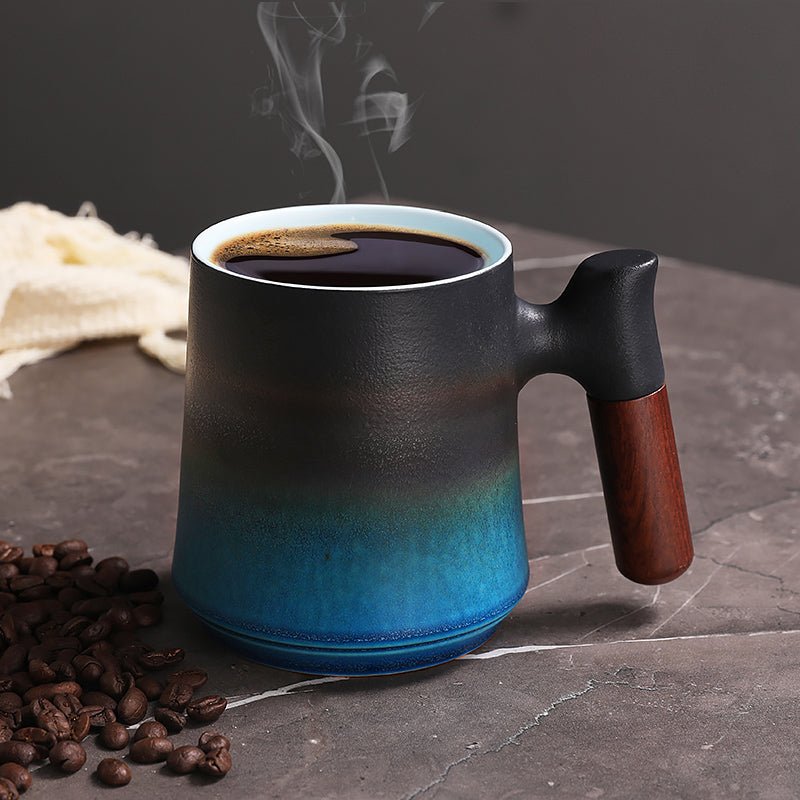
Hot Cocoa Mug Daily Use Guide: Practical Trade-Offs Before You Buy
Choose a hot cocoa mug based on the way you actually drink: single servings at a desk, larger homemade cocoa portions, or a mug that also earns its place at breakfast. Compare 400 ml and 480 ml Cof...
Leer más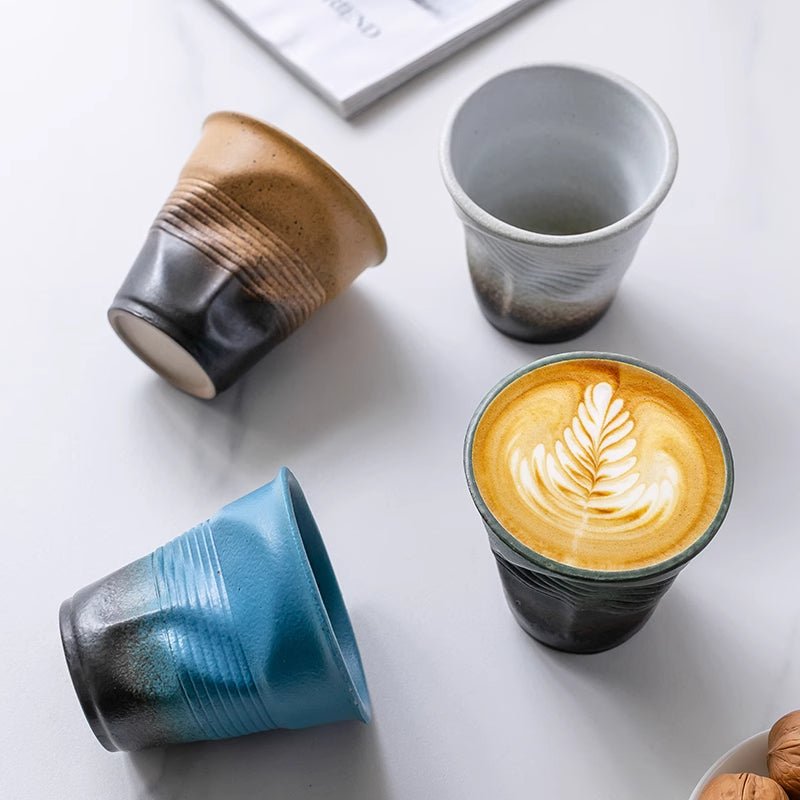
Cappuccino Coffee Mug Daily Use Guide: 170 ml to 270 ml
Compare 170 ml, 200 ml, and 270 ml cup capacities for the routines that matter: a quick morning coffee, a desk drink, a relaxed weekend serving, or a gift. This guide explains the practical trade-o...
Leer más
Dejar un comentario
Este sitio está protegido por hCaptcha y se aplican la Política de privacidad de hCaptcha y los Términos del servicio.