
Ceramic Coffee Mug Buying Guide for Everyday Buyers
Reading time: about 9 minutes
A mug can look perfect in a product photo and still feel wrong in your hand the first morning you use it. The usual problems show up fast: a handle that crowds your knuckles, a rim that feels too thick, a base that rocks on the desk, or a glaze that looks great but shows every tea stain after a week.
That is the difference between a decent ceramic coffee mug and one people actually reach for every day. We handle these choices in our store all the time, and the buyers who are happiest are usually the ones who pay attention to the unglamorous details: comfort, finish, weight, and how the mug behaves after repeated washing.
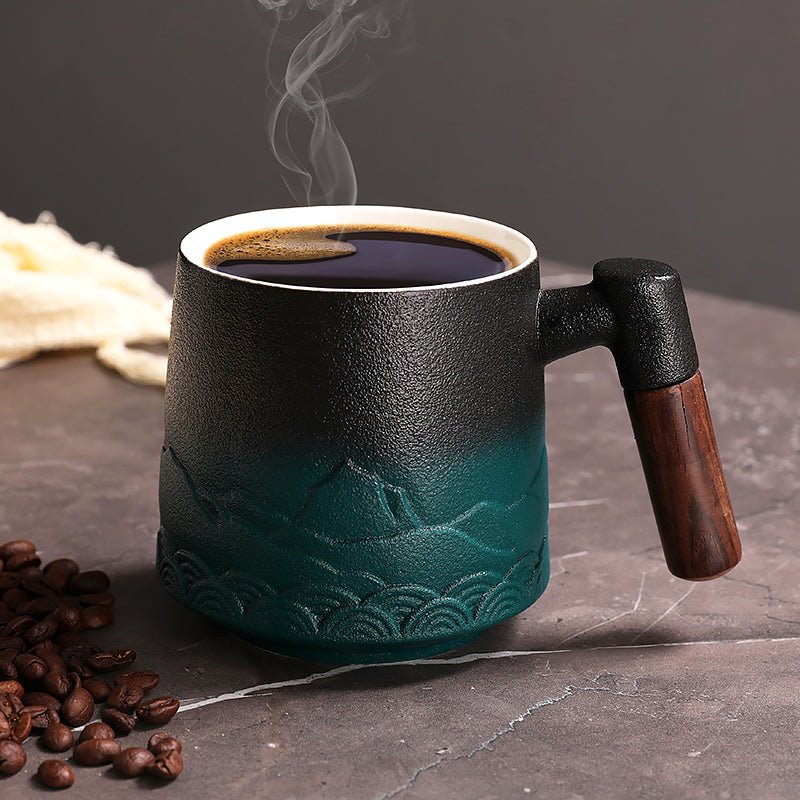
If you want a quick place to browse the range we carry, start with our full collection. If you already know you want a specific style, the Pleated Coffee Tea Cup, The Flow Coffee Tea Mug, and Mountain Sea Coffee Tea Mug are three very different ways to solve the same basic job.
What should a ceramic coffee mug do well every day?
A good ceramic coffee mug needs to do three things without drawing attention to itself: hold heat well enough for a normal coffee break, feel stable in the hand, and survive repeated washing without losing its finish. That sounds basic, but a lot of mugs fail one of those jobs.
In practice, we look for these details first:
- A comfortable handle opening that fits more than one finger without pinching.
- A smooth drinking rim that does not feel sharp or overly thick.
- A flat, even base so the mug sits securely on a counter or office desk.
- A glaze that is consistent across the inside and outside, with no rough spots where stains can collect.
For coffee drinkers who want a simple reference point, our Ceramic Coffee Mug Buying Guide: What to Check Before You Buy covers the practical checks we use before recommending a mug to a customer.
Ceramic is a strong fit for home kitchens, shared office spaces, and gift buying because it feels familiar and easy to live with. It is not the best choice for people who need the lightest possible cup or a mug that keeps drinks hot for a very long time on the move. If the use case is commuting, a ceramic travel mug or lidded option makes more sense.
Which details matter most before you buy?
The biggest buying mistake is focusing on appearance before use. A mug can have a beautiful profile and still be awkward if the handle is too narrow, the base is too small, or the cup is deeper than your preferred coffee recipe.
These are the details we recommend checking every time:
- Capacity. Decide whether the mug is for a standard drip coffee, a larger pour, tea, or a latte-style drink. If you usually refill, a smaller mug may actually be the more comfortable choice.
- Wall feel. Thicker ceramic usually feels more substantial in the hand, while a slimmer mug can feel lighter and more elegant. Neither is automatically better.
- Handle shape. A handle should feel natural when you lift the mug full. The wrong curve becomes obvious after a few uses.
- Glaze finish. Smooth glaze is easier to wipe clean. Matte or textured finishes can be attractive, but they may show marks differently and need a little more care.
- Base stability. A mug that wobbles slightly is annoying on a desk and more likely to chip if it gets knocked around.
Some buyers want a 20 oz cup because they fill once and do not want to think about it again. For that kind of comparison, our 20 oz Ceramic Coffee Mug Buying Guide: Fit, Heat, and Care and Ceramic 20 oz Coffee Mug: What Buyers Should Check Before Buying are useful next reads.
Trade-off wise, larger mugs are not ideal for people who want a faster drink or who dislike carrying extra weight from kitchen to desk. The larger the mug, the more you feel it when it is full.
How do the styles compare in real use?
We usually narrow a ceramic coffee mug decision down to shape and feel. The same material can serve very different buyers depending on the silhouette and hand feel.
| Style | Best for | What it does well | Limitations |
|---|---|---|---|
| Pleated Coffee Tea Cup | Buyers who want visual texture and a more crafted look | The pleated profile adds grip and makes the mug feel less plain on a desk or gift table | Textured forms may not be the first pick for someone who prefers a very simple, minimal cup |
| The Flow Coffee Tea Mug | People who want a softer, more modern shape | The flowing silhouette feels easy in the hand and works well for everyday kitchen use | If you want a traditional straight-sided mug, this style may feel too contemporary |
| Mountain Sea Coffee Tea Mug | Shoppers who want a mug with a stronger visual story | Good for gifting, display, and buyers who like a piece that feels a little more distinctive | Less ideal if you want the most understated office mug possible |
That is why we do not treat every ceramic coffee mug as interchangeable. Some people want a quiet workhorse. Others want something that looks intentional on the shelf. Both are valid, but they are not the same purchase.
If you are choosing for a gift, the safest route is usually a mug with a distinctive but not overly niche design. If you are buying for daily use at a desk, a simpler shape is often easier to live with because it disappears into the routine instead of asking for attention.
What can go wrong with ceramic, and how do you avoid it?
Ceramic is durable in normal use, but it has a few failure modes worth understanding before you buy. The good news is that most of them are visible or avoidable if you know what to look for.
- Hairline crazing. Fine lines in the glaze can appear over time, especially if the mug is exposed to temperature swings or repeated heavy use.
- Pinholes or rough glaze spots. These can trap residue and make cleaning harder.
- Uneven feet. A mug that does not sit flat is annoying and more vulnerable to tipping.
- Chipping around the rim. This usually comes from knocks in the sink, dishwasher contact, or stacked storage without enough spacing.
- Thermal shock. Pouring boiling liquid into a cold mug straight from a chilly cabinet can be rough on ceramic over time.
Our approach is simple: choose a well-finished mug, handle it like a daily kitchen item, and do not expect ceramic to behave like an insulated tumbler. It is not meant for bouncing around in a bag or replacing a travel mug.
For shoppers comparing different ceramic formats, Ceramic Coffee Mug Set Buying Guide for Everyday Use is useful if you are buying for a shared kitchen or setting up a new home.
How should you care for a ceramic coffee mug?
Most ceramic mugs are easy to maintain, but easy does not mean careless. Small habits make a real difference in how long the glaze looks clean and how long the mug keeps its shape and finish.
- Rinse coffee or tea stains sooner rather than later.
- Use a soft sponge for routine cleaning instead of abrasive scrubbers.
- Avoid rapid temperature changes, especially from cold storage to boiling liquid.
- Do not stack mugs tightly if the rim or glaze is delicate.
- If you use one mug every day, rotate it sometimes so one piece is not taking all the wear.
If a mug is marketed as dishwasher safe, that helps convenience, but the dishwasher can still be tough on decorative surfaces and cup-to-cup contact. Hand washing is gentler for textured or highly decorated mugs, especially if you want the finish to stay looking fresh.
That is one reason buyers who plan to use a mug at the office often prefer a straightforward design. Less surface complexity usually means less fuss after cleaning.
Which ceramic coffee mug is the better buy for your situation?
The best ceramic coffee mug is the one that matches how you actually drink coffee, not how you imagine using it on a slow weekend morning. We see three common buyer profiles:
- Daily home coffee drinkers: choose a mug with a comfortable handle, stable base, and a shape that fits your machine or pour-over routine.
- Desk and office users: prioritize a mug that is easy to lift, easy to clean, and unlikely to clutter your workspace.
- Gift buyers: look for a design with enough character to feel special without becoming impractical.
If your priority is form plus function, start with the mug that matches the environment. A kitchen mug can be a little more expressive. An office mug usually benefits from restraint. A gift mug should feel intentional the moment it is unboxed.
From our side, the point is not to push one shape for everyone. It is to help you avoid buying a mug that looks good once and gets left in the cabinet after the first week.
Frequently asked questions
Is a ceramic coffee mug better than glass for everyday use?
For most people, yes. Ceramic usually feels more substantial, hides stains better than clear glass, and is less likely to feel fragile in a daily kitchen routine. Glass can be a better fit if you want to see the drink or prefer a lighter visual look, but ceramic is the more forgiving everyday choice.
What size ceramic coffee mug is best for standard coffee?
For a standard drip coffee, a mid-size mug is usually the easiest to live with. Bigger mugs are better if you refill less often or like milk-heavy drinks, but they can feel heavy when full. If you are comparing larger options, our 20 oz guides are worth reading before you buy.
Can a ceramic coffee mug go in the dishwasher?
Many ceramic mugs can, but the finish matters. Plain glazed mugs generally hold up better than highly textured or decorative pieces, especially if they bang against other dishes. If you want the best long-term appearance, hand washing is the safer choice for detailed designs.
What should I check for before buying a ceramic mug online?
Check the handle shape, base stability, finish description, and whether the mug is meant for daily drinking or display. We also recommend looking closely at product photos for rim thickness and glaze consistency. Those are the details that tell you more than the styling text does.
Are ceramic coffee mugs good gifts?
Yes, as long as the shape is practical. A mug with a strong design story, like one of our more distinctive styles, tends to feel more thoughtful than a plain mass-market cup. The key is choosing something the recipient will actually use instead of just display.
What should you check next before buying?
Before you place an order, compare three things side by side: handle comfort, the shape of the rim, and how the mug will fit into the space where it will live. A mug that works on a kitchen counter may be annoying on a cluttered office desk, and a decorative mug may not be the right pick for a heavy coffee drinker.
If you want to compare our current options directly, start with the full collection and then open the Pleated Coffee Tea Cup, The Flow Coffee Tea Mug, and Mountain Sea Coffee Tea Mug in separate tabs. If you are still comparing size and care details, the buying guides on 20 oz mugs will help you choose the right ceramic coffee mug for the way you actually drink coffee.
Read more
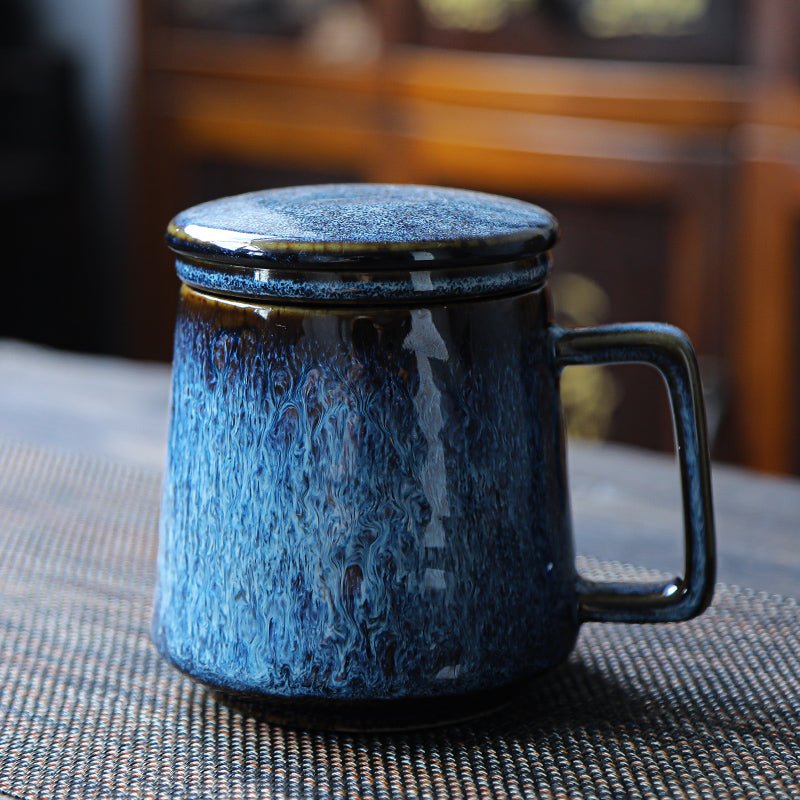
Heated Coffee Mug Buying Guide: What to Compare Before You Buy
We compare the mug details that matter for a heated coffee mug: base stability, handle comfort, shape, and the trade-offs between daily desk use and gift-worthy styles.
Leer más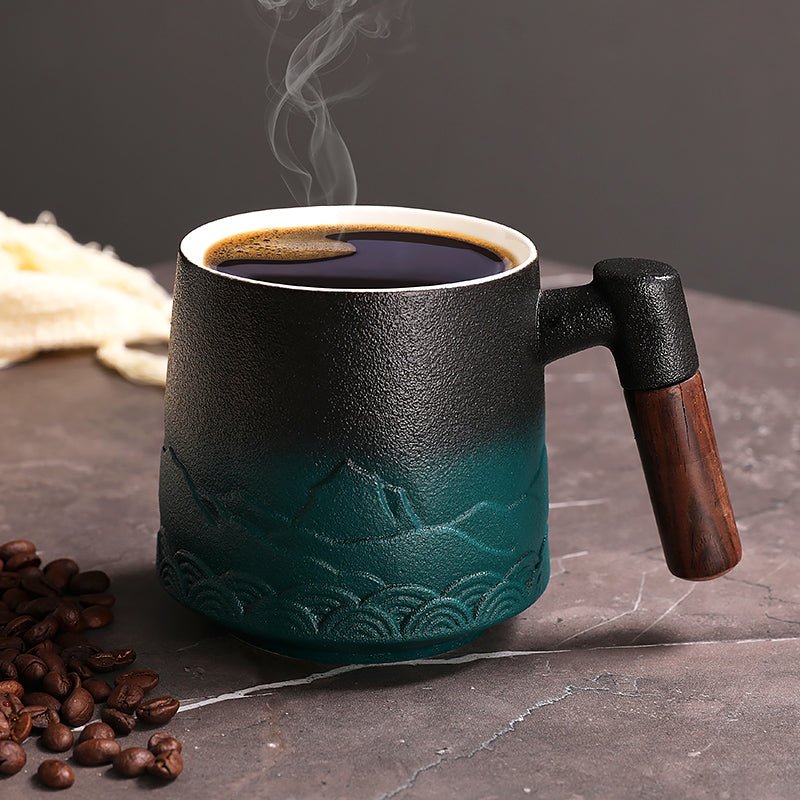
Contigo Coffee Mug Buying Guide: Fit, Size, and Real-World Use
A practical guide for comparing a contigo coffee mug before you buy. We cover size, lid fit, cleaning, and where our own mugs make more sense at a desk, in the car, or as a gift.
Leer más
Dejar un comentario
Este sitio está protegido por hCaptcha y se aplican la Política de privacidad de hCaptcha y los Términos del servicio.