
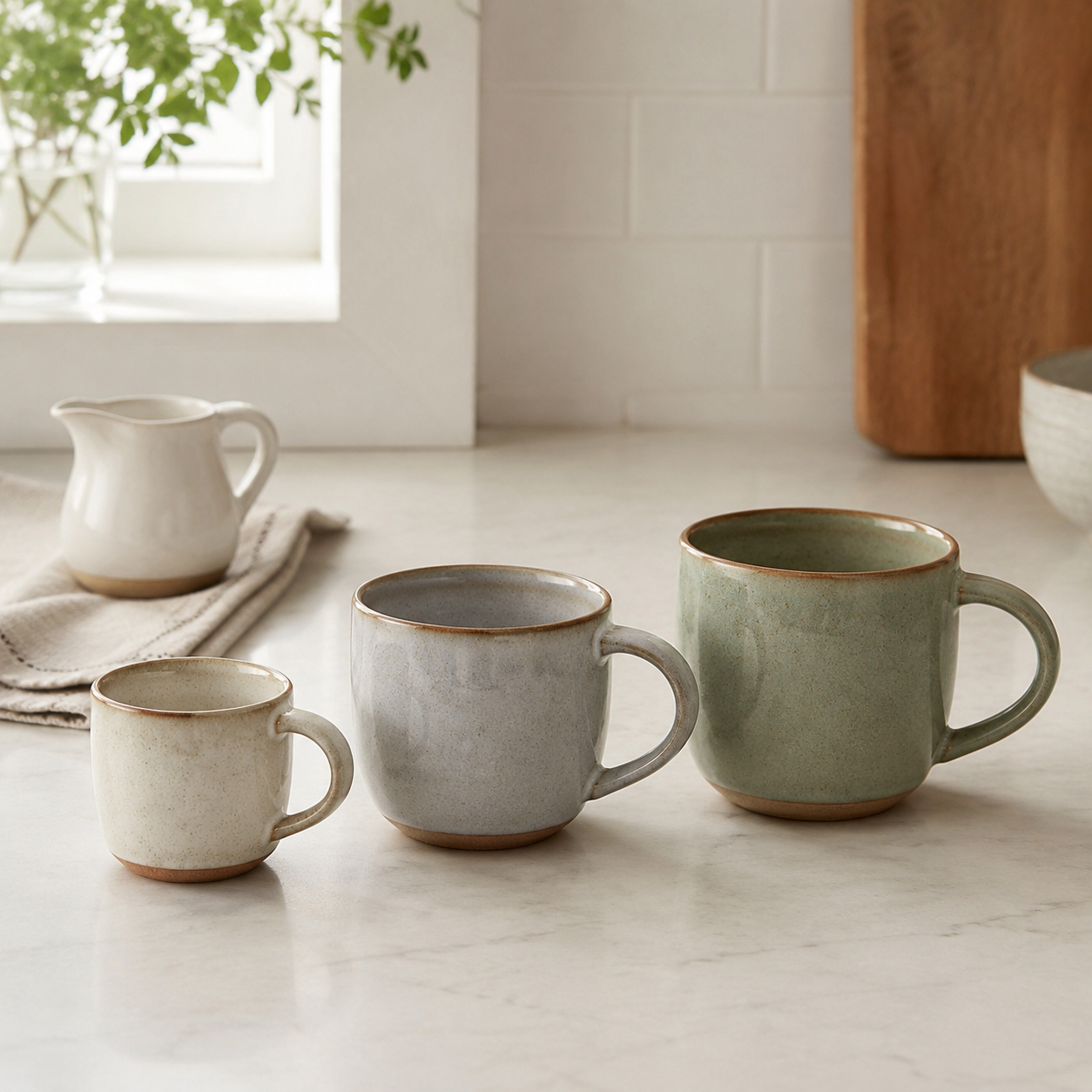
Cappuccino Coffee Mug Buying Guide: Ceramic Cup Sizes
Reading time: about 9 minutes
A cup that looks compact in a product photo can feel surprisingly large once it reaches the kitchen counter. The reverse happens too: a shopper orders a neat-looking cup, makes a milk coffee, and realizes there is less room than expected. For a cappuccino coffee mug, listed capacity is the most useful place to start, but it is not the only detail that determines everyday fit.
In our store, we compare small milk-coffee cups by the information we can verify: listed capacity, overall style, and the kind of routine each size is likely to suit. The three CoffeifyMug options covered here are 170 ml, 200 ml, and 270 ml. Those numbers describe relative cup size; they do not establish a guaranteed fill line, a particular coffee-to-milk ratio, or special foam performance. None of the recommendations below should be read as a claim that a product was designed, tested, certified, or approved specifically for cappuccino.
Which cappuccino coffee mug capacity matches your usual pour?
Start with the drink you already make rather than an abstract idea of the perfect cup. Use your current favorite cup, prepare your normal serving, and measure the liquid in a kitchen measuring jug. That gives you a practical reference point before you compare catalog capacities.
The Retro Coffee Tea Cup has a listed capacity of 170 ml, making it the smallest of the three options in this comparison. It is the relevant next step for a shopper who deliberately wants a compact cup and does not routinely make a larger milk-heavy drink. It is not a good match for someone who regularly wants substantial extra space or uses one cup for large servings of tea, cocoa, or iced coffee.
If you are still deciding between a compact cup and a conventional daily mug, browse the unique coffee mugs collection to compare small-cup styling with roomier alternatives. Looking across several shapes is useful because capacity alone cannot tell you how broad, tall, or visually substantial a cup will appear on your desk or shelf.
170 ml, 200 ml, or 270 ml: where does each size fit?
These three capacities create a straightforward small-to-roomy comparison. The right choice depends on how much extra milk or drink volume you normally add, how compact you want the cup to feel, and whether it will serve more than one type of beverage.
| Reader situation | Listed capacity | Catalog option | Main trade-off |
|---|---|---|---|
| You prefer a deliberately compact serving and already know that smaller cups suit your routine. | 170 ml | Retro Coffee Tea Cup | Least extra room of the three choices. |
| You want a middle point between a compact cup and a roomier everyday mug. | 200 ml | Pleated Coffee Tea Cup | More room than 170 ml, but still not intended here as an oversized option. |
| You tend to prepare a larger serving or want more flexibility for coffee and tea. | 270 ml | Emerald Coffee Tea Mug | May feel too large if your priority is a compact presentation. |
The 200 ml Pleated cup is the middle capacity in this set. That makes it a sensible comparison point for a buyer who considers 170 ml too restrictive but does not want to jump directly to 270 ml. The 270 ml Emerald mug provides the most room among these three listed options, so it fits a shopper whose normal serving tends to exceed the smaller cups.
Do not choose 270 ml simply because more capacity sounds safer. A larger cup can be unnecessary if you value a compact footprint and consistently make a small drink. Likewise, 170 ml should not be treated as the default merely because cappuccino is associated with smaller cups. Your actual pour is the better guide.
What should you inspect on a ceramic cup listing?
A ceramic cappuccino cup should be evaluated as a physical object, not just as a color and capacity. Product photographs and listing details should help you inspect the glazed surface, rim, handle connection, base, and overall proportions. If the material is not stated clearly on the current listing, confirm it before ordering rather than relying on the word mug or cup in a title.
When we handle cups, these are the practical details that receive attention:
- Glaze coverage: Look for a consistent finished surface and inspect close-up photographs for chips, sharp exposed edges, clusters of pinholes, or fine crack-like lines known as crazing. Natural color variation may be intentional, but damage and decorative variation are not the same thing.
- Rim condition: The drinking edge should appear even and free from chips. Rim thickness also affects how substantial the cup feels against the lip, although a photograph cannot always communicate that accurately.
- Handle attachment: Inspect both connection points where the handle meets the cup body. Also consider whether the handle opening appears suitable for the way you hold a cup; some shoppers use two fingers, while others prefer a broader grip.
- Base and foot ring: A flat base helps the cup sit without rocking. If the ceramic foot is exposed, it should not look jagged or excessively rough, especially when the cup will be used on an unprotected desk or table.
- Surface decoration: Raised, pleated, or deeply textured details can add visual interest, but they may take more attention to clean than a plain exterior.
These checks are especially useful during gift shopping because the recipient cannot test the handle or inspect the rim before opening the package. For a deeper explanation of ceramic surfaces and purchase checks, see our ceramic coffee mug buying guide.
How do rim, handle, and base shape affect daily use?
Capacity tells you how much a cup is listed to hold. It does not tell you how the cup will feel in the hand or how much room it will occupy beside a keyboard, kettle, or coffee machine. That is why two cups with similar capacities can suit different buyers.
A broad cup may look lower and more open, while a narrower cup may appear taller. We do not infer foam behavior or heat retention from those shapes. For buying purposes, focus on visible fit: where the cup will sit, how you normally grip it, and whether the rim and handle proportions appeal to you.
- Measure the height and width of a cup you already use comfortably.
- Check the current product page for any available dimensions and compare like with like.
- Look at the handle opening in relation to the cup body, not in isolation.
- Consider nearby obstacles such as a shallow shelf, crowded office desk, or compact coffee station.
- If dimensions are not listed, do not assume them from capacity alone.
Our coffee cup and mug shape guide covers the broader relationship between proportions, style, and daily placement. Shoppers who need more help interpreting volume can also use the coffee mug sizes guide for daily use.
What care details should you confirm before checkout?
A ceramic appearance does not establish microwave or dishwasher suitability. We do not apply either claim to the Retro, Pleated, or Emerald cups in this comparison. Check the current product listing and any care information supplied with the item before placing it in a microwave or starting a dishwasher cycle.
If a care method is unclear, a conservative routine is to wash the cup by hand with a soft sponge and a non-abrasive cleaner until you can confirm the manufacturer's instructions. Avoid sudden temperature changes, do not scrape textured or decorated surfaces with harsh pads, and inspect the rim and handle regularly. A cup with a new chip or visible crack should be removed from hot-drink use.
This is a real trade-off for decorative cups. Pleated surfaces, detailed finishes, and unusual shapes can make a cup more distinctive on an open shelf or during gift unboxing, but a smooth, plain exterior may be faster to clean. Buyers who prioritize the simplest possible maintenance should make care information and surface texture part of the decision, not an afterthought.
Which cup fits a kitchen counter, office desk, or gift?
Context often settles a close capacity decision. Map the cup to the place and person before selecting a style:
- For a compact kitchen setup: Choose the 170 ml Retro cup if the buyer already prefers smaller servings. Its relevant advantage is being the smallest listed option in this group, not any claimed beverage performance.
- For a middle-size daily cup: Consider the 200 ml Pleated cup when 170 ml sounds restrictive and 270 ml sounds roomier than necessary. Its pleated appearance also gives the buyer a clear visual preference to evaluate.
- For a roomier desk cup: The 270 ml Emerald mug is the appropriate next comparison for someone who makes a larger serving or alternates between coffee and tea. It may be less suitable for a buyer specifically seeking a compact cup.
- For a gift when size is uncertain: The 200 ml option sits between the two capacity extremes. Still, check the recipient's habits; someone who always uses large mugs may find every option in this small milk-coffee group limiting.
- For large iced drinks or oversized coffee: Choose a different mug category. Even the 270 ml option may not provide the volume a shopper expects for ice plus a large drink.
The best coffee cup for cappuccino is therefore not automatically the smallest or largest model. It is the one whose listed capacity and physical format align with the recipient's normal serving and space.
Use this comparison checklist before ordering
- Measure the amount you normally pour instead of guessing from a product photograph.
- Choose 170 ml for the smallest listed option, 200 ml for the middle option, or 270 ml for the roomiest option in this comparison.
- Check current material details rather than assuming every cup or mug title means ceramic.
- Inspect product images for rim damage, glaze issues, handle attachment, and base condition.
- Confirm microwave, dishwasher, and other care instructions on the current listing.
- Allow for a gift recipient's actual drinking habits, grip, shelf space, and preference for textured or plain surfaces.
- Select a different category if the intended drink is large, heavily iced, or usually served in an oversized mug.
Frequently asked questions
What size cappuccino coffee mug should I buy?
Measure your normal prepared drink and compare that amount with the listed cup capacity. In the CoffeifyMug options discussed here, 170 ml is the compact choice, 200 ml is the middle choice, and 270 ml provides the most room. These are capacity comparisons, not guarantees about a specific recipe or fill line.
Is a 170 ml cup too small for a milk coffee?
It depends on the amount you actually prepare. A 170 ml cup can fit a shopper who deliberately prefers a compact serving, but it is not suitable for someone who routinely adds enough milk to need more room. Measure an existing drink before ordering.
Can I assume a ceramic cappuccino cup is dishwasher and microwave safe?
No. Material appearance alone does not confirm either care claim, and this guide does not make those claims for the Retro, Pleated, or Emerald products. Read the current product instructions and use a conservative hand-washing routine if the permitted care method is unclear.
Where can I compare more cup styles before choosing?
Start with the CoffeifyMug unique coffee mugs collection and compare each option against your measured drink volume, available counter or desk space, preferred handle shape, and cleaning routine. Keep that four-point checklist beside you while reviewing product pages so the final choice reflects daily use rather than appearance alone.
Read more
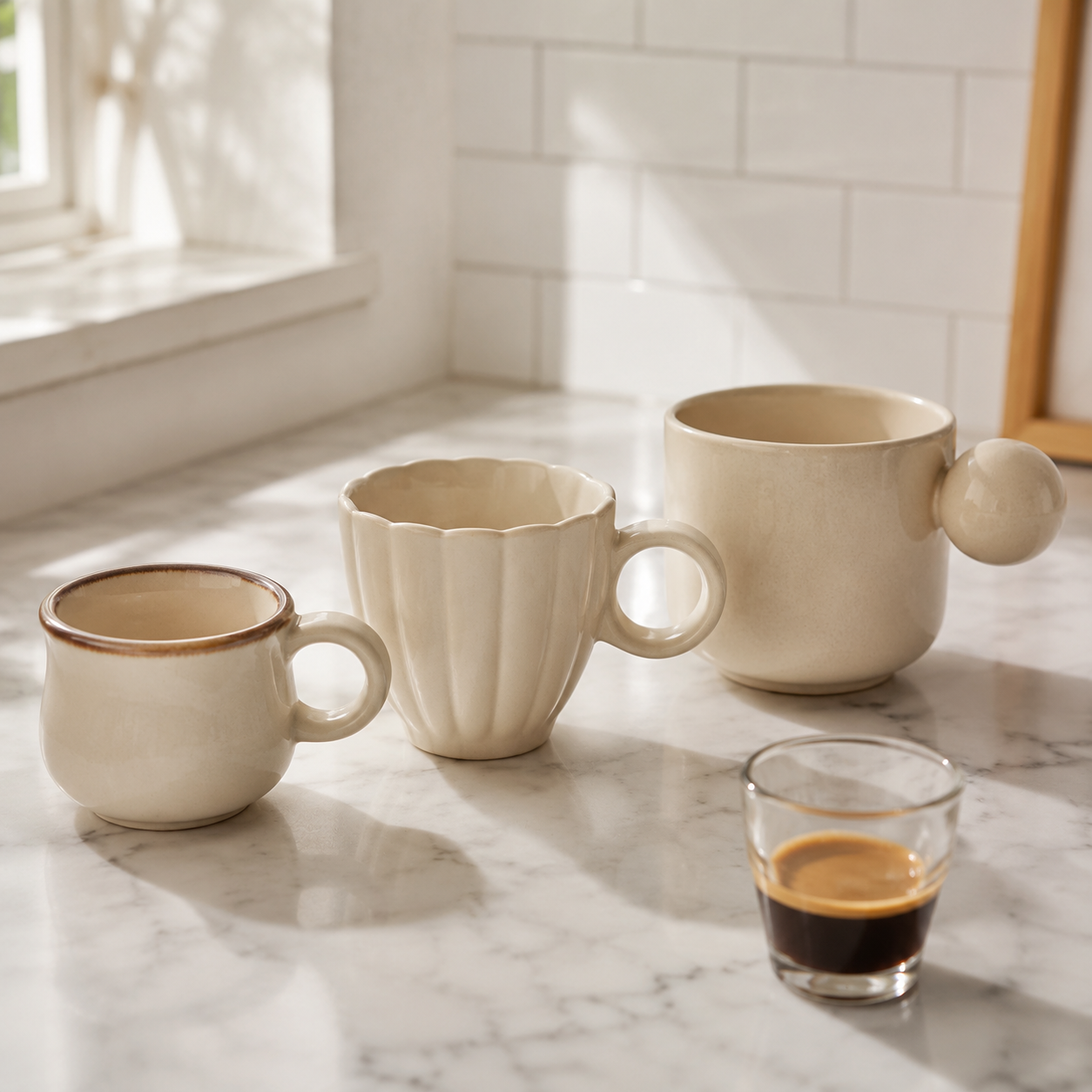
Ceramic Espresso Cup Buying Guide: Capacity, Size, and Honest Fit
Compare 170 ml, 200 ml, and 250 ml ceramic cups by serving size, machine clearance, grip, care, and real-world fit. This guide also explains why all three are larger than a traditional single-shot ...
Leer más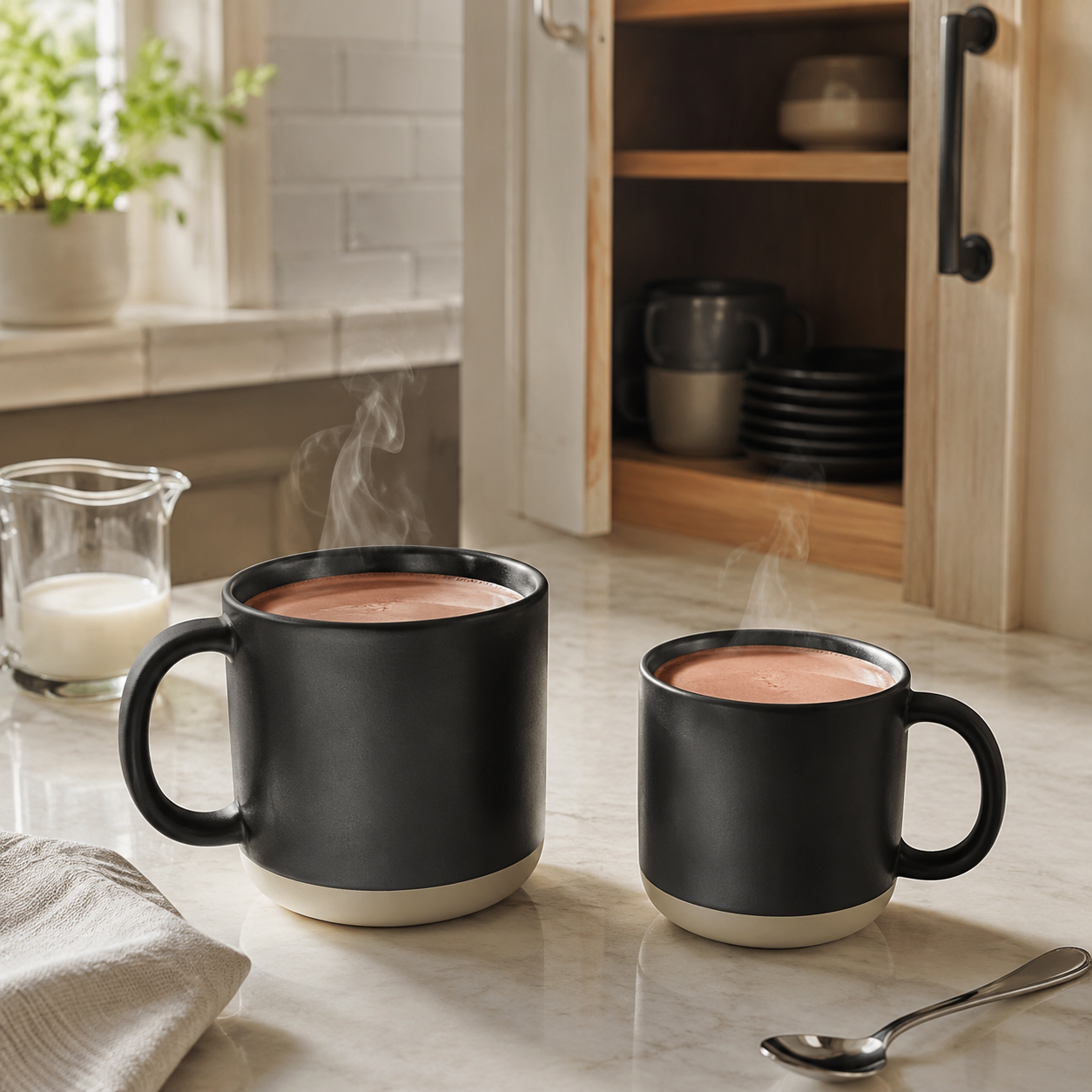
Hot Cocoa Mug Buying Guide: Capacity, Handle, and Everyday Fit
Compare 400 ml and 480 ml cocoa mugs by usable capacity, handle comfort, storage fit, care needs, and real-life serving habits before choosing a CoffeifyMug design.
Leer más
Dejar un comentario
Este sitio está protegido por hCaptcha y se aplican la Política de privacidad de hCaptcha y los Términos del servicio.