
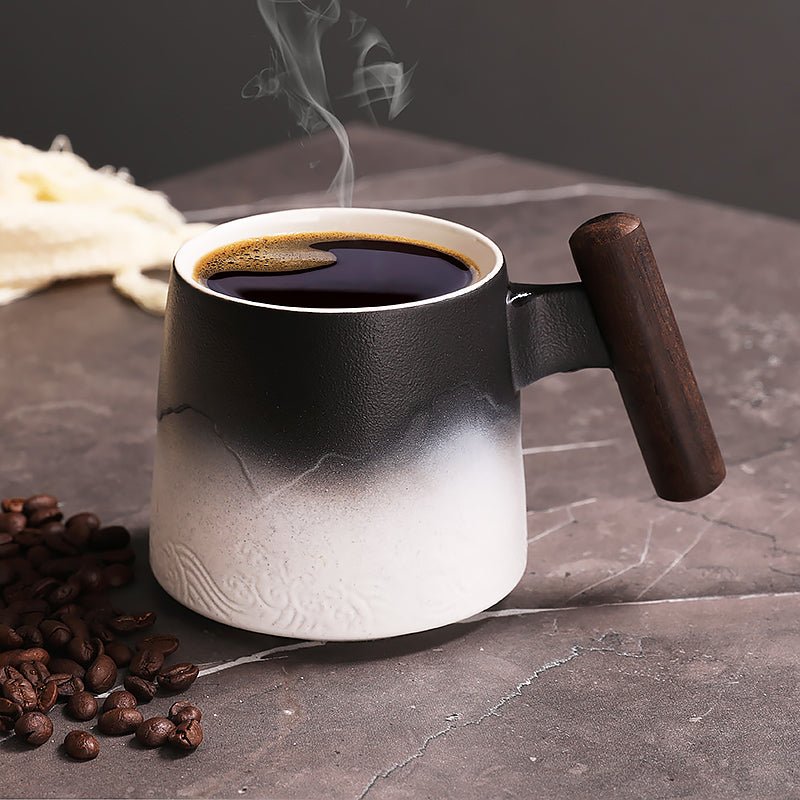
Camping Cup Buying Guide: Materials, Sizes, and Real Trade-Offs
Reading time: about 9 minutes
A camp mug that feels fine on a kitchen shelf can be annoying at a trail table. Too small, and your coffee is gone in three sips. Too thin, and it gets hot enough to handle carefully. Too bulky, and it disappears into the bottom of a backpack.
That is usually where the buying decision gets real. Our team sees customers comparing a camping cup for weekend trips, office use, and car coffee, and the right choice depends on more than just how it looks. Material, shape, lid fit, and cleanup matter once you actually use it around a camp stove or a picnic bench.
If you are still comparing general cup styles, our full collection is a good place to see what fits your routine. For a broader capacity reference, our 700ml Cup Buying Guide: Size, Materials, and Daily Use is useful if you are deciding between a lighter camp cup and a larger daily mug.
What should a camping cup actually do well?
A camping cup should be easy to pack, comfortable to hold, and simple to clean. That sounds basic, but those three things separate a cup that gets used from one that gets left in the cabinet.
In our experience, buyers usually want one of three things:
- Light weight for backpacking or day hikes.
- Heat handling for hot coffee or tea without burning fingers.
- Stable shape that sits well on uneven tables, tailgates, or a camp stove side shelf.
A good camping cup also needs to survive real use. We mean being tossed into a tote bag, washed after smoky fireside coffee, and used with both hot and cold drinks. If a cup only works for one perfect scenario, it is usually not the right buy for outdoor use.
Which material is best for a camping cup?
Material changes almost everything: weight, durability, taste, and how hot the cup feels in the hand. We usually narrow it down by use case rather than by trend.
| Material | Best for | Trade-off |
|---|---|---|
| Stainless steel | Rough use, travel, and outdoor durability | Can transfer heat quickly unless insulated or double-walled |
| Ceramic | Home, cabin use, and stable sipping | Heavier and more breakable in a packed bag |
| Enamel-coated steel | Classic camp style and simple cleaning | Can chip if it is knocked against hard gear |
| Plastic or resin | Light carry and casual outdoor use | Usually less heat retention and less premium feel |
Stainless steel is the most forgiving for real outdoor handling. If you set it down on a rough picnic bench or pack it next to a metal bottle, it usually holds up well. The trade-off is heat. A single-wall steel cup can get hot fast with freshly brewed coffee.
Ceramic gives the most familiar coffee experience, but it is not our first pick for backpacking. It is better for a patio, cabin, or campsite table where breakage is less likely. If ceramic is what you prefer, our Coffee Cup Mug Ceramic: What Buyers Should Check Before They Buy covers the checks we look for before recommending a piece.
Enamel-coated steel sits between the two. It feels outdoorsy, cleans easily, and works well for casual camping. The limitation is that chips and wear marks are part of the category. If you want a cup that looks pristine forever, enamel may frustrate you.
What size camping cup makes sense for coffee, tea, or soup?
Size is where a lot of buyers overshoot. A cup that is too small feels inconvenient. A cup that is too large can be awkward to pack and can cool drinks unevenly if you only fill it halfway.
For most shoppers, these size ranges make the most sense:
- 8 to 10 oz for espresso-style drinks, small coffee portions, or compact pack weight.
- 12 to 16 oz for regular coffee, tea, and a balanced all-purpose camp cup.
- 16 oz and up for longer sips, slow mornings, or soup-like use around camp.
If you only drink a few ounces at a time, a larger cup can feel clumsy. If you like to brew one full mug at sunrise and keep it beside the camp chair, a 12 to 16 oz size is usually the sweet spot. Our Mugs Coffee: How to Choose the Right Cup for Daily Use also helps if your camping cup will double as your weekday mug.
One practical detail we tell shoppers: think about how you pour. If you are using a kettle or French press at camp, a wider cup opening makes pouring easier and reduces spills. Narrow cups can look sleek, but they are less forgiving when your hands are cold.
Is insulation worth it for a camping cup?
Sometimes yes, sometimes no. That depends on how you camp.
A double-walled or insulated cup helps keep coffee warm longer and keeps the outside cooler to hold. It is a strong choice for car camping, base camp setups, and office use where you want a cup that performs indoors and out. It is less useful if your main goal is ultra-light packing and you do not mind rewarming or drinking quickly.
Here is the trade-off we see most often:
- Insulated cups are more comfortable to hold and better for slow sipping.
- Single-wall cups are usually lighter and simpler, but they can get hot and cool down faster.
If you are buying for backpacking, every extra ounce matters more than it does for car camping. If you are buying for a campsite table, comfort usually matters more than weight. That is why one cup rarely fits every use case.
What details separate a good camping cup from a frustrating one?
Small design details matter more outdoors than they do at home. We check these points because they affect daily use, not just product photos.
- Rim shape: A rolled or smooth rim is easier to drink from and feels better on the lip. Thin, sharp rims can be unpleasant with hot drinks.
- Handle clearance: If there is a handle, make sure it leaves enough room for gloved fingers or larger hands. A tiny handle looks neat but can be hard to use.
- Base stability: A wider bottom helps on uneven tables, tailgates, and picnic benches.
- Finish quality: Look for even coating, clean seams, and no rough edges. Those details often show whether a cup will age well.
- Lid compatibility: If you plan to commute with it, check whether the lid seals securely. A loose lid ruins a good cup fast.
Common defect modes we watch for include chipped enamel, wobbly handles, lids that do not sit flush, and stainless cups that dent too easily at the rim. None of those are deal-breakers in every case, but they are worth checking before you buy.
Our store perspective: a camping cup should feel easy on day one and still be useful after the third wash, the second road trip, and one accidental bump against a camp chair.
How do you clean and care for a camping cup?
Care depends on the material, but the basic rule is simple: clean it promptly and dry it well. Coffee residue and tea stains are easier to remove before they sit overnight in a bag or sink.
For most buyers, this is the realistic care routine:
- Rinse after use, especially if the cup held coffee with milk or sweeteners.
- Wash with mild dish soap and a soft sponge.
- Dry fully before packing it away.
- Check the rim, handle, and base for chips, dents, or residue buildup.
Dishwasher safety depends on the material and finish. Ceramic often handles dishwashing well if the glaze is durable, while some printed coatings and enamel pieces benefit from hand washing to preserve the look. Stainless steel is usually easy to clean, but insulation and special coatings can change care needs. If a product page gives specific instructions, follow those first.
One thing we tell customers plainly: if you want a cup for campfire soot, packed gear, and zero-fuss cleaning, choose a design with fewer seams and simpler construction. Fancy shapes can collect grime in corners.
Which camping cup suits your use case best?
The right pick changes depending on how you actually use it. A camping cup for a backpacker is not the same as one for someone who drinks coffee on a porch at a cabin.
- For backpacking: Choose lightweight stainless steel or another durable, packable material. Skip heavy ceramic.
- For car camping: A larger insulated cup is often the most comfortable choice.
- For office-to-outdoors use: Look for a clean, sturdy cup that can move from desk to campsite without feeling out of place.
- For gifting: Pick a design that looks good unboxed and is easy for the recipient to use immediately.
If your use is seasonal and cozy rather than rugged, our Autumn Coffee Mugs: How to Choose the Right Cup for Cozy Season is a helpful companion read. A lot of customers discover they want one mug for the trail and another for the colder months at home.
We also see gift buyers gravitating toward cups that are easy to understand at a glance. No complicated lids. No niche cleaning routine. Just a simple, good-looking cup that works.
What is a camping cup not good for?
Honest answer: not every camping cup is meant for every situation. A lightweight single-wall cup is not ideal for sipping hot coffee slowly in winter. A ceramic cup is not ideal for rough backpacking. A decorative mug with a delicate finish is not ideal for being packed alongside cookware.
If you want maximum heat retention for long drives or commuting, a travel tumbler may suit you better than a classic camping cup. If you want a display piece for a cabin shelf, ceramic may be the better route. If you want one cup to survive bad treatment and still feel comfortable in the hand, stainless steel or a simple camp-style design is usually the safer buy.
That is the real trade-off. A camping cup is usually better at being flexible and durable than being luxurious. That is exactly why people keep buying them.
Frequently asked questions
What size camping cup is best for coffee?
For most people, 12 to 16 oz is the most practical range. It gives you enough room for a standard coffee without feeling oversized on a camp table. If you drink smaller portions or want a lighter pack, 8 to 10 oz can work better.
Is stainless steel or ceramic better for a camping cup?
Stainless steel is better for durability, packing, and rough outdoor use. Ceramic is better if you care more about the drinking feel and will use the cup in a safer setting like a cabin or patio. For actual trail use, we usually lean stainless steel.
Can I put a camping cup in the dishwasher?
Sometimes, yes, but it depends on the material and finish. Plain stainless steel and many ceramic cups handle dishwashing well, while enamel and printed finishes may last longer with hand washing. Check the care instructions for the specific cup before buying.
Do I need an insulated camping cup?
Only if you want drinks to stay warm longer or want the outside to feel cooler in your hand. Insulated cups are great for slow mornings and car camping. If you want the lightest possible option, a single-wall cup is usually simpler.
What makes a camping cup good for backpacking?
Low weight, compact shape, and durability matter most. Backpackers usually prefer stainless steel or another lightweight material and skip heavy ceramic or bulky handles. A cup that packs easily and does not dent at the rim is a better buy for that use.
If you want to compare styles side by side, start with our full collection and look for the material, size, and care routine that match your routine. The best camping cup is the one you will actually pack, wash, and use again.
Read more
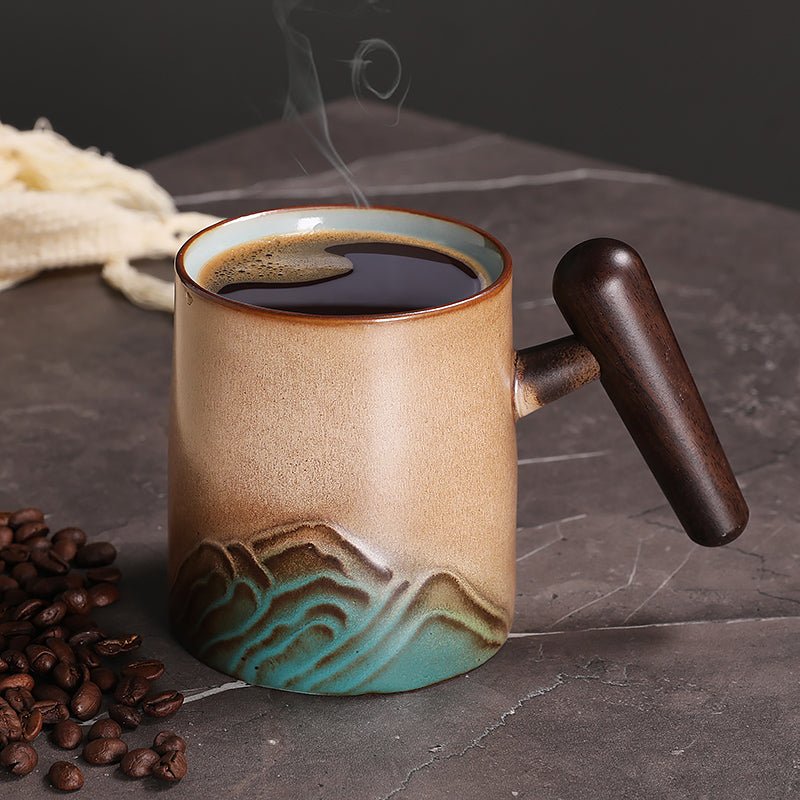
Big Mug Buying Guide: Sizes, Materials, and Daily Use Trade-Offs
A practical guide to choosing a big mug for coffee, tea, desk use, or gifting. We break down size, shape, material, and care so you can buy the right one the first time.
Leer más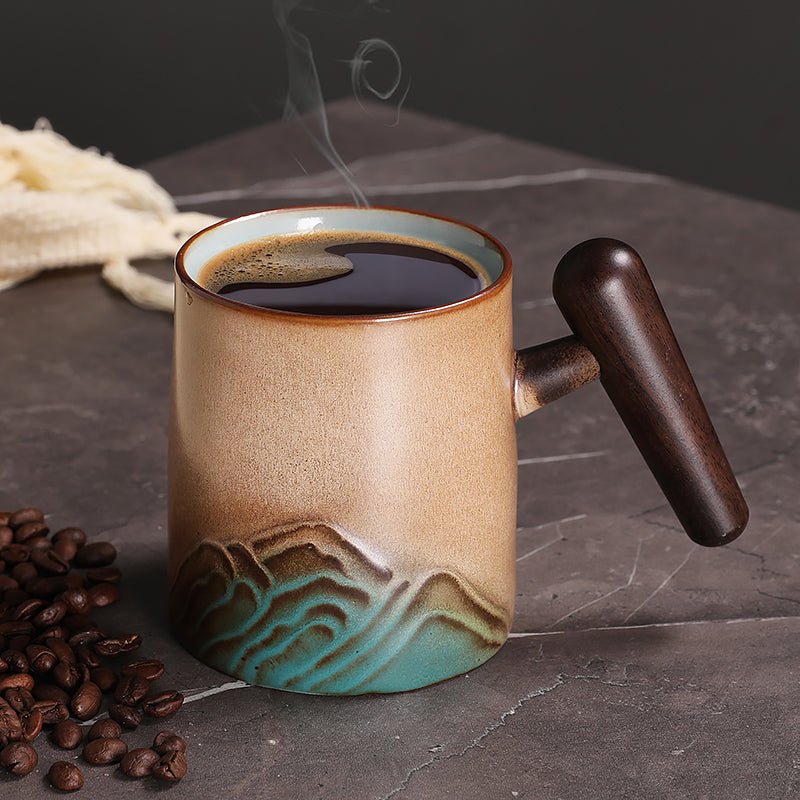
Large Coffee Cup Buying Guide: What to Check Before You Buy
A large coffee cup needs to feel comfortable in the hand, fit your machine or routine, and survive daily washing without becoming awkward to use. This guide breaks down the trade-offs so you can ch...
Leer más
Dejar un comentario
Este sitio está protegido por hCaptcha y se aplican la Política de privacidad de hCaptcha y los Términos del servicio.