
Cacao Cup Shape and Handle Guide: 250, 390, or 400 ml
Reading time: about 10 minutes
Set a 250 ml cup beside a 400 ml cup on a kitchen counter and the decision becomes more concrete. One gives you a lower capacity and a distinctive grip; the other allows 150 ml more nominal volume and presents the drink through a different opening. This cacao cup shape and handle guide compares those practical differences without treating capacity as a recommended fill line or making unsupported claims about heat retention, tradition, or performance.
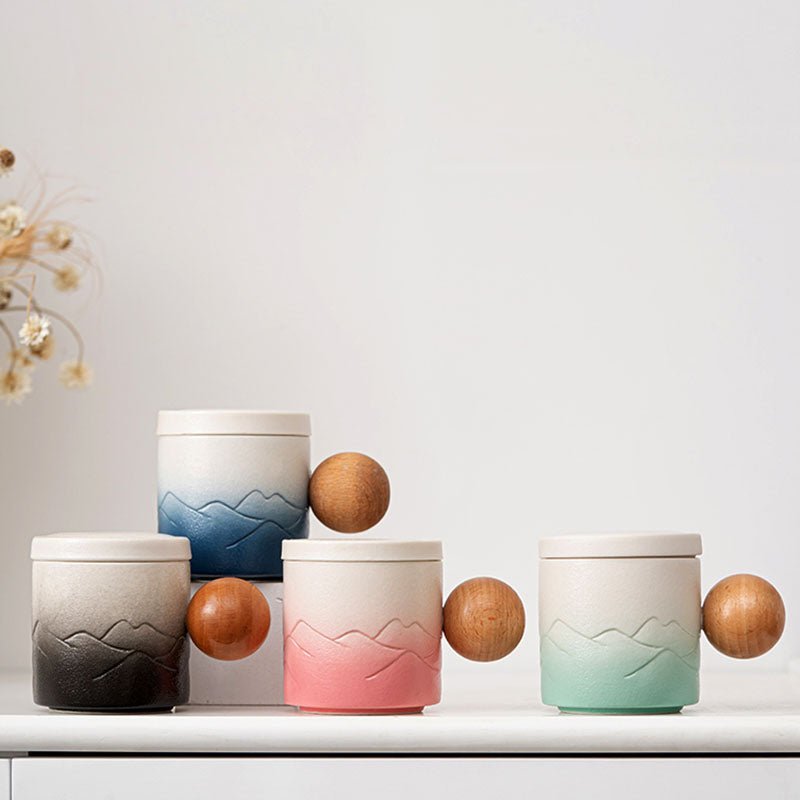
Our current comparison includes the Ball Handled Coffee & Tea Mug at 250 ml, the Round Coffee & Tea Mug at 390 ml, and the Spittoon Coffee & Tea Mug at 400 ml. They are everyday drinkware options that can be considered for cacao, coffee, or tea. They are not presented here as traditional, ritual, certified, or purpose-built cacao vessels. You can also compare their styling with the wider unique coffee mug collection.
Cacao cup shape and handle guide: 250, 390, and 400 ml
The useful starting facts are capacity, the one listed diameter available for this comparison, and the visible shape cues. Capacity tells you how much each vessel is listed to hold. It does not establish external size, comfortable serving volume, handle clearance, or the amount of space the cup will occupy in a cabinet.
| Current option | Listed capacity | Confirmed dimension | Visible buying cue |
|---|---|---|---|
| Ball Handle | 250 ml | 11.2 cm listed diameter | Ball-style handle and the lowest capacity of the three |
| Round | 390 ml | No additional dimension confirmed for this comparison | Rounded visual profile with 140 ml more capacity than the Ball Handle |
| Spittoon | 400 ml | No additional dimension confirmed for this comparison | Spittoon-inspired shape and the highest listed capacity |
The 11.2 cm figure should be read as a listed diameter, not automatically as the mouth width or total handle-to-edge footprint. Unless a current dimension diagram identifies the measurement endpoints, confirm them before buying for a tightly spaced shelf, coaster, or dishwasher rack.
What changes between 250 ml, 390 ml, and 400 ml?
The meaningful capacity jump is between 250 ml and the two larger options. The Round and Spittoon cups are separated by only 10 ml, so shape, opening, and grip are likely to be more useful tie-breakers than capacity alone.
- 250 ml Ball Handle: Consider this if your measured cacao serving stays comfortably below 250 ml and you prefer a more compact nominal capacity. It provides 140 ml less listed volume than the Round and 150 ml less than the Spittoon.
- 390 ml Round: This gives additional room for a larger measured drink or ingredients that take up volume. That extra capacity does not guarantee spill-free headroom; your actual pour still needs to sit below the rim.
- 400 ml Spittoon: This has the largest listed capacity, but only by 10 ml over the Round. Choose it for its capacity combined with its visible profile, not because 10 ml alone will transform the serving.
Catalog capacity is a ceiling, not a target fill level. A cacao drink carried from the kitchen to a desk needs enough empty space for normal hand movement, especially if it has been stirred or topped. Ice also displaces liquid, so a 390 or 400 ml vessel will not hold that full amount of drink after ice is added.
If 250 ml is close to your preferred size, our flat white cup comparison covering 200, 250, and 270 ml provides another capacity reference without assuming that coffee and cacao servings must be identical.
Does a ball handle suit the way you lift a cup?
A ball handle changes where the hand meets the cup. Unlike a familiar loop that may accept several fingers, the visible ball form is held from the outside. Some shoppers value that sculptural detail; others need the predictable clearance of a conventional loop. We would not recommend selecting it from appearance alone if grip dimensions are a firm requirement.
- Think about finger placement: Compare the product photos with the grip you use most often. A person who habitually puts multiple fingers through a handle may find a ball form less familiar.
- Check clearance from the cup body: Capacity does not reveal how much space the handle provides or how close the fingers sit to the vessel.
- Inspect the attachment point: During gift unboxing or first inspection, look for chips, hairline cracks, or movement where the handle meets the body. Do not use a visibly damaged cup for a hot drink.
- Try it empty first: After delivery, make the first grip check with the cup cool and empty. This lets you assess balance and finger position without a hot liquid involved.
A handle also does not prove that the vessel or grip will remain cool. Temperature behavior depends on factors not established by the shape name alone, including material, wall construction, drink temperature, and how long the drink has been standing.
How does the visible opening affect desk and table use?
The opening is the part shoppers often overlook because a front-facing product image emphasizes the outer silhouette. From above, it affects how much of the cacao surface is visible, the angle available for a spoon, and how close the liquid appears to the rim during carrying.
- At a kitchen counter: A visibly open form can provide a clear view while stirring, but you still need headroom below the rim. Shape alone does not make mixing cleaner.
- At an office desk: Check the widest external measurement and handle direction against your coaster, keyboard, and nearby papers. A cup can have adequate capacity while occupying more lateral space than expected.
- On a cabinet shelf: Body diameter and handle projection both matter. The 11.2 cm listed diameter on the Ball Handle should not be treated as the complete storage footprint unless the listing confirms that it includes the handle.
- For presentation: A more visible cacao surface may suit toppings or a simple served-at-the-table look. That is a visual preference, not evidence of better flavor or temperature retention.
None of these three listings should be assumed to accept a lid. If your main use is commuting, carrying a drink between buildings, or placing it in a vehicle cup holder, a travel mug with confirmed lid and base dimensions is a better match. For another look at how openings and handles relate to larger everyday servings, see our Americano cup shape and handle comparison.
Which current cup fits your serving routine?
We map these options to real situations by starting with the measured serving and the way the cup will be handled. The product name comes second.
A measured cacao serving below 250 ml
If your usual recipe fits below 250 ml with comfortable space left at the top, the 250 ml Ball Handle cup is the focused option. It fits the situation because it has the lowest listed capacity and a distinctive external grip. Skip it if you need a large multi-finger loop, regularly make servings near 250 ml, or cannot confirm that its listed 11.2 cm diameter fits your storage space.
A larger drink with a rounded visual profile
For a shopper who wants substantially more capacity than 250 ml and prefers the Round cup's visible shape, the 390 ml Round cup is the relevant next comparison. Its 140 ml increase over the Ball Handle is concrete. It is not automatically the better choice for small servings, and the capacity figure alone says nothing about handle comfort or cabinet fit.
The largest listed option and a distinctive opening
If 400 ml is the desired upper capacity and the spittoon-inspired silhouette is the part you prefer, review the 400 ml Spittoon cup. The name describes the styling of this everyday mug; it does not make the product a ritual or traditional cacao vessel. Buyers deciding between it and the 390 ml Round should focus on the visible opening and overall form because the nominal capacity difference is only 10 ml.
A different cup may be the better purchase
Choose another style if you need a locking lid, a confirmed vehicle cup-holder fit, a stackable body, a matching saucer, or a specifically documented material and care method. Those are functional requirements that these three capacity figures cannot settle. The broader unique mug collection is the practical next stop when shape or handle requirements rule out all three.
What should you verify about dimensions, material, and care?
In our store, we treat the live product details and supplied care information as the authority for material and cleaning questions. A glossy product photo does not by itself confirm ceramic composition, glaze type, microwave compatibility, or dishwasher safety. Verify those details on the current listing or product packaging rather than inferring them from the silhouette.
- Confirm every relevant measurement. Check rim width, widest body diameter, base width, height, and total handle-to-edge span when those dimensions affect a shelf, coaster, or dishwasher rack. The confirmed figure used in this comparison is the Ball Handle's listed 11.2 cm diameter.
- Separate dishwasher fit from dishwasher safety. A cup may physically fit between rack tines without being approved for a dishwasher cycle. Do not wedge a ball handle or wide body into the rack, and follow the current care instructions.
- Use conservative care if instructions are unclear. Hand wash until dishwasher compatibility is confirmed. Avoid abrasive pads unless the stated finish permits them, since abrasive cleaning can mark some glazed or decorated surfaces.
- Inspect after delivery. On a flat, dry counter, check the rim, base, body, and handle joints for chips, cracks, movement, or pronounced wobble. Contact the store before use if the cup arrives damaged.
Cacao residue is easier to address before it dries. Rinse the cup after use, then clean it by the method approved for its stated material and finish. This is more reliable than assuming every mug-shaped item tolerates the same detergent, microwave use, or repeated dishwasher cycles.
A short checklist before opening the product pages
- Measure your normal finished cacao serving in milliliters.
- Add the headroom you prefer for carrying and stirring.
- Decide whether 250 ml is enough or if the 390 to 400 ml range is more realistic.
- Mark an 11.2 cm circle on paper if the Ball Handle's listed diameter may affect your counter or shelf.
- Choose between a ball-style grip and the handle forms visible on the other product pages.
- Compare the openings from above, not only the front silhouettes.
- Verify material, dimensions, microwave guidance, and cleaning instructions on the live listing.
- Move to travel drinkware instead if a sealed lid or cup-holder fit is essential.
That sequence keeps the decision tied to facts you can use: serving volume, physical fit, visible shape, and documented care.
Frequently asked questions
What does this cacao cup shape and handle guide compare?
This cacao cup shape and handle guide compares the current 250 ml Ball Handle, 390 ml Round, and 400 ml Spittoon options. It uses listed capacity, the Ball Handle's 11.2 cm listed diameter, visible openings, and handle form. It does not claim that any option is traditional, ceremonial, certified, or purpose-built for cacao.
Is 390 ml meaningfully smaller than 400 ml?
The listed difference is 10 ml, while both are at least 140 ml larger than the 250 ml option. For most purchase comparisons, the Round and Spittoon shapes, openings, and handle details give you more to distinguish than that small capacity gap.
Does the Ball Handle cup have an 11.2 cm mouth opening?
Do not assume that from the capacity table alone. The confirmed fact is a listed 11.2 cm diameter, but a diameter can refer to different endpoints depending on the product diagram. Check the current listing before treating it as the rim width or full handle-to-edge measurement.
Can these cups go through a dishwasher cycle?
Shape and capacity do not establish dishwasher safety. Follow the care details on the current product page or packaging; if dishwasher compatibility is not stated clearly, hand washing is the conservative choice. Also confirm that the body and handle fit the rack without being forced against the tines.
Where can I compare the current cacao cup options?
Start with your measured serving, then open the 250, 390, and 400 ml product pages to compare their current photos and specifications. If none meets your grip, storage, or care requirements, continue through CoffeifyMug's current unique coffee mug collection and keep the same checklist beside you.
More from our blog
Read more
Dandelion Coffee Mug for Small Coffee Setup: What to Compare
Compare CoffeifyMug's 400 ml Gradient and Flow with the 480 ml Rock using shelf clearance, counter footprint, handle fit, and care checks. See where capacity helps and where current product details...
Leer más
Your ceramic sculptural mug shape and handle guide: 3 current options
Compare The Flow 400 ml, Ball Handle 250 ml, and Handbag 310 ml by three-dimensional silhouette, handle form, capacity, space needs, and care checks. Includes practical fit and gifting trade-offs.
Leer más
Dejar un comentario
Este sitio está protegido por hCaptcha y se aplican la Política de privacidad de hCaptcha y los Términos del servicio.