
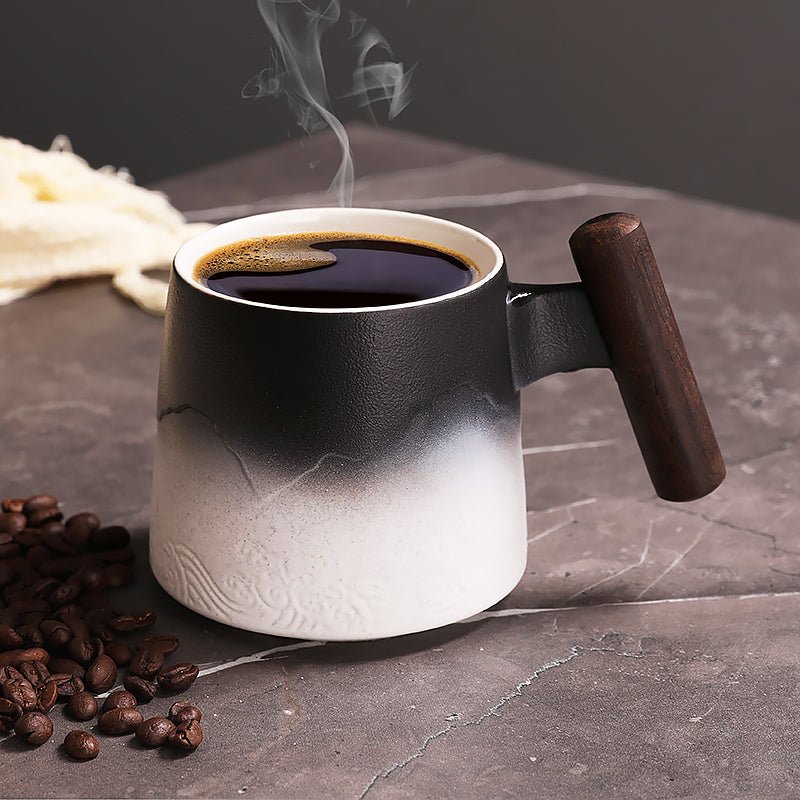
Branded Coffee Mugs: How to Choose the Right Style, Size, and Finish
Reading time: about 9 minutes
A mug can look polished on a product page and still feel wrong on a desk if the handle pinches, the base rocks, or the logo starts to look tired after a few dishwasher cycles. That is the gap buyers run into with branded coffee mugs, and it is why we look at more than the print when we choose what belongs in our store.
In our experience, the best mug is the one that disappears into the routine. It holds the right amount of coffee, fits a normal grip, and survives kitchen-counter use without feeling fragile. If a mug is meant for office desks, client gifts, or everyday home brewing, those details matter more than a glossy photo.
What should you check before buying branded coffee mugs?
We usually start with the parts people touch every day. A branded mug can have a clean logo and still disappoint if the handle is too narrow, the rim feels sharp, or the bottom rings loudly on a table. That is the kind of thing shoppers notice only after the box is open.
These are the checks we use before we recommend a mug:
- Handle clearance: Make sure two to three fingers fit comfortably. A handle that is too tight is the fastest way to make a mug feel cheap.
- Rim shape: A thinner, smooth rim drinks better. A thick or uneven rim can feel clumsy, especially on smaller cups.
- Base stability: A flat foot keeps the mug from wobbling on a desk or coffee station.
- Finish quality: Look for even glazing, clean edges, and no pinholes where coffee residue can collect.
- Decoration placement: The logo should sit where it is visible but not where your hand constantly rubs it.
We also pay attention to common defect modes. Hairline cracks around the handle joint, rough foot rings, and small glaze bubbles near the rim are all signs to inspect closely before you buy. They may not matter on day one, but they tend to show up later as chips, stains, or awkward wear.
If you want a simple browse point, start with our products page and the full collection. That is usually the fastest way to compare styles before narrowing down the size and finish.
Which size fits the way people actually drink coffee?
Size is the first thing many shoppers underestimate. A mug that looks perfect in a listing can be too small for a long office pour or too large for a quick espresso-based drink. We usually think in use cases first, then volume.
| Size | Best for | Main trade-off | What to check |
|---|---|---|---|
| 8 oz | Espresso drinks, cortados, small servings | Less room for milk or foam | Comfortable grip and a balanced base |
| 12 oz | Standard drip coffee and everyday desk use | May feel small for people who refill less often | Rim comfort and handle clearance |
| 16 oz | Larger pours, lattes, longer work sessions | Heavier when full | Weight in the hand and whether it still feels balanced |
| 20 oz | Big coffee servings and people who sip slowly | Bulky and slower to cool | Overall width, cabinet fit, and desk footprint |
For buyers comparing smaller mug formats, our guides on 8 oz Coffee Mugs: Size, Material, and Fit Guide and 12 oz Coffee Mugs: What to Check Before You Buy are a useful starting point. If your customers or team drink more volume, compare that with 16 oz Coffee Mugs: What to Check Before You Buy and 20 Ounce Coffee Mugs: What Buyers Should Check Before Ordering.
Our practical rule is simple: smaller mugs feel more refined, larger mugs feel more forgiving. The right choice depends on whether the mug is meant for espresso, a morning drip refill, or a desk session that lasts until lunch.
Which materials and finishes hold up best?
Most branded coffee mugs are some form of ceramic, stoneware, or porcelain, and each one behaves a little differently. The best choice depends on where the mug will live and how much abuse it will take.
- Ceramic: A common all-around choice. It usually feels familiar in the hand and works well for everyday desk use, but it can chip at the rim if it is stacked carelessly.
- Stoneware: Often a little heavier and more substantial. It suits buyers who want a sturdy feel, though that extra weight is not ideal for people who dislike a heavy mug.
- Porcelain: Cleaner-looking and often a bit lighter. It can feel more refined, but that lighter profile can also make it feel less rugged in a busy kitchen.
Finish matters just as much as material. A glossy glaze usually wipes clean more easily, while a matte exterior can look upscale but may show marks faster if it is handled constantly. If a branded mug has a metallic accent, foil detail, or specialty print, it may also be less forgiving in the microwave.
We look for a few concrete details when judging finish quality: even glaze coverage inside the cup, a smooth foot ring that will not scratch shelves, and branding that sits cleanly on the surface instead of looking like an afterthought. A printed logo should still make sense when the mug is sitting empty on a kitchen counter at 7 a.m., not only in a staged photo.
For shoppers who want to compare the current range rather than just read about it, our collection and products pages are the best place to see what is available right now.
How should branded coffee mugs be cared for?
Care is where a good mug either keeps its look or starts to age early. We have seen plenty of mugs that looked solid on day one but lost their appeal because of repeated dishwasher cycles, rough stacking, or a finish that was never meant for heavy use.
These are the habits we recommend for most decorative mugs:
- Check the care note before the first wash. If the mug has metallic decoration or a specialty finish, hand washing is usually the safer choice.
- Use a gentle sponge. Abrasive pads can dull printed areas and scratch glossy glaze over time.
- Avoid harsh temperature swings. Moving a mug from very cold storage to boiling liquid can stress the glaze and increase the chance of hairline cracks.
- Do not stack rim-to-rim if the glaze is thin. That is a common way to chip the edge without noticing right away.
- Inspect the foot ring and handle regularly. Small chips there often turn into bigger problems later.
One trade-off that matters: branded mugs are not the best choice if the drinker needs something to travel in a car cup holder or a bag. For that use case, a travel tumbler is the better buy. A standard mug is built for a desk, table, or kitchen counter, not a commute.
We also tell buyers not to assume every printed mug is microwave-safe. The decoration method matters. A fired-on or well-applied print is different from a finish with metallic accents or specialty ink, so it is worth checking before buying for office use.
Where do branded mugs work best in a gift or retail assortment?
Branded mugs work best when the buyer wants something useful, visible, and easy to understand at a glance. They are a strong fit for office welcome kits, client gifts, employee appreciation boxes, and retail shelves where the shopper wants a practical purchase rather than a novelty item.
They are less useful when the goal is portability or insulation. If the main need is keeping coffee hot for hours during a commute, a travel mug makes more sense. If the goal is a light, elegant cup for espresso service, a smaller ceramic piece may be the better choice. That is the trade-off we always want buyers to see before they order.
From a merchandising perspective, we have found that the best branded coffee mugs do three things well:
- They read clearly from a short distance. The branding should be visible without covering the entire mug.
- They feel balanced empty and full. A mug that tips awkwardly on a desk gets noticed for the wrong reason.
- They look good outside the gift box. Once the packaging is gone, the mug still has to earn its place on a kitchen shelf.
If you are comparing options for a specific audience, size guides help a lot. A person who drinks one small cup in the morning may prefer a compact mug, while an office buyer usually needs something closer to the middle of the range. That is why we keep linking size-focused articles like 16 oz Coffee Mugs: What to Check Before You Buy and A buyer's guide to large capacity coffee mugs when shoppers are still deciding.
Frequently asked questions
Are branded coffee mugs dishwasher safe?
Many ceramic mugs are dishwasher safe, but the decoration matters more than the material alone. If the mug has metallic accents, specialty inks, or a fragile finish, hand washing is the safer choice. We always tell buyers to check the care guidance before assuming it can handle repeated heat cycles.
What size is best for branded coffee mugs in an office?
For most office setups, 12 oz or 16 oz is the practical range. A 12 oz mug suits standard drip coffee and tea, while 16 oz works better for people who top up less often or add milk. If the mug has to sit on a crowded desk, the footprint matters as much as the volume.
What material looks best for branded coffee mugs?
For a clean, giftable look, ceramic and porcelain are the most familiar choices. Ceramic feels sturdy and everyday, while porcelain can look a little more refined. Stoneware is a good option when you want more visual weight, but it is usually heavier in the hand.
Do branded coffee mugs make good gifts?
Yes, if the recipient drinks coffee or tea regularly and the mug is sized well. They work especially well for office gifting, onboarding, and thank-you packages because they are practical and easy to use immediately. They are not the best gift for someone who only drinks on the go, since a travel tumbler would fit that routine better.
What should I avoid if I want the branding to last?
Avoid assuming every finish is equal. Repeated abrasive washing, thermal shock, and cheap-looking surface decoration can shorten the life of the mug’s appearance. If the branding is metallic or very delicate, it usually deserves gentler care than a plain glazed cup.
If you are ready to compare real options, start with the current collection, then use the size guides above to narrow the fit before you buy. That is the fastest way to choose branded coffee mugs that will still feel right after the first week of use, not just on the first unboxing.
More from our blog
Read more
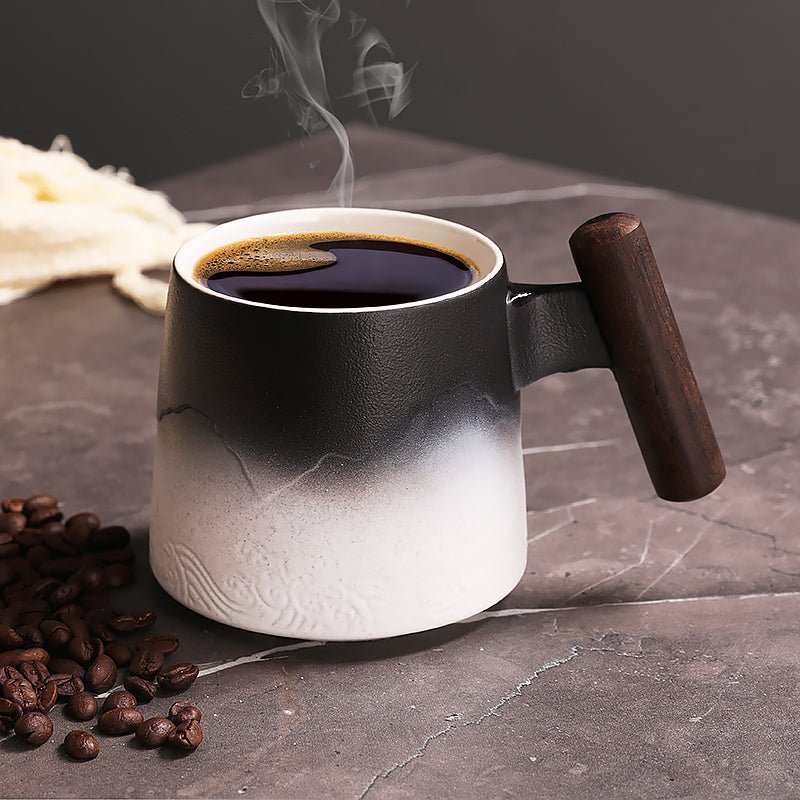
Coffee Mugs 16 oz: Size, Materials, and Fit Guide
Coffee mugs 16 oz hit a practical sweet spot for daily coffee, but the right pick depends on material, handle comfort, and where you actually use it. This guide covers the trade-offs we check befor...
Leer más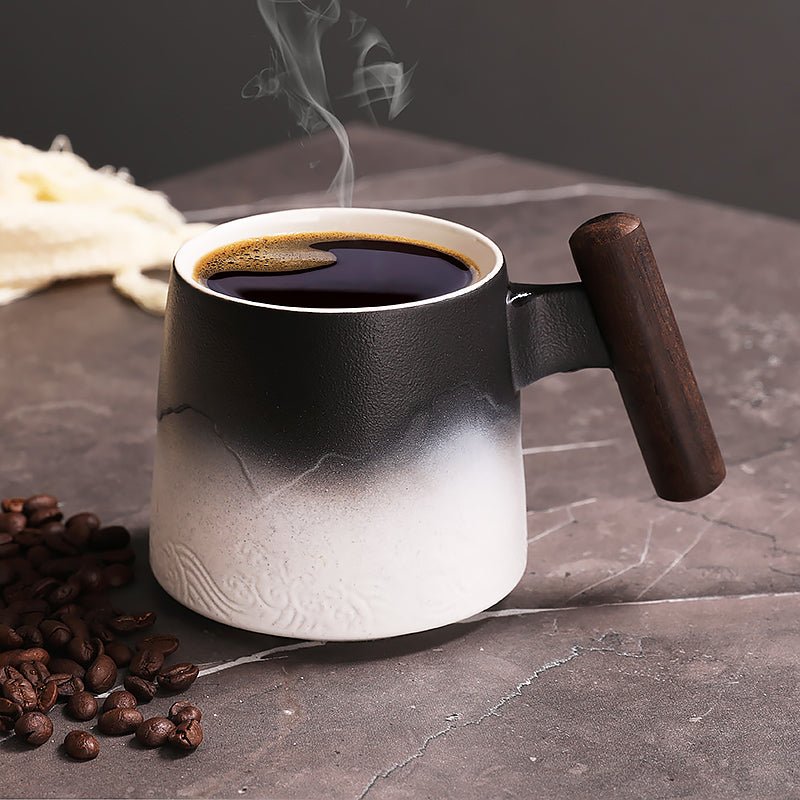
Double Walled Glass Coffee Mugs: What to Check Before You Buy
Double walled glass coffee mugs can make a daily coffee feel cleaner, cooler to hold, and better presented on the counter. This guide shows what we check for in size, build, care, and everyday use ...
Leer más
Dejar un comentario
Este sitio está protegido por hCaptcha y se aplican la Política de privacidad de hCaptcha y los Términos del servicio.