
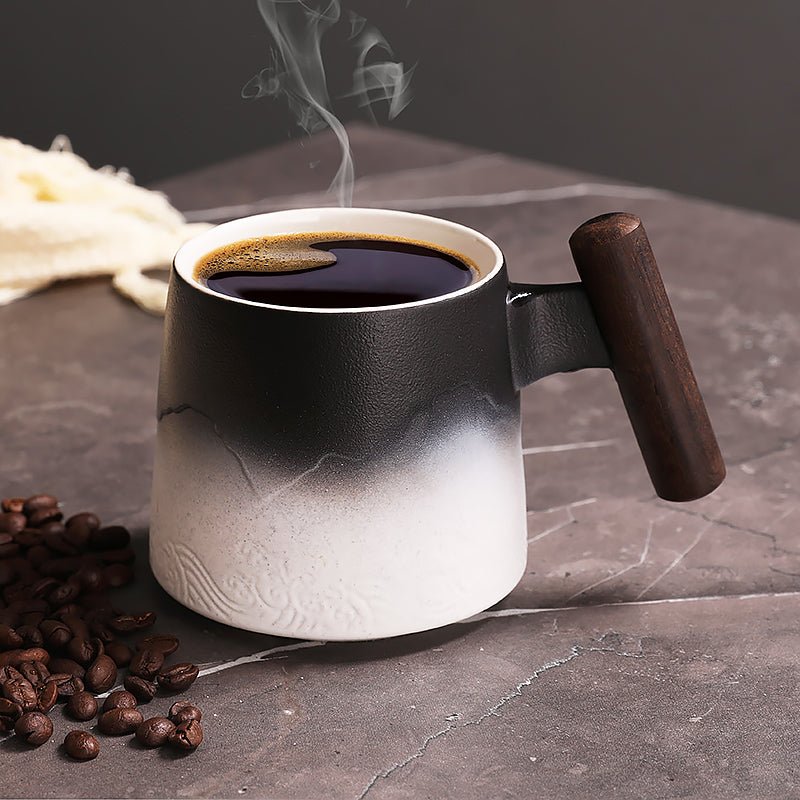
Book Coffee Mug Buying Guide: How to Choose the Right One
Reading time: about 9 minutes
A book coffee mug only works if it feels right on a kitchen counter, a desk, or the side table next to a paperback. If the handle is cramped, the rim feels awkward, or the mug is too heavy for a slow morning read, it gets left behind after the first week.
That is the part shoppers usually miss. We see people compare the print first, but the real decision comes down to fit, comfort, and how the mug behaves after a few dishwasher cycles. In our store, we look at these mugs the way a customer actually uses them: during a quiet reading session, at the office, or as a gift that needs to look good the moment it is unboxed.
If you want to browse what we carry while you read, start with our full collection and compare the styles against your usual mug size. For a practical category overview, our Book Coffee Mug: What to Check Before You Buy guide covers the basics before you narrow down to a specific style.
What should a book coffee mug feel like in your hand?
The best book coffee mug should disappear into the routine. You should be able to grip it comfortably without forcing your fingers through a tight handle, and the mug should feel balanced even when it is full. That matters more than a lot of shoppers expect, especially for people who sip slowly while reading for an hour or more.
We pay attention to three practical details in our experience handling mugs for everyday use:
- Handle clearance: If the opening is too tight, larger hands struggle, and the mug becomes a two-finger hold instead of a stable grip.
- Rim comfort: A smoother lip makes a noticeable difference for hot coffee, tea, and cocoa during longer drinks.
- Weight and balance: A thicker ceramic mug can feel sturdy, but if it is too heavy, it is less pleasant to carry from the counter to a reading chair.
For buyers who already know they want a standard everyday size, our 11 oz Coffee Mug: Size, Fit, and What to Check Before Buying article is a useful side-by-side reference. It helps if you are deciding between a compact mug and something with a little more room for milk or room for a pour-over top-up.
A good mug for readers is not just decorative. It needs to fit the hand, hold heat reasonably well, and survive repeated use without feeling fussy.
Which mug size works best for reading sessions and desk use?
Size changes the whole experience. A smaller mug can keep coffee hot longer, but it may not be enough if you tend to pour a full cup and settle in with a long chapter. A larger mug is practical for office desks and late mornings, but it can feel bulky during a relaxed at-home reading session.
Here is the simple way we help customers think about it:
- Choose a smaller mug if you drink coffee quickly, prefer tea, or like a lighter cup in hand.
- Choose a mid-size mug if you want the most flexible everyday option for coffee, tea, or cocoa.
- Choose a larger mug if you refill less often or usually add milk, foam, or extra hot water.
For buyers comparing capacity more closely, our 12 Ounce Coffee Mug Buying Guide: Size, Fit, and Best Uses and 14 oz Coffee Mug: What Buyers Should Check Before They Buy posts are worth a look. They help you match mug size to your actual pouring habits instead of guessing from a product photo.
For a book coffee mug specifically, the sweet spot is usually the size that feels comfortable in one hand while leaving enough room for your drink. If the mug is too large, it can dominate a reading tray or small desk. If it is too small, you may be making extra trips to the kitchen.
What materials and finishes are worth paying attention to?
Most shoppers shopping for this category will be comparing ceramic mugs, and for good reason. Ceramic is common, holds heat reasonably well, and usually gives the clean printed look people want in a book coffee mug. The finish matters too. A glossy glaze tends to wipe clean easily, while a matte surface can look softer but may show handling marks more quickly.
We also look for a few details that generic listings often leave out:
- Glaze consistency: Uneven glaze can create small rough spots near the rim or inside the handle.
- Print placement: A design that wraps awkwardly around the handle may look fine online but feel cluttered in person.
- Interior finish: A smooth inner surface makes it easier to clean coffee oils and tea staining.
If you want to compare a few different visual styles, our Mountain Sea Coffee Tea Mug, Spittoon Coffee Tea Mug, and Planet Coffee Tea Mug each show a different take on the everyday mug category. They are not all literary-themed, but they are useful if you want to compare shape, style, and how a mug might work on a bookshelf, office desk, or gift table.
One limitation worth calling out: decorative mugs are not always the best choice for heavy-duty travel use. If you need a mug that seals tightly for commuting, this category is usually the wrong fit. A covered travel tumbler is the better buy.
How do you judge quality from photos alone?
We tell shoppers to focus on the details that usually show up in product photos if you zoom in carefully. The mug should look even, not warped. The handle should not appear too thin for the body. And the artwork should be placed cleanly enough that it still looks intentional when the mug is sitting beside a book or laptop.
Here is the quick quality-check list we use before we recommend any mug:
- Check whether the rim looks smooth rather than sharp.
- Look at the handle connection points for symmetry.
- See if the printed design has clean edges and sensible spacing.
- Make sure the mug body looks stable, not too narrow at the base.
- Confirm the mug style matches how you actually drink: coffee, tea, or cocoa.
That last point matters. A mug that looks great in a gift photo may still be wrong for your daily routine. A tall narrow mug can feel elegant, but if you like adding milk or topping off with hot water, the shape may be less convenient than a broader bowl-like mug.
What should you know about care and daily use?
For everyday mugs, care is not glamorous, but it is where long-term satisfaction is won or lost. Most buyers want something that can go from coffee table to sink to dishwasher without becoming a project. We look for ceramic pieces that can handle routine washing and do not feel delicate in normal home use.
These are the practical care habits we recommend for book coffee mug buyers:
- Rinse soon after use, especially after coffee or tea with milk.
- Use a soft sponge if you want the finish to stay cleaner-looking over time.
- Avoid knocking the mug against sink edges, since chips usually start on the rim or handle.
- Dry it fully before putting it away if your cabinet space is tight and stacked.
Trade-off wise, decorative mugs are usually less forgiving than plain utility mugs. A highly printed design can show wear faster if you scrub it aggressively, and a lighter-colored glaze may show tea stains sooner than a darker one. That does not make it a bad buy; it just means the right mug depends on how you use it.
Is a book coffee mug a good gift?
Yes, if you are matching the mug to the person instead of buying the first cute design you see. A book coffee mug works well for readers, teachers, librarians, students, and anyone who keeps a mug beside a stack of paperbacks. It also makes an easy add-on gift because it is useful immediately, not something that needs explanation.
Where people sometimes go wrong is choosing something too niche or too fragile-looking. If the recipient uses the dishwasher daily, or if their desk is already crowded, a large or highly sculpted mug may be more of a display piece than a practical cup. In those cases, a simpler ceramic mug is usually the smarter choice.
For gift shoppers, we suggest thinking about these three questions:
- Will the person actually use it at home or work?
- Do they prefer tea, coffee, or both?
- Do they like a classic mug look, or do they want something more decorative?
That basic filter saves a lot of guesswork.
Which mug should you choose if you want the safest buy?
If you want the safest purchase, choose a mug that balances everyday size, comfortable handling, and a clean design. For many shoppers, that means a mid-size ceramic mug with a straightforward shape and a handle that is easy to grip without squeezing.
We usually point buyers toward this simple decision path:
- Need a daily desk mug? Choose something stable, easy to clean, and not overly large.
- Buying for a reader? Choose a mug that feels pleasant during long sits and does not demand constant refills.
- Buying as a gift? Choose a design that is broad enough to appeal beyond one joke or one trend.
If you want to compare the broader category before making the final pick, our 10 oz Coffee Mug: Size, Fit, and What to Check Before You Buy and 16 Ounce Coffee Mug Buyer’s Guide: Size, Material, and Fit articles are useful bookends. They show the trade-off between compact and oversized mugs so you can decide where your sweet spot sits.
Frequently asked questions
What size book coffee mug is best for reading at home?
For most readers, a mid-size mug is the easiest fit because it is comfortable in one hand and holds enough coffee or tea for a long chapter. If you drink slowly, avoid going too large, since oversized mugs can get heavy and cool faster before you finish.
Are book coffee mugs good for everyday dishwasher use?
Usually, yes, if the mug is standard ceramic and the print is applied cleanly. We still recommend checking care guidance on the product page, because decorative finishes and specialty artwork can be more sensitive than plain utility mugs.
Is a book coffee mug a good gift for teachers or librarians?
Yes, as long as the design feels tasteful and not overly novelty-driven. Teachers and librarians often appreciate something practical that still feels personal, especially if it is a mug they can use at a desk every day.
What is the main downside of a decorative book coffee mug?
The main trade-off is that decoration can add charm without improving function. If the handle is awkward, the mug is too heavy, or the print gets in the way of grip, it may look better than it drinks. That is why shape and comfort matter as much as the theme.
Should I buy one book coffee mug or a matching set?
Buy one if you want a personal mug for reading, work, or gifting. Choose a set only if you know the recipient or household wants matching mugs and has cabinet space for them; otherwise, a single mug is the safer, more flexible choice.
If you are ready to compare styles, start with our full collection, then check the handle feel, size, and finish against your daily routine. That is the fastest way to find a book coffee mug you will actually keep using.
Read more
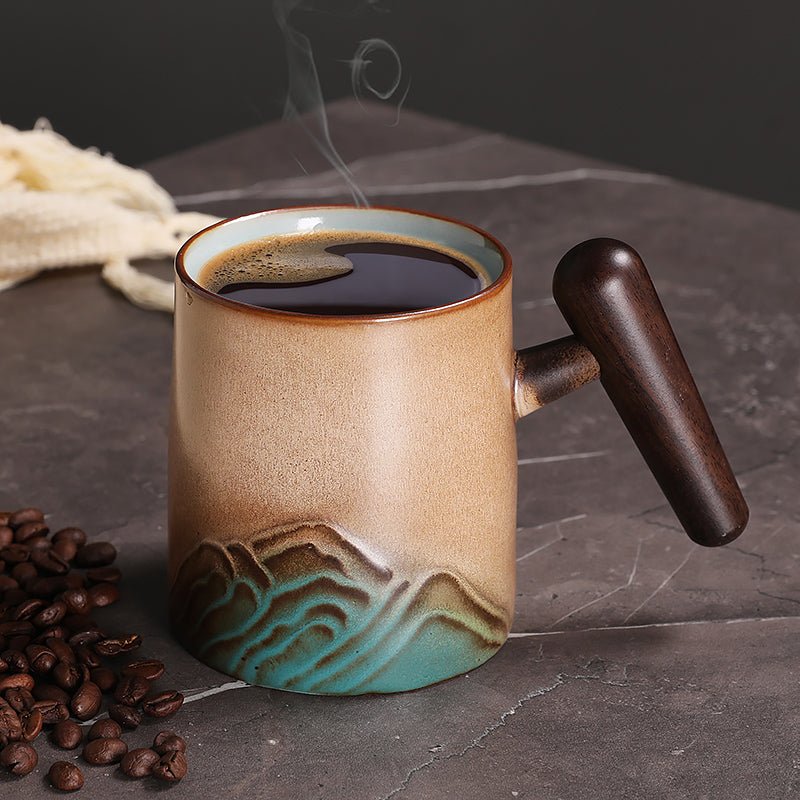
Coffee Mug Tree Buying Guide: How to Choose the Right One
A coffee mug tree keeps everyday mugs visible, accessible, and off the counter, but only if the stand, hook spacing, and mug shapes work together. Here’s how we help shoppers choose one that fits r...
Leer más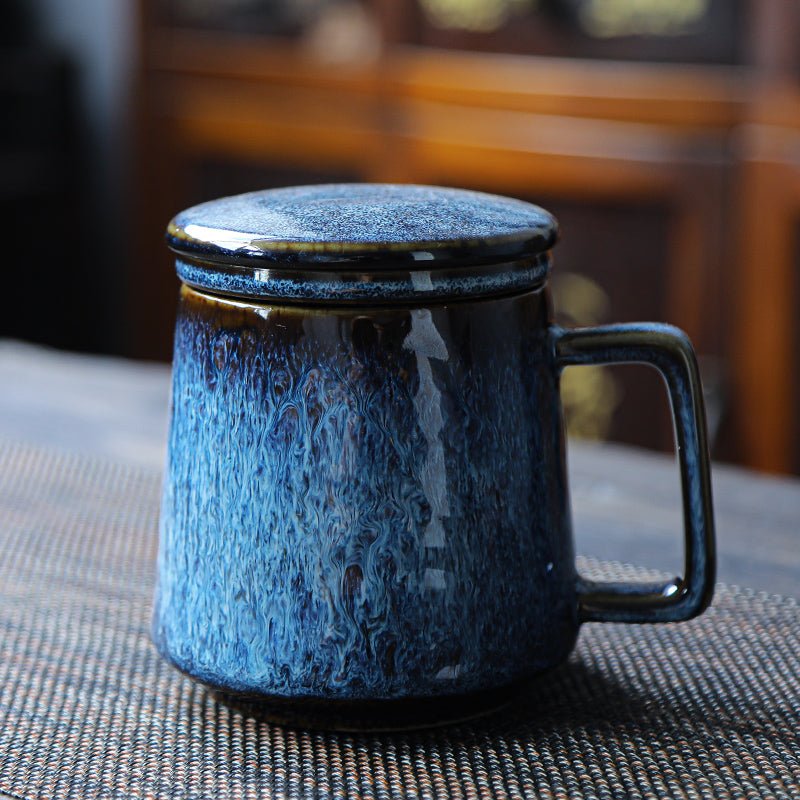
Corkcicle Coffee Mug Buying Guide: What to Check Before Ordering
A practical buyer’s guide for comparing a corkcicle coffee mug against other daily-use mugs. We cover size, lid fit, insulation trade-offs, cleaning, and which alternatives make more sense for desk...
Leer más
Dejar un comentario
Este sitio está protegido por hCaptcha y se aplican la Política de privacidad de hCaptcha y los Términos del servicio.