
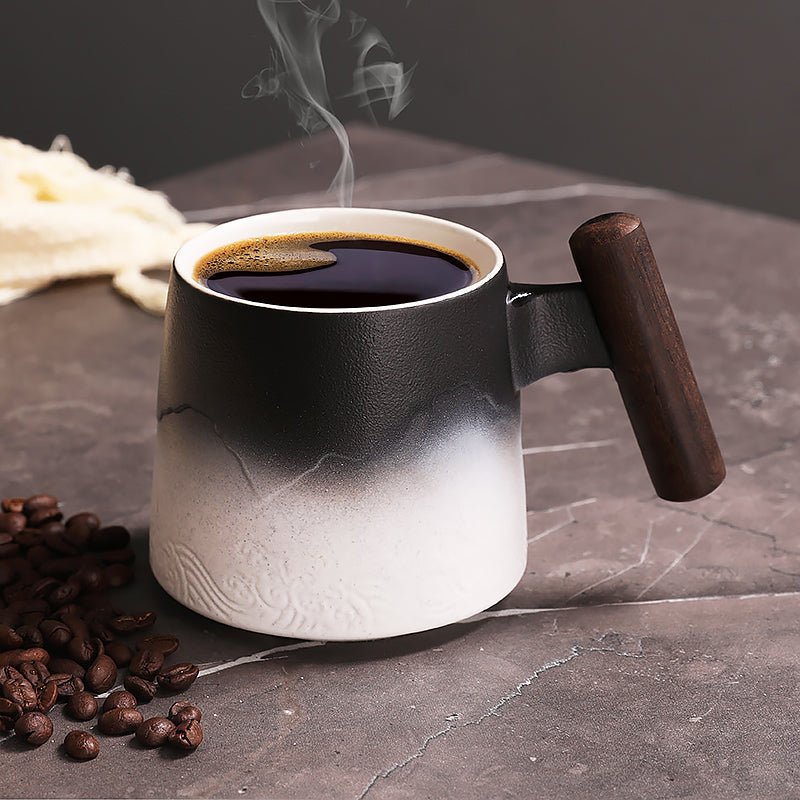
Blue Bottle Coffee Mug: What to Check Before You Buy
Reading time: about 10 minutes
A blue mug can look perfect on a product page and still feel wrong in a real kitchen. Too small, and it cools off before the last sip. Too wide, and it bumps into the coffee machine shelf or feels awkward in the hand. That is the difference between a mug you keep reaching for and one that ends up at the back of the cupboard.
We handle mugs for a living, and the same questions come up again and again: does the finish hold up, is the handle comfortable, will it fit under a brewer, and is it actually easy to wash after a busy day? This guide walks through what to check before you buy a blue bottle coffee mug, with the trade-offs we see most often in our store and in customer orders.
If you want to browse current styles while you read, start with our products page or compare the full range in our collection.
What should you check first on a blue bottle coffee mug?
The first thing to check is not the color. It is the mug’s shape, capacity, and handle comfort. Those three details decide whether the mug works for your routine or just looks good on screen.
In our experience, buyers usually compare mugs in a rush and miss the practical stuff. A mug that holds 8 oz feels tidy for espresso-based drinks or small pour-overs, while a 20 oz mug makes more sense if you routinely top up at a desk or prefer larger pours. If you want a deeper breakdown on capacity, our 8 oz Coffee Mug: What to Check Before You Buy and 20 oz Coffee Mug: What to Check Before You Buy posts are worth a look.
Here is the checklist we use before recommending any mug:
- Capacity: match the mug to your usual drink size, not your occasional oversized refill.
- Rim width: a thinner rim tends to feel better for sipping; a very thick rim can feel clunky.
- Handle size: make sure two or three fingers fit comfortably without squeezing.
- Footprint: confirm it will sit under your coffee machine, shelf, or warming plate.
- Finish: glossy and matte finishes age differently and show wear in different ways.
Which material is best for a blue bottle coffee mug?
Most shoppers are choosing between ceramic, stoneware, porcelain, or stainless steel. Each one has a different feel, different weight, and different trade-off.
| Material | What it feels like | Main advantage | Main limitation |
|---|---|---|---|
| Ceramic | Balanced weight, familiar, everyday-friendly | Often the easiest choice for home and office use | Can chip if knocked against sinks or counters |
| Stoneware | Heavier, sturdier feel | Good heat retention and a more substantial hand feel | Can be a little bulky for small hands or compact shelves |
| Porcelain | Refined, smoother, lighter | Clean look with a thinner drinking edge | Usually feels more delicate than stoneware |
| Stainless steel | Light, durable, practical | Better for travel or rough handling | Not the best choice if you want the classic mug feel at a desk |
For most shoppers looking for a blue bottle coffee mug for home or office use, ceramic or stoneware is the sweet spot. They feel stable on a desk, keep a warm drink reasonably pleasant, and usually look better after repeated everyday use than very lightweight novelty mugs.
That said, a blue mug is not automatically a good travel mug. If you carry coffee in the car or tote bag, a lidded travel style is the better pick. Our Best Coffee Togo Mug: What to Check Before You Buy guide covers that trade-off in plain language.
Does the shade of blue matter more than buyers think?
Yes, because color affects how the mug looks in real spaces. A deep navy mug can feel quiet and professional on an office desk. A lighter blue can read fresher and more casual in a kitchen with white cabinets. A glossy finish reflects more light and shows fingerprints more easily, while a matte glaze can hide smudges better but may show utensil marks sooner depending on the surface.
We also see buyers underestimate how blue interacts with the coffee itself. Dark roast, milk drinks, and cold brew all look different against a blue interior. If the inside glaze is dark, a light crema or foamed milk may not stand out as much. If you care about presentation, that small detail matters.
For gift buyers, a blue mug is often a safe middle ground: polished enough to feel thoughtful, neutral enough to work in most kitchens, and practical enough to avoid becoming shelf decor.
That does not mean blue is always the right choice. If someone prefers a bright, high-contrast mug for latte art, a white interior may be more useful than a deeply saturated blue bowl.
What size works best for daily coffee use?
The right size depends on how you actually drink coffee, not on what looks balanced in a photo. We see three common use cases:
- 8 oz: best for espresso drinks, smaller pour-overs, or users who do not want coffee sitting around cooling too long.
- 12 to 14 oz: the most flexible middle ground for drip coffee, tea, and desk use.
- 20 oz: better for long work sessions, larger pours, or anyone who wants fewer refills.
If your current mug keeps going lukewarm before you finish, a warmer may be part of the solution. Our Best Coffee Mug Warmer: What to Buy for Desk, Home, or Office Use article can help if you leave coffee parked at a desk for a while.
We do not recommend choosing the largest mug just because it feels practical. Oversized mugs can be heavier when full, take longer to preheat, and may not fit comfortably in smaller hands. They also tend to be less satisfying for people who prefer a concentrated serving.
How do you tell if a mug will hold up after real use?
This is where a lot of pretty mugs fall short. The common failure points are not dramatic. They are small and annoying: a hairline crack near the handle, glaze chipping on the rim, a rough patch from inconsistent finishing, or a handle that feels fine empty but awkward once the mug is full.
We look for a few things every time we inspect mugs in our store:
- Rim consistency: no sharp spots where the glaze is thin or uneven.
- Handle attachment: the connection should feel solid, not hollow or flimsy.
- Base stability: the mug should sit flat on a countertop, not wobble.
- Surface finish: the glaze should be even, especially around the handle and foot.
- Care clarity: buyers should know whether hand washing is preferred or whether dishwasher use is acceptable.
Dishwasher-safe is convenient, but it is not the same as “indestructible.” Repeated cycles can dull some finishes over time, and printed graphics may wear differently than solid-color glaze. If you want a mug that looks new for as long as possible, hand washing is gentler, especially for glossy or decorated pieces.
Is a blue bottle coffee mug a good gift?
Usually, yes — as long as you are buying for someone who actually drinks coffee or tea daily. Blue is one of those colors that feels considered without becoming too specific or trendy. It works for birthdays, office gifts, housewarmings, and simple thank-you presents.
We have seen the best gifting results when shoppers think through three practical questions:
- Will this person use a mug at a desk, at home, or on the go?
- Do they prefer a smaller cup or a larger, refill-friendly size?
- Would they appreciate a mug that looks polished, or one that feels more casual and sturdy?
If you are buying a gift with a tighter visual brief, our Awesome Coffee Mugs: How to Choose a Mug You’ll Actually Use guide helps separate display pieces from truly useful ones.
A blue mug is not the best gift if the recipient already uses insulated travel tumblers all day or only drinks from extra-large cups. In those cases, a different style will fit their routine better.
How should you care for it so the finish lasts?
Care comes down to the mug’s material and finish. For most ceramic or stoneware mugs, warm water, mild soap, and a soft sponge are the safest routine. Avoid abrasive scrubbers on glossy glaze unless there is a stubborn stain that needs extra attention.
For day-to-day upkeep, we suggest:
- Rinse after coffee or tea instead of letting stains sit overnight.
- Use a non-scratch sponge on the exterior if the mug has a matte or specialty glaze.
- Avoid sudden temperature changes, like pouring boiling liquid into a very cold mug straight from storage.
- Dry the base after washing so water spots do not collect on the foot.
These are small habits, but they extend the life of the mug and keep the color looking clean. A blue finish can be forgiving, but once chips or glaze wear appear, they stand out more along the rim and handle edges.
What should you buy if you want the best fit for your routine?
If you want a mug for everyday desk coffee, a mid-size ceramic or stoneware option is usually the most balanced choice. If you want something more giftable and refined, porcelain can be a good fit. If you need durability for commuting or rough handling, a travel-style mug is better than a standard open cup.
Here is the practical way we help customers decide:
- Choose 8 oz if you like smaller servings or mostly drink espresso-based drinks.
- Choose 12 to 14 oz if you want one mug that handles most coffee routines.
- Choose 20 oz if you drink slowly, refill less often, or use it all day at a desk.
- Choose ceramic or stoneware if you want a classic mug feel.
- Choose a travel mug if spill resistance matters more than the open-cup experience.
If you are still comparing, our Best Coffee Mug: What Actually Matters for Daily Use post is the best next read for narrowing down the basics before you click buy.
Frequently asked questions
Is a blue bottle coffee mug dishwasher safe?
Some are, some are not. Check the care notes for the specific mug and finish. Even if a mug is dishwasher safe, hand washing is still the gentler option for keeping glossy glaze and printed details looking better over time.
What size blue mug is best for coffee at work?
For office use, 12 to 14 oz is usually the easiest balance. It holds a normal serving without getting too heavy, and it is less likely to crowd a desk or warming plate than a large 20 oz mug.
Does a darker blue mug stain less than a lighter one?
Usually, darker blue hides coffee stains better visually. That does not stop staining from happening, though. Rinsing promptly after use matters more than the shade if you want the mug to stay clean.
Is a blue bottle coffee mug a good gift for someone who does not drink coffee?
It can be, if they drink tea, hot chocolate, or use mugs for water and desk drinks. If they rarely use open mugs, a different drinkware style may be more practical. We would not force a mug gift on someone who mainly uses insulated cups.
What is the most common problem with mugs like this?
The most common issues are chip-prone rims, awkward handles, and finishes that look great online but feel less comfortable in real use. That is why we always recommend checking size, grip, and care instructions before buying.
If you are ready to compare options, start with the mug shape and size that matches your routine, then browse our full collection and compare it against the notes in this guide. That gives you a much better shot at choosing a blue bottle coffee mug you will actually use every day.
More from our blog
Read more
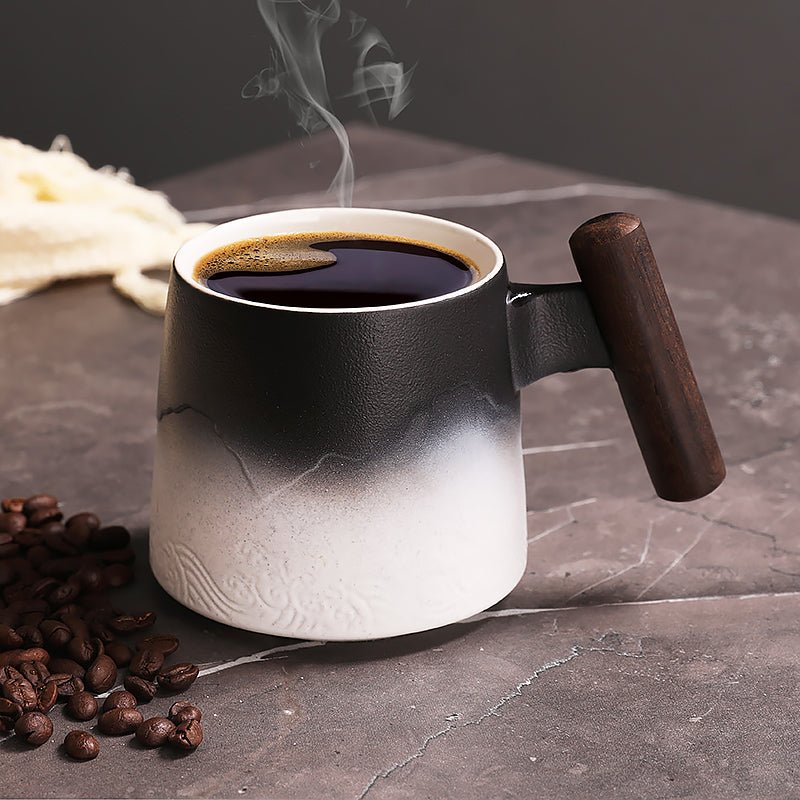
Mexican Clay Coffee Mugs: How to Choose the Right One
Mexican clay coffee mugs bring a heavier feel, warmer look, and a more handmade drinking experience. This guide explains what to check for size, glaze, care, and daily use before you buy.
Leer más
Coffee Mug Ceramic Lid Buying Guide: What to Check Before You Buy
A practical guide to choosing a coffee mug ceramic lid that fits well, holds heat, and works for daily use. We cover material, fit, care, and the trade-offs that matter before you buy.
Leer más
Dejar un comentario
Este sitio está protegido por hCaptcha y se aplican la Política de privacidad de hCaptcha y los Términos del servicio.