
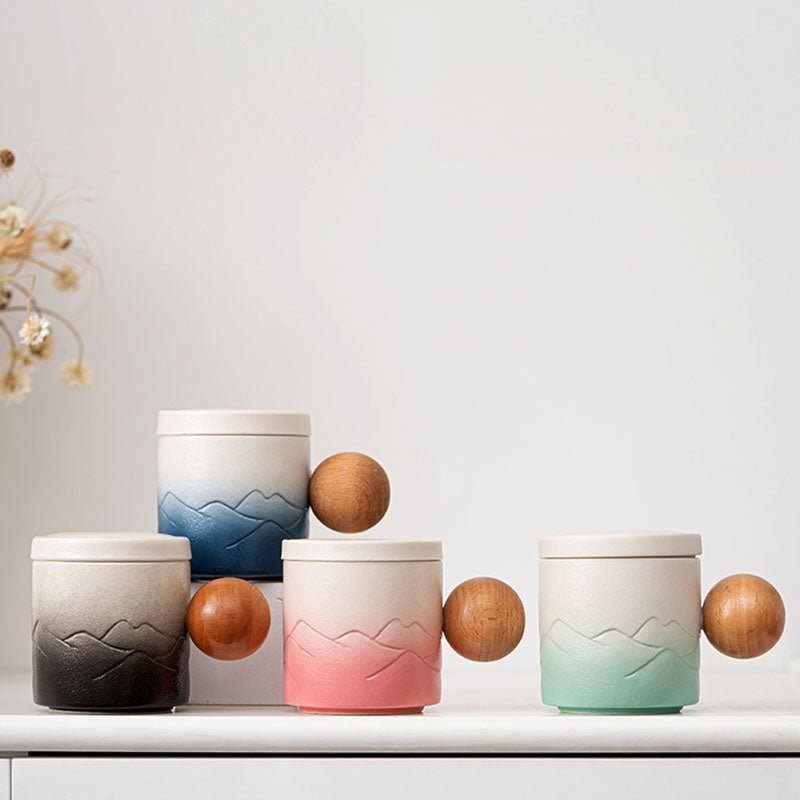
Big Tea Cup Buying Guide for Size, Comfort, and Daily Use
Reading time: about 10 minutes
A big tea cup earns its place the moment a standard mug leaves you reaching for a refill before the tea is even half gone. We see that every week in our store: shoppers want something roomy enough for a full pour, but not so oversized that it feels clumsy on a desk, at the breakfast table, or while settling into the sofa.
In our experience, the best big tea cup is not just larger. It is better balanced, easier to hold, and easier to live with. If you want a fuller-feeling mug with a more substantial hand feel, the The Rock Coffee Tea Mug is a smart place to start comparing shape and size. If you want to see the broader range of drinkware we carry, browse the full collection first, then narrow it down from there.
What makes a big tea cup worth buying for daily use?
A big tea cup is worth buying when it solves an actual routine problem. That usually means fewer refills, a more relaxed drink, and a cup that stays comfortable even when filled near the top. For many tea drinkers, the appeal is simple: one pour in the morning, one pour in the afternoon, and less time walking back to the kettle.
We look at three things first: how much tea it holds, how it feels when full, and how it behaves after repeated washing. A cup that looks generous online can still disappoint if the handle is too tight, the base feels narrow, or the rim is unpleasant to sip from. Those are the kinds of details that matter after day three, not just on the first unboxing.
It also helps to be honest about what a big tea cup is not. If you want a small, temperature-sensitive pour for delicate green tea or formal tea service, a smaller cup can be a better fit. A large cup is also not ideal for people who need a very light vessel for one-handed use all day.
How big should a big tea cup be?
There is no single correct size, but there is a practical range. Many shoppers are happiest somewhere around 14 to 20 ounces for a big tea cup. That gives enough room for a proper brew without turning the cup into something heavy, awkward, or difficult to finish before the tea cools too much.
Once a cup gets much larger than that, it starts to act less like a tea cup and more like a soup bowl with a handle. That can be fine for a slow weekend drink, but it is usually not the right choice for office use, quick desk breaks, or people who like to keep tea hot and manageable.
Here is how we usually frame the size decision:
- 12 to 14 ounces: roomy, but still close to a classic mug feel.
- 14 to 18 ounces: the sweet spot for many daily tea drinkers.
- 18 ounces and up: best if you want a very full cup and do not mind the extra weight.
If you are unsure where to start, our Big Tea Cup Buying Guide: Size, Material, and Daily Use goes deeper on capacity and everyday fit. We also cover larger shapes in Big Mugs for Tea: How to Choose the Right Large Mug if you are still deciding between a tea cup and a mug-style profile.
Which material is best for a big tea cup?
Material changes the way a big tea cup feels in the hand, how it holds heat, and how it ages after months of dishwashing. We see most buyers narrow their choice to ceramic, stoneware, porcelain, or glass. Each has trade-offs.
| Material | What it does well | What to watch for |
|---|---|---|
| Stoneware | Feels sturdy, keeps heat well, suits everyday use | Can feel heavy; rims and handles need to be well finished |
| Porcelain | Lighter in hand, clean taste, usually a finer sip | Can be more prone to edge chips if knocked against a sink or shelf |
| Ceramic | Versatile, common, and easy to design for daily use | Quality varies; look for even glaze and a stable base |
| Glass | Shows tea color and is useful for visual brewing | Loses heat faster and shows fingerprints and water spots |
For most tea drinkers, a glazed ceramic or stoneware body is the most practical choice. It usually handles regular dishwasher use better than delicate materials, and it feels less fragile on a crowded kitchen counter. Porcelain is a good pick if you want a lighter cup and a cleaner drinking feel. Glass works best when the visual side of tea matters more than heat retention.
One limitation worth saying plainly: a matte finish can look great, but it may show tea marks more easily than a glossy glaze. If that bothers you, choose a smoother finish or expect a little extra wiping between washes. If the cup has metallic trim, assume microwave use is off the table.
What comfort details should you check before buying?
This is where many oversized cups fail. A big tea cup can look impressive and still feel wrong if the handle is too narrow, the rim is sharp, or the base wobbles on a desk. We pay attention to the same details customers notice once they actually use the cup for a week.
- Handle clearance: two fingers should fit comfortably without squeezing against the body of the cup.
- Rim comfort: the lip should feel smooth, not thick or rough against the mouth.
- Base stability: a flat, steady base matters more as the cup gets larger and heavier when full.
- Wall thickness: thin enough to drink comfortably, thick enough to feel durable.
- Interior finish: a smooth glaze is easier to clean and less likely to hold tea residue.
Common defect modes in this category are easy to miss in product photos. A handle can look generous but still pinch the knuckles. The foot ring can be slightly uneven and cause a tiny wobble. A rim can have a rough seam that you only notice after the first sip. These are small issues, but in daily use they matter more than decorative prints.
If you are shopping for a gift, comfort checks matter even more. A big tea cup is a good gift only if the recipient actually likes larger drinkware. For someone who prefers small, traditional servings or a more delicate tea experience, a smaller cup may be the better choice.
Is a big tea cup good for tea, coffee, and desk use?
Yes, but not for the same reason in every case. A big tea cup works well for herbal tea, black tea, and blended teas because it gives the drink room to cool slightly without needing an immediate refill. It can also work for coffee if the buyer wants a more relaxed, all-purpose cup.
For desk use, the main advantage is simple: fewer trips to the kettle or machine. The main drawback is weight. A fuller cup is heavier, and a heavy cup is not as friendly if you type, answer calls, or move around a lot while drinking. If the cup has a broad body and a narrow handle, that problem gets worse fast.
We also see one practical issue come up often: heat. A larger volume can keep tea warm for longer, which is great at home and less useful if you prefer to drink quickly. If your tea habit is short and fast, you may not need a big tea cup at all. A mid-size mug may give you the same convenience with less bulk.
For readers comparing categories, our Large Tea Cup Buying Guide: What to Check Before You Buy covers the final checks we use before recommending a shape. If you want a more mug-centric comparison, Big Tea Mug Buying Guide for Size, Comfort, and Daily Use is the better next read.
How do care and durability affect the value of a big tea cup?
A big tea cup should not add work to your routine. If it needs special handling every time, it stops being an everyday cup and becomes a shelf piece. That is fine for some buyers, but not for most people shopping for daily tea.
Before buying, check whether the cup is dishwasher-safe, microwave-safe, and safe for regular hot fills. Even if a listing says yes, we still recommend avoiding thermal shock: do not move a cold cup straight from a chilly shelf into boiling water. That is how hairline cracks and glaze stress tend to show up over time.
Here are the care details we look for in real use:
- A glaze that resists staining from black tea and herbal blends.
- A foot ring that does not scratch counters or stack badly in storage.
- No rough unglazed patches where the hand constantly grips the cup.
- Clear care guidance if there are decals, gold trim, or other decorative finishes.
A durable big tea cup should feel easy, not delicate. If you have to baby it every day, the value drops quickly. On the other hand, a well-made cup that survives sink bumps, dishwasher cycles, and shelf stacking becomes the one you reach for first.
Which big tea cup should you buy if you want the safest choice?
If you want the safest choice, start with a medium-large ceramic or stoneware cup, a smooth glazed interior, and a handle that genuinely fits two fingers. That combination covers most daily tea habits without overcommitting to an oversized shape that is hard to use.
As a quick buying filter, use this checklist:
- Choose a capacity that matches your actual pour size, not just the largest option available.
- Pick a material that fits your washing routine and heat preference.
- Check that the handle, rim, and base all feel comfortable, not just the outer shape.
- Avoid special finishes if you want simple microwave and dishwasher use.
- Match the cup to the tea you drink most often, not the tea you drink occasionally.
If you are still comparing, use the shop collection first and then narrow by shape. The full collection makes it easier to compare sizes side by side, and the product page for The Rock Coffee Tea Mug is a useful reference point if you want a fuller-feeling cup with a more substantial presence on the table.
Frequently asked questions
How many ounces should a big tea cup be?
For most buyers, a big tea cup lands around 14 to 20 ounces. That range is large enough for a satisfying pour but not so large that the cup becomes heavy and awkward when full. If you like smaller servings or drink delicate tea, a smaller cup can be the better fit.
Is a big tea cup good for herbal tea?
Yes. Herbal tea usually benefits from a larger cup because it gives the drink room to cool a little while you sip at an easy pace. A glazed ceramic or stoneware cup is usually the most practical choice for that routine.
Can I put a big tea cup in the dishwasher and microwave?
Often yes, but only if the product details say so. Check for metallic trim, decals, or specialty finishes, because those can make microwave use unsafe. If you want the easiest day-to-day care, choose a plain glazed cup with clear washing instructions.
What is the difference between a big tea cup and a mug?
A big tea cup usually focuses more on drinking comfort, rim feel, and a lighter tea-serving profile, while a mug often prioritizes capacity and everyday versatility. The overlap is large, which is why many shoppers compare both before buying. If you want a more relaxed, all-purpose vessel, a mug shape may be the better pick.
What should I check before buying a big tea cup as a gift?
Check the size first, because some people do not want an oversized cup on their desk or at breakfast. Then check the handle, the finish, and whether it is easy to wash. A giftable cup should look good, but it should also be comfortable enough that the recipient actually uses it.
If you want a fast next step, compare one cup from our collection against this checklist: handle fits two fingers, base sits flat, rim feels smooth, and care matches your kitchen routine. If those boxes are checked, you are looking at a big tea cup that should work every day, not just on the day it arrives.
Read more
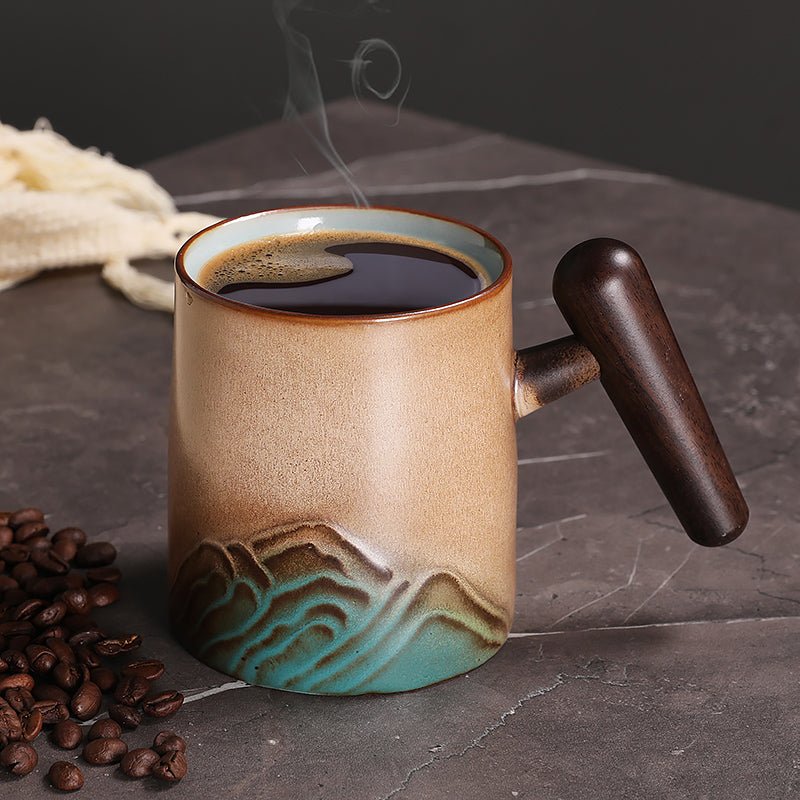
Coffee Mugs Extra Large: What to Check Before You Buy
Coffee mugs extra large can solve a real daily problem: one mug for coffee, tea, and long desk sessions without constant refills. The right pick depends on size, balance, handle comfort, and how of...
Leer más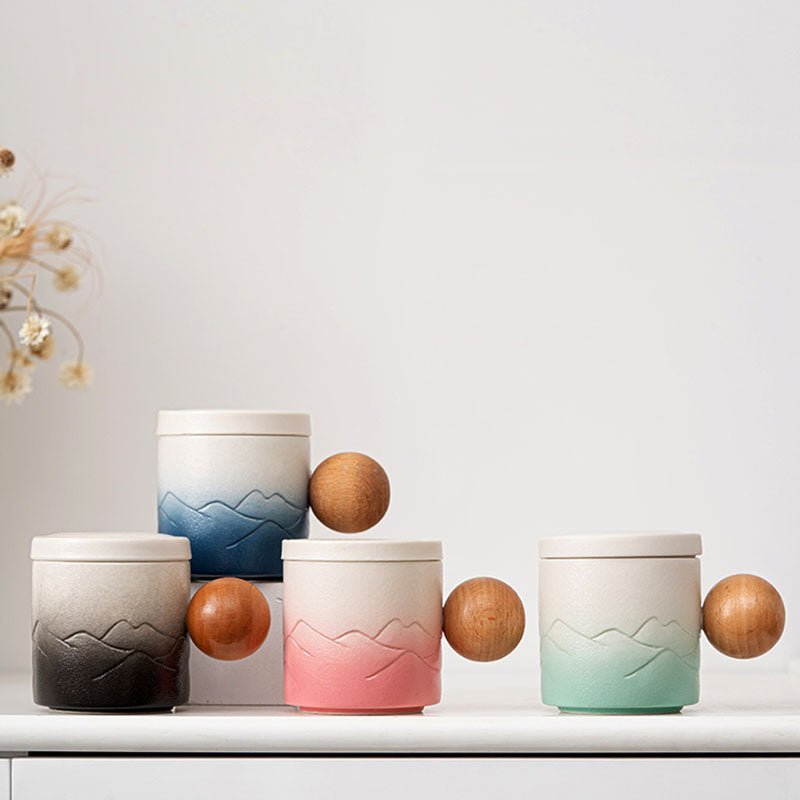
Coolest Coffee Mugs That Still Work for Daily Coffee
Coolest coffee mugs should do more than sit pretty on a shelf. We break down which shapes work for desks, gifts, and everyday pours, plus what to check before you buy.
Leer más
Dejar un comentario
Este sitio está protegido por hCaptcha y se aplican la Política de privacidad de hCaptcha y los Términos del servicio.