
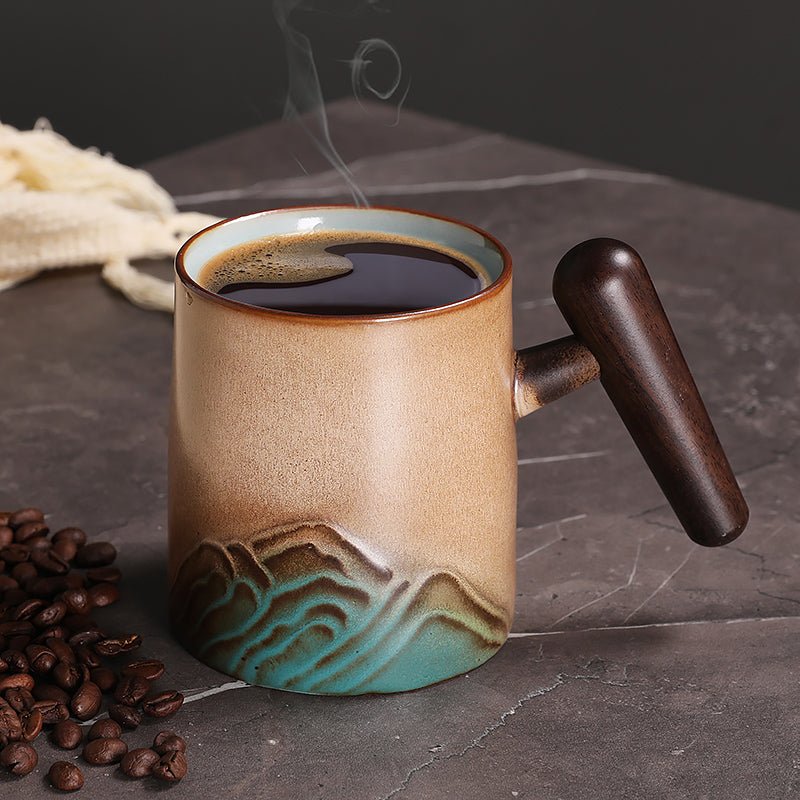
Big Mugs for Coffee: How to Choose the Right One
Reading time: about 9 minutes
What size actually counts as a big coffee mug?
A big mug only works if it still feels balanced at 7 a.m. on a crowded counter, not just impressive in a product photo. In our store, we see the same pattern over and over: shoppers want fewer refills, a warmer drink, and a mug that feels sturdy in the hand, but they do not want something so large that it becomes awkward at the desk.
For most buyers, big mugs for coffee start around 16 oz. That is the point where a mug feels roomy without crossing into extra-large territory. At 20 oz, you are in true oversized mug range, which is great for long mornings, oversized pours, or people who add milk and still want headroom. Once you move past that, the mug can start to feel more like a bowl with a handle, which is useful for some buyers and wrong for others.
If you are deciding between a few size bands, our related guides can help you narrow it down. We cover everyday handling in Big Coffee Mugs for Daily Use: What to Buy and What to Skip and go deeper on sizing in Big Mugs Coffee: How to Choose the Right Large Mug for Daily Use.
| Size | Best for | Main trade-off |
|---|---|---|
| 12 oz | Standard pours, smaller servings, lighter feel | Not truly big; more refills |
| 16 oz | Daily use, drip coffee, lattes, home office desks | Can still feel heavy if the walls are thick |
| 20 oz | Long mornings, milk-heavy drinks, one-and-done servings | Bulkier to hold and harder to fit under some machines |
| 24 oz and up | Very large pours, soup-like use, novelty gifting | Least practical for everyday coffee |
The useful question is not, “How big is the mug?” It is, “How do you actually drink coffee?” A person who makes one strong cup and sits down at a kitchen table usually wants a different mug than someone who keeps reheating coffee between meetings.
Which material makes the best big mug for daily use?
Material matters more with big mugs than with smaller cups because capacity changes the weight. Add thicker walls, a wide base, and a full pour, and even a mug that looks simple can feel heavy in the hand.
We typically see three materials come up most often: stoneware, porcelain, and standard ceramic. Stoneware is common for big mugs because it feels substantial and holds heat well, but that same density can make a 20 oz mug feel serious on the wrist. Porcelain is usually lighter and has a cleaner, more refined feel, though it can show chips more obviously if the mug gets knocked against a sink or crowded shelf. Everyday ceramic sits in the middle and is often the most practical choice for kitchen counters, offices, and gift buying.
When we inspect mugs, we look for details that shoppers often miss online:
- A smooth rim with no rough spots, because the lip is what you feel every morning.
- An even glaze, especially near the base and handle join, where pinholes and thin coverage tend to show up first.
- A flat, stable foot ring, because a slightly uneven base can make a large mug wobble on a desk.
- A handle attached with enough space for two fingers if the mug is truly oversized.
For buyers comparing styles, our guide on Extra Big Coffee Mugs: How to Choose the Right One for Daily Use covers the point where size starts to outweigh convenience. If you are trying to decide between everyday durability and display-piece looks, that trade-off matters.
One more practical point: microwave and dishwasher convenience is not universal. A mug with metallic trim, specialty decals, or an unusual finish may need gentler care. If a listing does not clearly state care instructions, treat that as a sign to double-check before buying.
How do handle shape and mug width change how a big mug feels?
Handle design is not cosmetic. On a large mug, it decides whether the mug feels secure or clumsy. A generous handle opening makes a real difference, especially if you drink while typing, reading, or carrying the mug from the kitchen to a desk.
In practice, the best handle is the one that gives you a stable grip without forcing your knuckles against the cup body. If the handle opening is too narrow, a large mug can feel pinched and hot. If the handle is oversized but thin, it can dig into your fingers once the mug is full. Our team looks at the handle join as much as the shape of the cup itself, because that is where weak construction tends to show up first after repeated dishwasher cycles.
The mug body also changes the experience:
- Wide, low mugs are easier to sip from but lose heat faster.
- Taller mugs hold heat a bit better and often fit large pours more neatly.
- Very broad mugs can be nice for foam-heavy drinks, but they are less stable on tight desks and narrow shelves.
If your coffee usually lives beside a laptop, a keyboard, or a stack of papers, stability matters more than drama. If you want a mug for couch use or weekend breakfasts, a wider profile can feel more relaxed. The wrong choice is not always a bad mug; it is often just a mug built for a different routine.
Which big mug fits your routine best?
Not every shopper needs the same kind of oversized mug. A serious drip coffee drinker, a latte fan, and a gift buyer are often looking for different features even if they all search for big mugs for coffee.
Use this quick filter:
- For daily office use: choose a 16 oz mug with a balanced handle and a stable base. It is large enough to reduce refills without taking over the desk.
- For slow, long mornings: choose 20 oz if you want fewer trips back to the coffee pot. Just check that it still fits your cabinet shelf and your machine clearance.
- For milk-heavy drinks: choose a wider opening so foam or cream does not crowd the rim.
- For gifting: choose a classic shape over a novelty size. People use that more often, and it is easier to wrap and store.
- For small kitchens: avoid very wide mugs if your cabinet depth is limited or if you stack dishes tightly.
Big mugs are not ideal for everyone. If you prefer espresso, very light cups, or you need something that fits into a car cup holder, an oversized mug is usually the wrong tool. In those cases, a smaller cup or a travel mug makes more sense.
For buyers comparing mugs across the full store, start at our products page or browse the full collection. If you want to compare by capacity before you buy, our 20 Ounce Coffee Mugs: What Buyers Should Check Before Ordering guide is a useful next stop.
What should you check before ordering a large mug online?
Online mug photos do not always make the scale obvious. A mug can look roomy on screen and still feel tight, shallow, or oddly heavy once it is in hand. We recommend checking a few specifics before you order.
- Capacity: Look at the actual ounce rating, not just “large” or “jumbo.”
- Opening width: A wider mouth changes how quickly the drink cools and how easy the mug is to clean.
- Handle clearance: Make sure your fingers can fit comfortably, especially if you use a larger grip.
- Weight: Thick ceramic walls feel durable, but they can be tiring if you carry the mug around often.
- Care instructions: Verify whether the mug is dishwasher safe, microwave safe, or better washed by hand.
- Finish: A glossy glaze is easy to wipe clean, while textured or unglazed areas can hold coffee residue.
We also suggest checking the kind of use you expect at home versus the office. A mug that is perfect beside a kitchen sink may be inconvenient on a work desk if it is too tall, too wide, or too heavy when full.
If you are buying for a gift, packaging matters too. A big mug should arrive without rim chips, handle cracks, or visible glaze defects. Those are the exact areas we inspect first when a shipment comes in.
How do you care for a big mug so it lasts?
Most large mugs are simple to care for, but they do better with a little discipline. That is especially true if you use the mug every day and run it through repeated dishwasher cycles.
Keep these habits in mind:
- Let the mug cool before rinsing it with very cold water, since sudden temperature changes can stress ceramic.
- Wash coffee-heavy stains promptly so the glaze does not hold onto discoloration.
- Check the base and handle area periodically for hairline cracks, especially if the mug has been dropped or knocked hard against a sink.
- Avoid using abrasive scrubbers on printed or detailed finishes unless the care instructions specifically allow it.
Big mugs are not fragile by default, but they are also not indestructible. A thick wall can hide minor damage for a while, which is why we tell shoppers to inspect the mug, not just the surface look. A tiny crack at the foot ring or a rough spot on the rim can turn into a daily annoyance fast.
For readers who want a more detailed size-by-size breakdown, our article on 16 oz Coffee Mugs: What to Check Before You Buy is useful if you are deciding whether to stay in the roomy-but-manageable range or move up to something larger.
Frequently asked questions
What size is considered a big coffee mug?
For most shoppers, 16 oz is the starting point for a big coffee mug. Twenty ounces is where the mug starts to feel genuinely oversized and better suited to long mornings or larger pours. Anything above that usually becomes extra big rather than everyday large.
Are big mugs for coffee dishwasher safe?
Many are, but you should always check the care instructions for the finish and decoration. Plain glazed ceramic and stoneware are often fine in the dishwasher, while metallic trim, hand-applied detail, or specialty coatings may need gentler handling. If the listing is unclear, treat it as a warning sign.
What is the best material for a large coffee mug?
Stoneware is a strong everyday choice because it feels solid and holds heat well. Porcelain can feel lighter and more refined, while standard ceramic sits in the middle for comfort and durability. The best option depends on whether you value weight, heat retention, or a lighter feel in the hand.
Do big mugs keep coffee hotter longer?
Not automatically. A larger mug can hold more volume, but heat retention depends on wall thickness, material, and how wide the opening is. A thick stoneware mug may hold heat better than a thin cup, but a very wide mug will still lose heat faster than a taller, narrower one.
Are big mugs a bad choice for small hands?
They can be, if the handle is too small or the mug is too heavy when full. Small hands usually do better with a well-shaped handle, moderate wall thickness, and a mug that stays balanced on a desk or table. If the mug feels awkward empty, it will usually feel worse once filled.
If you are still narrowing it down, compare the ounce size, handle clearance, and care details first. Then move into our full collection and choose the mug that matches how you actually drink coffee, not just how it looks in a photo.
More from our blog
Read more
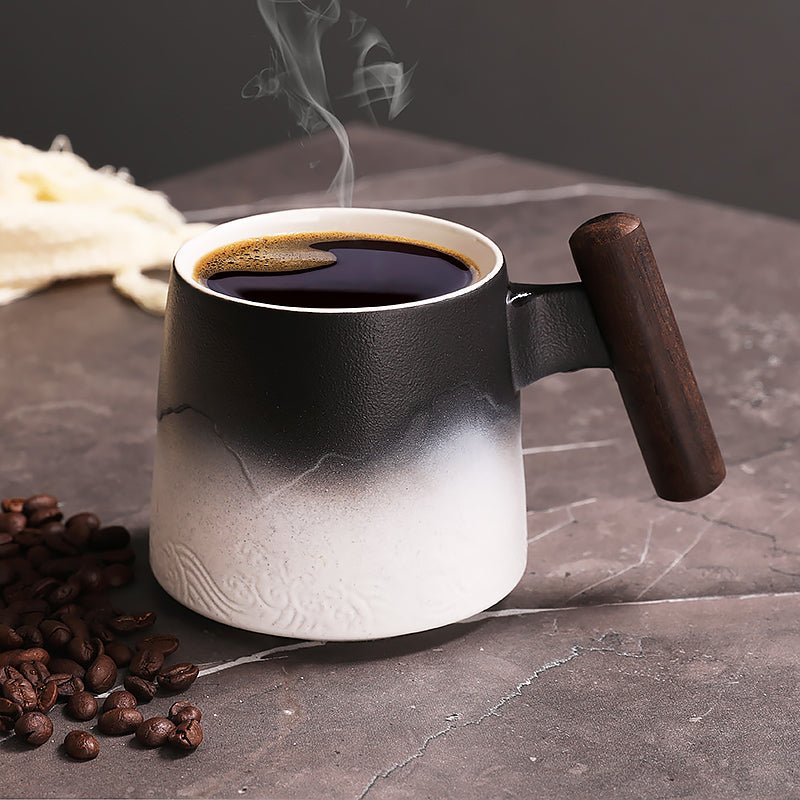
Beautiful Coffee Mugs: How to Choose One That Looks Good Every Day
Beautiful coffee mugs should look good on the shelf and still feel right in daily use. We break down the materials, sizes, handles, care steps, and finish details that matter before you buy.
Leer más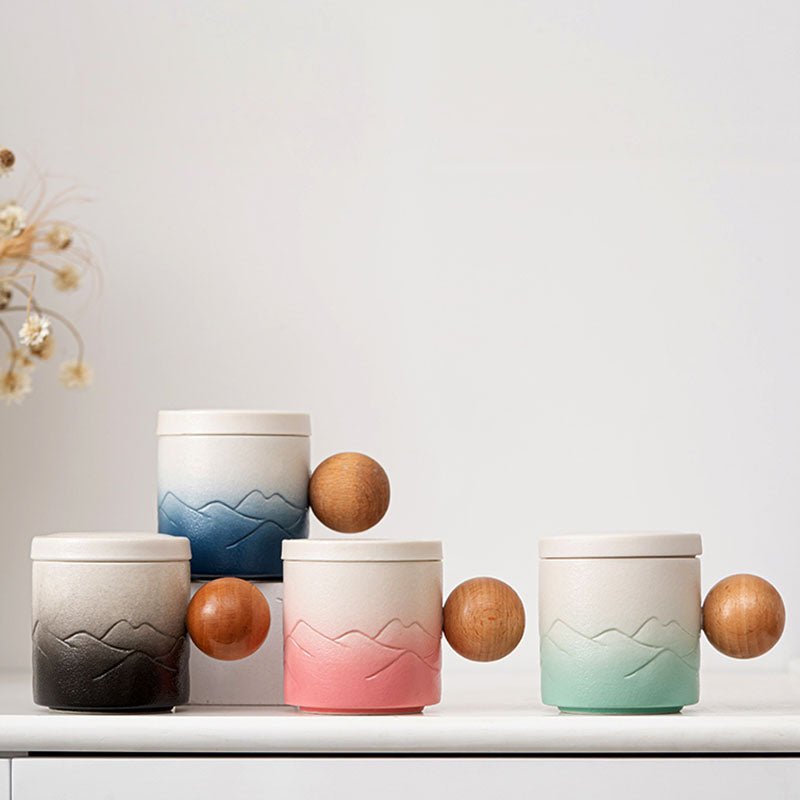
Unique Coffee Mug Buying Guide: Materials, Sizes, and Fit
A practical guide to choosing a unique coffee mug that looks different and still works on a real kitchen counter. We cover materials, size fit, care, and the trade-offs that matter before you buy.
Leer más
Dejar un comentario
Este sitio está protegido por hCaptcha y se aplican la Política de privacidad de hCaptcha y los Términos del servicio.